
How Dr. Rodolfo Gari Is Solving One of America’s Biggest Health Challenges

Fifty million American adults are dealing with chronic pain right now. Not a projection that’s where things stand today, and it’s a big part of the chronic pain crisis in the US. Most of them never learned how to choose a pain management specialist, so they end up bouncing appointments that don’t go anywhere.

Dr. Rodolfo Gari has spent the last three decades in Tampa trying to fix that specific gap. He’s an interventional pain management physician, which in practice means he’s not handing out a prescription pad and calling it treatment. Patients tend to pick up on that quickly. Here’s why the crisis got this bad, what actually separates a good specialist from a mediocre one and where his approach breaks from the usual playbook.

The Scope of the Chronic Pain Crisis in the US  
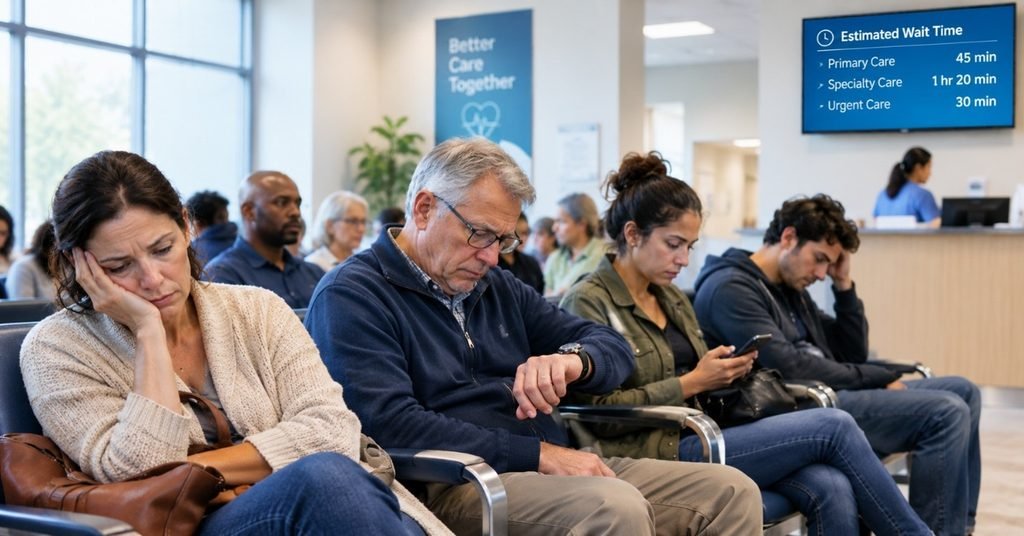
The numbers from the CDC aren’t subtle. Chronic pain outranks diabetes and heart disease combined in terms of how many Americans it touches. Yet most people can’t get in to see a specialist quickly and when they do coverage often dictates the treatment plan more than the diagnosis does. That’s the uncomfortable core of the chronic pain crisis in the US: it’s less about medical knowledge and more about access.

Why the Crisis Persists

Referral systems are part of the problem. A patient sees their primary care doctor gets referred out waits weeks for an appointment and by the time they sit down with a nerve specialist the original issue has often gotten worse. Muscle pain that could’ve been treated early turns chronic. Nerve problems compound. The delay itself becomes part of the injury.

How to Choose a Pain Management Specialist

If you’re trying to figure out how to choose a pain management specialist, think of this as a working pain management doctor selection guide — here’s what actually matters, in order.

  • Confirm Board Certification and Training

    Board certification in pain management is non-negotiable and fellowship training in interventional techniques is what separates a specialist from a general practitioner who dabbles. Ask directly. A good practice won’t hesitate to answer.

  • Ask About Treatment Philosophy

    Some practices lean almost entirely on muscle pain medication. Others build a broader toolkit nerve blocks physical therapy referrals minimally invasive procedures and treat surgery as a last resort rather than a first option. Find out which kind of practice you’re walking into before you commit.

  • Evaluate Communication and Fit

    This part gets skipped a lot but it shouldn’t. Finding a pain specialist in the US who explains things clearly and doesn’t rush you out the door matters just as much as the credentials on the wall.

Dr. Gari’s Approach to Chronic Pain Management 

Dr. Gari doesn’t start with a prescription. He starts by figuring out where the pain is actually coming from — nerve compression, joint degeneration, soft tissue damage — because chronic pain management that skips this step tends to fail eventually. Patients around Tampa have come to know him as a nerve specialist who treats the cause not just the symptom and it’s a big part of why his approach to pain relief tends to stick. His career hasn’t been limited to the clinic either.

Time spent in healthcare entrepreneurship gave him a wider view of what’s broken in pain management specialist USA -wide, which shows up in how deliberately his practice is structured. Two conditions worth reading up on if you’re dealing with them: genicular nerve block treatment and diabetic neuropathy care.

What to Expect During a Consultation 

A real first visit takes time. History, physical exam, imaging review and increasingly, questions about sleep, since poor sleep and chronic pain feed each other more than most people realize.

That’s part of what’s changing about how the chronic pain crisis in the US gets treated: specialists are looking at the whole picture instead of isolating the symptom. If sciatica is your issue specifically our piece on sciatica treatment options walks through what a tailored plan looks like.

Take the Next Step Toward Real Pain Relief

Medication alone was never going to fix the chronic pain crisis in the US, and most patients figure that out the hard way. Knowing how to choose a pain management specialist is really where recovery starts. Dr. Rodolfo Gari brings three decades of experience a University of Miami medical background and a habit of actually listening before treating.

Don’t guess through another round of treatment. Get in front of Dr. Gari, get a real diagnosis and go from there. Book a consultation. Get it right from the start!

Frequently Asked Questions 

1.When should you see a specialist instead of continuing with your primary care doctor?

Few weeks in and the pain’s still there Or it’s messing with stuff you never used to think twice about. Or you’ve tried the basics and nothing’s moved. Any one of those and general care probably isn’t going to be enough — you need someone equipped to look deeper.

2.What’s behind the chronic pain crisis in the US?

Slow referral pipelines, inconsistent insurance coverage and decades of leaning on medication over root-cause treatment. It’s a systems problem as much as a medical one.

3.What should I ask before picking a pain management doctor?

Ask what they’re board certified in. Ask how they’d actually treat you, not just what they prescribe. And ask if they work with physical therapists or surgeons when a case needs it some don’t bother. If you’re not getting straight answers, that’s your cue to walk.
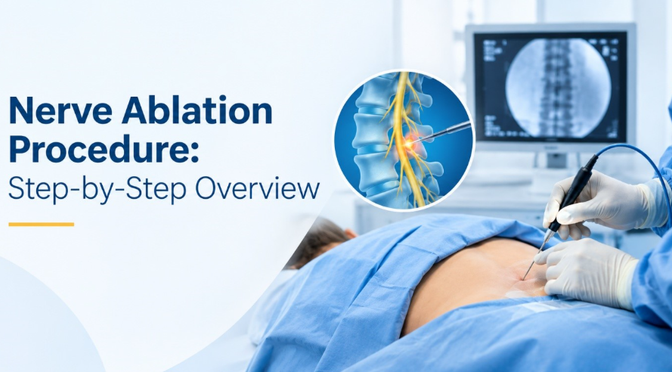
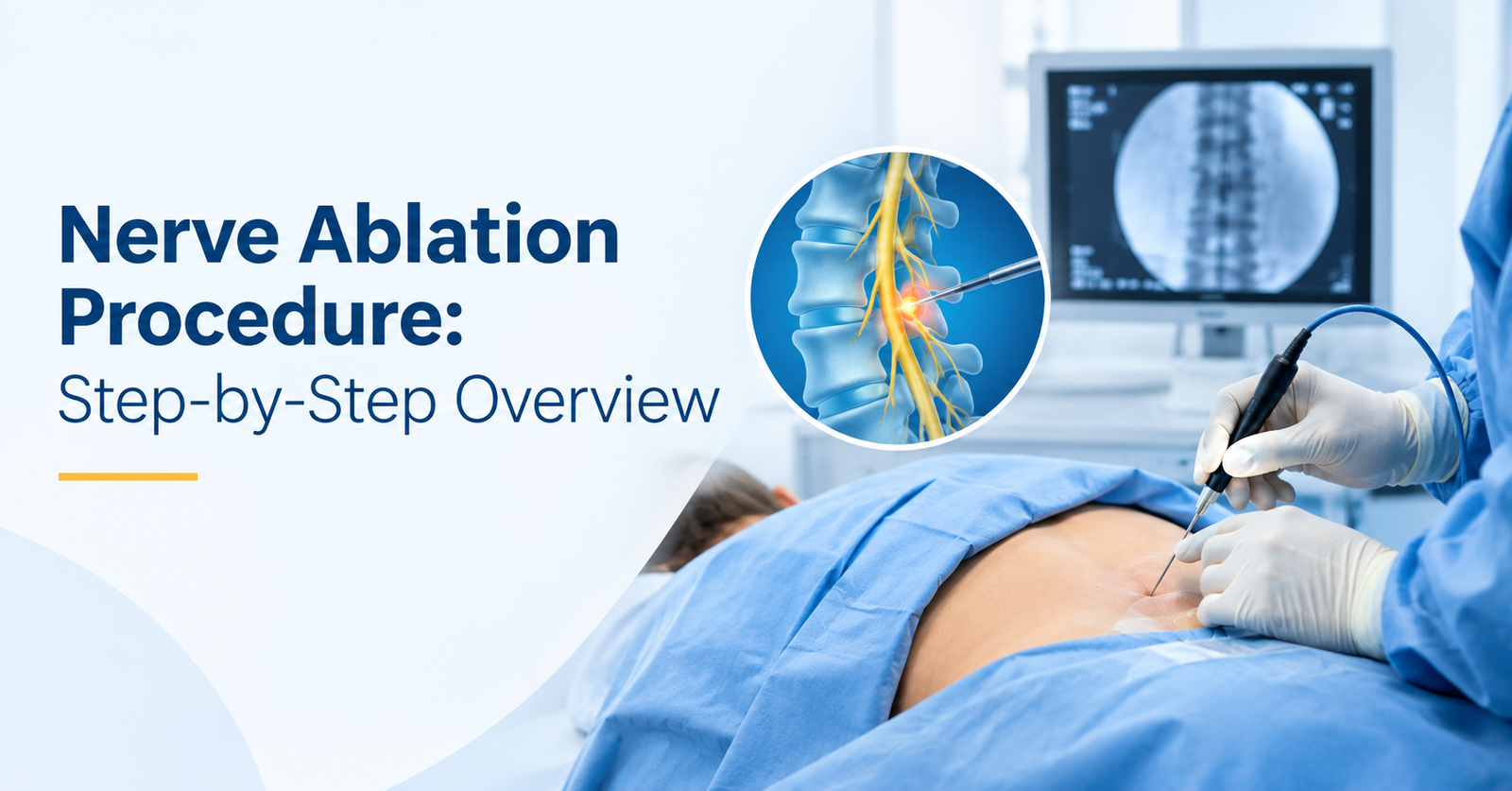
Nerve Ablation Procedure: Step-by-Step Overview

Back pain has a way of taking over everything. You skip the walk, you cancel plans, you start planning your day around how your back feels that morning. At some point, medication and physical therapy just stop moving the needle. That’s usually when a nerve ablation procedure comes up.

It’s a minimally invasive treatment that uses targeted heat to quiet the nerves sending pain signals to your brain and for a lot of patients, that relief sticks around for months. So how nerve ablation works, exactly? Dr. Rodolfo Gari, a Tampa-based nerve specialist with over thirty years in pain management, walks patients through radiofrequency ablation for pain from the first visit to full recovery.

What Is a Nerve Ablation Procedure

Picture turning down the volume on a nerve that won’t stop shouting. That’s basically what a nerve ablation procedure does, heat quiets the nerve fiber carrying pain signals to your brain. There’s no cutting involved, just a needle finding its way to the right spot with the help of live imaging. Patients dealing with nerve problems from arthritis, spinal degeneration or an old injury almost always try other pain management routes first.

Ablation tends to come up once those stop working. Plenty of patients want to know how nerve ablation works before they’ll agree to anything, which is fair. The point isn’t curing what caused the pain in the first place. It’s shutting off the signal so you can actually function again.  

How Nerve Ablation Works 

Dr. Gari rarely jumps straight into a full nerve ablation procedure. There’s usually a smaller step first: a diagnostic nerve block. Think of it as a test run — a temporary numbing injection that tells you whether you’ve found the right nerve.

Feel noticeably better after that? That’s your confirmation and it’s your green light for radiofrequency ablation for pain. If you’re looking into nerve ablation for back pain specifically, this is where the real diagnosis actually happens, not at the ablation itself.

The Radiofrequency Ablation Process  

Once the nerve’s confirmed, a specialized probe warms a small patch of tissue right around the nerve tip. That warmth forms a tiny scar-like lesion and that lesion is what keeps the pain signal from getting through — sometimes for months on end.

It’s a simple concept once you see it in action: the nerve stops carrying the pain message because the pathway itself has been shut down.

Going Through the Steps of Nerve Ablation for Back Pain 

Step 1: Talking Through Your History and Scans 

Every nerve ablation for back pain treatment starts with a real conversation, not a form. Dr. Gari goes through your scans, your history, everything you’ve already tried, before deciding you’re a good fit for the next step. 

Step 2: Positioning and Local Anesthesia 

You’ll get settled comfortably on the table while the treatment site is cleaned and numbed. Want something extra to take the edge off? Light sedation is usually available too. 

Step 3: Needle Placement and Radiofrequency Energy 

A live X-ray image helps place the needle with precision, right where the nerve sits. From there, a short burst of heat energy does the actual work of forming the lesion.  

Step 4: Recovery and Aftercare  

Most people head home within an hour. You’ll leave with simple instructions on activity, plus muscle pain medication if you need something for the first few days. Relief isn’t instant; it tends to build gradually over one to three weeks. 

Who Benefits from Radiofrequency Ablation for Pain? 

Facet joint arthritis. Sacroiliac joint dysfunction. Nerve problems left behind after spine surgery. These are the patients who tend to find their way to this nerve ablation procedure, people whose chronic pain management plan has basically stalled.

A lot of them start googling nerve ablation for back pain right after realizing oral medication only buys a few hours of muscle pain relief at a time. Talk to a nerve specialist like Dr. Gari and you’ll usually know within one visit whether radiofrequency ablation for pain is worth pursuing.

Wrapping Up  

Nerve pain that won’t ease up after medication and physical therapy is frustrating to live with and for many patients dealing with facet joint arthritis, sacroiliac joint dysfunction or nerve pain after spine surgery, a nerve ablation procedure is what finally gets them back to their normal routine.

It won’t fix the underlying problem, but it can quiet the pain signal for months at a time and once you know how nerve ablation works, from the diagnostic nerve block to the radiofrequency ablation itself, it’s a lot less intimidating than it sounds.

If oral medication is only giving you a few hours of relief, bring up radiofrequency ablation for pain at your next visit, Dr. Rodolfo Gari has over thirty years in interventional pain management and can usually tell within one consultation whether nerve ablation for back pain is worth pursuing for you.

Frequently Asked Questions 

Is a nerve ablation procedure painful?

Not really. There’s a pinch when the numbing medicine goes in and after that most patients barely notice the rest. A little soreness might stick around for a day or maybe two, then it’s gone. 

Radiofrequency Ablation for Pain — How Long Before It Wears Off?

No two patients are quite the same here. Six months is a fairly typical stretch, though plenty of people make it close to two years before the nerve regenerates and symptoms creep back in. 

Is nerve ablation for back pain a permanent solution?

Not permanent, no. It quiets the signal, it doesn’t fix whatever’s causing it in the first place. So down the road, some patients come back and have it done again as part of staying on top of their pain long-term.  

Dr. Rodolfo Gari on Treating Cancer-Related Pain: Modern Approaches That Help

Ask around and you’ll find pain shows up in almost every cancer story just not the part people talk about first. Doctors go after the disease. Pain waits its turn and by the time it gets attention, it’s often already running the patient’s day.

Dr. Rodolfo Gari, an interventional pain management physician in Tampa, works from the other direction. Nerve-focused procedures, muscle pain relief, treatment plans that layer several approaches together opioids aren’t where he starts. 

This Isn’t Regular Pain and It Shouldn’t Be Treated Like It  

There’s almost never one clean cause. A tumor sitting on a nerve. Chemo leaving nerve damage that outlasts the treatment by years, not weeks. Muscles gone weak from lying around too long, aching for reasons that have nothing to do with the cancer directly.

Put it together and it’s messier than a standard pain case and that’s the whole argument for why cancer-related pain treatment needs someone fluent in both oncology and pain medicine. 

The Physical and Emotional Toll on Patients  

It reaches past the body too. Sleep goes first. Then appetite. Then the will to get through a normal day. Nerve problems and muscle pain that won’t ease up tend to bring anxiety and exhaustion along for the ride on top of everything a cancer diagnosis already demands.

Catch it early, though and patients usually handle treatment better and come out the other side stronger. 

Pain Treatment Has Moved On From Just Pills 

Nerve blocks. Radiofrequency ablation. Spinal cord stimulation. Injections aimed straight at wherever the inflammation’s coming from.

This is what modern cancer pain relief options actually look like now going after the cause instead of just quieting the symptom for a few hours. 

Nerve-Focused Treatments for Cancer-Related Pain 

Nerve damage gets its own playbook. A nerve specialist can usually pin down which nerves are actually causing trouble and from there something like a genicular nerve block or selective nerve root injection tends to help without patients trading away the mobility they walked in with. 

Muscle Pain Medication and Multimodal Approaches 

Muscle pain doesn’t respond well on its own, though. Dr. Gari usually pairs muscle pain medication with physical therapy and small, doable lifestyle changes rather than leaning on one fix. Less reliance on any single method. Less opioid exposure too, over time.  

How Dr. Gari Actually Approaches This 

Thirty-some years in and his view hasn’t budged much: relief that costs someone their mobility isn’t really relief. Every chronic pain management plan starts with specifics — the cancer type, what’s already been tried, what the patient wants their life to look like day to day.

Function comes first. That’s probably why people looking for a nerve specialist who treats the whole person, not a checklist of symptoms keep finding him. 

Worth Getting Checked? 

If pain sticks around longer than it should, gets worse even with medication, or comes with numbness, tingling, or weakness don’t just sit on it. Get it looked at.

Dr. Gari doesn’t sugarcoat it waiting until it’s unbearable just makes the road back longer. He’s also got pieces up on sciatica treatment options and diabetic neuropathy care, if either rings a bell.

Where That Leaves Things 

A prescription pad was never going to be the whole answer for cancer pain management. It takes someone who actually understands nerve pathways, how muscles hold up under strain and what a cancer diagnosis does to a person beyond the physical.

Dr. Rodolfo Gari keeps helping patients claw back something like a normal life, using modern cancer pain relief options built around the person, not a template. For anyone dealing with chronic pain in cancer patients right now his multimodal approach is worth a look. 

Next Step  

You don’t have to just live with cancer pain. Dr. Rodolfo Gari and his team build minimally invasive cancer pain relief options around your actual diagnosis and what you want out of treatment. Reach out, get a consultation on the books, it’s a reasonable place to start. 

Conclusion 

The landscape of non-surgical chronic pain treatments continues to expand in 2026. Physical therapy, exercise, medication, behavioural approaches and targeted procedures can all have a role depending on the diagnosis. Non-invasive pain management may be appropriate for many patients while selected minimally invasive treatments can provide another option when conservative care is insufficient. 

Dr. Rodolfo Gari focuses on personalized pain management that considers symptoms, diagnosis and treatment goals. If chronic pain is limiting your mobility, sleep or quality of life, consult a qualified pain specialist to discuss appropriate treatment options and determine whether surgery can be avoided. 

Frequently Asked Questions 

1.What actually works best?

Depends where the pain’s coming from, honestly  there’s no one answer. Most people do better combining a few things: nerve blocks, medication, physical therapy, working together instead of solo.

2.Can nerve damage from treatment heal?

Sometimes, yeah. Catching it early makes a real difference. A nerve specialist can size up the damage and point toward whatever gives the best odds of getting function back.

3.When should someone actually go see a pain management physician?

As soon as pain starts cutting into sleep, movement or basic daily stuff. Waiting just drags out the recovery later.