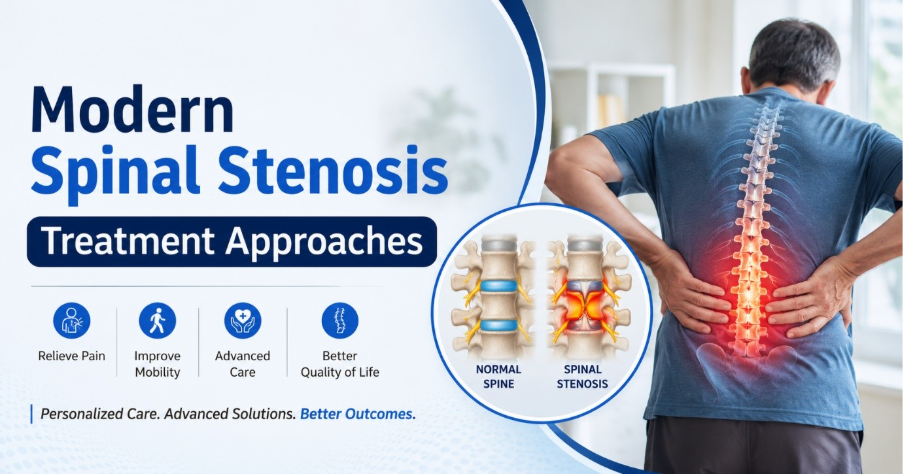
Understanding Spinal Slippage in Daily Life
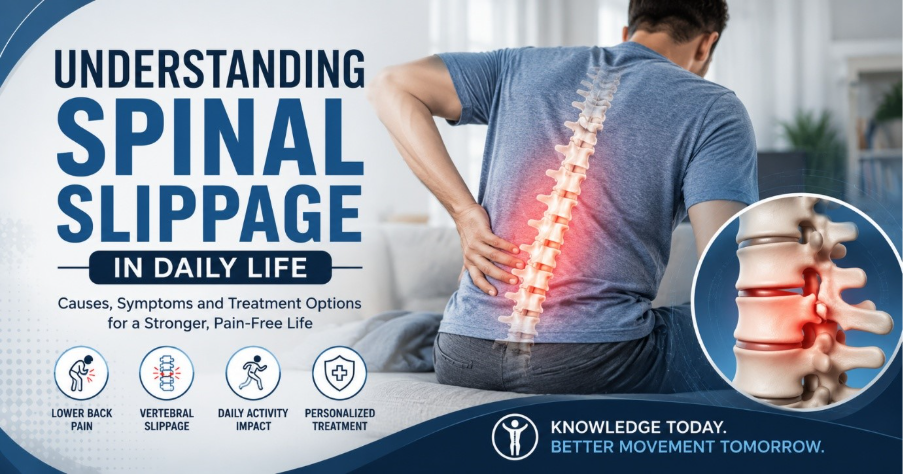
Does standing at work, walking through a store or getting out of a chair leave your lower back aching? Daily discomfort is easy to blame on poor posture or tired muscles. However, persistent pain, stiffness or leg symptoms may sometimes be linked to spondylolisthesis, a condition in which a vertebra moves out of its normal position relative to the bone below it.
Many patients first ask, what is spinal slippage, and why can it make ordinary movements uncomfortable? The answer involves spinal alignment, stability and, in some cases, pressure on nearby nerves. Spinal slippage may cause no noticeable problems in some people, while others experience lower back pain, stiffness, radiating leg pain, numbness or weakness.
Understanding spinal slippage causes and symptoms can help you recognize when ongoing discomfort deserves medical assessment. The effects are not limited to exercise. Standing, lifting, household work and walking may become more challenging when symptoms are active.
This guide explains how vertebral slippage can affect everyday life, how physicians evaluate the condition and how spinal instability treatment may be selected according to symptoms and severity.
What Is Spinal Slippage and Why Does It Happen?
To understand spondylolisthesis, picture the spine as a carefully aligned column of vertebrae. These bones work with discs, joints, ligaments and muscles to support movement. When one vertebra shifts relative to the vertebra below, spinal mechanics can change.
Spinal Slippage Causes and Symptoms Explained
Spinal slippage causes and symptoms vary because the condition can develop for different reasons. Age-related degeneration may affect discs and facet joints. A stress injury or defect in part of a vertebra may also contribute. Trauma and developmental or other structural problems are additional recognized causes.
Possible symptoms include:
- Persistent lower back pain
- Tight hamstrings or stiffness
- Pain extending into the buttocks or legs
- Tingling or numbness
- Leg weakness
- Difficulty standing or walking for extended periods
Not everyone experiences the same pattern. Clinical assessment considers symptoms, neurological findings and appropriate imaging rather than relying on pain location alone.
How Spondylolisthesis Changes Daily Movement
The impact of spondylolisthesis often becomes noticeable during repeated or prolonged movements. A short walk may feel manageable, while standing or remaining active for longer periods can increase symptoms in some patients.
Spinal Slippage During Everyday Activities
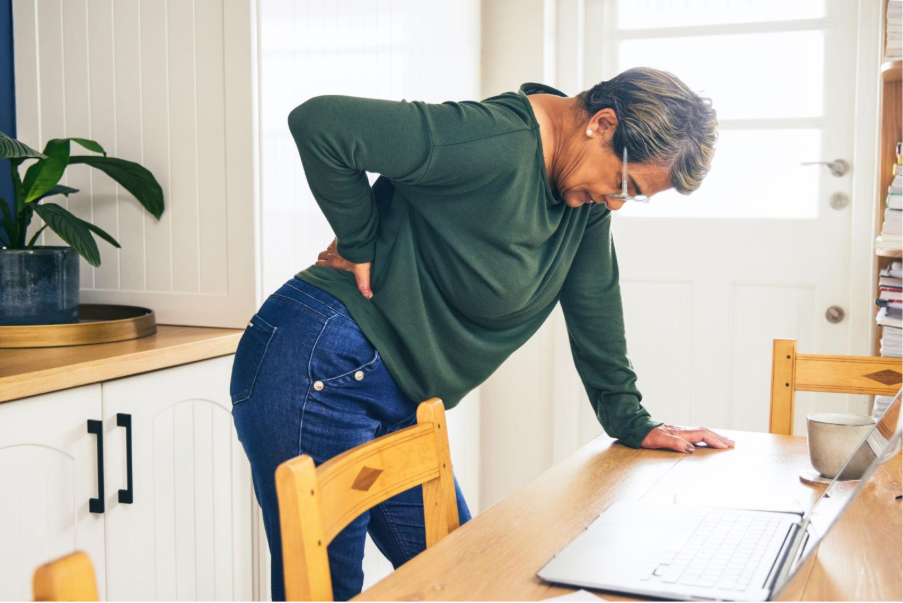
When people ask what spinal slippage is, they are often really asking why ordinary tasks suddenly feel harder.
Bending to pick up laundry, carrying groceries, climbing stairs or standing at a kitchen counter may become uncomfortable when the lower back or nearby nerves are irritated.
Daily challenges may include:
- Reduced walking tolerance
- Pain during prolonged standing
- Discomfort with repeated bending
- Difficulty lifting objects
- Interrupted daily routines
These limitations do not mean every patient should avoid movement. Carefully selected physical therapy and exercise are common parts of nonsurgical care.
Recognizing Spinal Slippage Causes and Symptoms
Back pain alone does not confirm spondylolisthesis. Muscle strain and several spinal conditions can produce similar complaints. This is why self-diagnosis based only on the location of pain can be misleading.
When Symptoms May Suggest Spinal Instability
Spinal slippage causes and symptoms deserve closer attention when discomfort persists, repeatedly returns or occurs with neurological changes.
Watch for:
- Increasing leg pain
- Persistent numbness or tingling
- Progressive weakness
- Changes in walking tolerance
- Pain significantly limiting normal activities
A physician may review medical history and perform physical and neurological examinations. X-rays can demonstrate vertebral alignment, while MRI or CT may be used when additional evaluation of nerves, soft tissues or bone is clinically appropriate.
Spinal Instability Treatment for Everyday Function
The goal of spinal instability treatment is not simply to change an imaging result. Care generally focuses on symptoms, function, neurological health and clinically important instability.
Conservative Spinal Instability Treatment Options
For many patients, initial spinal instability treatment may be nonsurgical. Cleveland Clinic notes that many people can manage pain and stiffness without surgery, while AAOS lists physical therapy, exercise and medications among nonsurgical approaches.
Treatment may include:
- Activity modification
- Physical therapy
- Core and trunk strengthening
- Flexibility exercises
- Pain or anti-inflammatory medication when appropriate
- Spinal injections in selected cases
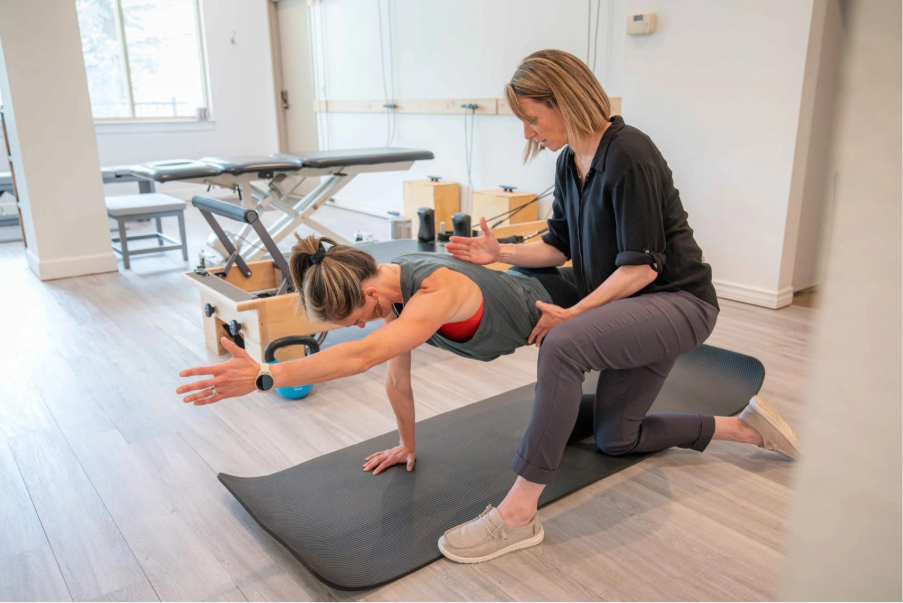
Physical therapy may focus on strengthening muscles that support the spine and improving movement patterns. Patients should avoid copying aggressive exercises simply because they are promoted online. Exercise selection should reflect the individual’s diagnosis and symptoms.
When Spondylolisthesis May Need Advanced Care
Some people continue to experience significant pain or neurological symptoms despite conservative management. High-grade slippage or progressive nerve problems may also require specialist assessment.
Advanced Spinal Instability Treatment Considerations
Advanced spinal instability treatment is selected according to the patient’s specific condition. Surgery is not automatically necessary simply because spinal slippage appears on an X-ray or MRI.
A spine specialist may consider:
- Severity and grade of vertebral slippage
- Persistent pain despite nonsurgical care
- Progressive weakness
- Neurological changes
- Nerve compression
- Significant functional limitations
When surgery is appropriate, the procedure depends on the anatomy and treatment objective. Fusion may be considered to stabilize affected vertebral levels, while decompression may be used in selected situations involving nerve pressure.

Living More Confidently with Spinal Slippage
A diagnosis can create anxiety, particularly when a medical report uses unfamiliar terminology. Learning what is spinal slippage can make conversations with a healthcare provider clearer and more productive.
Daily management may involve:
- Following a prescribed rehabilitation plan
- Using appropriate lifting techniques
- Avoiding activities that repeatedly worsen symptoms
- Taking movement breaks during prolonged sitting
- Reporting new weakness or numbness
- Attending recommended follow-up appointments
Understanding spinal slippage causes and symptoms can also help patients describe changes more accurately. Instead of saying only, “My back hurts,” explain whether the pain travels into the leg, worsens with standing or occurs with tingling or weakness.
Spondylolisthesis does not affect every person in the same way. Personalized assessment matters because daily demands, symptoms and spinal findings differ.
Conclusion
Spinal slippage can affect far more than the lower back. Walking, standing, lifting and working may become challenging when symptoms interfere with normal movement. Understanding what spinal slippage is and recognizing spinal slippage causes and symptoms can help patients seek an appropriate evaluation rather than repeatedly dismissing persistent discomfort.
Spondylolisthesis care should be individualized. Depending on the condition, spinal instability treatment may involve rehabilitation, medication, injections or surgical care.
If ongoing back pain, leg symptoms or weakness is affecting your daily routine, consider scheduling an evaluation with an experienced spine specialist. Take the first step toward better spinal health by booking a consultation to explore treatment options tailored to your symptoms and recovery goals.
Frequently Asked Questions
1. What is spinal slippage?
It describes movement of one vertebra relative to another. The medical term spondylolisthesis is commonly used for vertebral slippage.
2. Can spinal slippage affect walking?
Yes. Depending on spinal slippage causes and symptoms, back pain, leg pain, numbness or weakness may reduce walking tolerance.
3. What is the usual spinal instability treatment?
Spinal instability treatment depends on symptoms and severity. Physical therapy, activity changes, medications or injections may be considered, while selected cases may require surgery.