How Aging Affects Pain and Mobility: A Preventive Guide

Aging changes how the body moves, recovers and responds to physical stress. While some aches may become more common with age, persistent discomfort should not simply be accepted as inevitable. Understanding the connection between lifestyle and chronic pain can help people recognize habits that may contribute to symptoms and identify ways to protect mobility.
Posture and chronic pain may also interact when long periods of sitting, limited movement or poor body mechanics place extra strain on the body. With appropriate guidance, lifestyle changes to reduce chronic pain and posture correction for pain relief can support function, comfort and independence throughout the aging process.
Why Lifestyle Matters as You Age?
The relationship between lifestyle and chronic pain involves more than exercise. Daily movement, sleep, stress, weight management and activity levels can influence how the body handles discomfort.
Regular movement and exercise can help older adults manage chronic conditions while supporting their overall health and quality of life, according to the National Institute on Aging. For people with chronic pain, appropriate activity can support pain management while inactivity may contribute to a cycle of greater pain and reduced function.
This makes lifestyle changes to reduce chronic pain an important part of a broader preventive approach. The goal is not to exercise through severe pain. Activity should be appropriate for the individual’s condition and increased gradually when suitable.
Understanding Posture and Chronic Pain
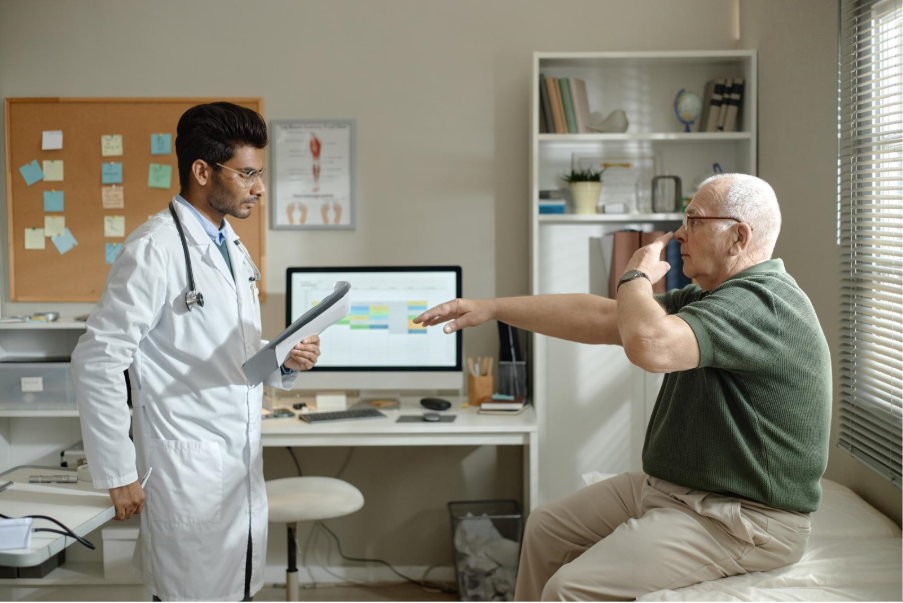
Posture and chronic pain are often discussed together because the positions we maintain for long periods can affect how muscles and joints are loaded. Sitting at a desk for hours, looking down at a device or standing in one position may contribute to discomfort in some people.
However, posture is rarely the only explanation for chronic pain. Pain can have many causes including arthritis, injuries, nerve-related conditions and spinal disorders. A persistent symptom deserves individual assessment rather than an assumption that posture is responsible.
For older adults, changes in strength, balance, flexibility and mobility can also influence how comfortable a particular position feels. Recognizing these changes can make posture correction for pain relief more purposeful.
Signs That Your Lifestyle May Need Attention
Recurring stiffness after sitting, reduced tolerance for walking, difficulty climbing stairs or discomfort that repeatedly interrupts daily activities may be useful signals to discuss with a healthcare professional.
Pain that affects sleep or causes someone to avoid normal activities should also receive attention. The National Institute on Aging notes that chronic pain can affect many areas of daily life, including sleep, work, routine activities and social interactions
These changes do not necessarily mean that a serious condition is present. They may simply indicate that it is time to review activity patterns, sleep, movement habits and other factors contributing to lifestyle and chronic pain.
Lifestyle Changes to Reduce Chronic Pain
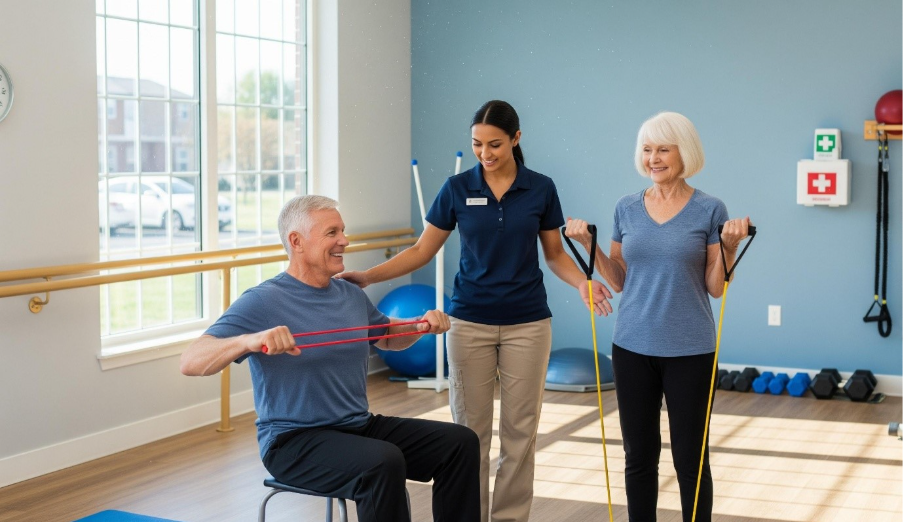
Small consistent changes can be easier to maintain than major changes made all at once. Regular movement is one of the most important areas to consider. Walking, swimming, strength exercises, balance activities or other appropriate forms of physical activity can help maintain function. Older adults can benefit from staying active through aerobic exercises, strength training and balance activities, according to the National Institute on Aging.
Sleep is another important factor. Older adults generally need about seven to nine hours of sleep each night. Establishing consistent sleep habits may support physical and mental well-being.
Stress management also deserves attention. Relaxation practices, social connection, enjoyable activities and appropriate psychological support may complement a broader chronic pain plan. Together, these lifestyle changes to reduce chronic pain can support healthier routines without making pain management dependent on one strategy.
Posture Correction for Pain Relief
Posture correction for pain relief should focus on comfortable movement rather than forcing the body into one rigid position. If you spend much of the day sitting, change positions regularly. Adjust your workstation so the chair, screen and keyboard allow a comfortable working position. Taking short movement breaks can also help reduce prolonged static positioning.
Strength and flexibility may support better movement. Physical therapists can assess movement and develop an exercise plan based on an individual’s condition, abilities and goals. For older adults living with chronic primary low back pain, the World Health Organization recognizes education and structured exercise as important non-surgical treatment approaches. Its guidance emphasizes care that considers physical, psychological and social factors rather than relying on a single intervention.
When Pain Requires Professional Evaluation
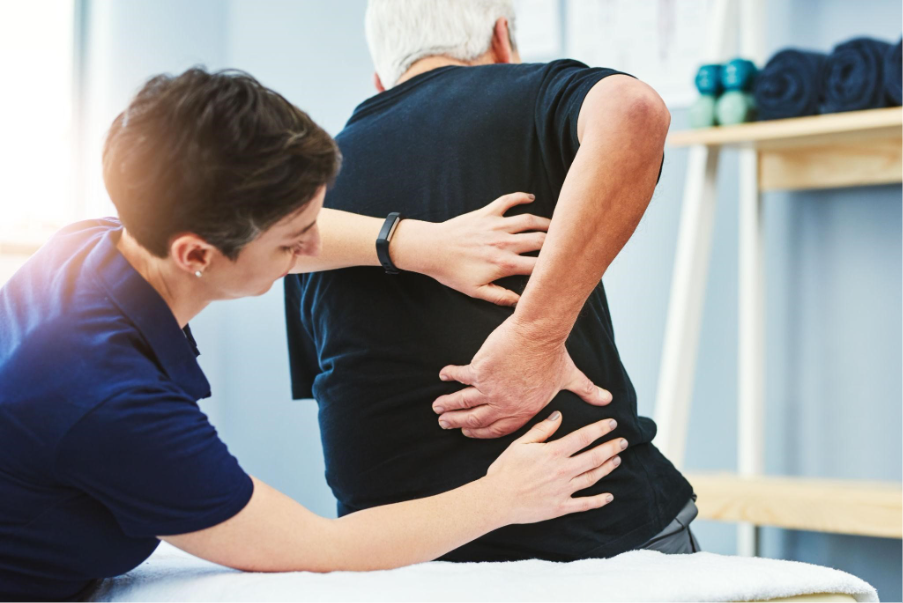
Lifestyle adjustments can support health, but they should not replace medical evaluation when pain is persistent, severe or worsening.
New or worsening symptoms such as weakness, numbness, fever, unexplained weight loss or bladder and bowel changes should not be ignored and may require prompt medical attention. Persistent pain that interferes with normal activities also deserves professional assessment.
Treatment for persistent pain varies from person to person and may include physical therapy, medications, injections, behavioural techniques or other appropriate therapies. Chronic pain management should consider symptoms, goals, medical history and functional needs. For patients seeking professional guidance, pain management care provides an opportunity to discuss persistent symptoms and possible treatment approaches.
Conclusion
Aging does not mean giving up mobility or accepting persistent pain as unavoidable. Understanding lifestyle and chronic pain can help people recognize how activity, sleep, stress and daily habits may influence their experience. Posture and chronic pain may also be connected but posture should be viewed as one part of a broader assessment.
Practical lifestyle changes to reduce chronic pain and individualized posture correction for pain relief can support movement and quality of life. When symptoms persist, professional pain management and Chronic pain management can help identify appropriate next steps.
Frequently Asked Questions
- Can lifestyle changes help chronic pain?
Yes. Appropriate physical activity, healthy sleep habits, stress management and supportive daily routines may help with function and pain management. The appropriate approach depends on the individual’s health and diagnosis.
- Can posture cause chronic pain?
Posture may contribute to discomfort in some situations, but it is rarely the only factor. Posture and chronic pain should be considered alongside other physical, medical and lifestyle factors.
- What is posture correction for pain relief?
Posture correction for pain relief involves improving comfortable movement habits, changing prolonged positions and strengthening or stretching relevant areas when appropriate. A healthcare professional can recommend strategies based on individual needs.