
Intrathecal Pain Pump: Who Is It For?
Living with severe chronic pain can affect nearly every part of daily life. When medications, physical therapy and other treatments do not provide enough relief, patients may begin exploring advanced options. Patients with persistent pain may be candidates for an intrathecal pain pump when other treatment options have not provided sufficient relief.
When other pain management approaches have not provided sufficient relief, an intrathecal pain pump may be considered for eligible patients. An implantable pain management device can provide targeted medication delivery for certain conditions. Understanding who may benefit from this therapy is an important step toward informed pain management and personalized care.
Intrathecal Pain Pump: What Patients Should Know
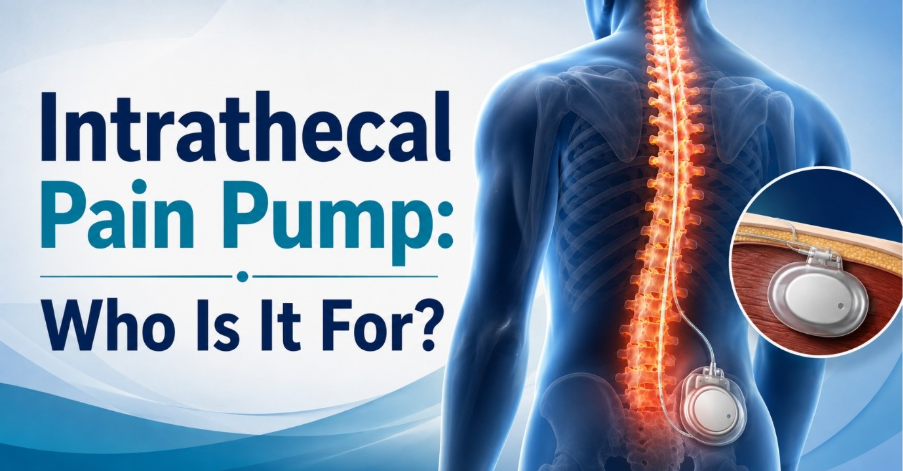
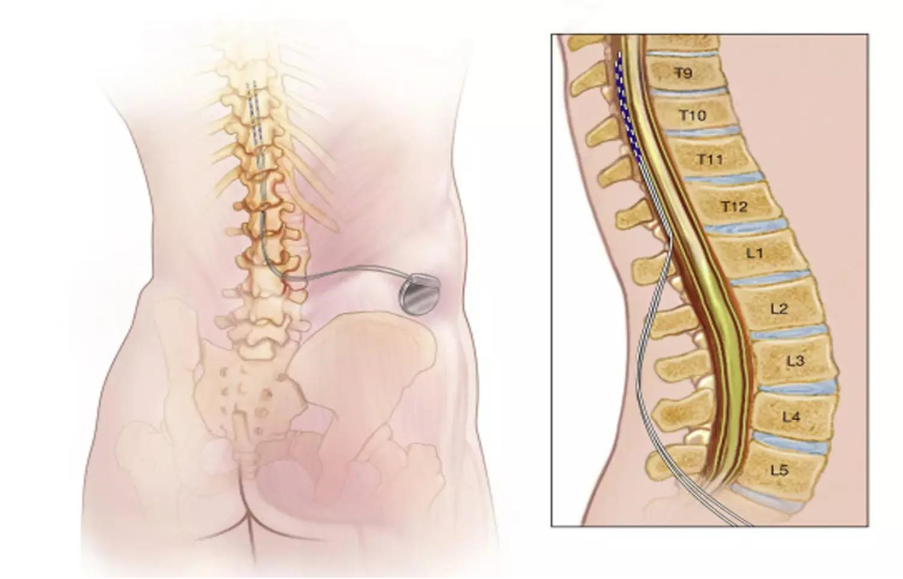
For certain patients with chronic pain, an intrathecal pain pump can deliver medication directly into the spinal fluid to provide targeted pain management. It generally consists of a programmable pump placed under the skin and a small catheter that delivers medication into the intrathecal space.
Because the medication is delivered close to the spinal cord, the treatment can use much smaller doses than some medications given orally or intravenously. However, this does not mean that a pain pump is appropriate for everyone. Careful evaluation and ongoing follow-up are essential.
Who May Be a Candidate?
An intrathecal pain pump may be considered for people experiencing severe long-term pain or spasticity that has not responded adequately to other treatments.
According to Johns Hopkins Medicine, potential candidates may have tried approaches such as pain medication, physical therapy and relaxation techniques without achieving sufficient relief.
Persistent Pain That Affects Daily Life
Chronic pain can interfere with sleep, mobility, work and personal activities. When pain remains difficult to control despite appropriate treatment, an implantable pain management device may become one option for discussion with a pain specialist.
The decision should focus on more than pain intensity. Functional limitations and how symptoms affect quality of life are also important considerations.
Certain Nerve-Related Conditions
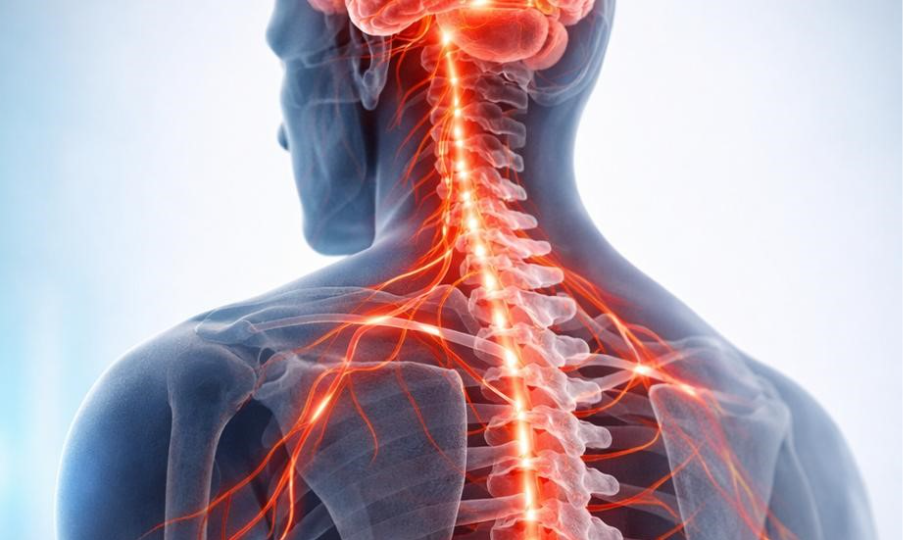
Some patients experience nerve problems that produce burning, shooting or persistent pain. Intrathecal therapy may be considered in selected cases involving nerve-related pain or other complex pain conditions.
A pain medicine or nerve specialist can assess your symptoms, identify potential nerve involvement and guide you toward the right treatment approach.
When Other Treatments Have Not Been Enough
Pain pump therapy for chronic pain is generally not the first treatment considered. Physicians typically evaluate fewer invasive options before recommending an implanted therapy.
Depending on the cause of pain, treatment may include physical therapy, medication, injections or other interventions. For some patients, an intrathecal medication trial may be performed before permanent implantation. The trial can help determine whether the medication provides meaningful relief and can help guide treatment decisions.
How Is an Implantable Pain Management Device Used?
An implantable pain management device requires a surgical procedure. The implanted pump is positioned under the skin, with a catheter carrying medication into the intrathecal space.
After implantation, the device requires regular medical follow-up. Medication delivery can be customized through programming, allowing the dose to be adjusted based on the patient’s needs and response. Refills are also required periodically. This ongoing management is an important consideration for anyone thinking about pain pump therapy for chronic pain.
What Conditions May Be Treated?
An intrathecal pain pump may be used for selected cases of severe chronic pain or spasticity. Conditions discussed by Johns Hopkins include certain cancer-related pain conditions, persistent back or neck pain, pain following surgery, complex regional pain syndrome and some nerve-related pain.
The suitability of treatment depends on the individual’s diagnosis and previous treatment history. An implantable pain management device should never be viewed as a universal solution for chronic pain.
Why Personalized Pain Management Matters?
Effective pain management begins with understanding why the pain occurs. Muscle pain may require a different strategy from nerve pain. Simply increasing muscle pain medication may not address symptoms caused by nerve irritation or another underlying condition.
Likewise, muscle pain relief strategies may not be appropriate for every type of chronic pain. A comprehensive evaluation can help identify the source of symptoms and determine whether conservative or advanced treatment is appropriate. Patients interested in discussing chronic pain options can explore pain management care as part of their search for individualized treatment.
Conclusion
Patients with severe persistent pain may be considered for an intrathecal pain pump as part of an advanced pain management plan. Pain pump therapy for chronic pain can provide targeted medication delivery when other appropriate approaches have not produced adequate relief. An implantable pain management device is not suitable for everyone and requires specialist evaluation, careful patient selection and ongoing follow-up.
For people dealing with Chronic pain management challenges, understanding available options can make conversations with a healthcare professional more productive. Whether symptoms involve nerve problems, muscle pain or another condition, personalized pain management remains central to finding an appropriate path toward better function and meaningful pain relief.
Frequently Asked Questions
- Who is a good candidate for an intrathecal pain pump?
Patients with severe persistent pain or spasticity that has not responded adequately to other treatments may be considered. A specialist evaluates symptoms, previous treatments and overall health before making a recommendation.
- Is pain pump therapy for chronic pain a first-line treatment?
Generally, no. Pain pump therapy for chronic pain is typically considered after other appropriate approaches have not provided sufficient relief. Patient selection is an important part of treatment.
- Does an implantable pain management device require follow-up?
Yes. An implantable pain management device requires ongoing medical care for programming, medication adjustments and refills.