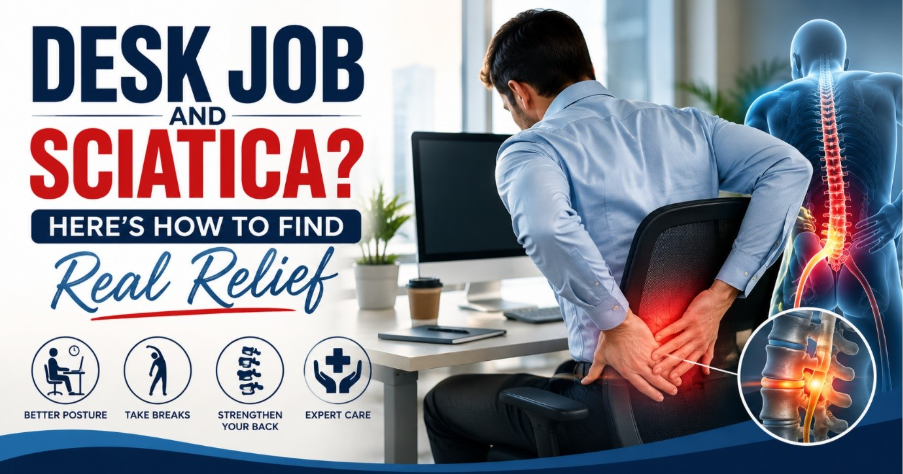
Desk Job and Sciatica? Here’s How to Find Real Relief 

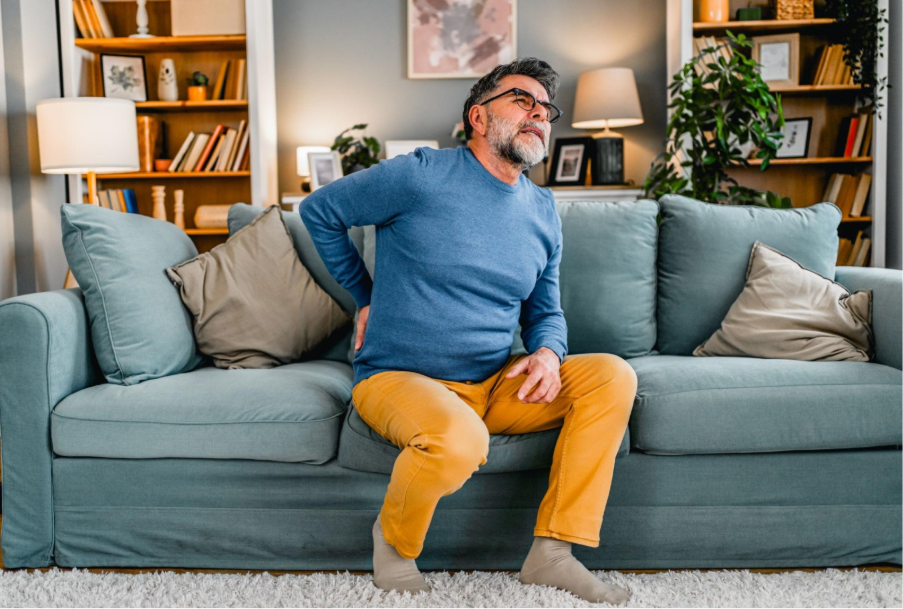
For millions of professionals, a typical workday involves sitting at a desk for six to ten hours. While modern office jobs may seem physically demanding, prolonged sitting places significant stress on the lower back, hips and spine. Over time, poor posture, inadequate ergonomic support and limited movement can contribute to one of the most common causes of radiating leg pain-sciatica pain from sitting. 

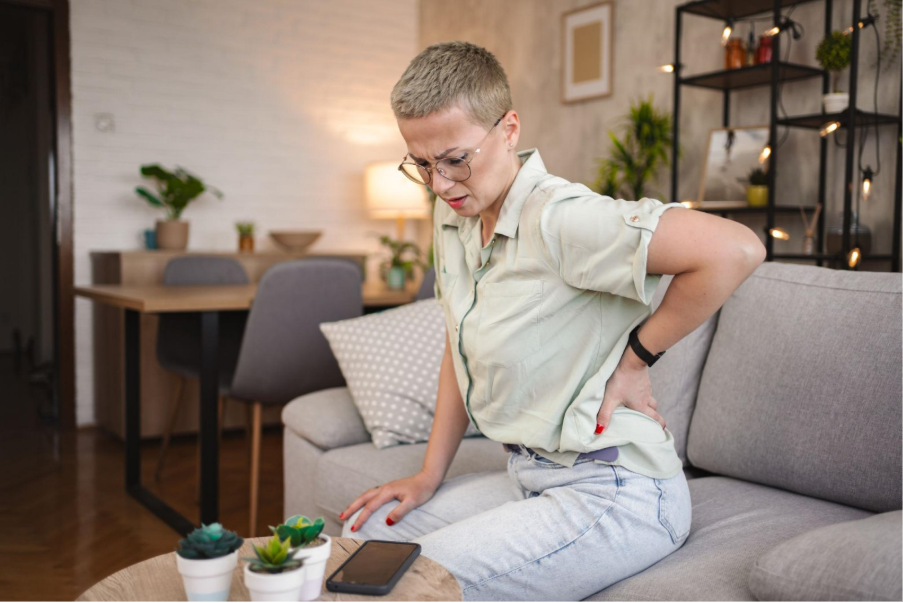
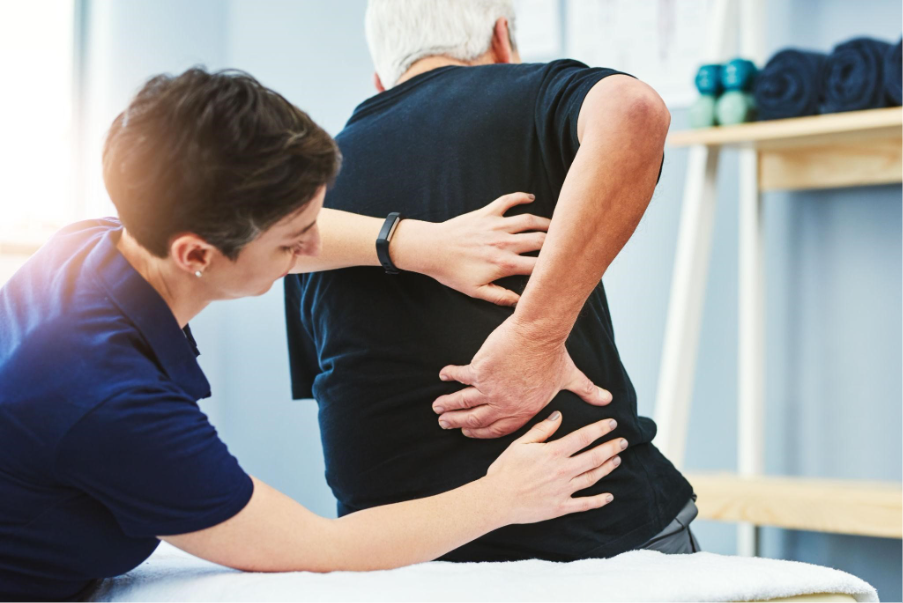
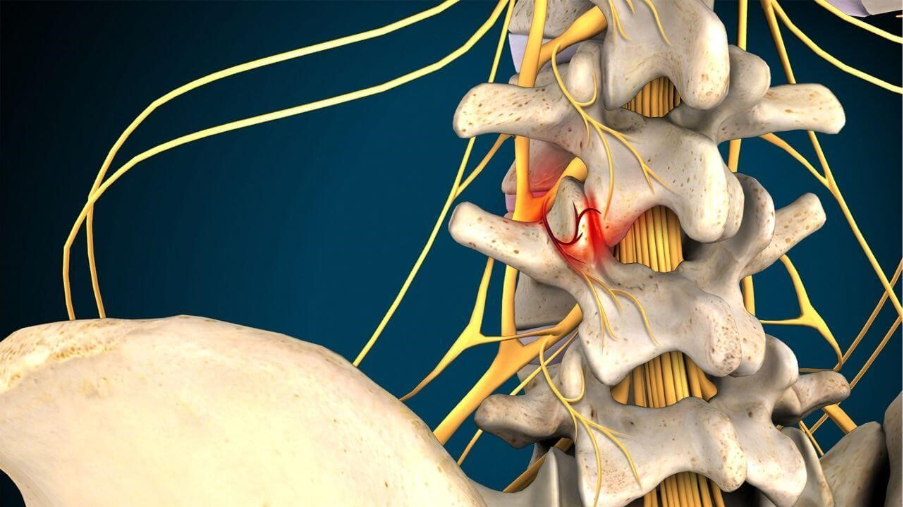
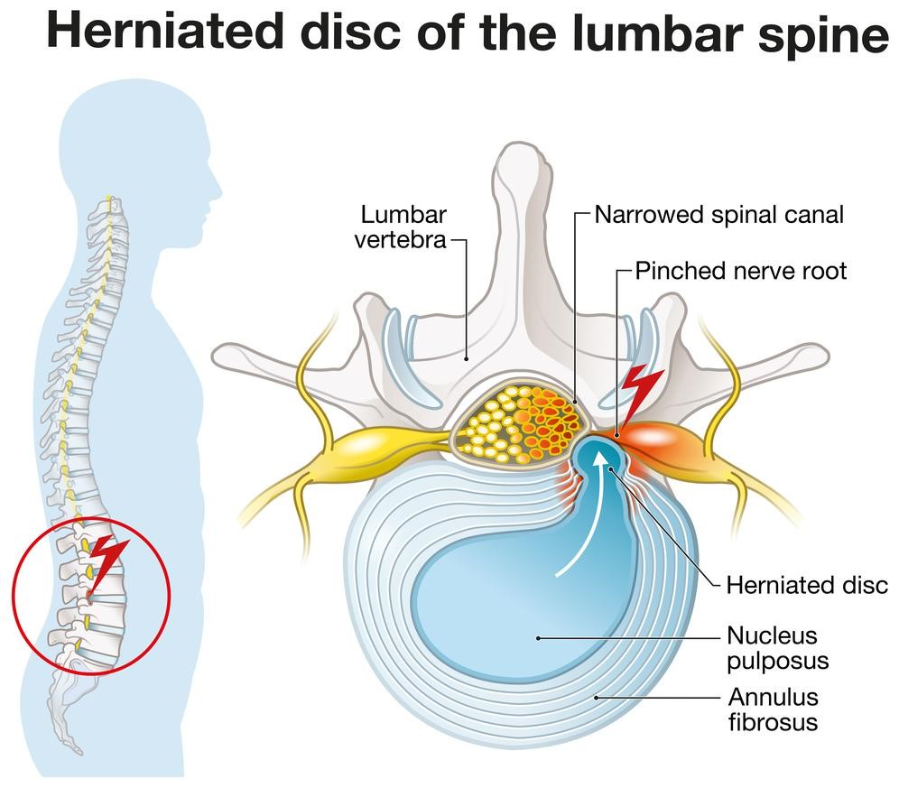
A compressed or irritated sciatic nerve may trigger sciatica, causing discomfort that begins in the lower back and spreads along the path of the nerve into the leg. The resulting symptoms often include lower back pain, burning sensations, numbness, tingling or pain that travels from the buttock down the leg. For office workers, prolonged sitting can worsen these symptoms, making even routine daily activities uncomfortable. 

Fortunately, sciatica doesn’t have to become a permanent part of your work life. With early intervention, lifestyle adjustments, proper ergonomics, targeted therapies and expert medical care, many people experience significant improvement without surgery. 

Dr. Rodolfo Gari, MD, specializes in comprehensive pain management and believes that identifying the underlying cause of sciatica is essential for achieving long-term relief. Through personalized treatment plans and minimally invasive pain management techniques, he helps patients return to work and daily activities with greater comfort and mobility. 

In this guide, you’ll learn why prolonged sitting contributes to sciatica, practical strategies for reducing pain during the workday and the most effective treatment options available. 

What Causes Sciatica Pain from Sitting? 

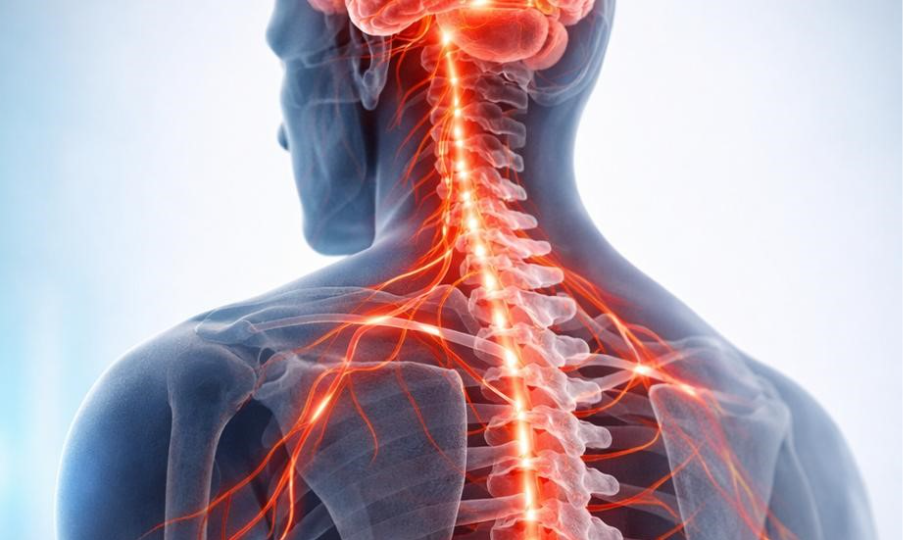
Beginning in the lower spine, the sciatic nerve extends through the hips and into the legs, earning its place as the longest nerve in the human body. For office workers, prolonged sitting increases pressure on the lumbar spine and surrounding muscles, especially when posture is poor. 

Common causes include: 

  • Herniated discs  
  • Degenerative disc disease  
  • Piriformis syndrome  
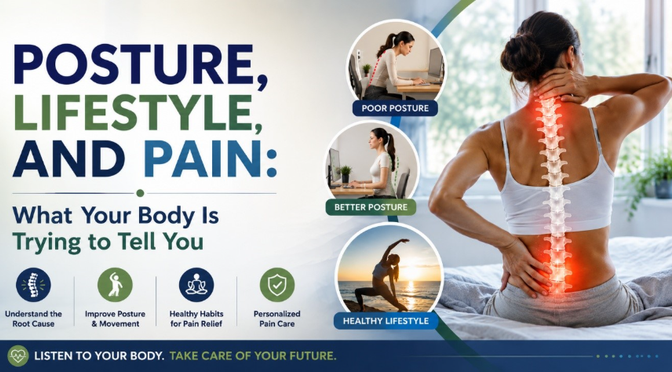
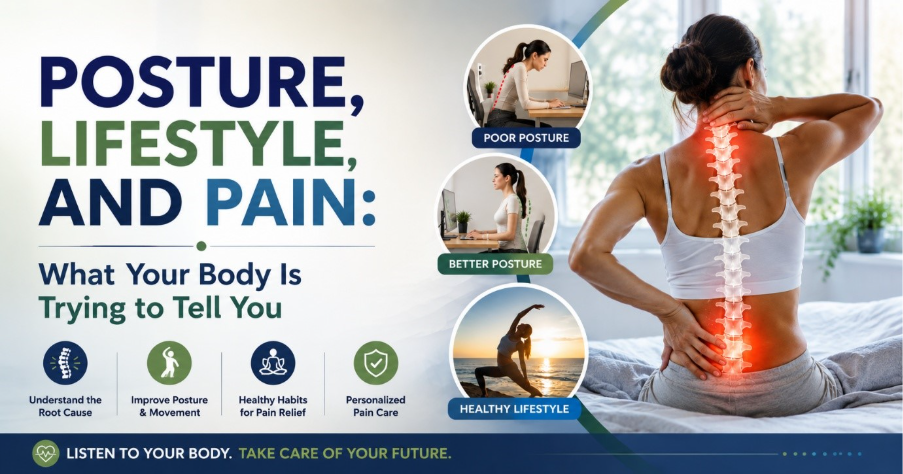
  • Poor posture  
  • Weak core muscles  
  • Extended periods of sitting without movement  

Remaining seated for hours at a time reduces blood circulation, tightens hip muscles, and increases pressure on spinal discs, making sciatica pain from sitting progressively worse. 

Signs That Your Desk Job May Be Triggering Sciatica 

Sciatica symptoms vary from person to person, but several warning signs are common among office workers. 

These include: 

  • Pain extending from the lower back into the buttock and down the leg 
  • Persistent tingling or numbness in the calf or foot 
  • Burning sensations along the sciatic nerve  
  • Discomfort that becomes more noticeable after sitting for too long 
  • Difficulty standing after prolonged sitting  
  • Weakness in one leg  
  • Reduced mobility  

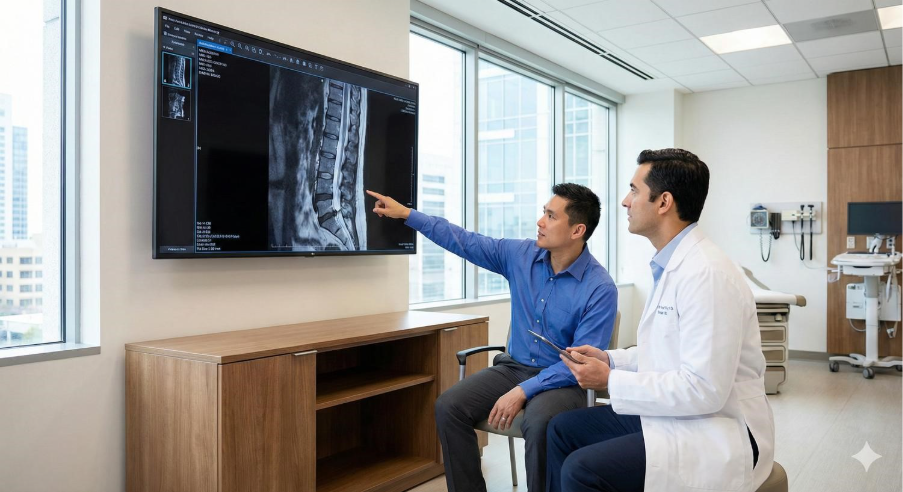
If symptoms continue despite stretching or rest, it’s important to seek a professional evaluation before nerve irritation worsens. 

Why Sitting Makes Sciatica Worse? 

Sitting may appear restful, but it places considerable stress on the lower spine. 

  • Increased Disc Pressure 

Research shows that sitting often creates greater pressure on spinal discs than standing or walking. 

  • Tight Hip Flexors 

Long periods of sitting shorten hip muscles, increasing tension around the pelvis and lower back. 

  • Reduced Circulation 

Remaining in one position decreases blood flow to muscles supporting the spine. 

  • Poor Posture 

Slouching or leaning forward increases spinal compression and places additional strain on the sciatic nerve. These factors explain why many professionals experience worsening symptoms throughout the workday. 

How to Relieve Sciatica While Sitting? 

Although avoiding sitting altogether isn’t practical, several simple strategies can reduce discomfort. 

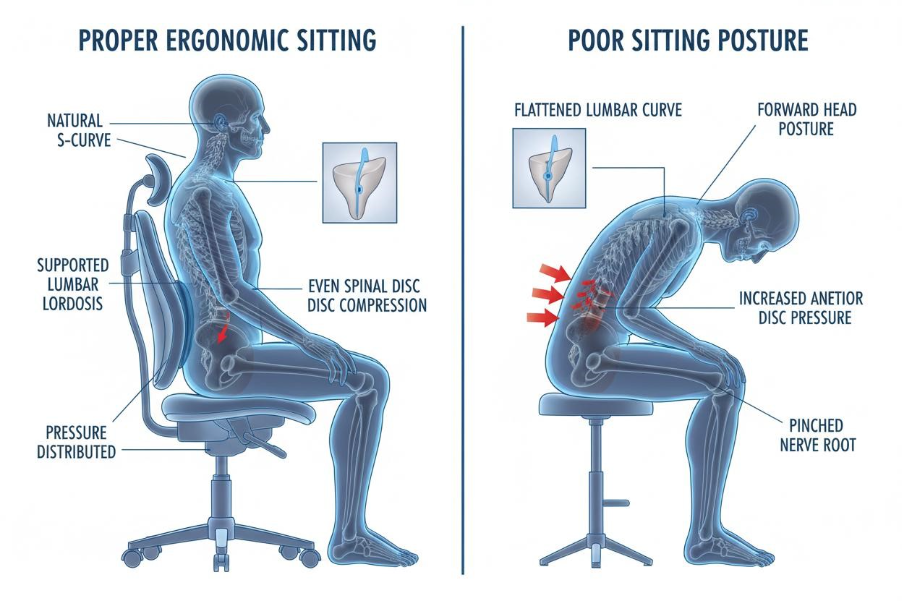
Improve Your Ergonomics 

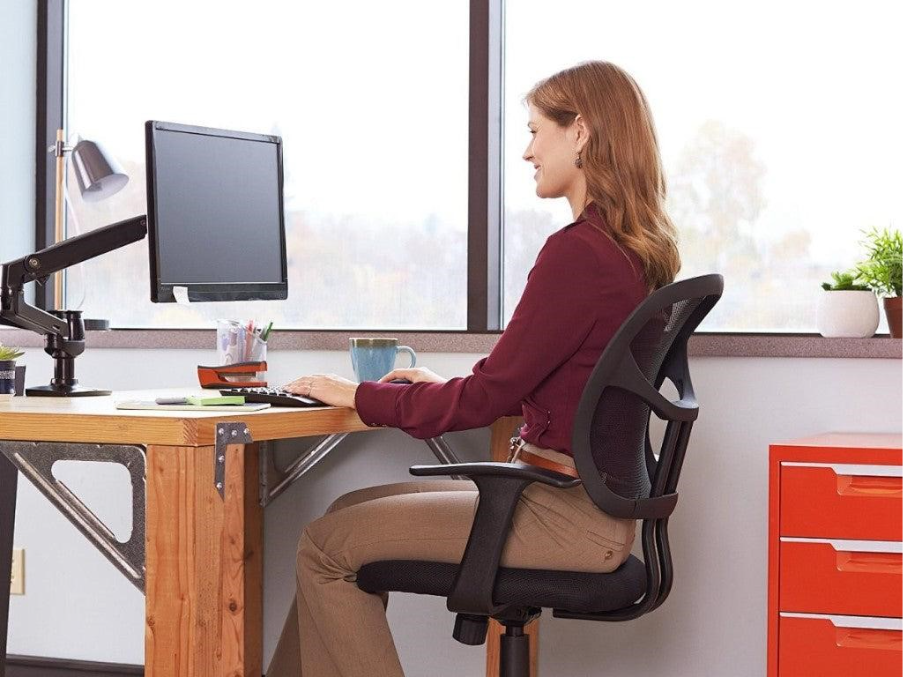
Adjust your workstation so: 

  • Feet rest flat on the floor  
  • Knees remain level with hips  
  • Lower back receives adequate support  
  • Monitor sits at eye level  
  • Elbows remain close to the body  


Move Throughout the Day 

Avoid sitting for long periods by standing, stretching or talking for a few minutes every 30–60 minutes. 

Regular movement reduces pressure on spinal discs and improves circulation. 

Use Proper Sitting Posture 

Maintain a neutral spine while avoiding slouching or crossing your legs. 

Stretch Throughout the Day 

Gentle stretches targeting the hips, hamstrings and lower back help relieve muscle tension surrounding the sciatic nerve. 

These simple habits provide effective desk job sciatica relief for many individuals. 

Lifestyle Changes That Help Prevent Sciatica 

Adopting simple preventive habits can help protect against recurring symptoms and promote better overall health. 

Healthy habits include: 

  • Regular Exercise 

Walking, swimming and low-impact strengthening exercises improve spinal stability. 

  • Core Strengthening 

Strong abdominal and back muscles provide better spinal support. 

  • Maintain a Healthy Weight 

Staying at a healthy weight helps protect the spine by reducing pressure and minimizing stress on the back muscles and joints. 

  • Quality Sleep 

Sleeping on a supportive mattress helps reduce spinal stress overnight. 

These long-term strategies complement professional sciatica treatment for office workers

When Should You See a Pain Management Specialist? 

Occasional discomfort may improve with self-care, but persistent symptoms require medical evaluation. 

Consult a specialist if you experience: 

  • Pain lasting more than several weeks  
  • Increasing numbness  
  • Leg weakness  
  • Difficulty walking  
  • Severe pain affecting work  
  • Symptoms that interfere with sleep  

Early diagnosis often prevents chronic nerve damage and improves treatment outcomes. 

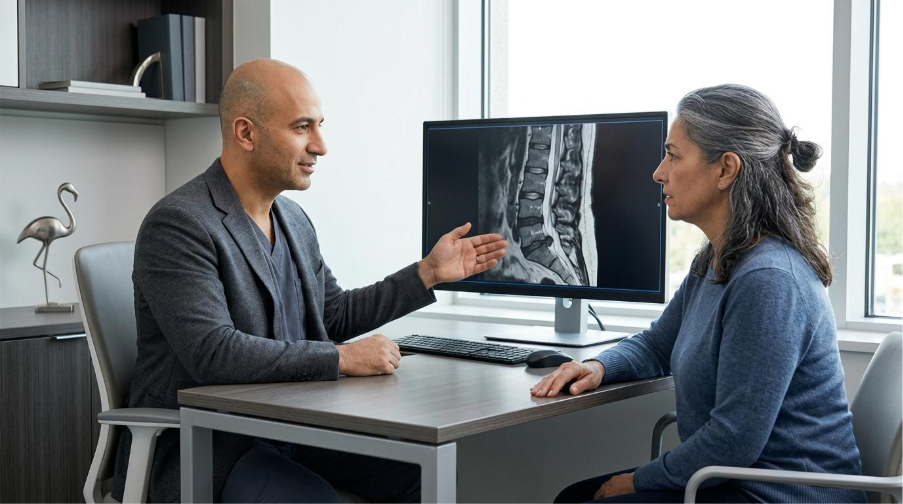
Patients seeking comprehensive pain evaluations benefit from identifying the exact source of sciatic nerve irritation before symptoms worsen. 

Advanced Sciatica Treatment Options 

Every patient’s condition is different. 

Dr. Rodolfo Gari develops individualized treatment plans based on each patient’s diagnosis and lifestyle. 

Treatment options may include: 

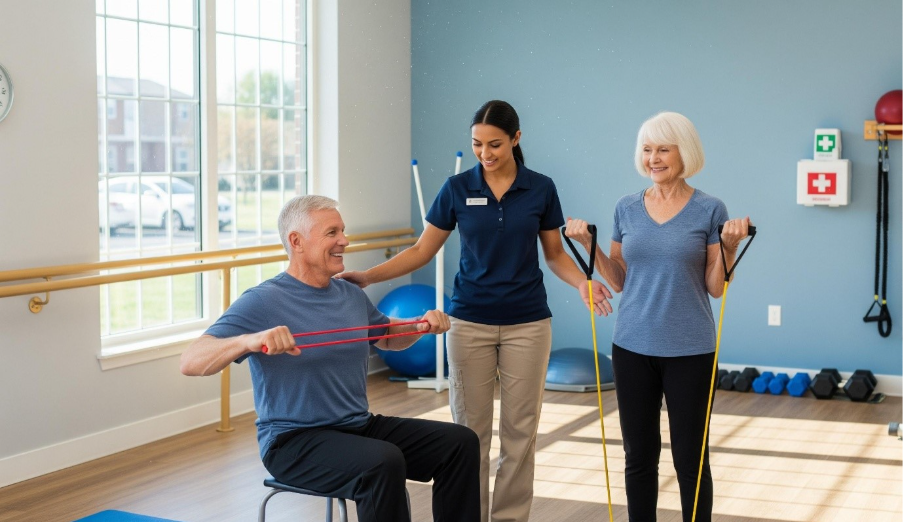
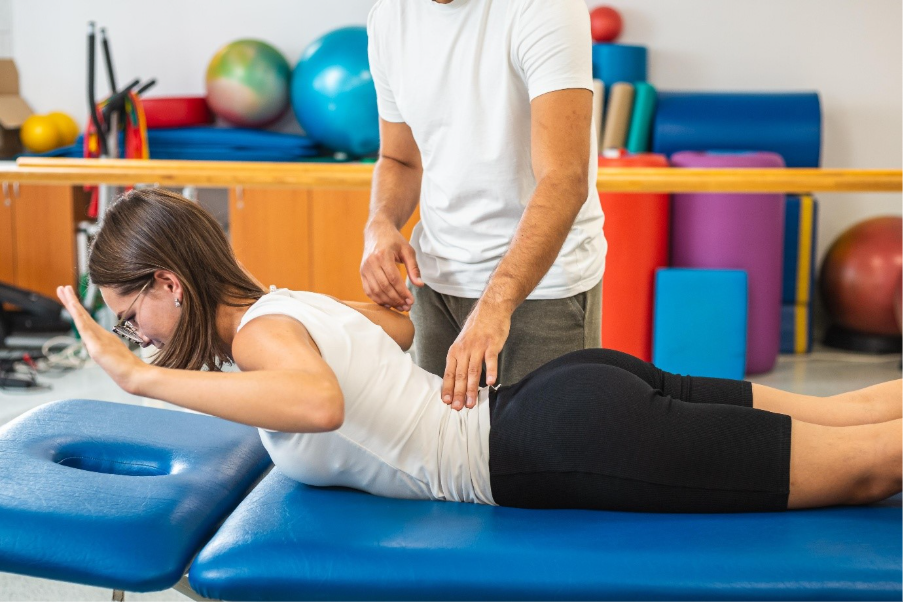
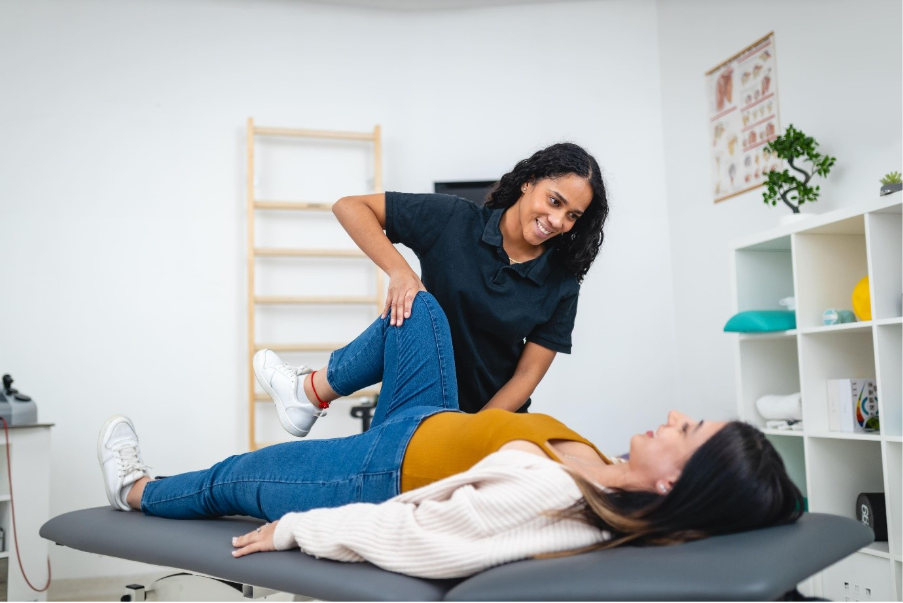
  • Physical Therapy 

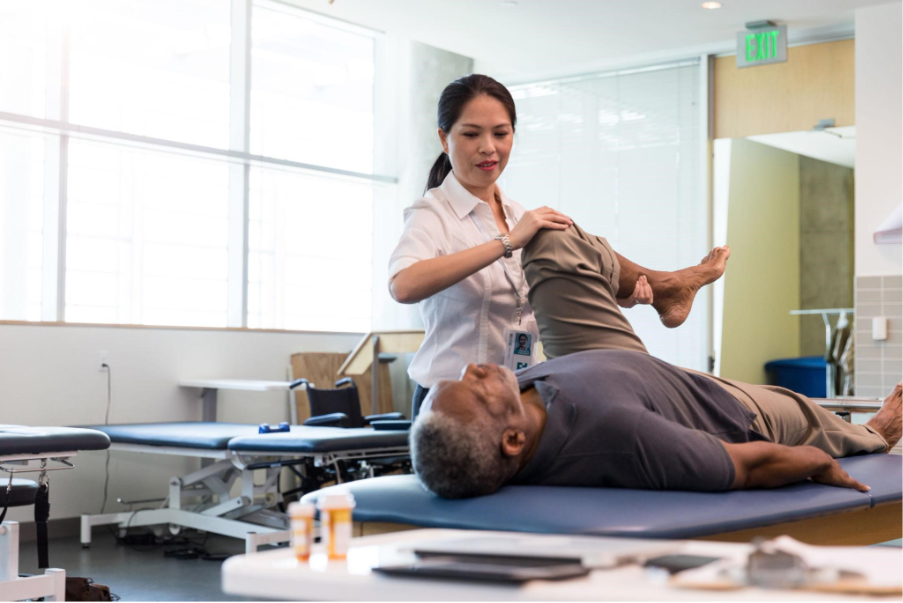
Targeted rehabilitation improves flexibility, posture and strength. 

  • Image-Guided Injections 

Minimally invasive injections help reduce inflammation surrounding irritated nerves. 

  • Medication Management 

Appropriate medications may help control inflammation and discomfort. 

  • Personalized Pain Management 

Comprehensive treatment addresses both immediate symptoms and long-term recovery. 

Patients exploring minimally invasive pain management treatments often find these therapies effective in restoring function without major surgery. 

How Dr. Rodolfo Gari Helps Office Workers Find Lasting Relief? 

Dr. Rodolfo Gari believes successful pain management begins with understanding each patient’s daily routine. 

He takes a comprehensive approach to sciatica by identifying the root cause of sciatic nerve irritation and creating personalized treatment plans that help patients achieve lasting recovery. 

Patients receive: 

  • Comprehensive Evaluations 

Thorough diagnostic assessments identify the exact source of pain. 

  • Individualized Care Plans 

Treatment recommendations are customized for each patient’s condition and work environment. 

  • Minimally Invasive Solutions 

Whenever appropriate, non-surgical options are prioritized to reduce pain and improve mobility. 

  • Long-Term Prevention 

Patients receive education on posture, ergonomics, stretching and lifestyle changes to reduce future flare-ups. This comprehensive approach helps many professionals return to comfortable, productive work. 

Conclusion 

Long hours at a desk don’t have to mean living with chronic back and leg pain. Understanding the causes of sciatica pain from sitting, maintaining proper workplace ergonomics, taking regular movement breaks and seeking early treatment can help office workers manage symptoms and improve their overall well-being. 

Dr. Rodolfo Gari combines advanced diagnostics, personalized treatment plans and minimally invasive pain management techniques to help patients achieve lasting relief and regain their mobility. 

If persistent sciatica is affecting your work or daily activities, professional evaluation can help identify the right treatment before symptoms become more severe. Book an appointment today. 

Frequently Asked Questions 

1. Can sitting all day cause sciatica? 

Long hours of sitting can compress the lower spine and place additional pressure on the sciatic nerve, particularly when posture and ergonomics are not ideal. Over time, this may contribute to or worsen sciatica symptoms. 

2. What is the best way to relieve sciatica while sitting at work? 

Using an ergonomic chair, maintaining proper posture, taking regular movement breaks, stretching throughout the day and adjusting your workstation can help reduce sciatica discomfort while sitting. 

3. When should I seek medical treatment for sciatica? 

Persistent or worsening sciatica should not be ignored. If your symptoms last for several weeks, cause numbness or weakness or interfere with your daily life, consult a pain management specialist. 

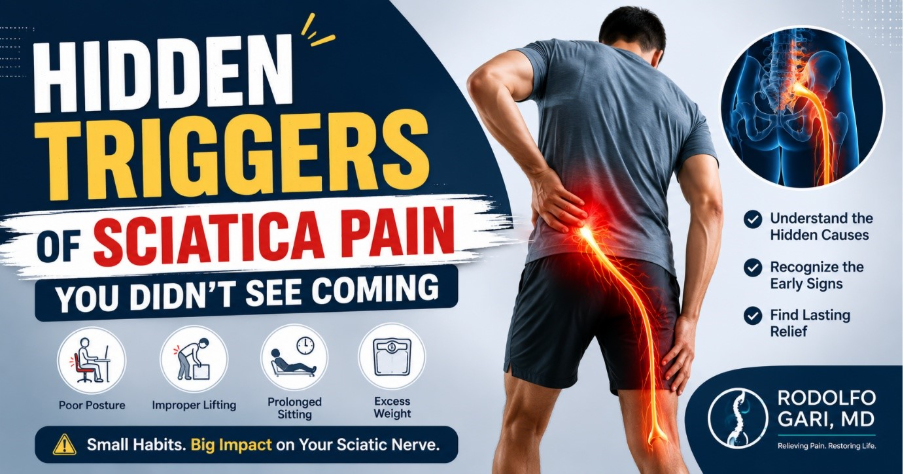
Hidden Triggers of Sciatica Pain You Didn’t See Coming 

Sciatica is one of the most common causes of radiating leg pain, affecting millions of people worldwide. While many people associate sciatica with a herniated disc or heavy lifting, the reality is that numerous hidden factors can irritate the sciatic nerve without you even realizing it. These overlooked causes may gradually worsen symptoms, making everyday activities like sitting, walking or sleeping increasingly uncomfortable. 

Understanding sciatica pain triggers is the first step toward preventing flare-ups and seeking the right treatment. From poor posture and prolonged sitting to lifestyle habits and underlying medical conditions, several unexpected factors can contribute to sciatic nerve irritation. 

What Is Sciatica? 

Pressure or irritation affecting the sciatic nerve can lead to sciatica, resulting in pain, numbness, tingling and weakness that radiate from the lower back through the buttock and down one or both legs. This can cause pain, tingling, numbness and weakness that may travel down the affected leg. 

Unlike general lower back pain, sciatica usually affects only one side of the body and may cause: 

  • Sharp or burning pain  
  • Tingling sensations  
  • Numbness  
  • Muscle weakness  
  • Pain that radiates down the leg  

Recognizing these sciatic nerve pain symptoms early allows patients to seek timely evaluation and prevent further nerve irritation. 

Common Symptoms That Shouldn’t Be Ignored 

Sciatica symptoms vary according to the severity and location of nerve compression. They can include mild pain, discomfort or severe symptoms that limit mobility and interfere with daily activities. Some patients experience mild discomfort, while others struggle with severe pain that limits daily activities. 

Pain That Travels Down the Leg 

One of the most common symptoms of sciatica is pain that starts in the lower back or buttock and radiates through the thigh and calf, sometimes extending into the foot. 

This pain often worsens when sitting for long periods, coughing or bending forward. 

Tingling and Numbness 

Many individuals notice pins-and-needles sensations or numbness along the affected leg. These symptoms indicate that the sciatic nerve is under pressure and should not be ignored if they become persistent. 

Muscle Weakness 

If the pressure on the sciatic nerve increases, you may notice weakness in your leg or foot, making everyday activities like walking or climbing stairs more difficult. Seek urgent medical care if you lose control of your bladder or bowels, as this could be a sign of a serious condition. 

Hidden Sciatica Pain Triggers You May Overlook 

While disc problems are well-known causes of sciatica, many everyday habits can quietly contribute to nerve irritation. 

Prolonged Sitting 

One of the most underestimated sciatica pain triggers is sitting for extended periods. 

Whether you’re working at a desk, driving long distances or spending hours watching television, prolonged sitting places increased pressure on the lower spine and surrounding muscles. Over time, this added stress may irritate the sciatic nerve and worsen symptoms. 

Taking short walking breaks every 30 to 60 minutes and maintaining proper posture can significantly reduce spinal strain. 

Poor Posture 

Slouching while sitting or standing changes the natural alignment of the spine. Poor posture increases pressure on the lumbar discs and surrounding muscles, creating conditions that may contribute to sciatic nerve irritation. 

Simple ergonomic improvements-such as adjusting your workstation, using supportive seating and keeping your shoulders relaxed-can make a meaningful difference in preventing discomfort. 

Carrying Heavy Bags Incorrectly 

Many people regularly carry heavy backpacks, handbags or shoulder bags without realizing the strain they place on the lower back. 

Uneven weight distribution can alter posture and increase pressure on the spine, potentially contributing to hidden causes of sciatica over time. 

Whenever possible, distribute weight evenly and avoid carrying excessively heavy bags for prolonged periods. 

Tight Hip and Hamstring Muscles 

Muscle tightness is another overlooked factor that may increase pressure around the pelvis and lower back. 

Limited flexibility in the hips and hamstrings changes movement patterns, placing additional stress on the lumbar spine and potentially irritating the sciatic nerve. 

Regular stretching, strengthening exercises and maintaining an active lifestyle can improve flexibility while reducing the likelihood of future flare-ups. 

Lifestyle Habits That Can Worsen Sciatica 

Many daily habits contribute to spinal stress without causing immediate symptoms. Over time, however, these behaviors may increase the risk of developing sciatica or making existing symptoms worse. 

Physical Inactivity 

If you spend too much time sitting and don’t exercise regularly, your back and core muscles can become weaker, making sciatica more likely. Reduced core strength places greater stress on the lower back, increasing the likelihood of nerve compression. 

Low-impact activities such as walking, swimming and physician-approved stretching exercises can improve spinal stability and reduce discomfort. 

Improper Lifting Techniques 

Lifting with your back instead of your legs can strain your lower back and irritate the sciatic nerve. Using the correct lifting posture helps protect your spine and reduce the risk of sciatica. While lifting or carrying excessive weight can place sudden pressure on the lumbar spine, increasing the risk of disc injuries and sciatic nerve irritation. 

Practicing proper lifting techniques and avoiding sudden, awkward movements can help protect your spine and reduce the risk of injury. 

Other Hidden Causes of Sciatica 

While a herniated disc is a common cause of sciatica, it is not the only one. Common medical conditions and lifestyle habits can compress or irritate the sciatic nerve, resulting in persistent or recurring sciatica pain. 

Excess Body Weight 

Excess body weight places added pressure on the lower back and spinal discs, increasing the risk of sciatic nerve compression. Making small, healthy lifestyle changes can have a lasting impact. Looking after your diet and staying physically active can help keep excess weight off, reduce pressure on your spine, ease sciatica pain and keep your back healthy in the long run. 

Stress and Muscle Tension 

While emotional stress does not directly cause sciatica, it can contribute to muscle tension in the lower back and hips, which may increase pressure on the sciatic nerve and make sciatica pain more noticeable Managing stress through relaxation techniques, regular exercise and adequate sleep may help reduce muscle tension, relieve discomfort and support overall spinal health. Incorporating stress-management techniques such as mindfulness, stretching or light exercise may help ease muscle tension and improve overall well-being. 

When Should You See a Doctor? 

Although mild sciatica may improve with rest and conservative care, persistent or worsening symptoms should never be ignored. 

Seek medical attention if you experience: 

  • Pain lasting longer than several weeks  
  • Severe leg weakness  
  • Increasing numbness or tingling  
  • Difficulty walking or standing  
  • Pain that interferes with daily activities  
  • Loss of bladder or bowel control is a medical emergency and requires immediate medical attention. 

Simple lifestyle habits, such as eating well and staying active, can make a real difference by reducing strain on your spine, easing sciatica symptoms and supporting long-term spinal health, mobility and back strength. 

Treatment Options for Sciatica 

The right treatment depends on the severity of your symptoms and the underlying cause of nerve irritation. After a comprehensive evaluation, your physician may recommend one or more of the following: 

  • Physical therapy to improve strength and flexibility  
  • Anti-inflammatory medications to reduce pain and swelling  
  • Lifestyle modifications, including posture correction and ergonomic adjustments  
  • Targeted stretching and exercise programs  
  • Image-guided injections for persistent nerve inflammation  

Understanding what’s causing your sciatica allows your healthcare provider to create a treatment plan that reduces pain, treats the root cause and helps you return to your normal activities. 

You can also visit our educational section on sciatica treatment and pain management to learn more about available care options. 

Preventing Future Sciatica Flare-Ups 

While not every case of sciatica can be prevented, healthy lifestyle habits can significantly lower your risk of recurring symptoms. 

Helpful prevention strategies include: 

  • Maintaining good posture while sitting and standing  
  • Exercising regularly to strengthen your core muscles  
  • Stretching your hips and hamstrings frequently  
  • Taking breaks during prolonged sitting  
  • Using proper lifting techniques  
  • Maintaining a healthy body weight  

Making small, healthy lifestyle changes each day can help protect your spine, reduce sciatica pain triggers and support long-term back health. 

Conclusion 

Many people assume that sciatica develops suddenly, but the condition often results from a combination of hidden lifestyle habits, spinal changes and underlying health conditions. By understanding the common causes and hidden triggers of sciatica, recognising early symptoms and seeking timely treatment, you can reduce pain, protect your spine and support long-term spinal health. 

Find Lasting Relief from Sciatica PainIf you’re experiencing persistent leg pain, numbness, or lower back discomfort, don’t wait for your symptoms to worsen. Contact Rodolfo Gari, MD today to schedule a consultation and receive a personalized evaluation. Our caring team works to find the cause of your sciatica and create a personalised treatment plan to ease your pain, help you move comfortably and improve your everyday life. 

Frequently Asked Questions 

1. What are the most common sciatica pain triggers? 

Common sciatica pain triggers include prolonged sitting, poor posture, improper lifting techniques, tight muscles, excess body weight and spinal conditions such as herniated discs and spinal stenosis

2. What causes sciatica pain to flare up unexpectedly? 

Sciatica flare-ups can occur due to sudden movements, improper lifting, extended periods of sitting, muscle tension or worsening compression of the sciatic nerve. 

3. When should I seek medical treatment for sciatica? 

If your sciatica pain doesn’t improve after a few weeks, becomes more severe, causes weakness or numbness in your leg, or makes everyday tasks difficult, consult a healthcare provider. 

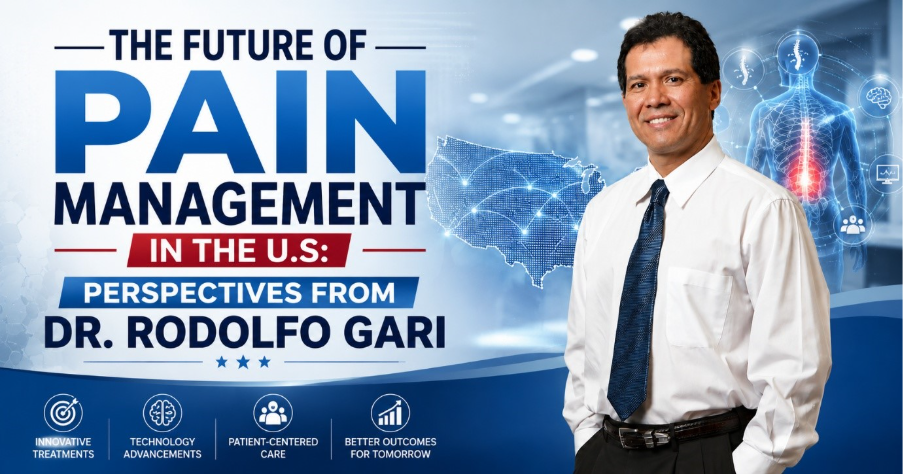
The Future of Pain Management in the U.S: Perspectives from Dr. Rodolfo Gari 

What if pain care could move beyond repeatedly treating symptoms and become more precise, personalized and focused on restoring everyday function? The future of pain management USA is increasingly shaped by this question as physicians explore new medications, targeted procedures, neuromodulation and technology-supported care. 

The need is significant. According to the CDC, 24.3% of U.S. adults experienced chronic pain in 2023, and 8.5% experienced high-impact chronic pain that frequently limited life or work activities.  

For patients, evolving pain management trends 2026 may mean greater attention to individualized treatment instead of relying on one standard approach. Advanced pain treatment options are expanding the tools available to clinicians, while the role of a pain management specialist USA is becoming increasingly important in coordinating multidisciplinary care. 

Dr. Rodolfo Gari’s published pain-management perspectives emphasize individualized treatment, interventional approaches and innovative therapies as the field continues to evolve.  

This article explores emerging technologies, non-opioid care and personalized treatment while examining how innovation may influence the next generation of American pain medicine. 

The Future of Pain Management USA Is More Personalized 

Pain is deeply individual. Two people with similar diagnoses may experience different symptoms, functional limitations and responses to treatment. 

The future of pain management USA is therefore moving toward care plans that consider the patient’s pain source, medical history, treatment response and daily goals. 

Pain Management Trends 2026 Focus on the Individual 

Among important pain management trends 2026 is the growing focus on personalized medicine. Dr. Gari’s pain-management guide identifies personalized medicine, technology integration and innovative therapies such as neuromodulation among emerging areas in the field.  

A personalized plan may consider: 

  • The location and type of pain  
  • Previous treatment responses  
  • Physical limitations  
  • Neurological symptoms  
  • Lifestyle and functional goals  
  • Other medical conditions  

Instead of moving every patient through the same treatment sequence, physicians can use clinical findings to identify more appropriate therapies. 

This patient-focused model also influences advanced pain treatment options. The objective is not simply to use newer technology. It is to select the right treatment for the right clinical situation. 

Advanced Pain Treatment Options Are Becoming More Targeted 

Traditional pain care may involve medications, physical therapy and activity modification. These approaches remain important, but modern medicine is also developing more targeted interventions. 

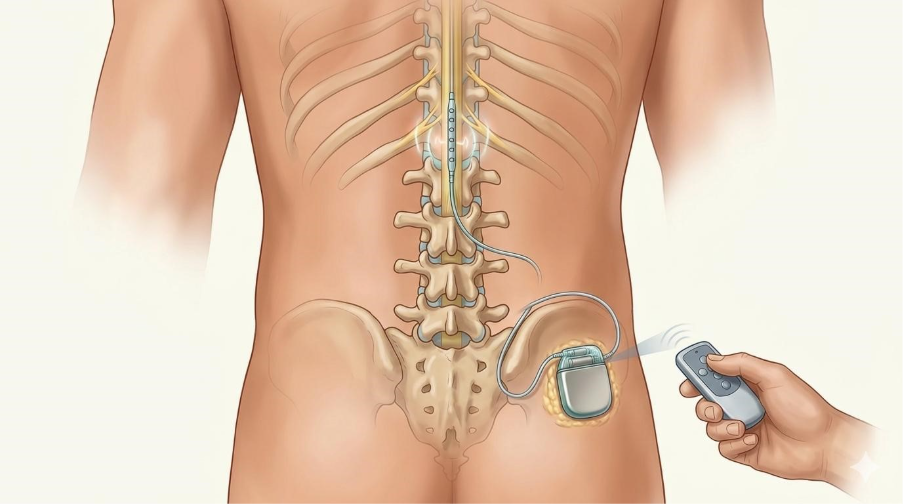
Advanced pain treatment options may include nerve blocks, epidural injections, radiofrequency techniques and neuromodulation for appropriately selected patients. Dr. Gari’s chronic pain content discusses interventional procedures and spinal or peripheral nerve stimulation as contemporary approaches.  

Targeted Treatments and Pain Management Trends 2026 

Current pain management trends 2026 reflect an interest in treating specific pain pathways rather than relying only on systemic medication. 

Potential benefits of targeted care may include: 

  1. Focusing treatment on a suspected pain source  
  1. Reducing unnecessary exposure to systemic medications  
  1. Supporting rehabilitation and movement  
  1. Creating measurable functional treatment goals  

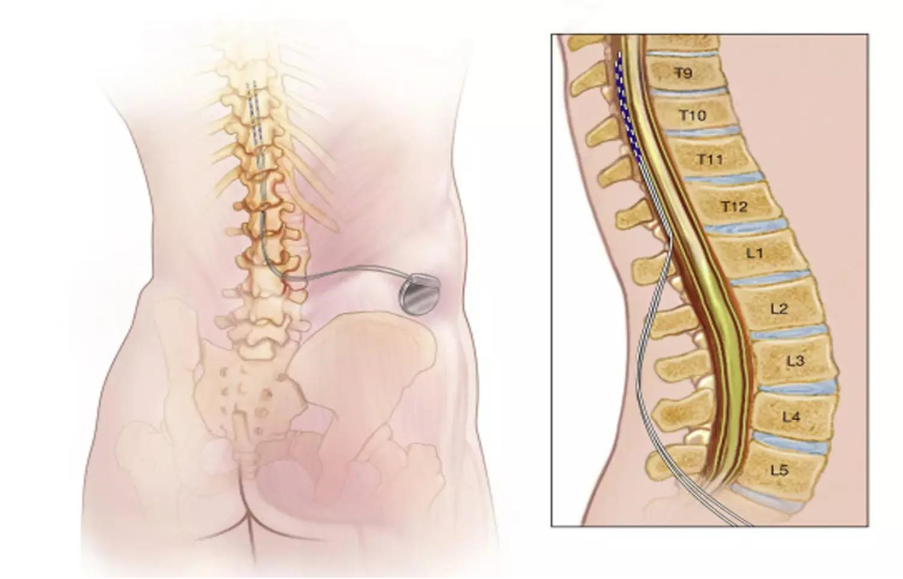
One example is spinal cord stimulation. Dr. Gari’s article on spinal cord stimulation for pain management describes neuromodulation as an adjustable approach used for selected chronic pain conditions. These therapies are not appropriate for every patient. Evaluation and careful patient selection remain essential. 

Non-Opioid Innovation Is Reshaping Pain Care 

The search for effective non-opioid therapies continues to influence American pain medicine. CDC clinical resources state that nonopioid therapies are preferred for subacute and chronic pain and list both nonpharmacologic and nonopioid medication approaches.  

A major development came in January 2025 when the FDA approved suzetrigine, marketed as Journeaux, for moderate-to-severe acute pain in adults. The first-in-class non-opioid medicine targets a peripheral pain-signalling pathway involving sodium channels.  

In May 2026, the FDA also issued draft guidance intended to support the development of non-opioid analgesics for chronic pain.  

Advanced Pain Treatment Options Beyond Medication Dependence 

These developments broaden conversations about advanced pain treatment options and responsible medication use. 

Modern care may combine: 

  • Nonopioid medications  
  • Physical rehabilitation  
  • Behavioural therapies  
  • Targeted injections  
  • Neuromodulation  
  • Lifestyle interventions  

The latest pain management trends 2026 do not suggest that one treatment will replace every other therapy. Instead, the direction is toward multimodal care. Dr. Gari’s article on latest innovations in pain management and minimally invasive care similarly emphasizes targeted and minimally invasive approaches intended to address pain more precisely.  

Technology and Data May Improve Pain Decisions 

Because pain is subjective its severity and overall impact are not the same for everyone. A patient’s symptoms can also change throughout the day depending on movement, sleep and activity. 

Digital tools, telemedicine and data-supported care may help clinicians follow patient progress more consistently. Research on the future of pain medicine is also examining AI, precision diagnostics and adaptive neuromodulation, although many applications remain emerging rather than routine clinical standards.  

How a Pain Management Specialist USA May Use Better Data 

pain management specialist USA may increasingly review more than a single pain score. Functional changes, treatment response and activity patterns can provide useful clinical context. 

Patients may be asked to track: 

  • Pain intensity and location  
  • Symptom triggers  
  • Sleep disruption  
  • Walking tolerance  
  • Medication response  
  • Changes in daily activity  

Better information may help physicians adjust care earlier when a treatment is not achieving meaningful goals. 

Technology should support clinical judgment rather than replace the patient-physician relationship. This distinction is especially important as digital health tools become more visible in pain management trends 2026

The Pain Management Specialist USA Has a Growing Role 

Persistent pain can involve the spine, joints, nerves and other structures. It may also affect sleep, emotional health and daily independence. 

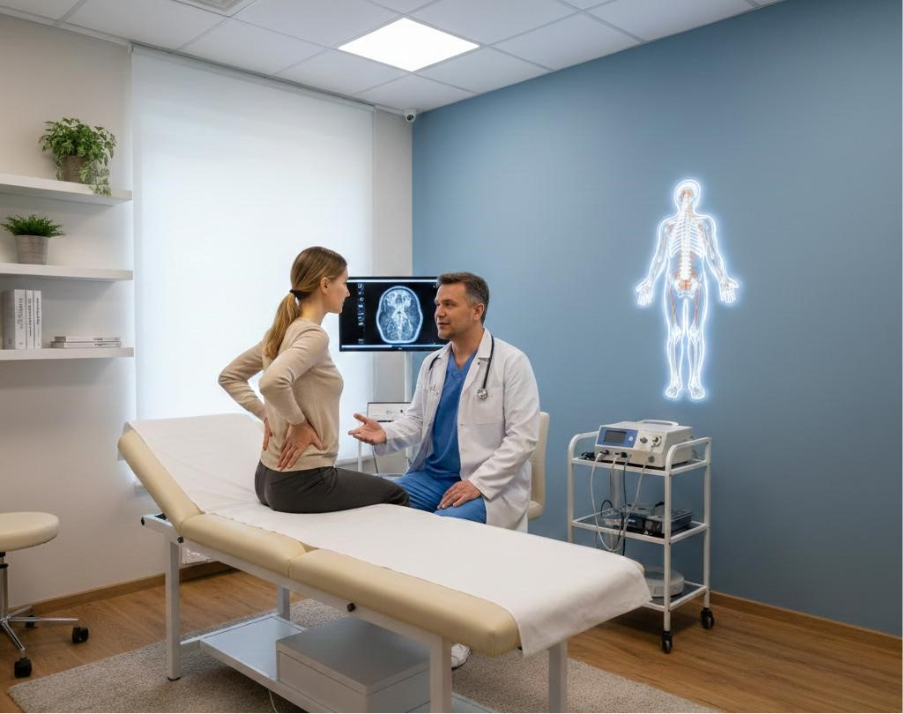
pain management specialist USA evaluates these different factors and develops an individualized care plan. Dr. Gari’s published guide describes specialists as responsible for assessment, personalized treatment planning, selected interventional procedures and follow-up care.  

Pain Management Specialist USA and Multidisciplinary Care 

The role of a pain management specialist USA is particularly valuable when standard treatment has not produced adequate improvement or pain is significantly affecting daily life. 

Care may involve collaboration with: 

  • Physical therapists  
  • Primary care physicians  
  • Spine specialists  
  • Behavioural health professionals  
  • Rehabilitation teams  

Dr. Gari’s guide to a first visit with a pain management specialist explains that treatment recommendations may include physical therapy, medication management, lifestyle changes, minimally invasive treatments or other advanced approaches.  

The strongest advanced pain treatment options still depend on appropriate diagnosis and patient selection. Technology alone cannot determine which therapy is best for every individual. 

Dr. Rodolfo Gari’s View of Modern Pain Care 

Dr. Rodolfo Gari’s published educational content consistently presents pain care as a field that extends beyond medication alone. His articles discuss comprehensive management, interventional procedures, personalized plans and emerging technologies.  

His guide on understanding chronic pain and modern treatment options discusses targeted interventions, neuromodulation, rehabilitation and psychological approaches as parts of contemporary chronic pain care.  

A Practical Vision for the Future of Pain Management USA 

From this perspective, the future of pain management USA is likely to depend on combining innovation with individualized clinical decision-making. 

The newest device or procedure is not automatically the right choice. Physicians must consider the patient’s diagnosis, symptoms, previous treatments and functional objectives. 

This approach connects closely with the direction of pain management trends 2026: greater personalization, more targeted interventions and wider exploration of non-opioid care. For patients researching long-term pain care, Dr. Gari’s comprehensive guide to pain management provides additional information about treatment planning and the evolving role of pain specialists.  

Conclusion 

The future of pain management USA is moving toward more personalized, targeted and multidisciplinary care. Current pain management trends 2026 highlight growing interest in precision treatment, technology-supported monitoring and non-opioid approaches. 

For selected patients, advanced pain treatment options may provide new pathways when conventional care does not deliver sufficient improvement. Working with a pain management specialist USA can help connect these innovations with an individualized clinical assessment. 

Dr. Rodolfo Gari’s perspective on modern pain care reflects an important principle: innovation should support better patient-focused decisions and meaningful functional goals. If persistent pain is affecting your mobility, work or quality of life, schedule a consultation today to explore a customized pain management plan designed to help relieve your symptoms and improve your quality of life. 

Frequently Asked Questions 

1. What is changing in modern pain management? 

Pain care is becoming more personalized, with greater attention to targeted procedures, non-opioid therapies and technology-supported monitoring. 

2. Are newer pain treatments suitable for everyone? 

No. Treatment selection depends on the diagnosis, symptoms, medical history and response to previous care. 

3. When should I consult a pain specialist? 

Consider specialist evaluation when pain persists, limits daily activities or does not improve adequately with standard treatment. 

Reducing Patient Anxiety Before Medical Procedures: What Works? 

Feeling anxious before a medical procedure is a common experience for patients of all ages. Whether it’s a routine diagnostic test, a minimally invasive procedure or surgery, uncertainty about the process, potential discomfort or the outcome can lead to significant emotional stress. While a certain level of nervousness is natural, unmanaged anxiety can affect a patient’s overall experience and, in some cases, even influence recovery. 

Understanding patient anxiety before medical procedures is the first step toward creating a more positive healthcare experience. By combining clear communication, emotional support and practical preparation, healthcare providers can help patients feel informed, confident and reassured before treatment. 

Why Do Patients Experience Anxiety Before Medical Procedures? 

Anxiety before a medical procedure often stems from fear of the unknown. Patients may worry about pain, possible complications, recovery time or how the procedure might affect their daily lives. For some individuals, previous negative healthcare experiences or general anxiety disorders can further intensify these concerns. 

Research has shown that elevated anxiety levels may increase stress hormones, contribute to higher blood pressure and make it more difficult for patients to relax before treatment. Addressing these concerns early allows healthcare providers to improve both the patient’s emotional well-being and their overall healthcare experience. 

Common Causes of Patient Anxiety 

Recognizing what contributes to anxiety helps both patients and healthcare professionals develop effective coping strategies. 

Fear of Pain 

One of the most common concerns is the possibility of experiencing pain during or after a procedure. Modern medical techniques, advanced anesthesia and minimally invasive treatments have significantly improved patient comfort yet fear of discomfort remains a major source of anxiety. 

Uncertainty About the Procedure 

Patients often feel anxious simply because they don’t know what to expect. Questions about how long the procedure will take, whether they’ll be awake or how the recovery process works can create unnecessary worry. 

Healthcare providers who explain each step clearly often help patients feel more prepared and confident. 

Concerns About Recovery 

Many patients worry about how quickly they will return to work, family responsibilities or everyday activities. Providing realistic recovery expectations helps reduce uncertainty and encourages better preparation. 

For additional guidance, visit our educational resources on patient care and recovery, where you’ll find helpful information about preparing for treatment and post-procedure recovery. 

Effective Strategies for Reducing Patient Anxiety 

Reducing patient anxiety before medical procedures requires a combination of education, communication and personalized support. 

Provide Clear and Honest Information 

Open communication is one of the most effective patient anxiety reduction strategies. When patients understand why a procedure is recommended, what will happen during treatment and what to expect afterward, they often feel more in control and less fearful. 

Healthcare providers can ease patient anxiety before medical procedures by creating a supportive environment where patients feel comfortable asking questions. Honest, compassionate communication helps build trust, increase confidence and prepare patients for a positive treatment experience. 

Encourage Relaxation Techniques 

Simple relaxation methods can help reduce stress before a procedure. Deep breathing exercises, guided meditation, mindfulness practices and listening to calming music may help patients relax and improve their overall experience. 

These techniques are especially beneficial for individuals looking for how to reduce anxiety before surgery without relying solely on medication. 

Additional Strategies to Reduce Patient Anxiety 

While education and relaxation techniques play an important role, several other approaches can help patients feel more comfortable before a medical procedure. 

Build Trust Through Open Communication 

Patients are more likely to feel at ease when they have a trusting relationship with their healthcare provider. Answering questions, discussing treatment options and explaining the benefits and potential risks of a procedure can reduce uncertainty, ease anxiety and build patient confidence. 

Encouraging patients to voice their concerns also allows physicians to address misconceptions and provide reassurance tailored to individual needs. 

Involve Family or Caregivers 

Having the support of a trusted family member or friend during your treatment journey can reduce anxiety, provide emotional reassurance and help you feel more confident before and after a medical procedure. Whether accompanying the patient to appointments or assisting during recovery, caregivers often help patients feel more secure and prepared. 

Healthcare providers should encourage patients to bring a companion whenever appropriate, especially before significant medical procedures. 

Create a Comfortable Care Environment 

The healthcare environment itself can influence a patient’s emotional well-being. Friendly staff, clear communication, organized appointments and a calm clinical atmosphere all contribute to a more positive experience. 

Small gestures, such as greeting patients warmly, explaining each step of the process, and minimizing unnecessary waiting times, can significantly reduce stress before treatment. 

The Role of Physicians in Reducing Patient Anxiety 

Physicians play a key role in reducing patient anxiety by ensuring patients feel informed, supported and confident before undergoing a medical procedure. 

Personalized Patient Care 

Every patient experience anxiety differently. Some individuals require detailed explanations, while others benefit most from reassurance and emotional support. A personalized approach allows physicians to tailor communication and care based on each patient’s concerns and medical history. 

This patient-centred approach improves emotional well-being while building trust and strengthening relationships between patients and healthcare providers. 

Encouraging Shared Decision-Making 

Patients often feel more confident when they actively participate in healthcare decisions. Discussing available treatment options, expected outcomes and recovery plans helps patients better understand their care and feel more in control. 

Shared decision-making empowers patients and supports one of the most effective patient anxiety reduction strategies in modern healthcare. 

Preparing for a More Positive Healthcare Experience 

Patients can also take simple steps before their appointment to help reduce anxiety. 

Helpful preparation tips include: 

  • Write down any questions before your appointment.  
  • Follow all pre-procedure instructions provided by your physician.  
  • Practice deep breathing or mindfulness exercises.  
  • Get adequate sleep the night before your procedure.  
  • Stay hydrated and follow dietary instructions if applicable.  
  • Arrive early to avoid unnecessary stress.  
  • If permitted, bring a trusted family member or friend for emotional support before and after the procedure.  

These practical steps can improve confidence and help patients approach treatment with greater peace of mind. 

Conclusion 

Experiencing patient anxiety before medical procedures is entirely normal, but it doesn’t have to overwhelm the healthcare experience. Through clear communication, compassionate care, patient education and evidence-based support strategies, anxiety can be significantly reduced. 

Healthcare providers who prioritise empathy and transparent communication help patients feel informed, confident and actively involved in their care. Likewise, patients who understand what to expect and participate in treatment planning are often better prepared both emotionally and physically. 

Take the first step towards compassionate, patient-centred care. If you’re preparing for a medical procedure and have questions or concerns, Rodolfo Gari, MD is here to support you. We provide personalised, patient-centred care with clear communication, education and guidance to help you feel informed, confident and comfortable every step of the way. Contact us today to schedule a consultation and experience compassionate care tailored to your needs. 

Frequently Asked Questions  

1. What causes patient anxiety before medical procedures? 

Common causes include fear of pain, uncertainty about the procedure, concerns about recovery, previous negative healthcare experiences and anxiety about possible outcomes. 

2. How can I reduce anxiety before surgery or a medical procedure? 

You can reduce anxiety by asking your physician questions, learning about the procedure, practicing relaxation techniques, following pre-procedure instructions and seeking support from family or friends. 

3. Why is patient education important before a medical procedure? 

Patient education helps individuals understand what to expect before, during and after treatment, reducing uncertainty and improving confidence throughout the healthcare experience. 

The Role of Preventive Pain Care in U.S. Healthcare: Dr. Rodolfo Gari Weighs In 

Pain is a common health concern and one of the top reasons for medical visits in the United States. While many individuals receive treatment after pain becomes severe or chronic, healthcare professionals increasingly recognise the importance of preventing pain before it significantly affects a person’s quality of life. The benefits of preventive care extend beyond chronic disease prevention, with proactive pain management becoming an essential part of long-term health. 

Preventive pain care focuses on identifying risk factors early, promoting healthy lifestyle habits, encouraging timely medical intervention and using evidence-based treatments to minimise the likelihood of chronic pain developing. Rather than simply treating symptoms, preventive strategies aim to preserve mobility, reduce disability and improve long-term health outcomes. 

Dr. Rodolfo Gari, an experienced pain management specialist, believes that early intervention and patient education are essential components of effective healthcare. His approach combines comprehensive evaluations, personalised treatment plans, minimally invasive therapies and preventive healthcare practices to help patients maintain active, healthy lives. 

In this article, we’ll explore the growing role of pain prevention strategies in healthcare, why preventive pain care is becoming increasingly important in the United States and how Dr. Gari’s patient-centred philosophy supports long-term wellness. 

Understanding Preventive Pain Care 

Preventive pain care is a proactive approach that focuses on reducing the likelihood of pain becoming chronic or disabling. Instead of waiting until symptoms worsen, healthcare providers identify risk factors, educate patients and recommend treatments that support long-term musculoskeletal health. 

This approach includes: 

  • Early diagnosis of painful conditions  
  • Lifestyle modifications  
  • Physical rehabilitation  
  • Exercise programmes  
  • Posture correction  
  • Weight management  
  • Minimally invasive interventions when appropriate  

By implementing these pain prevention strategies in healthcare, patients often experience improved mobility, reduced discomfort and a better overall quality of life. 

Why Prevention Matters in Modern Healthcare? 

Early intervention plays a vital role in chronic pain management by helping reduce the progression of painful conditions and supporting a better quality of life. 

Preventive care offers several important benefits: 

  • Lower risk of chronic pain  
  • Improved physical function  
  • Better patient outcomes  
  • Reduced reliance on long-term medication  
  • Enhanced quality of life  
  • Earlier identification of underlying conditions  

Dr. Gari advocates for addressing pain at its earliest stages to help patients avoid unnecessary complications and maintain their independence. 

Dr. Rodolfo Gari’s Preventive Approach to Pain Management 

Dr. Rodolfo Gari believes successful pain management begins with understanding each patient’s unique medical history, lifestyle and goals. 

Rather than applying the same treatment to every individual, his philosophy centres on personalised care designed to prevent pain progression while improving overall health. 

Comprehensive Patient Evaluations 

Personalized pain treatment begins with a comprehensive assessment to determine the underlying cause of pain. 

Individualised Treatment Planning 

Treatment recommendations are tailored to each patient’s condition, medical history and long-term wellness objectives. 

Patient Education 

Educating patients about body mechanics, exercise, posture and healthy habits empowers them to actively participate in preventing future pain. 

This personalised model supports both symptom relief and long-term prevention. 

Lifestyle Changes That Support Pain Prevention 

Many everyday habits influence musculoskeletal health. 

Dr. Gari frequently encourages patients to adopt healthy lifestyle practices that support pain prevention. 

Regular Physical Activity 

Consistent exercise strengthens muscles, improves flexibility and enhances joint stability. 

Healthy Weight Management 

A healthy weight contributes to better musculoskeletal function and long-term chronic pain prevention. 

Ergonomic Improvements 

Proper workstation setup, lifting techniques and posture can help prevent repetitive strain injuries. 

Quality Sleep 

Adequate sleep promotes healing, reduces inflammation and supports overall physical recovery. 

These practical habits play an essential role in preventive healthcare pain management. 

The Importance of Early Diagnosis 

Pain often develops gradually before becoming severe. 

Ignoring early symptoms may allow conditions to progress, making treatment more challenging later. 

Early diagnosis enables healthcare providers to: 

  • Identify underlying conditions  
  • Develop personalised treatment plans  
  • Reduce inflammation  
  • Prevent further injury  
  • Improve recovery outcomes  

Patients experiencing persistent discomfort should seek professional evaluation before symptoms worsen. 

For individuals looking to understand comprehensive pain evaluations, early assessment remains one of the most effective preventive strategies. 

Advanced Treatments Supporting Prevention 

Preventive care does not eliminate the need for medical treatments. Instead, modern therapies can help interrupt the progression of painful conditions before permanent damage occurs. 

Depending on the patient’s condition, treatment options may include: 

  • Image-Guided Injections 

Targeted injections help reduce inflammation and improve function. 

  • Minimally Invasive Procedures 

These treatments may provide effective pain relief while minimising recovery time. 

  • Physical Rehabilitation 

Rehabilitation strengthens affected muscles and improves movement patterns. 

  • Ongoing Monitoring 

Regular follow-up appointments allow treatment plans to be adjusted as patient needs evolve. 

These evidence-based therapies complement preventive care and promote long-term health. 

Preventing Chronic Pain Through Patient Education 

Education is one of the most powerful tools in preventive healthcare. 

When patients understand their conditions and risk factors, they are more likely to make informed healthcare decisions. 

Education focuses on: 

  • Safe movement techniques  
  • Home exercise programmes  
  • Injury prevention  
  • Nutrition  
  • Stress management  
  • Treatment expectations  

By encouraging active participation, healthcare providers help patients reduce their risk of recurring pain episodes. 

Patients searching for effective chronic pain prevention methods often discover that education is as important as medical treatment itself. 

The Future of Preventive Pain Care in the United States 

Healthcare continues shifting toward prevention rather than reactive treatment. 

Emerging technologies, personalised medicine and multidisciplinary collaboration are creating new opportunities for early intervention. 

Future priorities include: 

  • Earlier Risk Identification 

Using advanced diagnostics to identify patients at higher risk of chronic pain. 

  • Integrated Healthcare Teams 

Collaboration between physicians, therapists and rehabilitation specialists. 

  • Digital Patient Engagement 

Remote monitoring and educational resources improve patient participation between appointments. 

  • Evidence-Based Innovation 

Continuously evaluating new treatments that improve patient outcomes while supporting preventive care. 

Dr. Rodolfo Gari believes that combining medical expertise with patient education will continue shaping the future of pain management. 

Conclusion 

Preventive pain care represents an important shift in modern healthcare. Personalized treatment strategies and preventive care can help reduce the risk of chronic pain while supporting long-term health and wellness. 

Dr. Rodolfo Gari’s patient-centred philosophy demonstrates how pain prevention strategies in healthcare can improve quality of life, reduce disability and help individuals remain active for years to come. 

Whether through lifestyle changes, early diagnosis, minimally invasive treatments or ongoing education, preventive care empowers patients to take control of their health before pain becomes a long-term challenge. 

Looking for expert chronic pain treatment or prevention? Dr. Rodolfo Gari provides personalized care to improve mobility and deliver lasting pain relief. Contact us today https://rodolfogarimd.com/

Frequently Asked Questions 

1. What are pain prevention strategies in healthcare? 

Pain prevention strategies in healthcare focus on identifying risk factors early, promoting healthy lifestyle habits, encouraging timely diagnosis and using evidence-based treatments to reduce the likelihood of chronic pain developing. 

2. Why is preventive pain care important? 

Preventive pain care is an effective strategy for reducing chronic pain risk while supporting better physical function and overall wellness. 

3. How does Dr. Rodolfo Gari approach preventive pain management? 

Dr. Rodolfo Gari emphasises comprehensive evaluations, personalised treatment plans, patient education, minimally invasive therapies and lifestyle modifications to help patients prevent chronic pain and maintain long-term wellness. 

How Better Pain Management Improves Quality of Life 

Has ongoing pain slowly changed how you sleep, work, exercise or spend time with the people you care about? Persistent discomfort can affect far more than one part of the body. It may influence mobility, emotional well-being and the ability to complete ordinary daily activities. 

This is why pain management for quality of life should focus on more than lowering a pain score. The wider goal is to help patients improve function, participate in meaningful activities and manage symptoms more confidently. 

Chronic pain is common. CDC data show that 24.3% of U.S. adults experienced chronic pain in 2023, while 8.5% had high-impact chronic pain that frequently limited life or work activities.  

Depending on the underlying condition, chronic pain treatment options may include rehabilitation, nonopioid medications, selected procedures and behavioural approaches. Pain relief for chronic conditions should be individualized because pain mechanisms and functional limitations differ between patients. 

The most effective pain management strategies often begin with understanding the source and impact of symptoms. This article explores how personalized care may improve mobility, sleep and daily function while helping patients build a more sustainable approach to long-term pain. 

Why Pain Management for Quality-of-Life Matters? 

Pain becomes particularly disruptive when it begins controlling everyday decisions. A patient may stop walking regularly, avoid social plans or struggle to sleep because movement increases discomfort. 

Pain management for quality of life considers these broader effects. Instead of asking only, “How severe is the pain?” healthcare providers may also evaluate how symptoms affect movement, work and daily independence. 

Pain Relief for Chronic Conditions Supports Daily Function 

The purpose of pain relief for chronic conditions is not always complete symptom elimination. For some patients, meaningful progress may involve walking farther, sleeping more consistently or returning to an important activity. 

Treatment goals may include: 

  • Improving mobility  
  • Reducing pain-related interruptions  
  • Supporting better sleep  
  • Increasing activity tolerance  
  • Improving participation in daily routines  

Pain-management programs commonly emphasize function and quality of life rather than pain control alone. 

Understanding Chronic Pain Treatment Options 

There is no single treatment that works for every person with persistent pain. The source of discomfort, medical history and functional goals all influence the care plan. 

Modern chronic pain treatment options may combine several approaches. CDC guidance states that nonopioid therapies are preferred for subacute and chronic pain and lists both nonpharmacologic and nonopioid medication approaches.  

Effective Pain Management Strategies Use Personalized Care 

Effective pain management strategies begin with a careful assessment. A treatment used for nerve-related pain may differ from care for joint, muscular or spinal discomfort. 

A personalized plan may consider: 

  1. Physical therapy or structured exercise  
  1. Appropriate medications  
  1. Behavioural or psychological support  
  1. Activity and lifestyle modifications  
  1. Interventional procedures for selected patients  

These chronic pain treatment options may be combined rather than used in isolation. Multimodal pain care can include medications, restorative therapies, procedures and behavioural treatment.  

Pain Relief for Chronic Conditions Can Improve Mobility 

Persistent discomfort can lead patients to move less because they fear worsening their symptoms. Over time, reduced activity may contribute to stiffness, weakness or declining physical confidence. 

Appropriate pain relief for chronic conditions may make rehabilitation and carefully selected movement more manageable. 

Chronic Pain Treatment Options for Better Movement 

Some chronic pain treatment options focus directly on improving function. Physical therapy may use stretching, strengthening and movement exercises based on the patient’s condition. 

CDC lists exercise and physical therapy among nonpharmacologic approaches used for several pain conditions.  

Better movement may help patients: 

  • Complete household activities  
  • Walk more comfortably  
  • Maintain strength  
  • Participate in rehabilitation  
  • Return to selected hobbies  

The objective is not to push through severe pain without guidance. Effective pain management strategies should establish realistic goals and adjust treatment according to the patient’s response. 

Effective Pain Management Strategies Support Better Sleep 

Pain and sleep can strongly influence each other. Persistent discomfort may make it difficult to fall asleep or remain comfortable through the night. Poor rest can then make daily coping more challenging. This is another reason pain management for quality of life must look beyond a single symptom. 

Pain Relief for Chronic Conditions Requires a Wider View 

When developing pain relief for chronic conditions, healthcare providers may discuss sleep, stress, physical activity and emotional well-being alongside physical symptoms. 

Patients can support treatment by tracking: 

  • When pain becomes worse  
  • Activities linked to symptom flares  
  • Sleep interruptions  
  • Changes in mobility  
  • Responses to treatments  

These details may help clinicians understand how pain affects the full day. 

Effective pain management strategies also require regular reassessment. If a treatment is not improving function or causes unacceptable side effects, the care plan may need adjustment. 

When Advanced Chronic Pain Treatment Options Are Considered 

Despite non-surgical treatment, some patients continue to experience significant pain and discomfort. In these situations, further evaluation may help identify whether a targeted intervention is appropriate. 

Personalized Procedures for Pain Management for Quality of Life 

Advanced chronic pain treatment options can include selected injections, nerve blocks or other interventional procedures. The choice depends on the suspected pain source and the patient’s clinical findings. 

For example, nerve blocks target specific nerves and may be used in selected pain conditions. They can also sometimes provide diagnostic information about the source of discomfort.  

A pain specialist may evaluate: 

  • Pain location and pattern  
  • Duration of symptoms  
  • Neurological findings  
  • Previous treatment response  
  • Imaging or diagnostic findings  
  • Functional limitations  

The goal of pain management for quality of life remains personalized improvement rather than automatically moving toward more invasive care.  

Building Sustainable Pain Relief for Chronic Conditions 

Long-term care often requires active participation from both the patient and healthcare team. Pain relief for chronic conditions may change over time as symptoms, activity levels and treatment responses evolve. 

Daily Habits and Effective Pain Management Strategies 

Practical effective pain management strategies may include following a rehabilitation program, taking medications as directed and discussing significant symptom changes with a healthcare provider. 

Patients may also benefit from: 

  • Pacing demanding activities  
  • Maintaining an appropriate exercise routine  
  • Following consistent sleep habits  
  • Using safe movement techniques  
  • Tracking pain patterns  
  • Attending recommended follow-ups  

These habits do not replace medical treatment. Instead, they can support a wider care plan. 

Successful pain management for quality of life also requires realistic goals. A useful goal may be walking for a specific duration, completing a household task or sleeping with fewer interruptions. When patients and healthcare providers review these goals together, chronic pain treatment options can be adjusted according to meaningful functional progress. 

Conclusion 

Persistent pain can affect movement, sleep, work and personal independence. Better pain relief for chronic conditions begins with understanding how symptoms influence daily life and identifying the underlying pain problem. 

Personalized chronic pain treatment options and effective pain management strategies may combine rehabilitation, medications, lifestyle support and selected interventional procedures. The right approach differs for every patient. 

Ultimately, pain management for quality of life is about helping individuals pursue better function, comfort and participation in meaningful activities. If chronic pain is interfering with your routine, do not simply accept it as part of everyday life. Start your journey toward lasting pain relief by consulting a pain management specialist for a comprehensive assessment and personalized care recommendations. 

Frequently Asked Questions 

1. Can better pain management improve daily life? 

Yes. Personalized care may support mobility, sleep and daily function while reducing the impact of persistent discomfort. 

2. What treatments are available for chronic pain? 

Successful chronic pain management often relies on integrating physical therapy, medication, behavioural strategies and minimally invasive interventional treatments when appropriate. 

3. How is a long-term pain plan developed? 

A specialist considers the cause of pain, symptoms and functional goals when selecting pain relief for chronic conditions and appropriate treatment methods. 

Understanding Spinal Slippage in Daily Life 

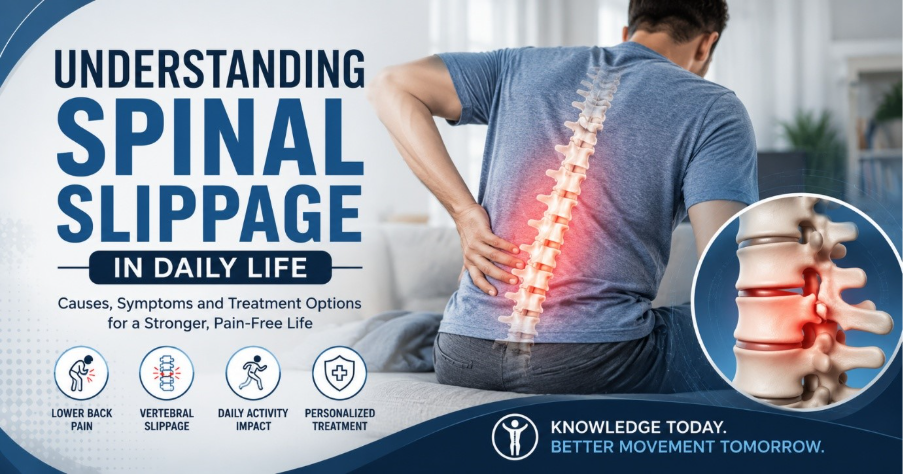
Does standing at work, walking through a store or getting out of a chair leave your lower back aching? Daily discomfort is easy to blame on poor posture or tired muscles. However, persistent pain, stiffness or leg symptoms may sometimes be linked to spondylolisthesis, a condition in which a vertebra moves out of its normal position relative to the bone below it.  

Many patients first ask, what is spinal slippage, and why can it make ordinary movements uncomfortable? The answer involves spinal alignment, stability and, in some cases, pressure on nearby nerves. Spinal slippage may cause no noticeable problems in some people, while others experience lower back pain, stiffness, radiating leg pain, numbness or weakness.  

Understanding spinal slippage causes and symptoms can help you recognize when ongoing discomfort deserves medical assessment. The effects are not limited to exercise. Standing, lifting, household work and walking may become more challenging when symptoms are active. 

This guide explains how vertebral slippage can affect everyday life, how physicians evaluate the condition and how spinal instability treatment may be selected according to symptoms and severity. 

What Is Spinal Slippage and Why Does It Happen? 

To understand spondylolisthesis, picture the spine as a carefully aligned column of vertebrae. These bones work with discs, joints, ligaments and muscles to support movement. When one vertebra shifts relative to the vertebra below, spinal mechanics can change.  

Spinal Slippage Causes and Symptoms Explained 

Spinal slippage causes and symptoms vary because the condition can develop for different reasons. Age-related degeneration may affect discs and facet joints. A stress injury or defect in part of a vertebra may also contribute. Trauma and developmental or other structural problems are additional recognized causes.  

Possible symptoms include: 

  • Persistent lower back pain  
  • Tight hamstrings or stiffness  
  • Pain extending into the buttocks or legs  
  • Tingling or numbness  
  • Leg weakness  
  • Difficulty standing or walking for extended periods  

Not everyone experiences the same pattern. Clinical assessment considers symptoms, neurological findings and appropriate imaging rather than relying on pain location alone. 

How Spondylolisthesis Changes Daily Movement 

The impact of spondylolisthesis often becomes noticeable during repeated or prolonged movements. A short walk may feel manageable, while standing or remaining active for longer periods can increase symptoms in some patients.  

Spinal Slippage During Everyday Activities 

When people ask what spinal slippage is, they are often really asking why ordinary tasks suddenly feel harder. 

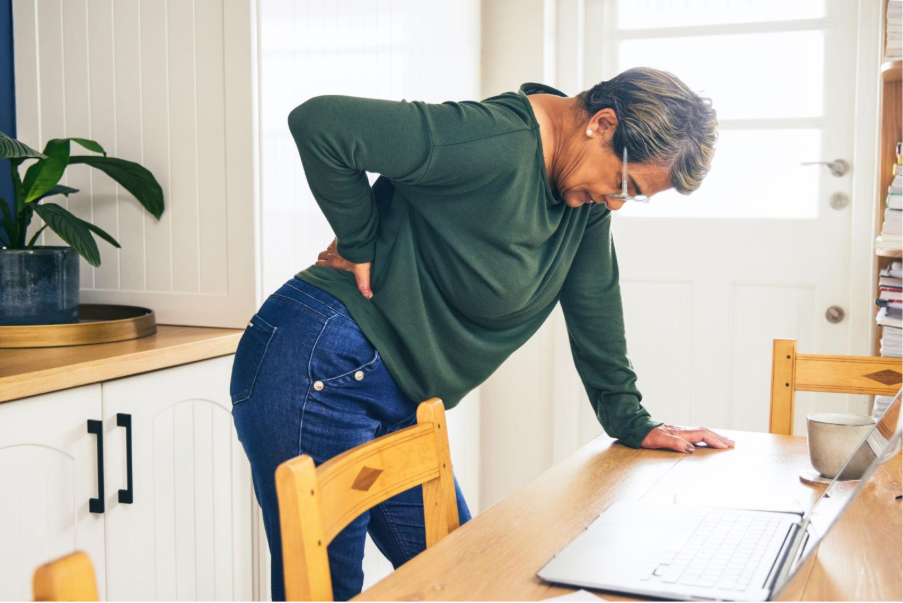
Bending to pick up laundry, carrying groceries, climbing stairs or standing at a kitchen counter may become uncomfortable when the lower back or nearby nerves are irritated. 

Daily challenges may include: 

  1. Reduced walking tolerance  
  1. Pain during prolonged standing  
  1. Discomfort with repeated bending  
  1. Difficulty lifting objects  
  1. Interrupted daily routines  

These limitations do not mean every patient should avoid movement. Carefully selected physical therapy and exercise are common parts of nonsurgical care.  

Recognizing Spinal Slippage Causes and Symptoms 

Back pain alone does not confirm spondylolisthesis. Muscle strain and several spinal conditions can produce similar complaints. This is why self-diagnosis based only on the location of pain can be misleading. 

When Symptoms May Suggest Spinal Instability 

Spinal slippage causes and symptoms deserve closer attention when discomfort persists, repeatedly returns or occurs with neurological changes. 

Watch for: 

  • Increasing leg pain  
  • Persistent numbness or tingling  
  • Progressive weakness  
  • Changes in walking tolerance  
  • Pain significantly limiting normal activities  

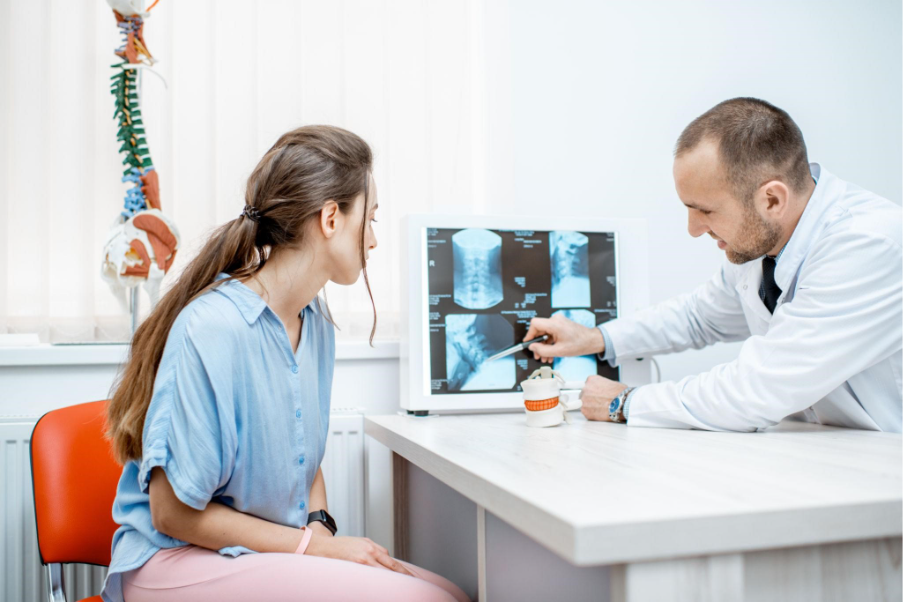
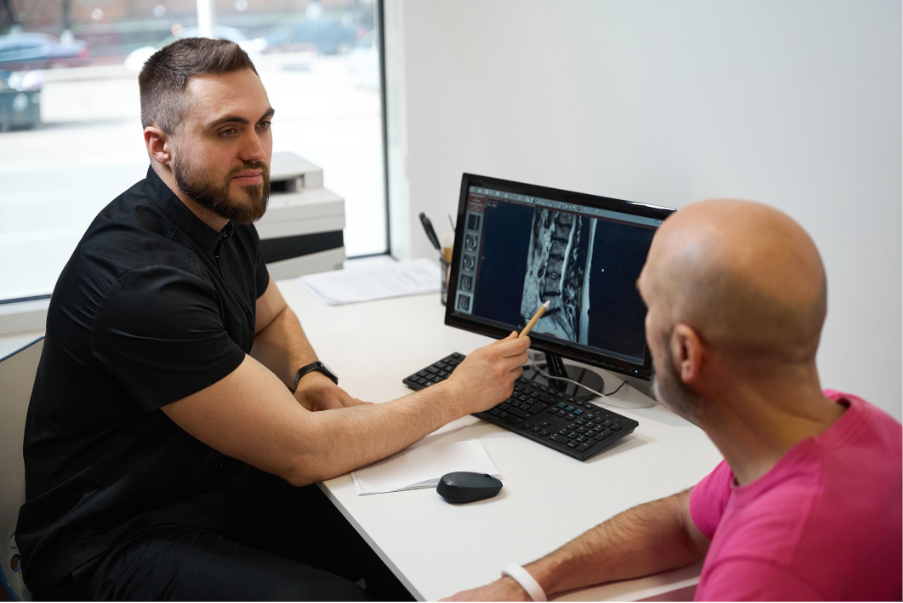
A physician may review medical history and perform physical and neurological examinations. X-rays can demonstrate vertebral alignment, while MRI or CT may be used when additional evaluation of nerves, soft tissues or bone is clinically appropriate.  

Spinal Instability Treatment for Everyday Function 

The goal of spinal instability treatment is not simply to change an imaging result. Care generally focuses on symptoms, function, neurological health and clinically important instability. 

Conservative Spinal Instability Treatment Options 

For many patients, initial spinal instability treatment may be nonsurgical. Cleveland Clinic notes that many people can manage pain and stiffness without surgery, while AAOS lists physical therapy, exercise and medications among nonsurgical approaches.  

Treatment may include: 

  • Activity modification  
  • Physical therapy  
  • Core and trunk strengthening  
  • Flexibility exercises  
  • Pain or anti-inflammatory medication when appropriate  
  • Spinal injections in selected cases  

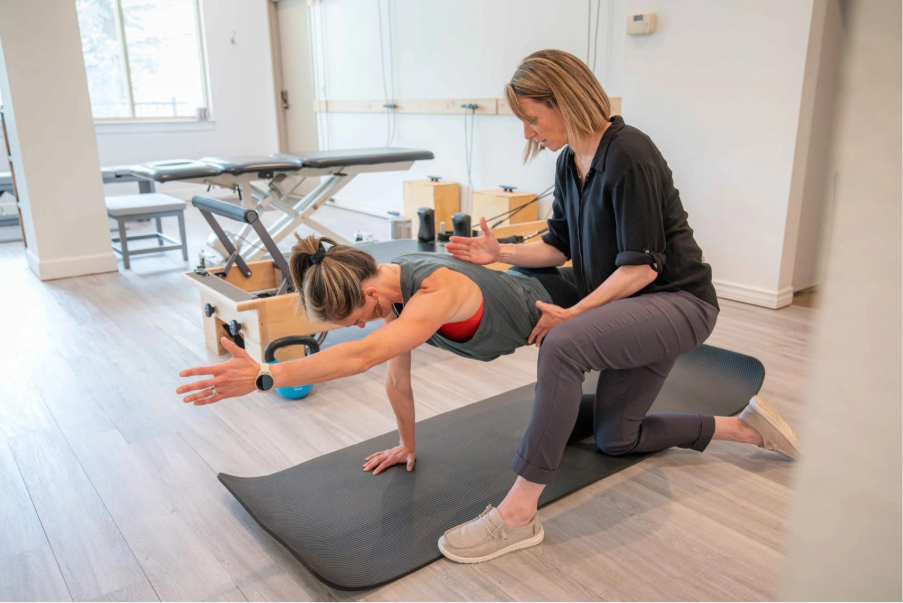
Physical therapy may focus on strengthening muscles that support the spine and improving movement patterns. Patients should avoid copying aggressive exercises simply because they are promoted online. Exercise selection should reflect the individual’s diagnosis and symptoms. 

When Spondylolisthesis May Need Advanced Care 

Some people continue to experience significant pain or neurological symptoms despite conservative management. High-grade slippage or progressive nerve problems may also require specialist assessment.  

Advanced Spinal Instability Treatment Considerations 

Advanced spinal instability treatment is selected according to the patient’s specific condition. Surgery is not automatically necessary simply because spinal slippage appears on an X-ray or MRI. 

A spine specialist may consider: 

  • Severity and grade of vertebral slippage  
  • Persistent pain despite nonsurgical care  
  • Progressive weakness  
  • Neurological changes  
  • Nerve compression  
  • Significant functional limitations  

When surgery is appropriate, the procedure depends on the anatomy and treatment objective. Fusion may be considered to stabilize affected vertebral levels, while decompression may be used in selected situations involving nerve pressure.  

Living More Confidently with Spinal Slippage 

A diagnosis can create anxiety, particularly when a medical report uses unfamiliar terminology. Learning what is spinal slippage can make conversations with a healthcare provider clearer and more productive. 

Daily management may involve: 

  • Following a prescribed rehabilitation plan  
  • Using appropriate lifting techniques  
  • Avoiding activities that repeatedly worsen symptoms  
  • Taking movement breaks during prolonged sitting  
  • Reporting new weakness or numbness  
  • Attending recommended follow-up appointments  

Understanding spinal slippage causes and symptoms can also help patients describe changes more accurately. Instead of saying only, “My back hurts,” explain whether the pain travels into the leg, worsens with standing or occurs with tingling or weakness. 

Spondylolisthesis does not affect every person in the same way. Personalized assessment matters because daily demands, symptoms and spinal findings differ. 

Conclusion 

Spinal slippage can affect far more than the lower back. Walking, standing, lifting and working may become challenging when symptoms interfere with normal movement. Understanding what spinal slippage is and recognizing spinal slippage causes and symptoms can help patients seek an appropriate evaluation rather than repeatedly dismissing persistent discomfort. 

Spondylolisthesis care should be individualized. Depending on the condition, spinal instability treatment may involve rehabilitation, medication, injections or surgical care. 

If ongoing back pain, leg symptoms or weakness is affecting your daily routine, consider scheduling an evaluation with an experienced spine specialist. Take the first step toward better spinal health by booking a consultation to explore treatment options tailored to your symptoms and recovery goals. 

Frequently Asked Questions 

1. What is spinal slippage? 

It describes movement of one vertebra relative to another. The medical term spondylolisthesis is commonly used for vertebral slippage. 

2. Can spinal slippage affect walking? 

Yes. Depending on spinal slippage causes and symptoms, back pain, leg pain, numbness or weakness may reduce walking tolerance. 

3. What is the usual spinal instability treatment? 

Spinal instability treatment depends on symptoms and severity. Physical therapy, activity changes, medications or injections may be considered, while selected cases may require surgery.