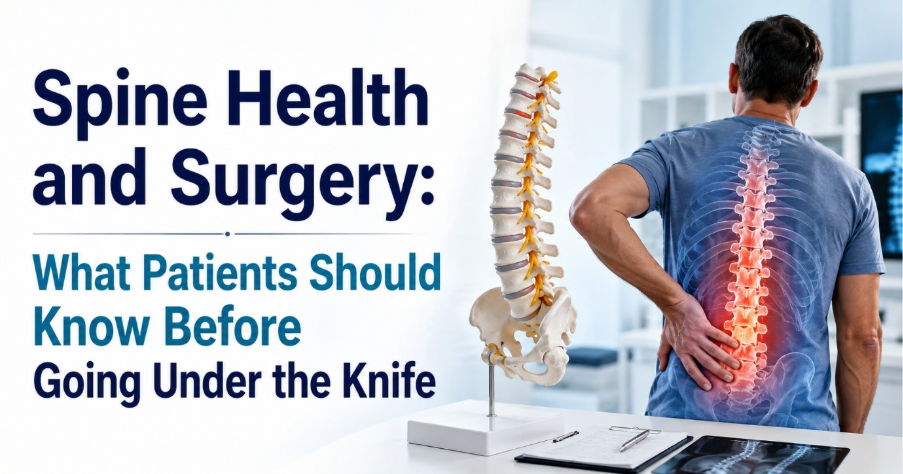
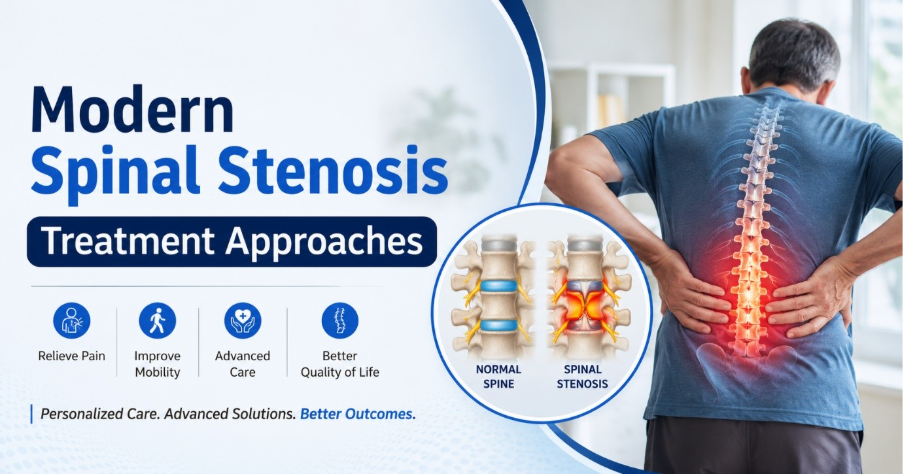
Living with persistent back pain, numbness in the legs or difficulty walking can make even the simplest daily activities challenging. Spinal stenosis is a common cause of these symptoms. It occurs when narrowing of the spinal canal compresses the spinal cord or surrounding nerve roots. Fortunately, advances in spinal stenosis treatment have made it possible for patients to manage symptoms effectively while improving mobility and quality of life. Whether you are experiencing mild discomfort or more advanced symptoms, understanding today’s treatment options is the first step toward finding lasting relief.
Modern healthcare has transformed how specialists diagnose and treat spinal stenosis. From personalized physical therapy programs and minimally invasive procedures to advanced surgical techniques, patients now have more choices than ever before. The right treatment plan is determined by factors such as the severity of nerve compression, general health, daily activities and individual healthcare goals.
In this guide, you’ll learn about the causes and symptoms of spinal stenosis, explore the latest modern spinal stenosis treatments, discover how lumbar spinal stenosis treatment differs from other approaches and understand when surgery may become necessary. By the end of this article, you’ll have the knowledge needed to make informed decisions alongside your spine specialist.
Understanding Spinal Stenosis Treatment
Before exploring treatment options, it’s important to understand what spinal stenosis is and why early intervention matters. The key to effective spinal stenosis treatment is a precise diagnosis followed by a customized care plan tailored to the patient’s condition.
What You Should Know
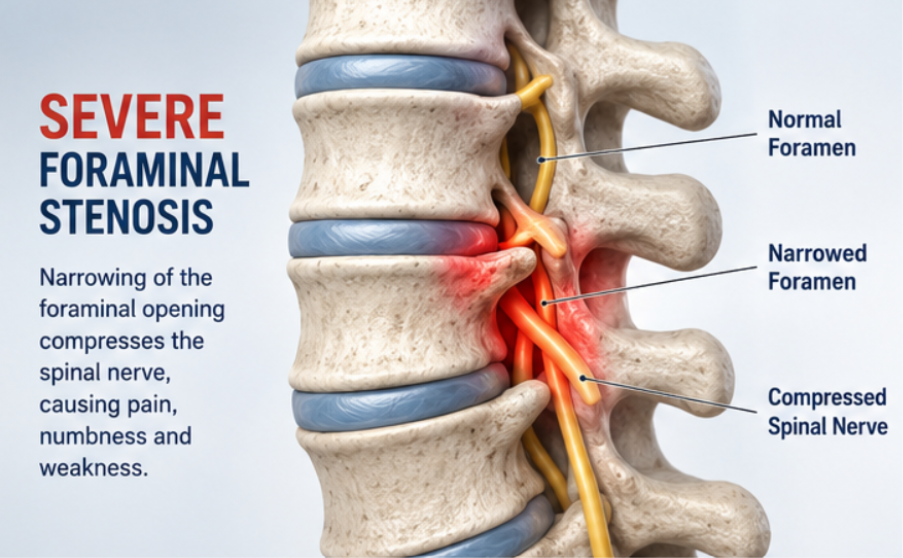
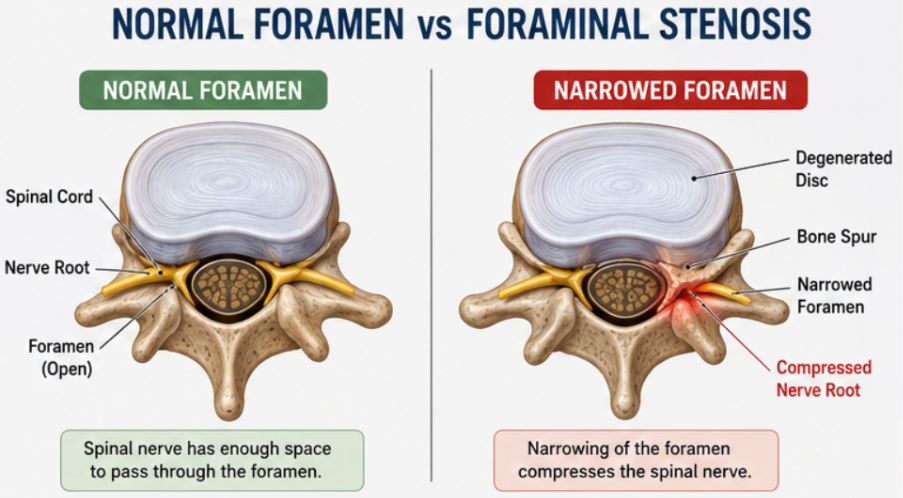
Spinal stenosis occurs when the protective passageway within the spine becomes narrower, reducing the space available for nerves and the spinal cord. When spinal narrowing progresses, increased pressure on the nerves can result in symptoms including pain, numbness, weakness and reduced mobility.
The condition is most diagnosed in adults over the age of 50 because the spine naturally undergoes age-related wear and tear over time. However, spinal stenosis can also affect younger individuals due to congenital spinal conditions, traumatic injuries, herniated discs or other structural abnormalities of the spine.
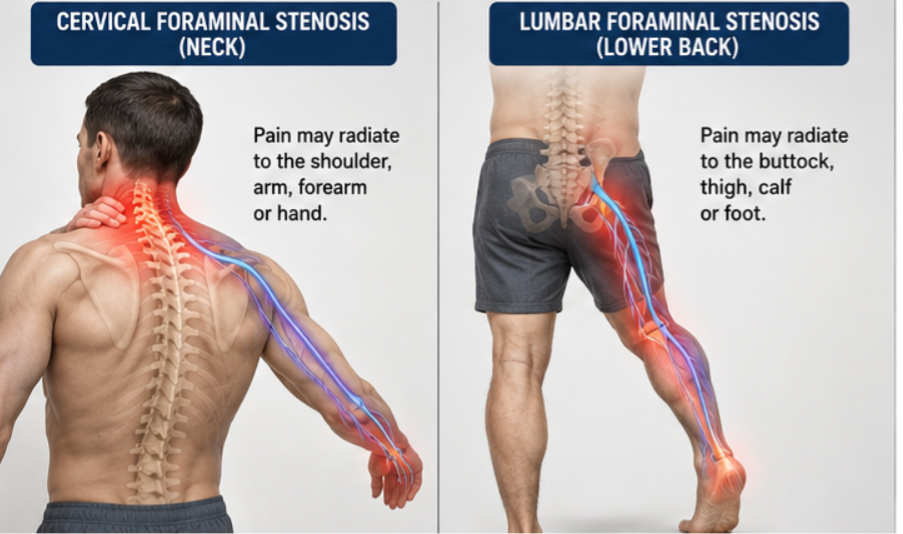
While spinal stenosis can occur throughout the spine, it is most frequently diagnosed in these two regions:
- Cervical spinal stenosis (neck)
- Lumbar spinal stenosis (lower back)
Among these, lumbar spinal stenosis is significantly more common because the lower back supports most of the body’s weight and experiences greater mechanical stress throughout daily activities.
Common Causes of Spinal Stenosis
Several conditions can contribute to narrowing of the spinal canal. Identifying the underlying cause helps physicians recommend the most appropriate modern spinal stenosis treatments for long-term symptom relief.
Common causes include:
- Age-related degeneration of spinal discs
- Osteoarthritis causing bone spur formation
- Thickened spinal ligaments
- Herniated discs
- Spinal injuries or fractures
- Congenital narrowing of the spinal canal
- Spinal tumors (rare)
As these conditions progress, nerve compression becomes more severe, increasing pain and limiting normal movement.
Risk Factors
Some people have a higher risk of developing spinal stenosis due to specific health or lifestyle factors.
Major risk factors include:
- Being over 50 years old
- Chronic arthritis
- Previous spinal injuries
- Poor posture
- Obesity
- Repetitive heavy lifting
- Family history of spinal disorders
While aging cannot be prevented, maintaining a healthy weight, staying physically active, and practicing good posture may reduce the likelihood of worsening spinal degeneration.
Symptoms That May Indicate You Need Spinal Stenosis Treatment
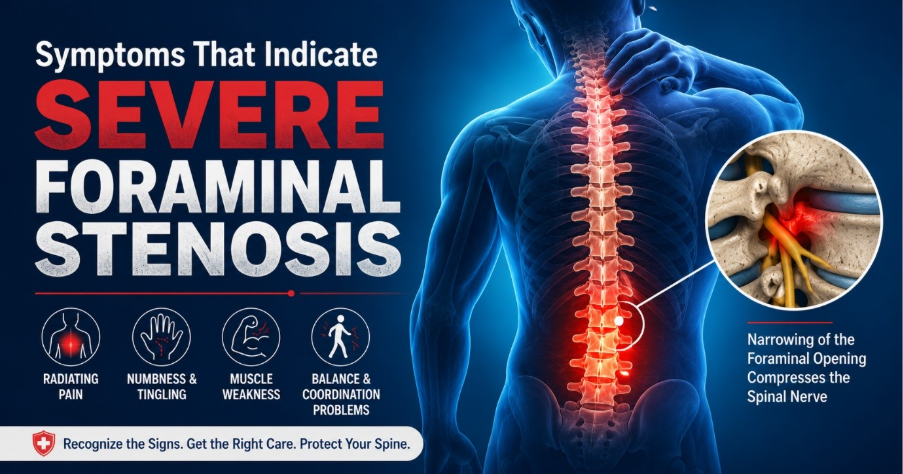
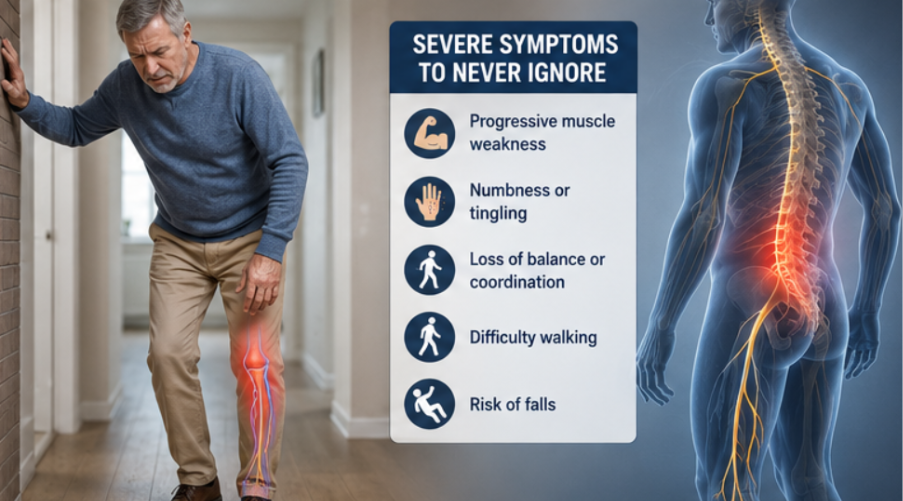
Symptoms often develop gradually, making them easy to overlook during the early stages. Recognizing these warning signs allows patients to seek evaluation before nerve damage becomes more significant.
Early Symptoms
Early symptoms may come and go, particularly after standing or walking for long periods. Many patients initially mistake these signs for ordinary muscle fatigue or age-related stiffness.
Common early symptoms include:
- Lower back pain
- Neck stiffness
- Tingling sensations in the arms or legs
- Mild numbness
- Muscle weakness
- Leg discomfort after walking
Symptoms frequently improve after sitting or bending forward because these positions temporarily reduce pressure on the spinal nerves.
Progressive Symptoms
Without proper spinal stenosis treatment, symptoms may gradually become more severe and interfere with everyday activities.
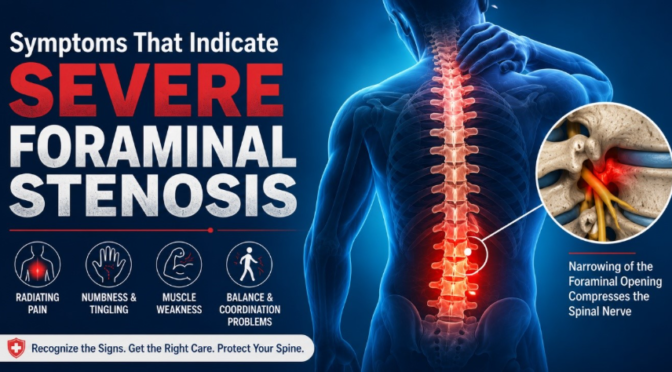
Patients may experience:
- Difficulty walking long distances
- Loss of balance
- Increased leg weakness
- Pain radiating into the buttocks or legs
- Persistent numbness
- Reduced coordination
In advanced cases, severe nerve compression may affect bladder or bowel function, requiring immediate medical attention.
When Should You See a Spine Specialist?
Early diagnosis plays a major role in successful treatment outcomes. You should schedule an evaluation if symptoms persist for several weeks or continue to worsen despite rest and conservative care.
Seek medical attention immediately if you experience:
- Sudden loss of strength
- Severe numbness
- Difficulty controlling bladder or bowel function
- Loss of balance resulting in falls
- Persistent pain that remains severe even after using pain medication
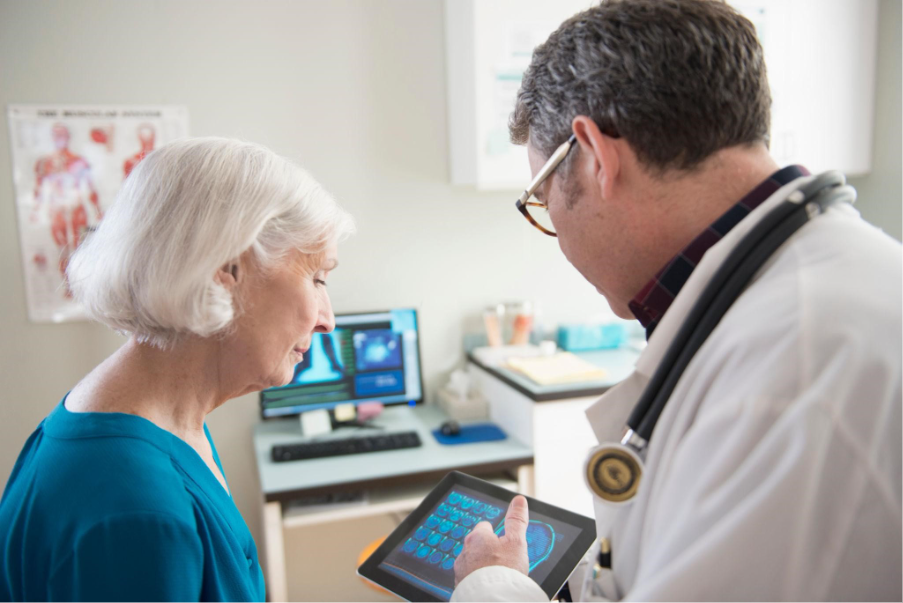
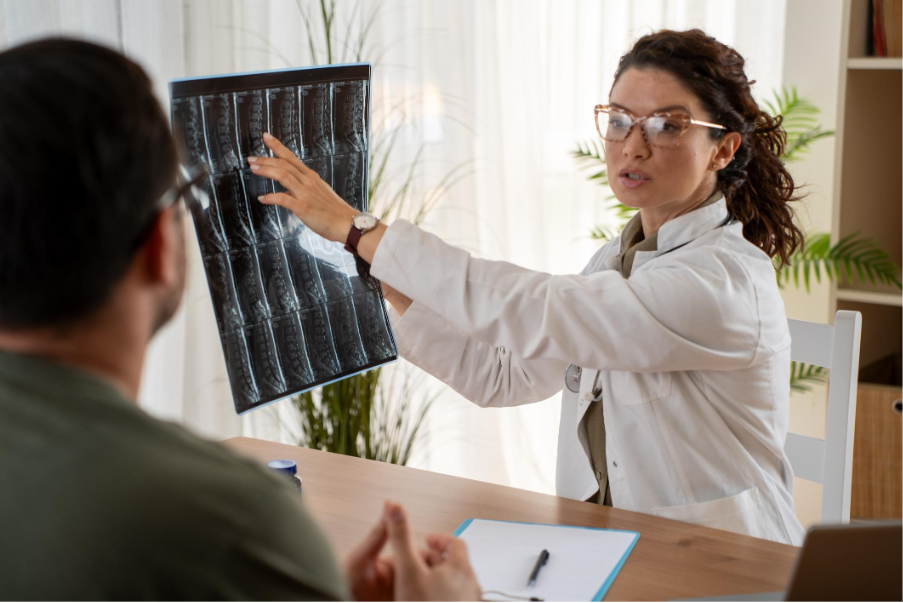
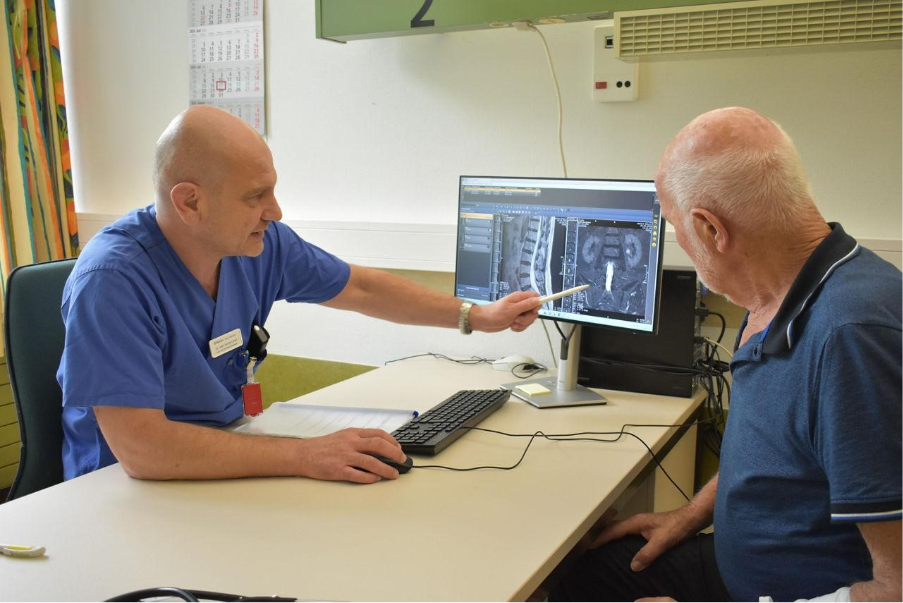
Modern diagnostic imaging, such as MRI and CT scans, enables specialists to assess the exact location and severity of spinal stenosis, helping guide personalized treatment recommendations.
Modern Spinal Stenosis Treatments Available Today
Medical technology has evolved significantly, allowing specialists to provide more accurate diagnoses and improved treatment options for spinal stenosis. Today, physicians focus on personalized treatment plans that address each patient’s symptoms, lifestyle, and overall health. Some individuals can achieve lasting relief without surgery, while others may require minimally invasive treatments that help shorten recovery time and enhance long-term results.
Treatment recommendations are tailored to each patient based on several factors, including the severity of spinal narrowing, the extent of nerve compression, age, activity level and overall health. In many cases, a personalized treatment plan that combines multiple approaches provides the most effective long-term symptom relief and functional improvement.
Conservative Treatment Options
Most treatment plans begin with conservative, non-surgical options before surgery are considered. These approaches aim to ease inflammation, reduce nerve compression, improve movement and restore normal daily function. These treatments can effectively manage symptoms, enhance quality of life and, in many cases, delay or eliminate the need for surgical intervention.
Common nonsurgical options include:
- Physical therapy
- Anti-inflammatory medications
- Epidural steroid injections
- Activity modification
- Weight management
- Posture correction
- Assistive devices when necessary
Many patients notice gradual improvement after several weeks of consistent treatment, especially when lifestyle changes are combined with rehabilitation exercises.
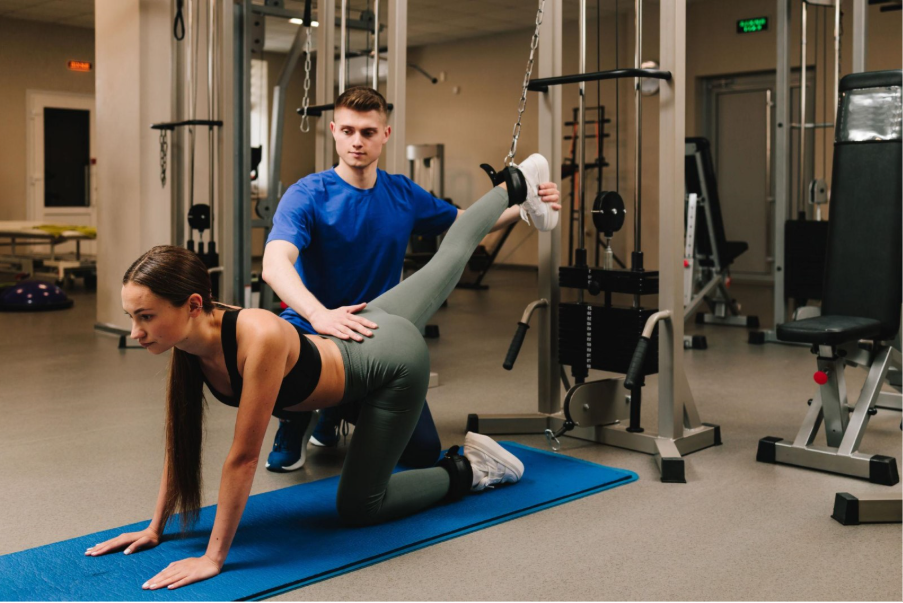
Physical Therapy
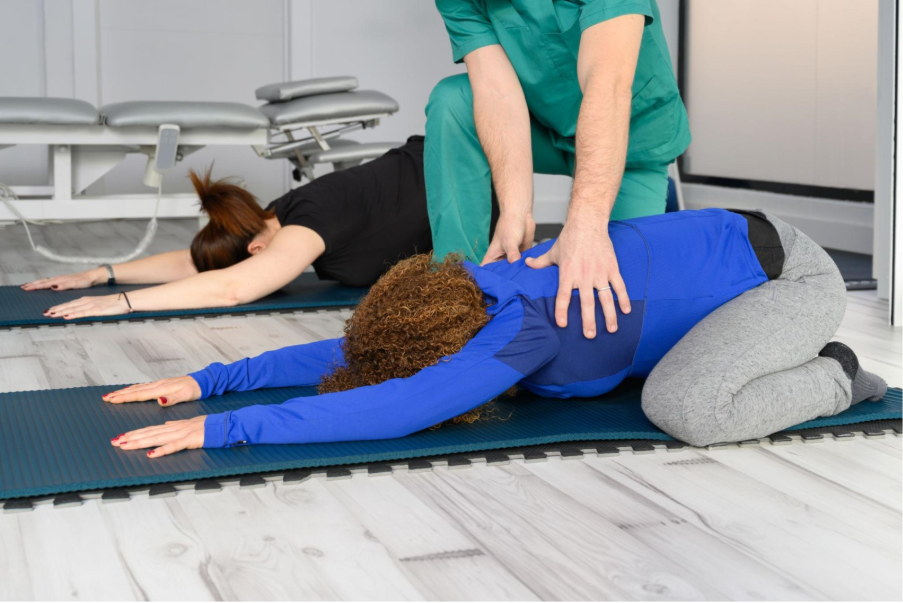
Physical therapy is often one of the most effective first-line spinal stenosis treatment options. A personalized rehabilitation plan is developed by a licensed therapist to build spinal strength, improve flexibility and promote better posture.
Therapy programs typically include:
- Core strengthening exercises
- Stretching routines
- Balance training
- Walking exercises
- Low-impact aerobic conditioning
These exercises reduce stress on the spine, improve stability, and help patients move more comfortably without placing excessive pressure on compressed nerves.
Medications
Medication may help control symptoms while patients participate in rehabilitation. Depending on individual needs, physicians may recommend:
- Nonsteroidal anti-inflammatory drugs (NSAIDs)
- Acetaminophen
- Muscle relaxants
- Prescription pain medications for short-term use
- Nerve pain medications
Medication should always be taken under medical supervision and is generally considered part of a broader treatment strategy rather than a long-term solution.
Epidural Steroid Injections
For patients experiencing persistent nerve inflammation, epidural steroid injections may provide temporary relief. These injections reduce swelling around irritated nerves, helping decrease pain and improve mobility.
Although injections are not a permanent cure, they often allow patients to participate more effectively in physical therapy and delay or eliminate the need for surgery.
Lumbar Spinal Stenosis Treatment Options
Because the lower back supports most of the body’s weight, lumbar spinal stenosis treatment is one of the most common concerns among spine specialists. Symptoms typically include lower back pain, leg numbness, weakness, and difficulty walking for extended periods.
Treatment usually begins with conservative care. However, when symptoms continue to worsen despite several months of therapy, physicians may recommend minimally invasive procedures or surgery.
Some of today’s most effective modern spinal stenosis treatments for lumbar stenosis include:
- Minimally invasive decompression procedures
- Microsurgical decompression
- Endoscopic spine surgery
- Image-guided spinal injections
- Motion-preserving surgical techniques
These advanced procedures require smaller incisions than traditional surgery, resulting in reduced blood loss, less postoperative pain, and faster recovery for many patients.
When Surgery Becomes the Best Spinal Stenosis Treatment?
Although many individuals improve without surgery, some patients eventually require an operation when nerve compression becomes severe or neurological symptoms continue to progress.
Surgery may be recommended if patients experience:
- Persistent pain despite conservative treatment
- Significant leg weakness
- Difficulty walking short distances
- Progressive numbness
- Loss of bladder or bowel control
- Reduced quality of life
Spine surgery is performed to reduce compression on the spinal cord and affected nerves while preserving spinal stability whenever feasible. The specific surgical procedure is selected based on the location and severity of the condition, as well as the patient’s overall health and treatment goals.
Common surgical procedures include:
- Laminectomy – A frequently performed spine surgery designed to widen the spinal canal by removing part of the vertebra, helping relieve nerve pressure and improve function.
- Laminotomy – Removes a smaller portion of bone while preserving more spinal structure.
- Spinal Fusion – Stabilizes the spine when instability is present.
- Minimally Invasive Spine Surgery – Uses specialized instruments through smaller incisions to reduce tissue damage and shorten recovery time.
Thanks to advances in surgical technology, many modern procedures allow patients to return home the same day or after a short hospital stay.
Recovery After Modern Spinal Stenosis Treatments
Recovery varies depending on the chosen spinal stenosis treatment, but most patients begin walking soon after surgery or minimally invasive procedures. Early movement improves circulation, reduces stiffness, and supports healing.
Recovery recommendations typically include:
- Walking short distances several times each day
- Avoiding heavy lifting
- Following prescribed physical therapy programs
- Maintaining good posture
- Taking medications as directed
- Attending follow-up appointments
Patients who actively participate in rehabilitation often regain strength, flexibility, and confidence more quickly than those who remain inactive.
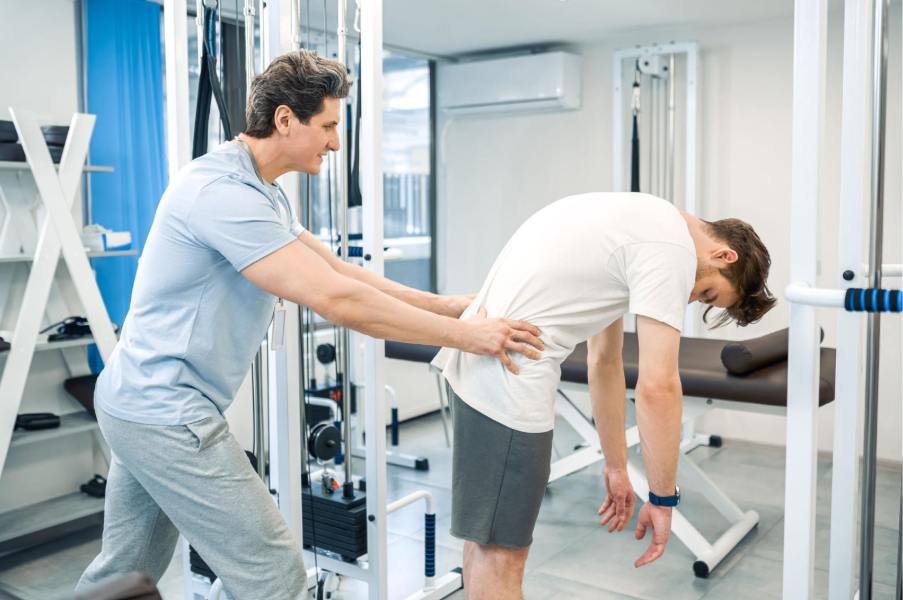
Whether treatment is surgical or nonsurgical, maintaining a healthy weight, exercising regularly, and protecting the spine through proper body mechanics help maximize long-term success.
How to Prevent Spinal Stenosis From Worsening
While aging cannot be stopped, adopting healthy habits can help slow the progression of spinal stenosis and support long-term spine health. Whether you have recently started spinal stenosis treatment or completed surgery, preventive care plays an important role in maintaining mobility and reducing future complications.
Here are a few practical ways to protect your spine:
- Managing your weight effectively can ease pressure on the lower back and contribute to improved spinal health over time.
- Keep your weight within a healthy range to minimize strain on the lower back and protect your spine.
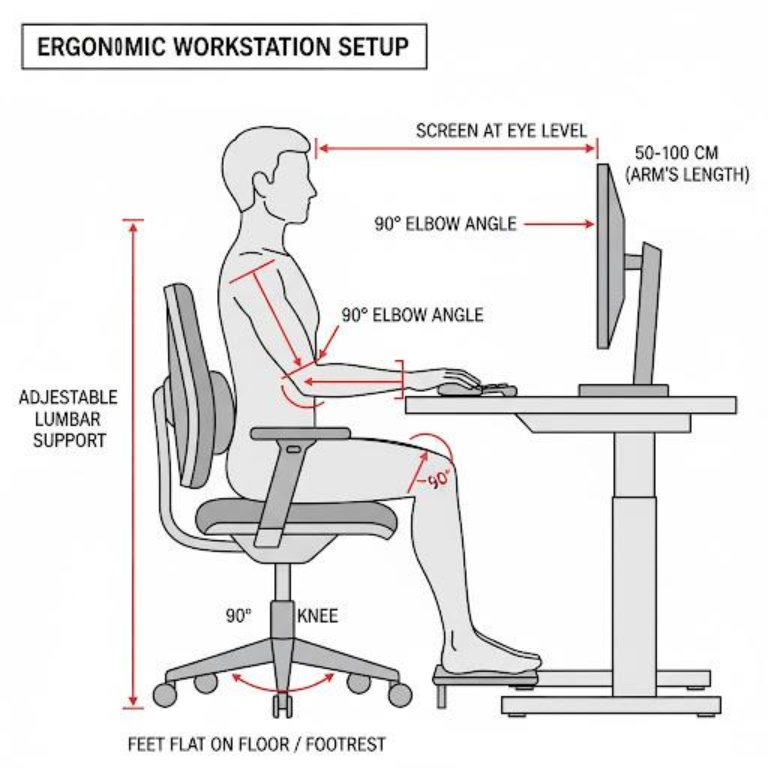
- Practice proper posture while sitting, standing, and lifting heavy objects.
- Build core strength to help support your spine and improve overall stability.
- Attend regular follow-up appointments and follow your physician’s recommendations.
These simple lifestyle changes complement modern spinal stenosis treatments and can improve long-term outcomes.
Conclusion
Living with spinal stenosis does not mean living with constant pain. Advances in spinal stenosis treatment have made it possible to relieve symptoms, restore mobility, and improve quality of life through personalized care plans. From conservative therapies and rehabilitation to minimally invasive procedures and advanced surgical techniques, today’s treatment options offer effective solutions for patients at every stage of the condition.
Don’t ignore persistent back pain, leg numbness, or difficulty walking. Consult a healthcare professional before your symptoms become more severe. Early evaluation can lead to better outcomes and help you return to an active lifestyle sooner.
Don’t let persistent back or neck pain limit your daily life. Begin your journey toward better spine health by meeting with a qualified spine specialist for a thorough assessment and customized treatment recommendations based on your condition.
Frequently Asked Questions
1. What is the most effective spinal stenosis treatment?
Healthcare providers develop personalized treatment strategies by evaluating the condition’s severity along with the patient’s overall health and individual requirements. Mild cases often respond well to physical therapy, medications, and injections, while severe nerve compression may require surgery.
2. Can lumbar spinal stenosis be treated without surgery?
Yes. Many patients benefit from lumbar spinal stenosis treatment through physical therapy, lifestyle changes, pain management, and minimally invasive procedures before surgery is considered.
3. How long does recovery take after spinal stenosis surgery?
Recovery varies by procedure and individual health. Many patients resume light activities within a few weeks, while full recovery may take several months with rehabilitation.