
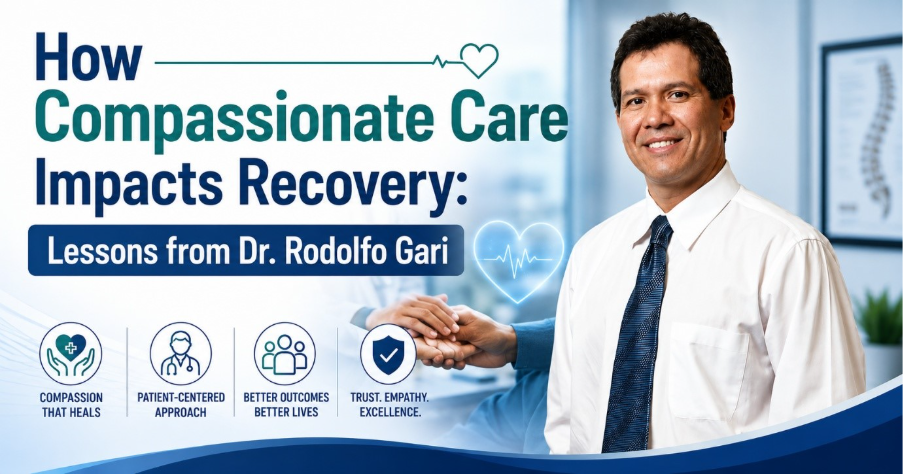
How Compassionate Care Impacts Recovery: Lessons from Dr. Rodolfo Gari
Recovery is about more than medications, surgeries and rehabilitation plans. For many patients, the emotional support they receive throughout their healthcare journey is just as important as the medical treatment itself. Compassionate care in healthcare has become an essential part of modern medicine because it recognizes that healing involves both the body and the mind.
Patients who feel heard, valued and supported are more likely to trust their healthcare team, follow treatment recommendations and remain optimistic during recovery. Research has consistently shown that empathy, effective communication and patient engagement contribute to better clinical outcomes, greater satisfaction and improved overall well-being.
One physician who exemplifies these principles is Dr. Rodolfo Gari. Through his patient-first philosophy, Dr. Gari has demonstrated that combining medical expertise with genuine compassion creates a healing environment where patients feel valued rather than treated as just another medical case. His approach highlights how kindness, trust and personalized attention can positively influence every stage of recovery.
In this article, you’ll discover how compassionate care supports physical and emotional healing, explore valuable lessons inspired by Dr. Gari’s approach and learn why empathy continues to shape the future of modern healthcare.
Why Compassionate Care in Healthcare Is Essential for Recovery?
Healthcare has evolved significantly over the years. While advanced technology and innovative treatments continue to improve survival rates, many experts agree that successful recovery also depends on the quality of the relationship between healthcare providers and patients.
At its core, compassionate care in healthcare means recognizing each patient’s unique experiences, emotions, concerns and goals. It goes beyond treating symptoms by ensuring patients feel understood throughout their healthcare journey.
What Is Compassionate Care in Healthcare?
Compassionate care combines clinical excellence with emotional intelligence. It encourages healthcare professionals to communicate openly, listen actively and involve patients in decisions about their treatment.
Rather than focusing solely on diseases, compassionate providers consider the individual’s physical, emotional, psychological and social needs.
Key characteristics include:
- Active listening
- Respectful communication
- Emotional support
- Personalized treatment planning
- Shared decision-making
- Cultural sensitivity
- Consistent follow-up care
These qualities create stronger relationships between patients and providers, making recovery less stressful and more collaborative.
How Compassion Improves Recovery
Research continues to show that empathy plays an important role in the healing process. Patients who trust their physicians often experience lower stress levels, improved treatment adherence and greater confidence throughout recovery.
Some of the biggest advantages include:
- Better communication between patients and providers
- Higher medication compliance
- Reduced anxiety before and after procedures
- Faster recovery through improved patient engagement
- Greater patient satisfaction
- Lower risk of treatment misunderstandings
These outcomes demonstrate why healthcare organizations increasingly prioritize compassion alongside medical expertise.
Lessons from Dr. Rodolfo Gari’s Patient-First Approach
Every healthcare professional develops a unique philosophy of patient care. Dr. Rodolfo Gari’s approach emphasizes that exceptional medicine begins with understanding the person behind every diagnosis.
His commitment reflects the growing importance of patient-centered care benefits, where treatment plans are tailored to everyone’s specific needs, preferences and recovery goals.
Building Trust Before Treatment
One of the most valuable lessons from Dr. Gari’s philosophy is the importance of establishing trust before beginning treatment.
Many patients enter medical appointments feeling anxious, overwhelmed or uncertain about their diagnosis. Taking the time to explain medical conditions clearly, answer questions honestly and address concerns helps reduce fear and build confidence.
Compassionate, patient-centered care fosters trust, encourages active participation in treatment and contributes to improved healthcare outcomes.
When patients understand their options, they are more likely to:
- Follow prescribed medications
- Attend follow-up appointments
- Participate in rehabilitation
- Report symptoms early
- Maintain healthier lifestyles
This collaborative relationship ultimately supports improving patient outcomes healthcare by encouraging consistent engagement throughout recovery.
Personalizing Every Patient Experience
No two patients recover in the same way.
Factors such as age, lifestyle, medical history, emotional health, family support and personal goals all influence healing. Dr. Gari’s patient-centered philosophy recognizes these differences and adapts care accordingly.
Personalized care may include:
- Individual recovery timelines
- Customized rehabilitation plans
- Lifestyle counselling
- Nutritional guidance
- Mental health support
- Family education
These individualized strategies improve patient confidence while helping healthcare teams deliver more effective treatment.
The Role of Empathy in Patient Care During Recovery
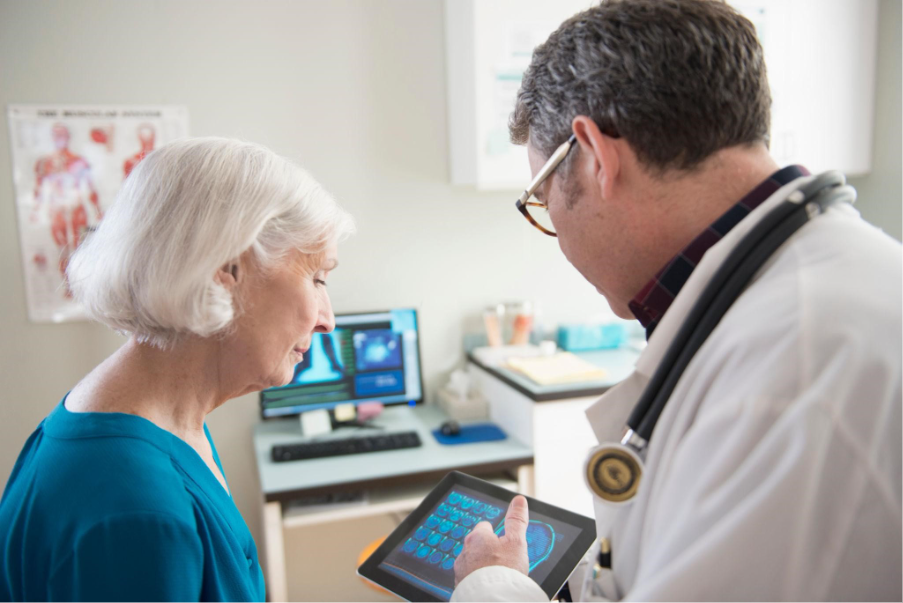
Recovery often brings uncertainty. Patients may experience pain, emotional distress, mobility challenges or concerns about returning to normal life. During these moments, empathy in patient care becomes one of the most valuable tools available to healthcare professionals.
Empathy means understanding a patient’s feelings while responding with genuine compassion and respect. It allows providers to create a safe environment where patients feel comfortable expressing fears, asking questions and discussing treatment concerns.
Unlike sympathy, which focuses on feeling sorry for someone, empathy involves understanding another person’s perspective while maintaining professional support.
Emotional Healing Supports Physical Healing
Medical research increasingly recognizes the connection between emotional well-being and physical recovery. Managing stress and anxiety is essential, as prolonged emotional distress can affect sleep, weaken immunity, increase pain perception and hinder recovery.
Healthcare professionals who practice empathetic communication help patients feel reassured during difficult moments, making treatment more manageable.
Some emotional benefits include:
- Reduced fear before procedures
- Increased confidence in treatment decisions
- Better stress management
- Improved motivation during rehabilitation
- Stronger relationships with healthcare providers
These factors contribute significantly to patient-centered care benefits, reinforcing the idea that emotional support is an essential component of quality healthcare rather than an optional addition.
How Compassionate Care in Healthcare Improves Long-Term Recovery
Patient recovery goes beyond hospital discharge, with ongoing care and support playing a vital role in long-term healing. Long-term healing depends on consistent follow-up, education and ongoing support. This is where compassionate care in healthcare continues to make a meaningful difference. By maintaining open communication and encouraging patients throughout their recovery journey, healthcare providers help individuals stay motivated and committed to their treatment plans.
Patients who receive compassionate care are more likely to attend follow-up appointments, adopt healthier lifestyle habits, and communicate concerns before they become serious complications. This proactive approach not only supports physical healing but also enhances emotional resilience, leading to improving patient outcomes healthcare over time.
Lessons Healthcare Providers Can Learn from Dr. Rodolfo Gari
Dr. Rodolfo Gari’s patient-first philosophy demonstrates that compassionate care is not limited to bedside interactions-it should be integrated into every stage of the patient experience. Whether explaining a diagnosis, preparing a patient for surgery, or monitoring post-treatment recovery, empathy and clear communication strengthen trust and improve collaboration.
Healthcare professionals can incorporate these principles by:
- Listening actively before recommending treatment.
- Explaining complex medical information in simple, understandable language.
- Encourage patient engagement by supporting questions and active participation in treatment decisions to improve healthcare outcomes.
- Recognizing emotional concerns alongside physical symptoms.
- Providing personalized follow-up care to ensure continued progress.
These practices reinforce the patient-centered care benefits that modern healthcare systems strive to achieve while helping patients feel respected and empowered.
The Future of Compassionate Care in Healthcare
As healthcare continues to evolve through advanced technologies and innovative treatments, the human connection between providers and patients remains irreplaceable. Artificial intelligence, telemedicine and digital health tools can improve efficiency, but they cannot replace the reassurance offered by a compassionate conversation or the confidence inspired by an empathetic healthcare professional.
Combining clinical expertise with compassionate, patient-centered care will shape the future of medicine by delivering more holistic and personalized healthcare experiences. Organizations that prioritize compassion alongside medical excellence are better positioned to improve patient satisfaction, build lasting trust and achieve superior clinical outcomes.
Conclusion
The lessons inspired by Dr. Rodolfo Gari highlight that exceptional healthcare extends beyond diagnosing and treating illness. Compassionate care in healthcare fosters trust, reduces anxiety, encourages patient engagement and supports faster, more meaningful recovery. Combining medical expertise with compassionate, patient-centered care helps patients feel heard, respected and confident, leading to a more positive healing experience.
If you are looking for personalized, patient-focused care that prioritizes both clinical excellence and compassionate support, schedule a consultation with Dr. Rodolfo Gari today. Experience how empathy, expertise and individualized treatment can make a lasting difference in your recovery.
Frequently Asked Questions
1. What is compassionate care in healthcare?
Compassionate care in healthcare is an approach that combines clinical expertise with empathy, respect and personalized communication to support both the physical and emotional well-being of patients.
2. How does compassionate care improve patient recovery?
Compassionate care reduces stress, strengthens trust between patients and providers, encourages treatment adherence and contributes to improving patient outcomes healthcare by promoting active patient participation.
3. Why is empathy important in-patient care?
Empathy in patient care helps healthcare professionals understand patients’ concerns, provide emotional reassurance and build stronger relationships that improve satisfaction and overall recovery.