Herniated Disc: Should You Choose Surgery or Play It Safe?
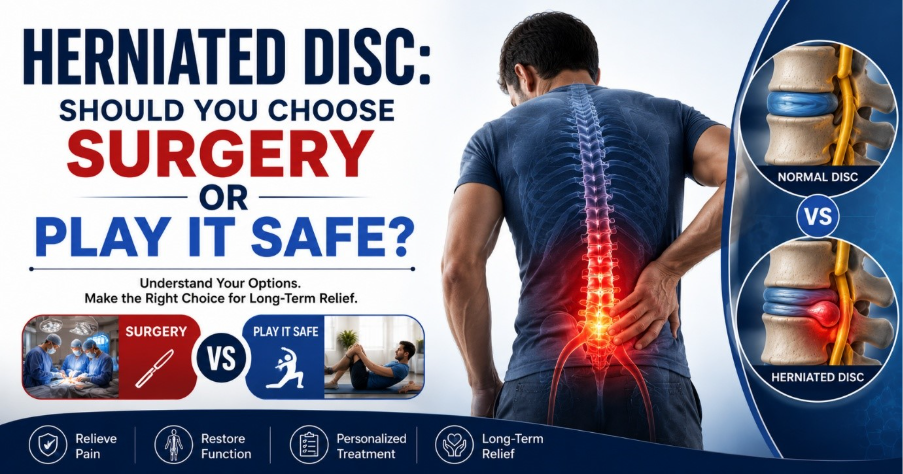
A herniated disc can turn ordinary activities such as walking, sitting, sleeping or working into painful experiences. When a disc in the spine pushes through its outer layer and irritates a nearby nerve, symptoms may include back pain, sciatica, numbness, tingling or weakness in an arm or leg. However, having a herniated disc on an MRI does not automatically mean that surgery is necessary. Many people improve with conservative treatment.
This often leaves patients asking an important question: Should I choose surgery or is it safer to continue with non-surgical treatment?
The answer depends on several factors. The location and severity of the herniation, the symptoms it is causing, neurological findings, how long symptoms have lasted and how well you respond to conservative treatment all matter.
Understanding the available herniated disc treatment options can help you have a more productive conversation with your healthcare provider and decide based on your individual circumstances.
Dr. Rodolfo Gari, MD, takes a comprehensive approach to pain management, evaluating the underlying cause of symptoms before recommending an appropriate treatment strategy. His approach may include conservative and interventional options when appropriate, with further specialist evaluation when surgery becomes necessary.
What Is a Herniated Disc?
Between the bones of your spine are flexible structures called intervertebral discs. They act as cushions and help the spine move while absorbing mechanical stress.
A herniated disc develops when part of the softer inner material pushes through a weakened or torn area of the tougher outer layer. If the protruding material presses against a nearby nerve, it can produce symptoms along the path of that nerve.
Common Symptoms
The location of the herniated disc and the affected nerve can influence the type and severity of symptoms. These may include:
- Lower back or neck pain
- Pain radiating into an arm or leg
- Numbness or tingling
- Burning or shooting pain
- Muscle weakness
- Difficulty walking or maintaining normal activities
Some people have a herniated disc without experiencing any symptoms at all.
An imaging scan is only one part of the evaluation, so its findings need to be considered alongside your symptoms and physical exam.
Herniated Disc Surgery vs Non-Surgical Treatment
When comparing herniated disc surgery vs non-surgical approaches, the key question is not simply which treatment is “better.”
Instead, the goal is to determine which approach makes sense for the individual’s symptoms and clinical situation.
For many patients, initial management is conservative. It may include:
- Activity modification
- Physical therapy
- Appropriate pain medications
- Exercise and rehabilitation
- Targeted injections in selected cases
- Lifestyle adjustments
Mayo Clinic notes that many patients improve within a few days or weeks with non-surgical treatment. If symptoms continue despite these measures or neurological problems become more serious, surgery may be considered.
Why Non-Surgical Treatment Is Often the First Step?
A herniated disc does not necessarily require an operation. If symptoms are manageable and neurological function remains stable, a healthcare professional may recommend allowing time for healing while controlling pain and maintaining appropriate activity.
Physical therapy can help improve movement, flexibility and core strength. In selected patients, an image-guided steroid injection may also help reduce inflammation around an irritated nerve.
For many people, this approach provides meaningful improvement without the risks associated with surgery.
What Are the Main Herniated Disc Treatment Options?
There is no single treatment that works for everyone. The right treatment option will depend on what is causing your symptoms and how much they are affecting you.
Physical Therapy
With the right physical therapy program, you can work on flexibility and strength while learning movement techniques that help take pressure off the spine.

Medication
Depending on your health and symptoms, a healthcare professional may recommend medications to manage pain or inflammation. Medication choices should be individualized, particularly for people with other medical conditions or who take other medicines.
Epidural or Other Targeted Injections
For selected patients, an injection near an irritated spinal nerve may reduce inflammation and provide temporary pain relief. These procedures are typically performed with imaging guidance.
Lifestyle and Activity Changes
Maintaining appropriate activity, improving posture, strengthening the core, managing body weight and avoiding movements that aggravate symptoms can support recovery.
The objective is not simply to eliminate pain temporarily but to restore function and help patients return to their normal activities.
When Do You Need Surgery for a Herniated Disc?
One of the most common patient questions is, “Do you need surgery for herniated disc?”
In most cases, surgery is not the first treatment. However, surgery may become appropriate when symptoms remain severe or neurological problems develop despite appropriate conservative treatment.
Potential reasons for considering surgery include:
- Persistent, significant pain despite non-surgical treatment
- Progressive muscle weakness
- Difficulty standing or walking
- Significant functional limitations
- Persistent nerve-related symptoms that do not improve
- A herniation on imaging that matches the patient’s symptoms
Mayo Clinic states that diskectomy may be considered when conservative treatment has failed, when nerve weakness affects standing or walking or when pain traveling into the limbs becomes difficult to manage.
The exact timing should be individualized rather than based solely on a fixed number of weeks.
When Is Herniated Disc Surgery Urgent?
There is an important distinction between elective surgery and an emergency.
Rarely, a large disc herniation can compress the bundle of nerves called the cauda equina. This can cause a serious condition requiring urgent medical evaluation.
Warning Signs That Require Urgent Attention
Emergency medical evaluation may be necessary if you develop symptoms such as:
- New loss of bladder or bowel control
- Difficulty urinating
- Numbness around the inner thighs, buttocks or genital region
- Rapidly worsening weakness
- Severe neurological changes
These symptoms should not be managed by simply waiting for routine treatment. Prompt assessment is important because severe nerve compression can result in permanent neurological problems.
What Is Lumbar Discectomy?
When a lumbar herniated disc is responsible for significant nerve compression, one surgical option may be a diskectomy, also called discectomy.
The procedure removes the portion of the disc that is pressing on the affected nerve. The objective is to relieve nerve compression and reduce radiating pain, numbness or weakness.
A discectomy tends to be more useful for nerve-related pain traveling into an arm or leg than for pain that is confined primarily to the back.
Minimally Invasive Discectomy
Minimally invasive techniques may be appropriate for certain patients, depending on their condition. These approaches use smaller incisions and specialized instruments to reach the affected disc.
However, minimally invasive surgery is not automatically appropriate for every patient. The specific anatomy, number of affected discs, other spinal conditions and overall health must be considered before selecting a surgical technique.

What Are the Benefits and Risks of Surgery?
For appropriately selected patients, surgery can provide significant relief from nerve-related symptoms.
Potential Benefits
A successful discectomy may:
- Relieve pressure on a spinal nerve
- Reduce radiating leg or arm pain
- Improve mobility
- Help restore daily function
- Address persistent neurological symptoms in appropriate cases
Potential Risks
As with any operation, discectomy carries potential risks. These can include:
- Infection
- Bleeding
- Spinal fluid leakage
- Nerve or blood-vessel injury
- Recurrent disc herniation
- Persistent or recurrent symptoms
Mayo Clinic lists bleeding, infection, spinal fluid leakage and injury to nearby nerves or blood vessels among potential complications.
A surgeon should discuss the expected benefits and risks in the context of your specific condition.
How to Decide Between Surgery and Conservative Care
The decision should be based on more than the MRI report.
A comprehensive evaluation generally considers:
Your Symptoms
Where is the pain located? Does it travel into an arm or leg? Are there changes in sensation or strength?
Your Neurological Examination
Strength, reflexes, sensation and walking ability can provide important information about nerve function.
Your Imaging
MRI can show whether a disc herniation is compressing a nerve and whether the findings correspond to your symptoms.
Your Response to Treatment
If symptoms are improving with conservative care, continuing that approach may make sense. If severe symptoms persist or neurological function worsens, further evaluation may be appropriate.
Your Goals and Overall Health
Work requirements, activity levels, other health conditions, previous treatments and personal preferences can all influence the decision.
This individualized process is essential because the presence of a herniated disc alone does not determine whether surgery is necessary.
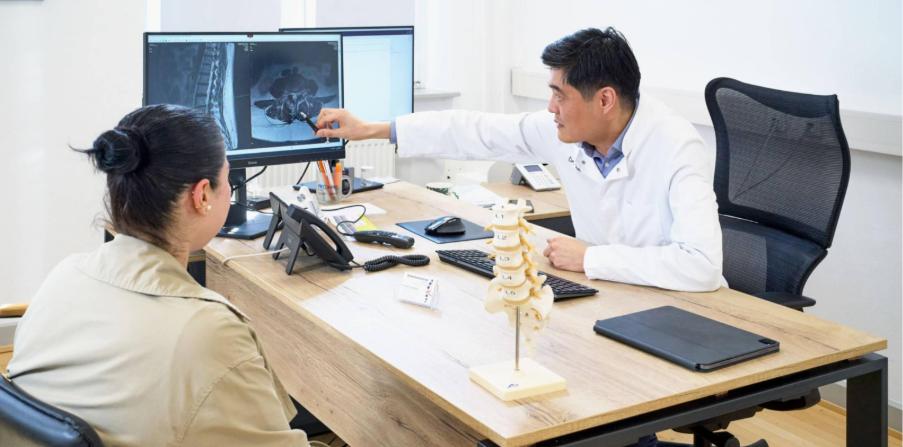
How Dr. Rodolfo Gari Approaches Herniated Disc Pain
Effective treatment starts with identifying the source of the pain.
Dr. Rodolfo Gari looks at the bigger picture when managing pain, considering your symptoms, how they affect your everyday activities and which treatment options may work best for you.
Depending on the patient’s condition, treatment may involve conservative care, rehabilitation, interventional procedures or referral for additional specialist evaluation when appropriate.
Patients can also explore non-surgical pain management options before deciding whether surgery is necessary.
The goal is to help patients understand their condition and make informed decisions rather than automatically choosing either surgery or prolonged conservative care.
Conclusion
Choosing between surgery and non-surgical care for a herniated disc is not a simple either-or decision. For many patients, conservative treatment provides substantial improvement, while others may benefit from surgery when persistent symptoms, functional limitations or neurological problems make further non-surgical care insufficient.
The most appropriate herniated disc treatment options depend on the individual-not simply on an MRI finding. If you’re experiencing persistent back pain, sciatica, numbness or weakness, a professional evaluation can help determine what is causing your symptoms and which treatment strategy is appropriate. Dr. Rodolfo Gari, MD provides individualized pain-management care designed around each patient’s symptoms, diagnosis and goals.
Frequently Asked Questions
1. Do you need surgery for a herniated disc?
Not always. Many people improve with non-surgical treatments. Surgery may be considered if severe pain persists or neurological problems develop.
2. What is the difference between surgical and non-surgical treatment?
Non-surgical care may include physical therapy, medication, activity changes and injections. Surgery removes the disc material compressing a nerve.
3. How long should you try non-surgical treatment?
There is no fixed timeframe. Many patients improve within several weeks, but persistent symptoms or worsening weakness may require earlier surgical evaluation.