How Lifestyle and Posture Impact Chronic Pain – Insights from Dr. Rodolfo Gari
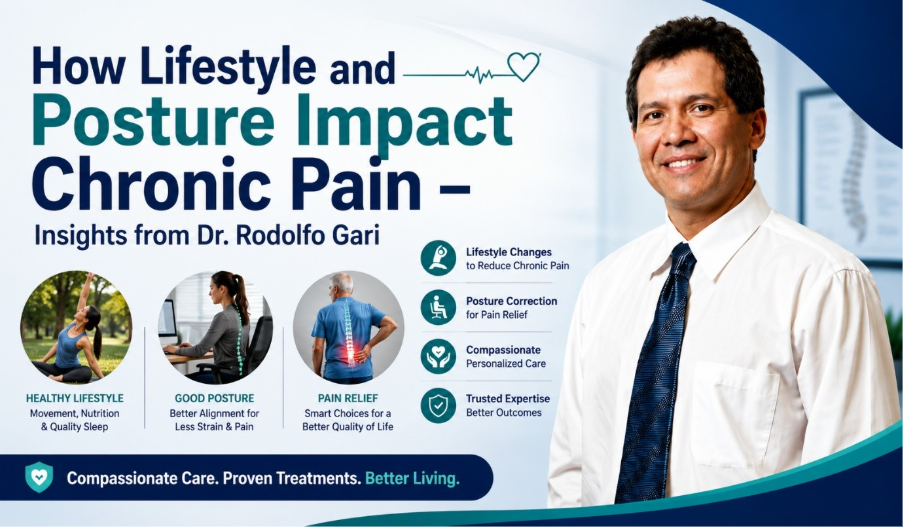
Pain can change the way a person moves, sleeps, works and participates in everyday activities. While medication may provide temporary pain relief, long-term improvement often requires a broader look at daily habits. The connection between lifestyle and chronic pain is especially important because activity, sleep, stress and physical conditioning can influence how the body responds to persistent discomfort.
Posture and chronic pain can also be connected when prolonged sitting or repetitive positions contribute to strain. Understanding these patterns can help patients make informed decisions about lifestyle changes to reduce chronic pain and explore appropriate posture correction for pain relief with guidance from a qualified healthcare professional.
Understanding the Connection Between Lifestyle and Chronic Pain
The relationship between lifestyle and chronic pain is complex. Chronic pain may result from an underlying medical condition or injury. At the same time, daily behaviors can influence physical function and how a person copes with persistent symptoms.
Physical inactivity is one important factor. When pain causes someone to avoid movement, muscle strength and physical conditioning may decline. This can make everyday activities more difficult and potentially contribute to a cycle of reduced activity and discomfort.
People living with chronic pain can often benefit from safe, condition-appropriate exercise, the National Institute on Aging notes. Physical activity may support pain management while inactivity can contribute to increased pain and loss of function.
How Posture and Chronic Pain May Interact
Posture and chronic pain are often discussed together because people can spend several hours each day sitting, standing or working in similar positions.
A desk worker may lean forward toward a screen. Someone who regularly uses a smartphone may spend extended periods looking downward. These habits do not necessarily cause chronic pain by themselves. However, prolonged static positions may contribute to muscle fatigue or discomfort in some individuals.
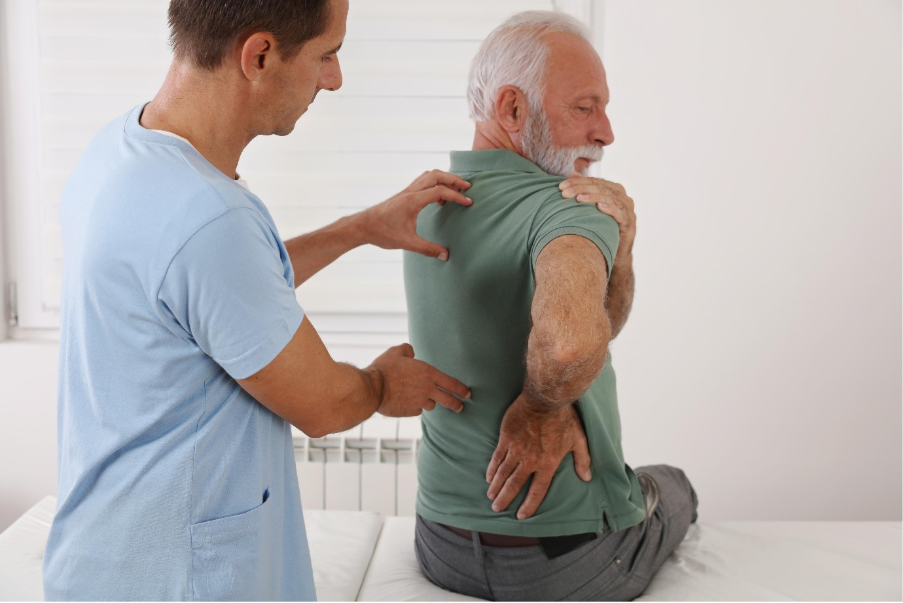
It is also important to understand that pain does not always originate from posture. Joint conditions, spinal disorders, injuries and nerve problems can all contribute to persistent symptoms. A professional assessment can help identify the factors that may be relevant to an individual.
Lifestyle Changes to Reduce Chronic Pain
Making realistic changes can be more sustainable than attempting to completely change a daily routine.
Stay Physically Active
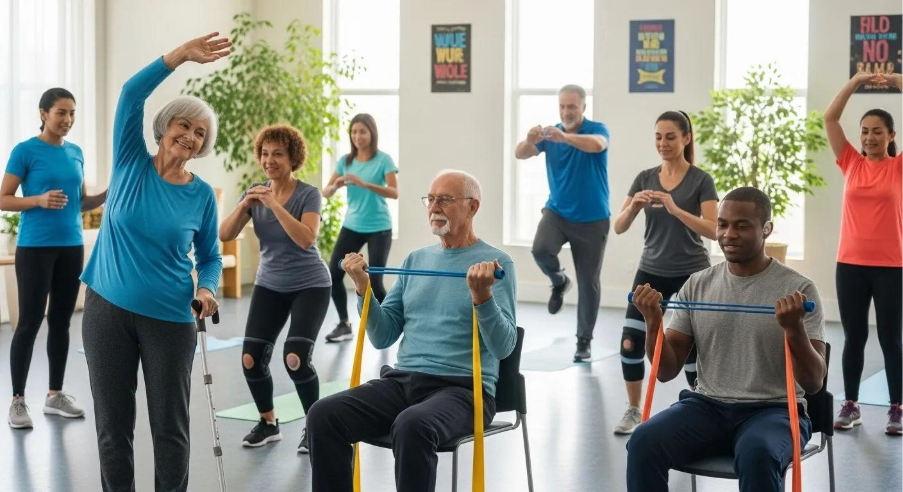
Regular movement is one of the most important lifestyle changes to reduce chronic pain. Walking, swimming, cycling, strength exercises and other suitable activities can help maintain physical function.
Regular physical activity can help manage chronic health conditions, according to the CDC. Appropriate physical activity may help adults with arthritis manage pain while improving movement, physical function and quality of life. People with significant pain should discuss suitable activities with their healthcare professional before beginning a new exercise program.
Prioritize Sleep and Stress Management
Sleep and emotional well-being can also influence how people experience persistent pain. A consistent sleep schedule and healthy ways of managing stress can contribute to better overall well-being.
For chronic low back pain, the WHO supports a broader treatment approach that considers a person’s physical health, psychological well-being and social circumstances.
Posture Correction for Pain Relief
Posture correction for pain relief should not mean holding the body in one rigid position throughout the day. Healthy posture involves comfortable positioning and regular movement.
If you work at a desk, adjust your chair and screen so you can work without repeatedly straining your neck or back. Take brief movement breaks instead of remaining in one position for extended periods.
Physical therapy can also help patients understand movement patterns and develop exercises suited to their condition. WHO recommends education and exercise among non-surgical approaches for chronic primary low back pain.
When Pain Needs Professional Attention
Lifestyle adjustments can support pain management, but they should not replace professional evaluation when symptoms persist.
Pain accompanied by weakness, numbness or other neurological symptoms may require assessment for possible nerve involvement. A nerve specialist or pain specialist may be appropriate depending on the symptoms and suspected cause.
Medication can also have a role in treatment. However, muscle pain medication may not address pain caused by nerves, joints or other structures. Likewise, strategies designed primarily for muscle pain relief may not resolve the underlying condition. For patients dealing with persistent symptoms, pain management care can provide an opportunity to discuss symptoms and potential treatment approaches.
A Comprehensive Approach to Chronic Pain Management
Effective Chronic pain management often requires more than one strategy. Healthcare providers may recommend physical therapy, medication, lifestyle adjustments, behavioural approaches or interventional procedures based on the underlying cause.
The goal is not simply to eliminate every sensation of pain. A successful plan may also focus on improving mobility, supporting sleep and helping patients return to meaningful activities.
For many people, lifestyle and chronic pain need to be addressed together. Similarly, posture and chronic pain may be considered alongside physical conditioning and other contributing factors.
Conclusion
The relationship between lifestyle and chronic pain deserves attention because everyday habits can influence activity, function and overall well-being. Posture and chronic pain may also interact when prolonged positions contribute to discomfort. Practical lifestyle changes to reduce chronic pain can include appropriate physical activity, better sleep habits and effective stress management.
Meanwhile, individualized posture correction for pain relief may help patients develop healthier movement patterns. When pain continues or involves nerve problems, professional pain management can help identify appropriate options. A well-rounded approach to chronic pain management should address pain while also supporting mobility, independence and everyday function. Book a consultation with Dr. Rodolfo Gari MD today.
Frequently Asked Questions
- Can lifestyle changes help with chronic pain?
Yes. Appropriate physical activity, healthy sleep habits and stress management may support function and pain relief. The right approach depends on the individual’s condition.
- Can poor posture contribute to chronic pain?
Prolonged or uncomfortable positioning may contribute to musculoskeletal discomfort in some people. However, posture and chronic pain should be evaluated alongside other possible causes.
- What is posture correction for pain relief?
Posture correction for pain relief involves improving comfortable movement habits and avoiding prolonged static positions. A healthcare professional or physical therapist can recommend strategies appropriate for an individual’s needs.
One thought on “How Lifestyle and Posture Impact Chronic Pain – Insights from Dr. Rodolfo Gari ”