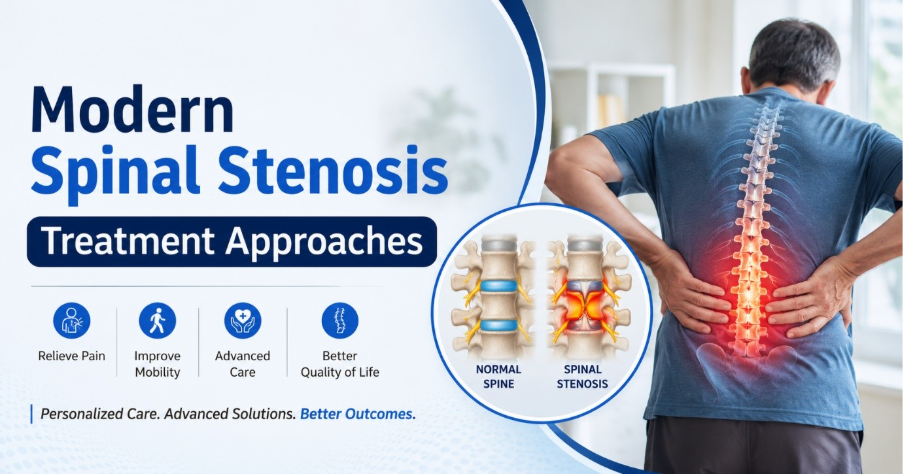
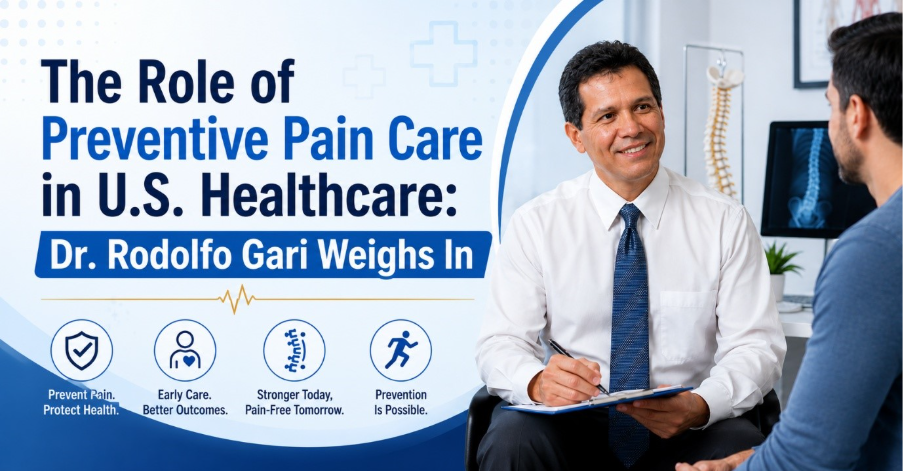
The Role of Preventive Pain Care in U.S. Healthcare: Dr. Rodolfo Gari Weighs In
Pain is a common health concern and one of the top reasons for medical visits in the United States. While many individuals receive treatment after pain becomes severe or chronic, healthcare professionals increasingly recognise the importance of preventing pain before it significantly affects a person’s quality of life. The benefits of preventive care extend beyond chronic disease prevention, with proactive pain management becoming an essential part of long-term health.
Preventive pain care focuses on identifying risk factors early, promoting healthy lifestyle habits, encouraging timely medical intervention and using evidence-based treatments to minimise the likelihood of chronic pain developing. Rather than simply treating symptoms, preventive strategies aim to preserve mobility, reduce disability and improve long-term health outcomes.
Dr. Rodolfo Gari, an experienced pain management specialist, believes that early intervention and patient education are essential components of effective healthcare. His approach combines comprehensive evaluations, personalised treatment plans, minimally invasive therapies and preventive healthcare practices to help patients maintain active, healthy lives.
In this article, we’ll explore the growing role of pain prevention strategies in healthcare, why preventive pain care is becoming increasingly important in the United States and how Dr. Gari’s patient-centred philosophy supports long-term wellness.
Understanding Preventive Pain Care
Preventive pain care is a proactive approach that focuses on reducing the likelihood of pain becoming chronic or disabling. Instead of waiting until symptoms worsen, healthcare providers identify risk factors, educate patients and recommend treatments that support long-term musculoskeletal health.
This approach includes:
- Early diagnosis of painful conditions
- Lifestyle modifications
- Physical rehabilitation
- Exercise programmes
- Posture correction
- Weight management
- Minimally invasive interventions when appropriate
By implementing these pain prevention strategies in healthcare, patients often experience improved mobility, reduced discomfort and a better overall quality of life.
Why Prevention Matters in Modern Healthcare?
Early intervention plays a vital role in chronic pain management by helping reduce the progression of painful conditions and supporting a better quality of life.
Preventive care offers several important benefits:
- Lower risk of chronic pain
- Improved physical function
- Better patient outcomes
- Reduced reliance on long-term medication
- Enhanced quality of life
- Earlier identification of underlying conditions
Dr. Gari advocates for addressing pain at its earliest stages to help patients avoid unnecessary complications and maintain their independence.
Dr. Rodolfo Gari’s Preventive Approach to Pain Management
Dr. Rodolfo Gari believes successful pain management begins with understanding each patient’s unique medical history, lifestyle and goals.
Rather than applying the same treatment to every individual, his philosophy centres on personalised care designed to prevent pain progression while improving overall health.
Comprehensive Patient Evaluations
Personalized pain treatment begins with a comprehensive assessment to determine the underlying cause of pain.
Individualised Treatment Planning
Treatment recommendations are tailored to each patient’s condition, medical history and long-term wellness objectives.
Patient Education
Educating patients about body mechanics, exercise, posture and healthy habits empowers them to actively participate in preventing future pain.
This personalised model supports both symptom relief and long-term prevention.
Lifestyle Changes That Support Pain Prevention
Many everyday habits influence musculoskeletal health.
Dr. Gari frequently encourages patients to adopt healthy lifestyle practices that support pain prevention.
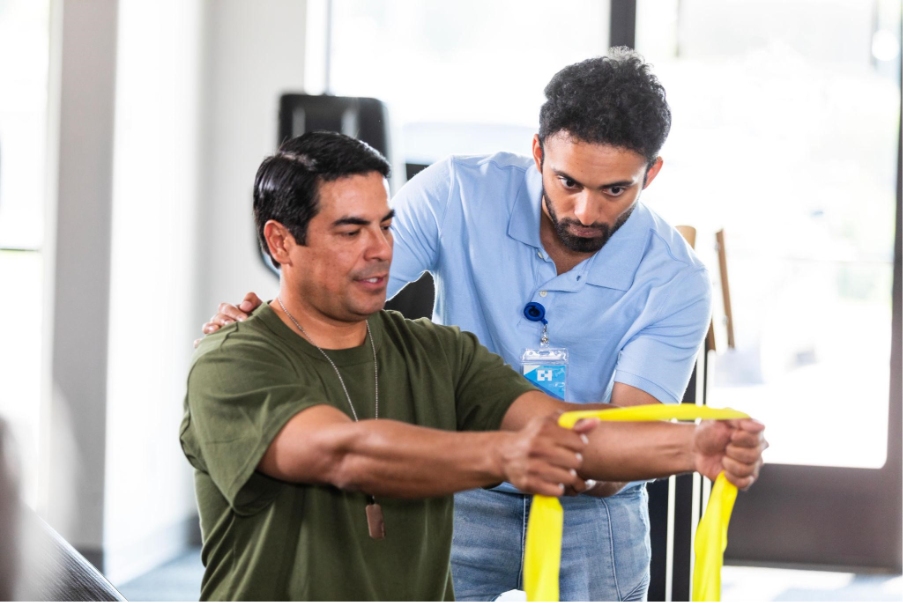
Regular Physical Activity
Consistent exercise strengthens muscles, improves flexibility and enhances joint stability.
Healthy Weight Management
A healthy weight contributes to better musculoskeletal function and long-term chronic pain prevention.
Ergonomic Improvements
Proper workstation setup, lifting techniques and posture can help prevent repetitive strain injuries.
Quality Sleep
Adequate sleep promotes healing, reduces inflammation and supports overall physical recovery.
These practical habits play an essential role in preventive healthcare pain management.
The Importance of Early Diagnosis
Pain often develops gradually before becoming severe.
Ignoring early symptoms may allow conditions to progress, making treatment more challenging later.
Early diagnosis enables healthcare providers to:
- Identify underlying conditions
- Develop personalised treatment plans
- Reduce inflammation
- Prevent further injury
- Improve recovery outcomes
Patients experiencing persistent discomfort should seek professional evaluation before symptoms worsen.
For individuals looking to understand comprehensive pain evaluations, early assessment remains one of the most effective preventive strategies.
Advanced Treatments Supporting Prevention
Preventive care does not eliminate the need for medical treatments. Instead, modern therapies can help interrupt the progression of painful conditions before permanent damage occurs.
Depending on the patient’s condition, treatment options may include:
- Image-Guided Injections
Targeted injections help reduce inflammation and improve function.
- Minimally Invasive Procedures
These treatments may provide effective pain relief while minimising recovery time.
- Physical Rehabilitation
Rehabilitation strengthens affected muscles and improves movement patterns.
- Ongoing Monitoring
Regular follow-up appointments allow treatment plans to be adjusted as patient needs evolve.
These evidence-based therapies complement preventive care and promote long-term health.
Preventing Chronic Pain Through Patient Education
Education is one of the most powerful tools in preventive healthcare.
When patients understand their conditions and risk factors, they are more likely to make informed healthcare decisions.
Education focuses on:
- Safe movement techniques
- Home exercise programmes
- Injury prevention
- Nutrition
- Stress management
- Treatment expectations
By encouraging active participation, healthcare providers help patients reduce their risk of recurring pain episodes.
Patients searching for effective chronic pain prevention methods often discover that education is as important as medical treatment itself.
The Future of Preventive Pain Care in the United States
Healthcare continues shifting toward prevention rather than reactive treatment.
Emerging technologies, personalised medicine and multidisciplinary collaboration are creating new opportunities for early intervention.
Future priorities include:
- Earlier Risk Identification
Using advanced diagnostics to identify patients at higher risk of chronic pain.
- Integrated Healthcare Teams
Collaboration between physicians, therapists and rehabilitation specialists.
- Digital Patient Engagement
Remote monitoring and educational resources improve patient participation between appointments.
- Evidence-Based Innovation
Continuously evaluating new treatments that improve patient outcomes while supporting preventive care.
Dr. Rodolfo Gari believes that combining medical expertise with patient education will continue shaping the future of pain management.

Conclusion
Preventive pain care represents an important shift in modern healthcare. Personalized treatment strategies and preventive care can help reduce the risk of chronic pain while supporting long-term health and wellness.
Dr. Rodolfo Gari’s patient-centred philosophy demonstrates how pain prevention strategies in healthcare can improve quality of life, reduce disability and help individuals remain active for years to come.
Whether through lifestyle changes, early diagnosis, minimally invasive treatments or ongoing education, preventive care empowers patients to take control of their health before pain becomes a long-term challenge.
Looking for expert chronic pain treatment or prevention? Dr. Rodolfo Gari provides personalized care to improve mobility and deliver lasting pain relief. Contact us today https://rodolfogarimd.com/.
Frequently Asked Questions
1. What are pain prevention strategies in healthcare?
Pain prevention strategies in healthcare focus on identifying risk factors early, promoting healthy lifestyle habits, encouraging timely diagnosis and using evidence-based treatments to reduce the likelihood of chronic pain developing.
2. Why is preventive pain care important?
Preventive pain care is an effective strategy for reducing chronic pain risk while supporting better physical function and overall wellness.
3. How does Dr. Rodolfo Gari approach preventive pain management?
Dr. Rodolfo Gari emphasises comprehensive evaluations, personalised treatment plans, patient education, minimally invasive therapies and lifestyle modifications to help patients prevent chronic pain and maintain long-term wellness.