When Is Lumbar Discectomy Recommended?
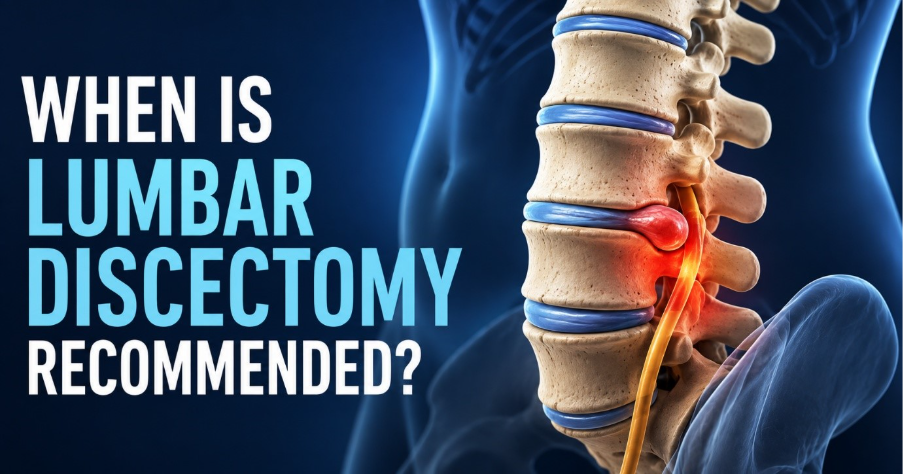
Lower back pain is one of the most common musculoskeletal conditions, affecting millions of people around the world each year. While physical therapy, medications and lifestyle changes can help many people manage their symptoms, some continue to experience persistent pain, numbness or weakness due to a herniated lumbar disc. When these conservative approaches fail to provide lasting relief, surgery may be considered as a potential treatment option.
One of the most performed procedures for treating symptomatic lumbar disc herniation is a lumbar discectomy. This procedure helps relieve nerve pressure by removing the damaged portion of the herniated disc. By relieving this pressure, it can help ease pain, improve movement and make everyday activities more comfortable.
Understanding lumbar discectomy indications is essential because surgery is not appropriate for every patient. The decision depends on several factors, including symptom severity, neurological findings, imaging results and response to conservative care.
Dr. Rodolfo Gari, MD, specializes in comprehensive pain management and works closely with patients to determine the most appropriate treatment plan. His patient-centered approach emphasizes accurate diagnosis, minimally invasive therapies whenever possible and referral for surgical consultation only when clinically appropriate.
This guide explains when lumbar discectomy is recommended, who may benefit from the procedure, what to expect during recovery and how surgery fits into a comprehensive pain management strategy.
What to Know About Lumbar Discectomy?
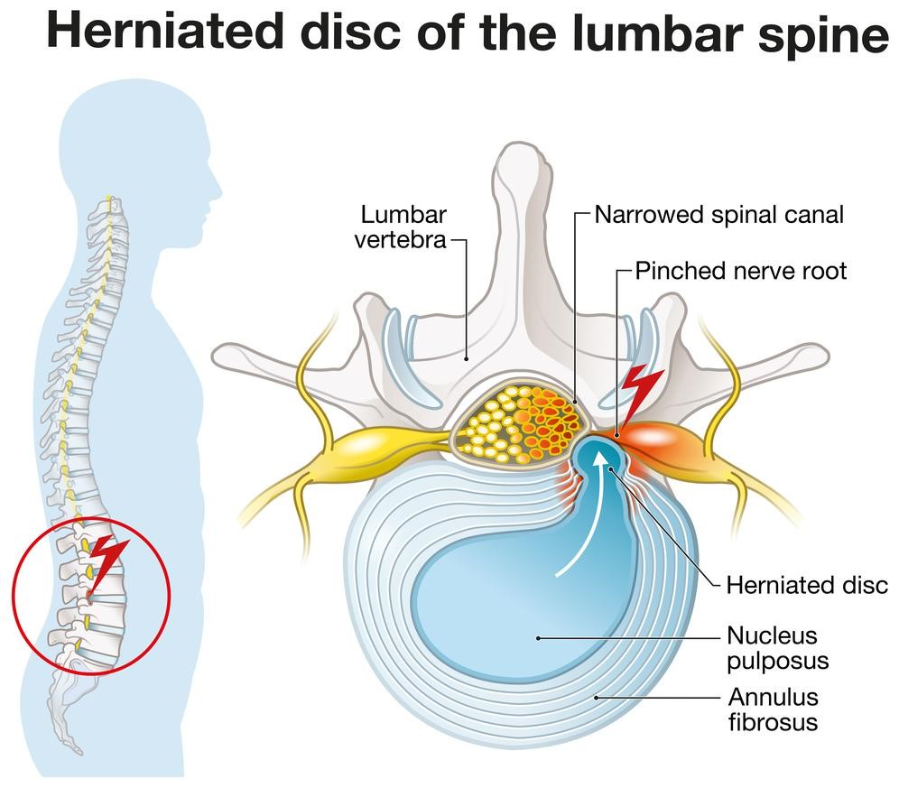
When a herniated disc in the lower back presses on a spinal nerve and causes symptoms, a lumbar discectomy may be performed to remove the affected portion of the disc and relieve the pressure.
The primary goal is to relieve nerve pressure while preserving as much of the healthy disc as possible.
The procedure is commonly recommended for patients experiencing:
- Persistent leg pain (sciatica)
- Numbness
- Tingling sensations
- Muscle weakness
- Reduced mobility
- Nerve compression confirmed by MRI
Unlike spinal fusion, a lumbar discectomy focuses on removing only the damaged portion of the disc responsible for symptoms.
Understanding Lumbar Disc Herniation
The lumbar spine contains discs that act as cushions between vertebrae.
A herniated disc can occur when a tear or weakness in the outer layer allows the soft inner material to push outward and press against nearby nerves.
Common causes include:
- Age-related disc degeneration
- Heavy lifting
- Sudden twisting injuries
- Repetitive physical stress
- Poor posture
- Obesity
Many herniated discs improve with conservative care, but severe nerve compression may require additional intervention.
Lumbar Discectomy Indications
In most cases, doctors recommend trying non-surgical treatments first. Surgery may be considered if these approaches do not improve symptoms or if an urgent medical condition requires it.
Persistent Sciatica
Pain radiating from the lower back into one leg that continues despite appropriate treatment.
Progressive Muscle Weakness
Loss of strength affecting walking, standing or daily activities.
Persistent Numbness or Tingling
Neurological symptoms that fail to improve with conservative management.
MRI Confirmation
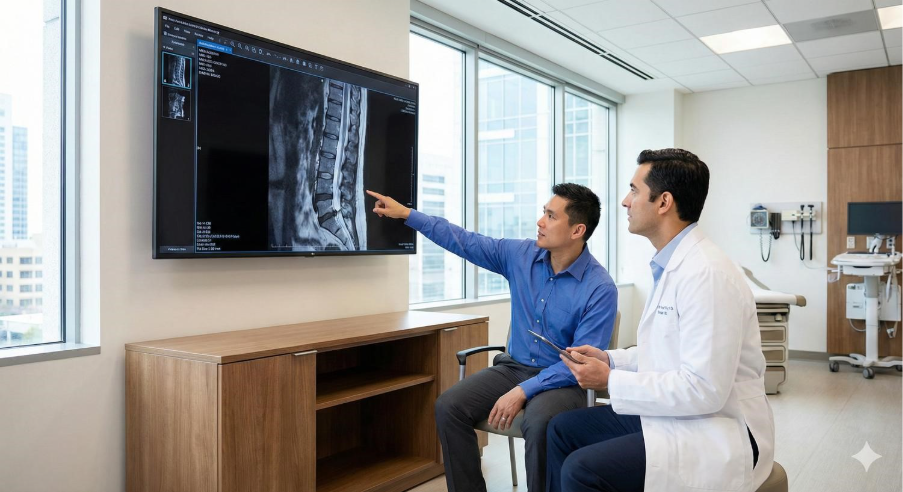
Imaging should clearly demonstrate a disc herniation corresponding to the patient’s symptoms.
Failure of Conservative Treatment
Most physicians recommend non-surgical treatment for approximately 6–12 weeks before considering surgery unless neurological deficits are worsening.
These represent the most common lumbar discectomy indications evaluated during specialist consultation.
When Is Discectomy Needed?
Patients often ask whether surgery is necessary.
In many cases, surgery becomes appropriate when:
- Severe leg pain limits normal activities.
- Conservative treatments have failed.
- Neurological symptoms continue worsening.
- Imaging confirms nerve compression.
- Quality of life is significantly affected.
Understanding when discectomy is needed helps patients make informed treatment decisions based on both symptoms and clinical findings.
Conservative Treatments Before Surgery
Most patients undergo non-surgical treatment before considering surgery.
- Physical Therapy
Exercises strengthen supporting muscles and improve flexibility.
- Medication Management
Anti-inflammatory medications and other therapies help reduce discomfort.
- Image-Guided Injections
Epidural steroid injections may reduce inflammation surrounding compressed nerves.
- Activity Modification
Temporary adjustments to daily activities allow irritated tissues to heal.
Patients exploring non-surgical back pain treatments often experience significant improvement without surgery.
What Happens During Lumbar Disc Herniation Surgery?
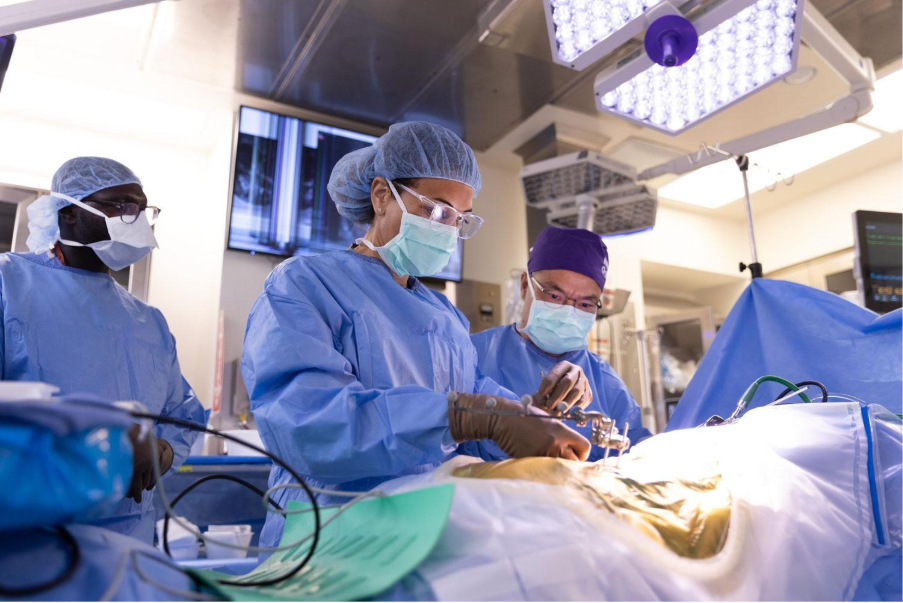
Lumbar disc surgery is typically performed using minimally invasive techniques whenever appropriate.
The procedure generally involves:
- Small surgical incision
- Gentle movement of spinal muscles
- Identification of the affected nerve
- Removal of herniated disc material
- Closure of the incision
The main goal is to relieve pressure on the nerve while protecting the nearby tissues and structures.
Advances in lumbar disc herniation surgery have improved precision and reduced recovery times for many patients.
Recovery After Discectomy
Recovery varies depending on individual health, surgical technique and the severity of nerve compression.
- Early Mobility
Many patients begin walking shortly after surgery.
- Physical Rehabilitation
Structured rehabilitation helps restore strength and flexibility.
- Gradual Return to Activities
Most patients resume light activities before returning to more demanding work.
- Long-Term Spine Health
Maintaining proper posture, exercise and healthy body weight reduces future spinal stress.
Following post-operative instructions plays an important role in achieving successful outcomes.

Benefits and Risks of Discectomy
Like any surgical procedure, lumbar discectomy has both benefits and potential risks.
Benefits
- Relief from leg pain
- Reduced nerve compression
- Improved mobility
- Better quality of life
- Faster return to daily activities
Risks
- Infection
- Bleeding
- Recurrent disc herniation
- Persistent symptoms
- Nerve injury (rare)
Before moving forward, your doctor will review the possible outcomes, risks and benefits to help you make a well-informed choice about your care.
How Dr. Rodolfo Gari Helps Patients Make the Right Treatment Decision?
Dr. Rodolfo Gari believes surgery should be considered only after a comprehensive evaluation.
Every patient receives:
- Thorough Diagnostic Assessment
Physical examination and imaging studies help identify the exact pain source.
- Personalized Treatment Planning
Treatment recommendations are based on symptoms, medical history, lifestyle and imaging findings.
- Comprehensive Pain Management
Whenever appropriate, conservative therapies are explored before surgical referral.
- Collaborative Care
Patients requiring surgery are guided through the decision-making process while remaining actively involved in their long-term recovery.
This patient-centered approach ensures every individual receives the most appropriate treatment for their condition.
Conclusion
Understanding lumbar discectomy indications helps patients recognize when surgery may become an appropriate option for treating persistent nerve compression caused by a herniated disc. While many individuals recover successfully through conservative care, others benefit from surgical intervention when severe symptoms, neurological deficits or prolonged pain interfere with daily life.
Dr. Rodolfo Gari provides thorough evaluations and personalized treatment plans based on each patient’s needs. If lower back pain or sciatica continues to interfere with your quality of life, an evaluation can help identify the right treatment approach, whether that involves conservative care or considering surgery. Contact us today.
Frequently Asked Questions
1. What are the main lumbar discectomy indications?
Lumbar discectomy is typically recommended for patients with persistent sciatica, progressive muscle weakness, numbness or nerve compression confirmed by imaging after conservative treatments have not provided sufficient relief.
2. When is discectomy needed for a herniated disc?
Discectomy may be needed when severe symptoms persist despite several weeks of non-surgical care, when neurological deficits worsen or when imaging confirms significant nerve compression affecting daily function.
3. How long does recovery take after lumbar disc herniation surgery?
Recovery varies among individuals, but many patients begin walking shortly after surgery and gradually return to normal activities over the following weeks. Full recovery depends on overall health, rehabilitation and adherence to post-operative instructions.