
Breaking Barriers to Accessible Pain Care in America

Living with pain changes the way you do things. A short drive can be uncomfortable. Sitting at work can be difficult. A full night’s sleep can be out of the question.
For millions of Americans, the battle doesn’t end when the pain does. Getting accessible pain care in America is another problem altogether. A patient may call around several clinics before getting an appointment, and in small towns the nearest nerve specialist can be miles away.
The CDC estimated that 51.6 million U.S. adults had chronic pain in 2021. Cost, location, insurance rules and long waits are the major chronic pain treatment barriers that patients face today.
Why Getting Pain Treatment Isn’t Always Easy
Pain is very individual. Some people keep working, just every day is painful. Others struggle with dressing, cooking, or getting about the house. The CDC’s 2021 survey found around 21% of U.S. adults had chronic pain and 7% had high impact pain. But the stats don’t show barriers to chronic pain treatment, like getting an appointment, arranging transport, or figuring out how to pay.
When the Cost of Care Gets in the Way
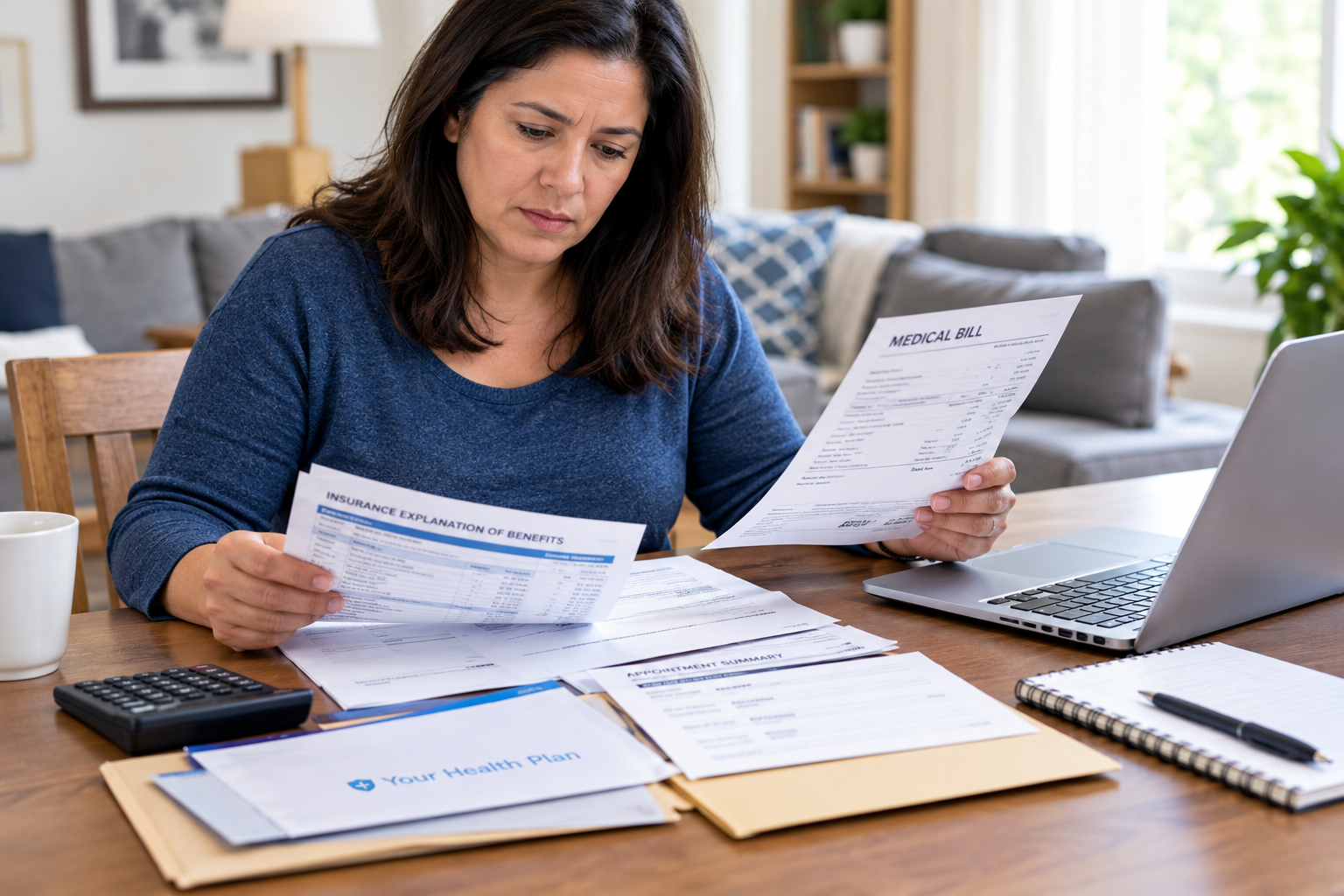
Even with insurance, you can still face deductibles, copays, uncovered services, and prior authorization requirements. For uninsured patients, accessing pain management care can be financially challenging right from the initial consultation. The costs of physical therapy, follow-up appointments, prescriptions, transportation, and other related expenses quickly add up, often forcing patients to skip appointments or discontinue treatment prematurely. Truly affordable pain management must account for these ongoing, everyday expenses rather than focusing solely on the cost of the first visit.
Living Far from a Pain Clinic
In rural areas, the nearest clinic can be an hour away, which is a long journey for someone with a bad back. Telehealth has made access to pain management easier to fit into a week, though some situations still need an in-person visit. That’s one reason for pain management access USA is so uneven. Where you live greatly affects your options.
Not All Pain Needs the Same Approach
Treating all pain the same way rarely relieves it. Getting the diagnosis right is the crucial first step to pain relief.
When Nerve Problems Need a Closer Look
Nerve problems are notoriously difficult to describe (burning, pins and needles, numbness, sudden electric shock sensation, etc.). Diabetic neuropathy, sciatica and post herpetic neuralgia are all common. A neurologist or pain specialist may well request nerve conduction studies following a full physical and neurological examination. Not every case of tingling is a nerve problem, so it is important to get it properly assessed. Sudden leg weaknesses, numbness around the groin and new bladder/bowel problems could all be signs of a medical emergency and would require urgent assessment.
Finding Muscle Pain Relief
Muscle pain can make it hard to get out of bed or sit at a desk. A clinician may prescribe muscle pain medication for the short term, but muscle pain medication such as muscle relaxants isn’t for everybody and can cause drowsiness. Movement, physio, and progressive strengthening can also help relieve muscle pain at a pace that suits you. The American College of Physicians recommends non-pharmacological therapies first for chronic low back pain. That doesn’t mean medicine has no part. Chronic pain management should simply be tailored to the individual.
Making Care More Affordable and Accessible
Finding affordable pain care solutions takes effort, but you can start by calling the clinic. Do they accept your insurance? Do you need a referral or prior auth? What does the first appointment cost? Are there payment plans? Community health centres are another source of affordable pain care solutions, with fees based on income, and the HRSA locator can help you find one.
Bring a list of your medications (including any OTC muscle pain stuff and supplements) and tell them about any previous treatment. Not sure whether you need a nerve specialist or a pain management doctor? A PCP can recommend the next step. No single affordable pain management treatment works for everybody, but a bit of preparation saves time, money and hassle.
What Healthcare Providers Can Do Differently
Access to pain management is more than the number of clinics. Primary care offices can explain referrals, share records and connect patients with physical therapy for muscle pain relief or behavioral health services. Chronic pain has a real impact on mood, sleep and work, so it’s not real any less for that. Chronic pain management that goes beyond the pain can be of benefit. The 2019 Federal Pain Management Best Practices Inter-Agency Task Force report endorsed individualized chronic pain management. Improved care coordination also means the patient doesn’t have to retell their story at every appointment.
A Conversation About Pain Care with Dr. Rodolfo Gari
Many patients just want to know what pain relief options are on the table without being rushed. Dr Rodolfo Gari is a pain management doctor. Before you come in for the consultation, think about what activities have become difficult, when the pain starts, what makes it better and worse, and what you’re hoping to get back to. It’s also sensible to ask about the risks, the cost and what the insurance will cover. For further details, visit rodolfogarimd.com .
Frequently Asked Questions
How can patients find affordable pain management services?
Check your insurance coverage and in-network providers and ask clinics about self-pay rates or payment plans. Community health centers and hospital financial assistance programs can also help lower costs.
How can healthcare providers improve access to pain management?
Providers can shorten waiting times, offer health-related follow-ups and be upfront about costs. Sharing records between clinicians also avoids repeat testing and repeated explanations.
What resources are available for people living with chronic pain?
Patient advocacy groups, peer support communities and counseling or behavioral health services can help alongside medical care. Many pain clinics can also give you physical therapy and local support programs.
Why is chronic pain treatment difficult to access for some patients?
Cost, insurance limits, a shortage of specialists and fragmented records all create barriers. Location and difficulty getting clear explanations can make access harder still.