
Why Patient-Centered Care Is the Future of U.S. Healthcare?
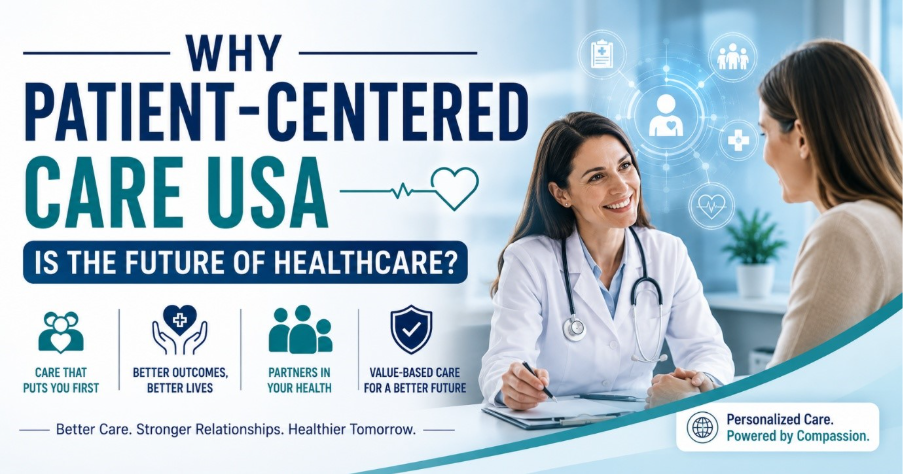
The healthcare landscape in the United States is evolving rapidly. Patients today expect more than accurate diagnoses and effective treatments-they want to be heard, respected and actively involved in decisions about their care. This growing shift toward patient-centered care USA is redefining how healthcare providers deliver services and how patients experience their recovery journey.
Traditional healthcare models often focused primarily on treating illnesses. While clinical expertise remains essential, modern healthcare recognizes that successful outcomes also depend on understanding each patient’s individual needs, preferences, values and lifestyle. This personalized approach not only improves trust between providers and patients but also leads to better long-term health outcomes.
As the future of healthcare in the US continues to evolve, hospitals, physicians and healthcare organizations are increasingly adopting strategies that place patients at the centre of every decision. From personalized treatment plans to improved communication and shared decision-making, patient-centered care is becoming the foundation of high-quality healthcare delivery.
In this article, you’ll discover why the patient-centered healthcare model is shaping the future of medicine, explore its benefits for both patients and providers and learn how value-based care healthcare is creating a more effective, compassionate and sustainable healthcare system.
Why Patient-Centered Care USA Is Transforming Modern Healthcare?
Healthcare is no longer measured solely by the number of procedures performed or patients treated. Today, success is increasingly defined by patient satisfaction, treatment outcomes and the quality of the overall healthcare experience. This shift has made patient-centered care USA one of the most important priorities for healthcare organizations across the country.
At its core, patient-centered care focuses on treating individuals-not just medical conditions. It encourages healthcare professionals to understand each patient’s unique concerns, involve them in treatment decisions and provide care that aligns with their personal goals.
What Is Patient-Centered Care?
The patient-centered healthcare model is an approach that prioritizes collaboration between patients and healthcare providers. Rather than making decisions solely based on clinical expertise, providers work together with patients to develop personalized treatment plans that reflect their medical needs and personal preferences.
Key principles include:
- Respecting patient values and choices
- Encouraging shared decision-making
- Providing clear and transparent communication
- Coordinating care across healthcare teams
- Supporting emotional and mental well-being
- Educating patients about their treatment options
This collaborative approach helps patients become active participants in their healthcare journey instead of passive recipients of medical services.
Why Patients Prefer Personalized Care?
Today’s patients are better informed than ever before. They research medical conditions, compare providers and seek healthcare professionals who listen carefully to their concerns. As a result, personalized care has become an essential expectation rather than an added benefit.
When patients feel respected and included in treatment decisions, they are more likely to trust their providers and remain committed to their recovery plans. This trust strengthens communication and reduces misunderstandings that can delay treatment.
Some of the most significant benefits include:
- Higher patient satisfaction
- Better treatment adherence
- Improved communication
- Reduced healthcare anxiety
- Greater confidence in medical decisions
- Stronger relationships with healthcare providers
These advantages demonstrate why patient-centered care USA is becoming the preferred approach across hospitals, specialty clinics and primary care practices.
The Role of the Patient-Centered Healthcare Model in Improving Outcomes
Healthcare providers are increasingly recognizing that positive clinical outcomes depend on more than medical expertise alone. Patient-centered care helps healthcare providers understand each patient’s emotional, social and lifestyle needs, resulting in more personalized and effective treatment.
Better Communication Leads to Better Care
Communication is one of the strongest predictors of successful healthcare experiences. Patients who understand their diagnosis, treatment options and recovery expectations are more likely to follow medical advice and actively participate in their care.
Healthcare professionals practicing patient-centered care often:
- Explain complex medical information in simple language.
- Encourage patients to ask questions.
- Discuss treatment options openly.
- Include family members when appropriate.
- Provide educational resources for ongoing care.
This transparent communication builds trust while reducing fear and uncertainty throughout the treatment process.
Personalized Treatment Improves Patient Outcomes
Every patient has unique medical needs, personal goals and lifestyle considerations. Personalized treatment recognizes these differences by tailoring care plans to everyone rather than applying a one-size-fits-all approach.
Examples of personalized healthcare include:
- Customized medication plans
- Individual rehabilitation programs
- Lifestyle and nutrition counselling
- Preventive healthcare strategies
- Mental health support
- Long-term wellness planning
These individualized approaches contribute significantly to the future of healthcare in the US, where prevention, patient engagement and personalized care are becoming central to improving long-term health outcomes.
How Value-Based Care Healthcare Supports Patient-Centered Care USA
The transition to value-based care healthcare is one of the biggest drivers behind the success of patient-centered care USA. Unlike traditional fee-for-service models that reward the volume of treatments, value-based care focuses on delivering high-quality outcomes, improving patient experiences and reducing unnecessary healthcare costs.
By emphasizing prevention, coordinated care and patient engagement, healthcare providers can address medical concerns before they become serious conditions. Proactive, patient-centered care improves health outcomes while helping healthcare organizations deliver more efficient and effective services.
Better Health Through Collaborative Care
The patient-centered healthcare model encourages collaboration among physicians, nurses, specialists, therapists and caregivers. Working together ensures patients receive consistent, well-coordinated care throughout every stage of treatment.
Some of the key advantages include:
- Improved communication between healthcare teams
- Faster diagnosis and treatment planning
- Reduced hospital readmissions
- Better chronic disease management
- Increased patient satisfaction
- More personalized follow-up care
These improvements demonstrate why patient-centered care USA continues to gain momentum as healthcare organizations strive to deliver higher-quality services while enhancing the overall patient experience.

Technology Is Shaping the Future of Healthcare in the US
Technology has become a powerful tool for delivering more personalized and efficient care. While digital innovation cannot replace the human connection between providers and patients, it strengthens the patient-centered healthcare model by making healthcare more accessible and convenient.
Telemedicine, electronic health records (EHRs), remote patient monitoring and secure patient portals enable healthcare providers to communicate more effectively and monitor patient progress in real time. These technologies also encourage patients to take a more active role in managing their health.
Examples of technology supporting patient-centered care include:
- Virtual consultations with healthcare providers
- Digital appointment scheduling and reminders
- Secure access to medical records
- Wearable devices for monitoring chronic conditions
- Mobile apps that encourage medication adherence
The future of healthcare in the U.S. will be driven by technology that improves access to care, strengthens patient-provider communication and enables personalized, patient-centered healthcare.

Why Patient-Centered Care USA Is the Future of Healthcare?
Healthcare is shifting toward a system that values relationships as much as medical expertise. Patients are no longer passive recipients of treatment-they are active partners in every healthcare decision. This transformation is making patient-centered care USA the standard for delivering safer, more personalized and more effective healthcare.
Combined with value-based care healthcare, this approach promotes preventive care, encourages healthier lifestyles, improves communication and strengthens trust between providers and patients. As organizations continue investing in innovation, collaboration, and personalized treatment, the future of healthcare will become increasingly focused on delivering care that improves both patient experiences and long-term health outcomes.
Conclusion
The rise of patient-centered care USA reflects a fundamental shift in how healthcare is delivered across the country. By focusing on individual needs, shared decision-making and compassionate communication, healthcare providers can achieve better clinical outcomes while building stronger patient relationships. Supported by the patient-centered healthcare model, advances in technology and value-based care healthcare, this approach is shaping the future of healthcare in the US and creating a more effective, patient-focused healthcare system.
Ready to experience healthcare that puts you first? Take the first step toward better health by scheduling a consultation and exploring the benefits of personalized, patient-centered care.
Frequently Asked Questions
1. What is patient-centered care?
Patient-centered care focuses on understanding each patient’s individual needs, preferences and values, encouraging patients and healthcare providers to work together when making treatment decisions.
2. How does value-based care support patient-centered healthcare?
Unlike traditional models that focus on the number of services provided, value-based care rewards healthcare providers for delivering better patient outcomes and higher-quality, personalized care.
3. Why is patient-centered care considering the future of healthcare in the US?
The future of healthcare in the US depends on improving patient outcomes, enhancing care experiences, reducing costs and using technology to deliver personalized treatment-all of which are central to the patient-centered healthcare model.