
How Dr. Rodolfo Gari Is Helping Patients Regain Mobility from Joint Pain
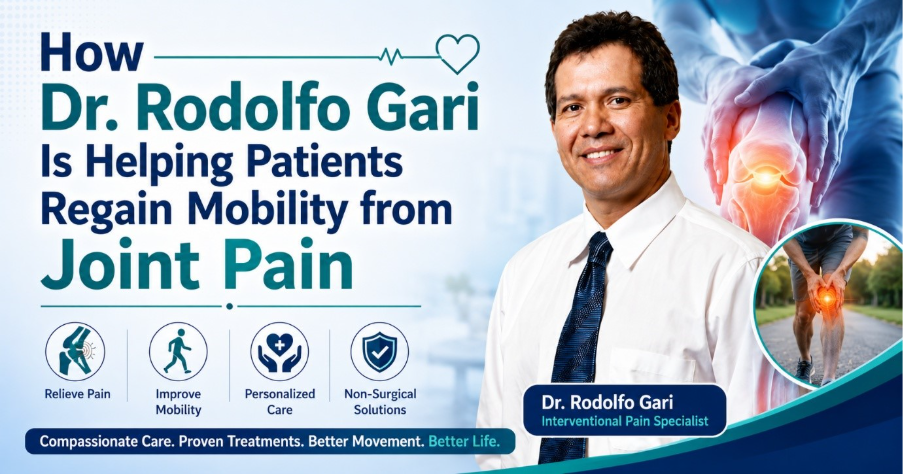
Joint pain can gradually change how a person moves, works and enjoys everyday life. A sore knee may make stairs difficult. Hip discomfort can limit walking. Persistent shoulder pain may affect simple activities such as dressing or reaching overhead. Finding the right joint pain treatment USA patients can access begins with understanding the cause rather than treating pain as a single condition.
Dr. Rodolfo Gari focuses on individualized pain care that considers symptoms, mobility and daily function. With appropriate evaluation, chronic joint pain relief, guidance from a pain management specialist USA patients can consult and suitable non-surgical joint pain treatment, many people can work toward better movement and quality of life.
Understanding What Causes Joint Pain
Joint pain can result from many conditions. Arthritis is one of the most common causes, but injuries, inflammation, overuse and other musculoskeletal problems can also contribute. Some people may experience minor soreness, while others may develop more severe pain that affects their ability to move comfortably.
This is why effective joint pain treatment USA patients seek should begin with an appropriate evaluation. Understanding whether pain originates from the joint itself, surrounding muscles or another structure can help guide treatment.
A personalized assessment can also identify whether symptoms are affecting mobility or creating compensatory movement patterns that may contribute to additional discomfort.
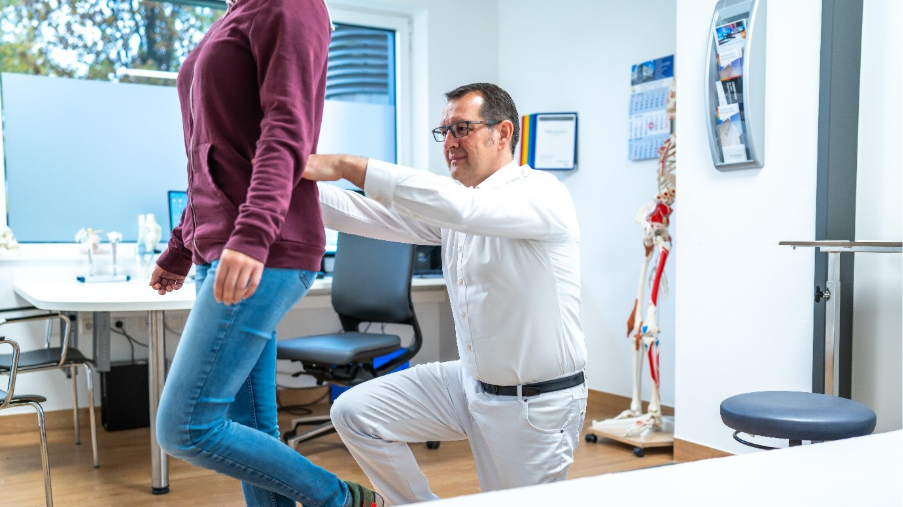
Why Regaining Mobility Matters?
Pain management is not simply about reducing a number on a pain scale. The larger goal is often to help patients move more comfortably and participate in everyday activities.
Staying physically active can help people with arthritis reduce pain while improving movement and overall physical function. Weight management and self-management education can also be important components of care.
This broader perspective is central to chronic joint pain relief. Instead of focusing exclusively on medication, a treatment plan may consider movement, strength, flexibility and the patient’s individual goals.
Exploring Non-Surgical Joint Pain Treatment
Many patients want to know whether they can manage joint pain without surgery. In appropriate cases, non-surgical joint pain treatment may include physical therapy, exercise, medications or targeted procedures. Physical therapy and targeted strengthening and flexibility exercises can be part of an osteoarthritis treatment plan.
Depending on the diagnosis, clinicians may also consider injections or other interventional treatments. Choosing the appropriate treatment depends on factors such as the joint involved, the underlying condition, symptom severity and overall health. A pain management specialist USA patients can access may help determine which combination of conservative or interventional approaches makes sense for an individual situation.

The Role of Pain Management in Mobility
Effective pain management should balance symptom control with function. Medication can be useful for some patients, but it should be selected according to individual medical circumstances.
For example, certain pain medications may not be appropriate for people with specific kidney, liver, gastrointestinal or cardiovascular risks. We recommend discussing medication choices with a healthcare professional rather than relying on pain medicines indefinitely.
Patients may also experience pain that involves muscles or nerves surrounding a painful joint. Muscle pain medication may have a role in selected situations but should not be assumed to address every source of discomfort.
When symptoms suggest nerve problems, further evaluation may be appropriate. A nerve specialist or pain specialist can help determine whether nerve involvement is contributing to the patient’s symptoms.
Supporting Muscle Pain Relief and Better Movement
Joint pain can influence how surrounding muscles work. When movement becomes uncomfortable, people may unconsciously change how they walk, stand or use an affected limb.
Over time, these adaptations can contribute to stiffness or weakness. Appropriate physical therapy can help address movement patterns while strengthening muscles that support affected joints.
This can make muscle pain relief an important part of a broader treatment strategy. Rather than treating muscle discomfort separately from the joint problem, clinicians can consider how different symptoms interact.
The objective of non-surgical joint pain treatment is often to improve function while reducing unnecessary strain on the body.
A Personalized Approach to Chronic Joint Pain Relief
There is no universal treatment for chronic joint pain. Two patients with similar symptoms may respond differently to the same approach.
A personalized plan can consider the patient’s diagnosis, previous treatments, activity level, health history and goals. This approach is especially important when symptoms have persisted for months or begin affecting sleep and mobility.
Patients looking for professional guidance can explore pain management care to learn more about evaluation and individualized treatment options. For patients seeking joint pain treatment USA options, the focus should remain on identifying the underlying problem and choosing an appropriate path toward improved function.
Conclusion
Regaining mobility starts with understanding why joint pain is occurring and how it affects everyday movement. Personalized joint pain treatment USA patients receive can involve conservative care, physical therapy, medication and selected procedures depending on the diagnosis. For many people, chronic joint pain relief is best approached through a combination of strategies rather than a single treatment.
A pain management specialist USA patients can consult may help identify appropriate options while non-surgical joint pain treatment can provide meaningful alternatives when surgery is not necessary. With comprehensive pain management, attention to muscle pain relief and appropriate evaluation of nerve problems, the goal remains simple: help patients move better and live with greater confidence.
Frequently Asked Questions
- What is the best joint pain treatment in the USA?
There is no single treatment that works for everyone. The appropriate joint pain treatment USA patients receive depends on the cause of pain, affected joint, severity of symptoms and overall health.
- Can chronic joint pain be treated without surgery?
Yes. In appropriate cases, non-surgical joint pain treatment may include physical therapy, exercise, medications and selected procedures. The right approach depends on the underlying condition.
- When should I see a pain management specialist?
Consider professional evaluation when joint pain persists, interferes with normal activities or does not improve with basic measures. A pain management specialist USA patients consult can help assess persistent symptoms and discuss appropriate treatment options.