
Top Questions to Ask Before Undergoing a Medical Procedure
You know how it goes. The doctor says “any questions?” while already halfway out the door. Your mind goes blank. Ten minutes later in the parking lot, every question you meant to ask comes flooding back. Jotting down your medical procedure questions ahead of time fixes that. Good doctor consultation questions help you understand the plan.
Patient safety questions help the care team catch problems early. Treatment preparation takes some of the stress out of procedure morning. Patients and healthcare professionals can read it all or skip what helps. Take whatever helps. Here’s exactly what to ask and when.
Why Bother Asking at All?
Two programs push patients to speak up: AHRQ’s Questions Are the Answer and The Joint Commission’s Speak Up campaign. Their advice boils down to one idea. Ask before you agree. Consent means more once you understand the plan. If you’ve misread something, your doctor can fix it before it matters. Even a routine chronic pain management visit goes better with a few questions in your pocket.
What to Ask the Doctor
I’d start with the plainest ones. What is this treatment for? How was the diagnosis made? What happens if I wait a few months? With nerve problems, the answer may depend on imaging or a nerve conduction test. You want an explanation you could repeat to a friend over lunch. That’s why these doctor consultation questions stay simple.
Then ask what else could work. Most people start with pills, physical therapy, or injections. Our guide to the best non surgical treatments for chronic pain goes through each of them. If your problem is sore muscles, ask your doctor whether trigger point injections for muscle pain relief could work before you consider anything bigger.
Ask about risks, too. Which problems come up most often? How often? What does the team do when one does? A rough range beats a shrug every time.
Patient Safety Questions for the Day Itself
Many patient safety questions come down to who’s in the room. Ask about training and board certification. Ask how many of these procedures they’ve performed. Seeing a nerve specialist? Find out how often they treat your exact condition.
Anesthesia and Your Medicine List
Anesthesia deserves its own conversation. Which type is planned? Who gives it? Who watches you while you’re under?
Bring a full medication list to that talk. Blood thinners and certain diabetes drugs sometimes have to be adjusted before a procedure so bring them up during treatment preparation. Let the team know about any muscle pain medication you take as well. Anti-inflammatory can make bleeding more likely. Your doctor decides what to pause. Never stop a prescription on your own.
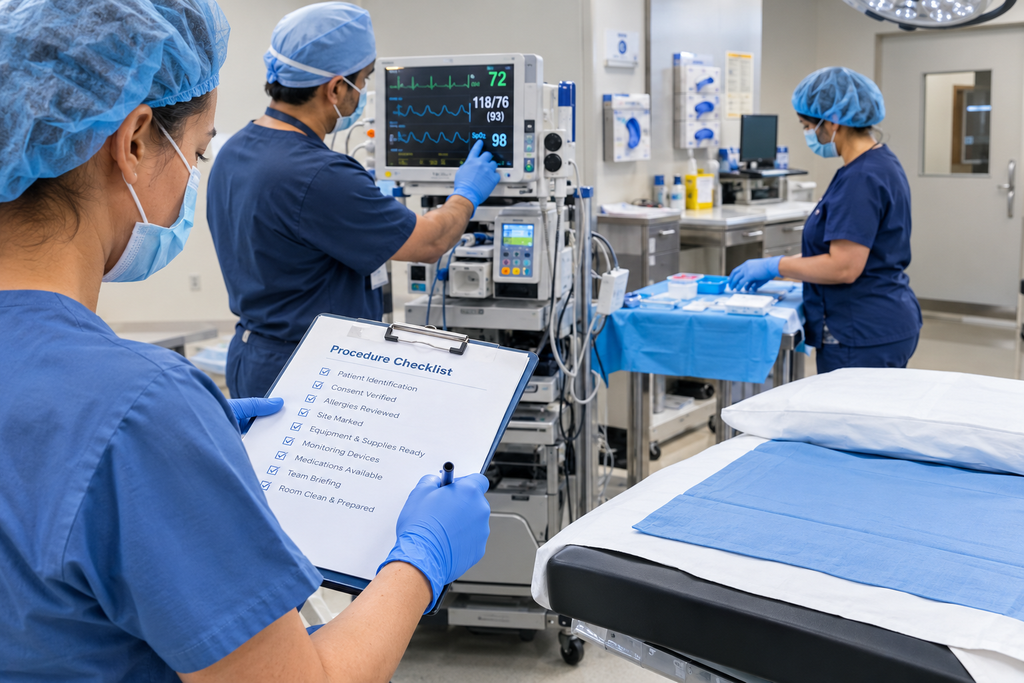
The rest of the treatment preparation is logistics. When to stop eating, what to wear, who’s driving you home. Write the answers on the same page as your questions. If nerves are the problem, our post on reducing patient anxiety before medical procedures offers a few ideas.
Recovery: Ask Before You Leave

Ask when you can drive, go back to work, or start exercising again. Find out which symptoms mean you should call the office. Once you’re home, these patient safety questions count a lot. Report any new numbness or weakness quickly because it can point to nerve problems that a nerve specialist needs to look at. Sudden severe weakness or losing control of your bladder or bowels is an emergency. Go to the nearest ER.
Pain relief at home needs a plan as well. How long will it last? Is any muscle pain medication safe afterward? Our surgical pain management guide walks through common approaches, including muscle pain relief options.
If a Nerve Block or Ablation Is on the Table
A nerve ablation procedure or nerve block raises a few extra doctor consultation questions. How long does pain relief last? How will you know it worked? What if relief is only partial? Ask where it fits in your overall chronic pain management plan. Long term muscle pain relief rarely comes from one fix. Most plans pair a procedure with therapy plus carefully chosen muscle pain medication. A nerve specialist can shape that mix around you.
If you screenshot just one thing, make this short list. Why do I need this and what if I wait? What are my alternatives? Who’s doing it, and how experienced are they? Which of my medicines should I pause? What does recovery look like and when do I call?
Bring Your Questions to Dr. Rodolfo Gari
The best medical procedure questions are the ones you really want answered. Write them down tonight. Pair the doctor’s consultation questions about the plan with patient safety questions about the team. Treatment preparation isn’t busy work. It’s part of the treatment.
Dealing with nerve problems or exploring chronic pain management? Dr. Rodolfo Gari is a knowledgeable interventional pain management physician in Tampa who helps patients weigh their options carefully. Contact Rodolfo Gari MD to book a consultation. Bring your medical procedure questions.
Frequently Asked Questions
1.Are There Alternatives to This Medical Procedure?
Yes. Ask about medication, therapy or injections before anything gets booked. This matters most if you’re already in chronic pain management.
2.How Should I Prepare for a Medical Procedure?
Phone the office a few days ahead and ask about the treatment preparation, especially how long you need to go without food. Read your full medicine list, muscle pain medication included. They’ll tell you what to take and what to skip.
3.What Should I Know Before Having a Medical Procedure?
Be able to say why you’re having it done. Get a straight answer on the main risks and ask how many times your doctor has done this exact procedure. Find out who’s giving the anesthesia too. Write your questions on paper; they tend to disappear the second you sit down in the exam room.
4.What Should I Expect During Recovery After the Procedure?
Before you leave, ask when you can drive or return to work and get a pain relief plan for home. Call the office about new numbness or weaknesses. Sudden severe weakness or loss of bladder or bowel control means the ER.