All posts by SeniorDeveloper

What Patients Need to Know About Long-Term Pain Management with Dr. Rodolfo Gari

Somewhere around month four, most people with pain stop mentioning it. They’ve told everyone already. The CDC says 24.3% of USA adults had chronic pain in 2023, so plenty of people are quietly doing the same. If that’s you, read on. This guide walks through chronic pain management of USA patients to go through roughly in the order it happens.

Along the way you’ll see long-term pain management treatment explained, the chronic pain treatment options doctors reach for first and how to spot the best pain management physician USA can give you. Dr. Rodolfo Gari’s patient-first approach shapes every part of it.

Chronic Pain Management USA: Week One Is About Naming the Problem 

At a first chronic pain management visit, the doctor is still working out the problem, so answers come later. The visit starts with talking. Expect questions like these: 

  • Where does it hurt? 
  • When did it begin? 
  • What do you do that sets it off? 

Pain that has lasted about three months counts as chronic. That’s the point where treatment shifts from calming the pain down to managing it over time. After the questions comes an exam, sometimes imaging. Never seen a specialist? Here’s your first visit with a pain management specialist. 

Say it, however, it comes naturally. Doctors listen for clues and the pain usually sorts into one of two types: 

  • Nerve pain: zings, burns or tingles. Think sciatica. 
  • Muscle pain: achier and duller and you can usually tell where it lives. 

Most of the time a nerve specialist can sort this out in one visit. Why bother? Because nerve pain and muscle pain get treated differently, something when nerve pain requires a pain management specialist goes into in more detail. 

Month One: Start Gentle 

Most plans open with three things: 

  • Physical therapy 
  • Light exercise 
  • Better sleep 

Medication plays a supporting role. Muscle pain medication can take the edge off a flare-up but rarely fixes the cause. Heat and stretching at home can add a little muscle pain relief. Tight knots sometimes ease with trigger point injections. Pills or patches? Pain pills and patches compare them. Everyday habits matter more than people expect, as how lifestyle and posture impact chronic pain shows.

Month Three: When Gentle Isn’t Enough

Good chronic pain management USA clinics offer rarely stops at the basics. If those haven’t done enough, doctors look at chronic pain treatment options that go after the source: 

  • Nerve blocks for pain relief: quiet pain signals for a while. 
  • Radiofrequency ablation: can do it for longer. 
  • Spinal cord stimulation: reserved for tougher cases. 

Results vary, so a nerve specialist picks candidates carefully. 

Month Six and Beyond: Keep Adjusting 

Long-term pain management treatment isn’t set-and-forget. Every few months, check in. Is the pain relief holding? If not, change something. Reading how better pain management improves quality of life can help you pick goals worth tracking. 

Choosing the Best Pain Management Physician USA Has to Offer 

The best pain management physician USA patients can find will check most of these boxes: 

  • Board certification in pain medicine 
  • Fellowship training in interventional techniques 
  • Explains things plainly 
  • Names the risks 
  • Talks to your primary doctor 
  • Doesn’t hand everyone the same prescription 
  • Has experience with chronic pain management and complex nerve problems 

Not sure it’s time? Read when you should see a pain specialist.

Conclusion 

Good chronic pain management USA patients can trust isn’t complicated: 

  1. Get the right diagnosis. 
  1. Keep adjusting. 
  1. Pick a doctor who listens. 

Whether it’s nerve problems or you need muscle pain relief, the right long-term pain management treatment can change an ordinary day. Dr. Rodolfo Gari is a Tampa-based interventional pain management physician who brings clinical depth and compassion to every consultation. Looking for the best pain management physician USA has? Book a time with Dr. Gari and tell him what you’ve been dealing with.

Frequently Asked Questions 

1.What are the most effective treatments for long term chronic pain? 

Rarely just one. Effective long-term pain management treatment mixes therapy, exercise, muscle pain medication for spasms and sometimes a nerve block. For nerve problems, a nerve specialist can pick the right chronic pain treatment options. 

2.Can chronic pain be managed without surgery?  

Yes. Most chronic pain management never involves an operation. Chronic pain treatment options like therapy, medication and injections usually come first. See our rundown of non-surgical treatments for chronic pain. 

3.Is it safe to use pain medications for long-term pain management? 

It can be, with a doctor watching. Muscle pain medications like relaxants causes drowsiness, so it’s usually short-term. Opioids aren’t meant to lead the plan. That’s the CDC’s position in its 2022 guideline which puts nonopioid and nonpharmacologic care first for chronic pain.  

4.Can physical therapy help manage chronic pain in the long term? 

For many people yes. It builds strength and can support muscle pain relief. It works slowly so treat it as one piece of long-term pain management treatment. 

5.How long does it take to see results from a chronic pain treatment plan? 

Depends. With a nerve block, the pain can start to let up in just days. Therapy usually takes several weeks. Real pain relief builds slowly, so most doctors review progress every few months. 

Top Questions to Ask Before Undergoing a Medical Procedure

You know how it goes. The doctor says “any questions?” while already halfway out the door. Your mind goes blank. Ten minutes later in the parking lot, every question you meant to ask comes flooding back. Jotting down your medical procedure questions ahead of time fixes that. Good doctor consultation questions help you understand the plan.

Patient safety questions help the care team catch problems early. Treatment preparation takes some of the stress out of procedure morning. Patients and healthcare professionals can read it all or skip what helps. Take whatever helps. Here’s exactly what to ask and when. 

Why Bother Asking at All? 

Two programs push patients to speak up: AHRQ’s Questions Are the Answer and The Joint Commission’s Speak Up campaign. Their advice boils down to one idea. Ask before you agree. Consent means more once you understand the plan. If you’ve misread something, your doctor can fix it before it matters. Even a routine chronic pain management visit goes better with a few questions in your pocket.

What to Ask the Doctor 

I’d start with the plainest ones. What is this treatment for? How was the diagnosis made? What happens if I wait a few months? With nerve problems, the answer may depend on imaging or a nerve conduction test. You want an explanation you could repeat to a friend over lunch. That’s why these doctor consultation questions stay simple. 

Then ask what else could work. Most people start with pills, physical therapy, or injections. Our guide to the best non surgical treatments for chronic pain goes through each of them. If your problem is sore muscles, ask your doctor whether trigger point injections for muscle pain relief could work before you consider anything bigger. 

Ask about risks, too. Which problems come up most often? How often? What does the team do when one does? A rough range beats a shrug every time.

Patient Safety Questions for the Day Itself 

Many patient safety questions come down to who’s in the room. Ask about training and board certification. Ask how many of these procedures they’ve performed. Seeing a nerve specialist? Find out how often they treat your exact condition. 

Anesthesia and Your Medicine List 

Anesthesia deserves its own conversation. Which type is planned? Who gives it? Who watches you while you’re under? 

Bring a full medication list to that talk. Blood thinners and certain diabetes drugs sometimes have to be adjusted before a procedure so bring them up during treatment preparation. Let the team know about any muscle pain medication you take as well. Anti-inflammatory can make bleeding more likely. Your doctor decides what to pause. Never stop a prescription on your own. 

The rest of the treatment preparation is logistics. When to stop eating, what to wear, who’s driving you home. Write the answers on the same page as your questions. If nerves are the problem, our post on reducing patient anxiety before medical procedures offers a few ideas. 

Recovery: Ask Before You Leave 

Ask when you can drive, go back to work, or start exercising again. Find out which symptoms mean you should call the office. Once you’re home, these patient safety questions count a lot. Report any new numbness or weakness quickly because it can point to nerve problems that a nerve specialist needs to look at. Sudden severe weakness or losing control of your bladder or bowels is an emergency. Go to the nearest ER. 

Pain relief at home needs a plan as well. How long will it last? Is any muscle pain medication safe afterward? Our surgical pain management guide walks through common approaches, including muscle pain relief options. 

If a Nerve Block or Ablation Is on the Table 

A nerve ablation procedure or nerve block raises a few extra doctor consultation questions. How long does pain relief last? How will you know it worked? What if relief is only partial? Ask where it fits in your overall chronic pain management plan. Long term muscle pain relief rarely comes from one fix. Most plans pair a procedure with therapy plus carefully chosen muscle pain medication. A nerve specialist can shape that mix around you. 

If you screenshot just one thing, make this short list. Why do I need this and what if I wait? What are my alternatives? Who’s doing it, and how experienced are they? Which of my medicines should I pause? What does recovery look like and when do I call? 

Bring Your Questions to Dr. Rodolfo Gari 

The best medical procedure questions are the ones you really want answered. Write them down tonight. Pair the doctor’s consultation questions about the plan with patient safety questions about the team. Treatment preparation isn’t busy work. It’s part of the treatment. 

Dealing with nerve problems or exploring chronic pain management? Dr. Rodolfo Gari is a knowledgeable interventional pain management physician in Tampa who helps patients weigh their options carefully. Contact Rodolfo Gari MD to book a consultation. Bring your medical procedure questions. 

Frequently Asked Questions 

1.Are There Alternatives to This Medical Procedure? 

Yes. Ask about medication, therapy or injections before anything gets booked. This matters most if you’re already in chronic pain management.

2.How Should I Prepare for a Medical Procedure? 

Phone the office a few days ahead and ask about the treatment preparation, especially how long you need to go without food. Read your full medicine list, muscle pain medication included. They’ll tell you what to take and what to skip.

3.What Should I Know Before Having a Medical Procedure? 

Be able to say why you’re having it done. Get a straight answer on the main risks and ask how many times your doctor has done this exact procedure. Find out who’s giving the anesthesia too. Write your questions on paper; they tend to disappear the second you sit down in the exam room. 

4.What Should I Expect During Recovery After the Procedure? 

Before you leave, ask when you can drive or return to work and get a pain relief plan for home. Call the office about new numbness or weaknesses. Sudden severe weakness or loss of bladder or bowel control means the ER. 

How Advanced Pain Treatments Are Reducing Hospital Stays

Before an operation, the question patients ask most is simple: how much will it hurt afterward? For years it got less attention than it deserved. That is changing. Advanced pain treatment options, from nerve blocks to non-opioid drugs, are getting more patients back on their feet sooner. That often helps with reducing hospital stay after surgery.

The same thinking drives chronic pain treatment innovations for people who’ve hurt for years. Below we cover how faster recovery pain management works, what the research does and doesn’t show, plus when it makes sense to see a specialist such as Dr. Rodolfo Gari. 

Why Pain Control Shapes Recovery Time  

Picture being too sore on day one to sit up, let alone walk the hallway. That’s how some hospital stays end up longer than they need to be. 

When pain wins: 

  • Breathing gets shallow 
  • Appetite drops 
  • The early movement that speeds healing doesn’t happen 

What enhanced recovery programs add: 

  • Opioid-sparing medication 
  • Early walking 
  • Patients who know what to expect 

Studies in colorectal and gynecologic surgery connect these programs with shorter hospital stays, which is why reducing hospital stay after surgery is a fair goal for plenty of operations. Spine surgery has less solid evidence so far. Ask your surgeon what to expect. Our surgical pain management patient guide covers the hospital side. 

Multimodal Analgesia: Several Medicines, One Plan 

Doctors rarely bet on one painkiller. A few milder drugs, each working in its own way, cover more ground. A typical mix looks like this: 

  • Acetaminophen 
  • An anti-inflammatory, if it’s safe for you 
  • A local anesthetic 
  • A short course of muscle pain medication for spasm 

Each drug is used at a smaller dose, so the opioid total drops. That’s faster recovery pain management in practice. Some patients end up leaving the hospital sooner because of it, which is what reducing hospital stay after surgery comes down to.

How Nerve Blocks Cut Down on Opioids

With a nerve block, numbing medicine goes through a quick injection. The physician places it right beside one specific nerve, so the patch of body that nerve serves stays numb for hours. After surgery, that’s a big deal.

Less pain at the incision means fewer opioids and an easier time standing up to walk, which feeds faster recovery pain management. Our overview of nerve blocks for pain relief covers the main types.

Chronic Pain Treatment Innovations Outside the Operating Room 

Close to one in four U.S. adults (24.3%) had chronic pain in 2023, based on CDC survey data. Treating it well today usually means combining targeted tools, which is what good chronic pain management looks like now. Plenty of these advanced pain treatment options are outpatient procedures, so lots of patients are home by evening.

Radiofrequency and Nerve Ablation 

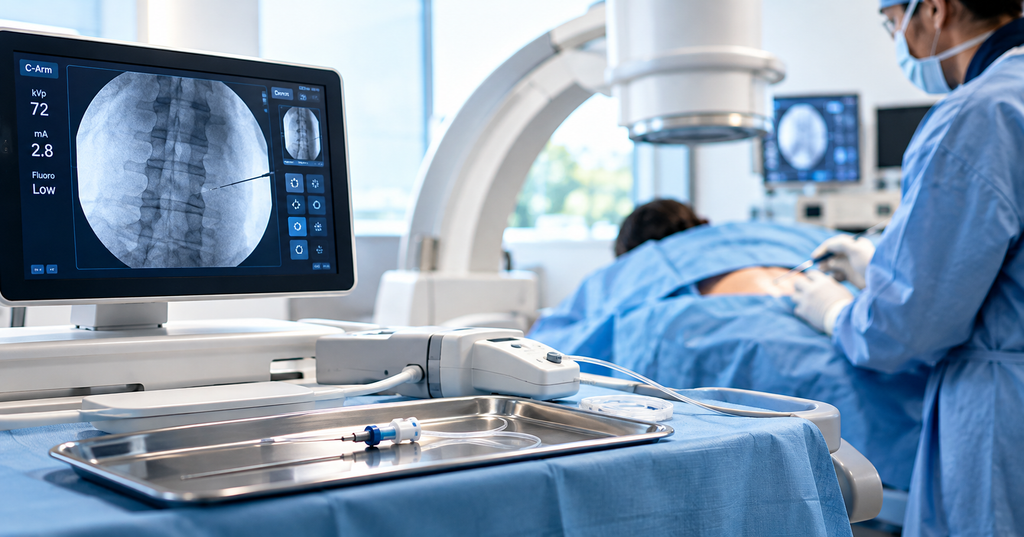
You lie on a table while the area is numbed. The doctor uses X-ray images to steer a thin needle toward the nerves that carry pain from your joint. A little radiofrequency heat through the tip switches those nerves off. You usually head home the same day. Nothing in the joint itself gets repaired, so the nerves eventually grow back, and the pain can return. Until then, pain relief can make a real difference for the right patient. Doctors can run it again if the pain returns. 

Curious what each step looks like? Start with our nerve ablation procedure overview.  

Neuromodulation for Stubborn Nerve Problems 

Neuromodulation is a long word for a fairly short idea. A small device delivers faint pulses of electricity to the spinal cord or one chosen nerve, usually through thin wires. Some people feel a light tingling. Others feel nothing at all. A few start here. It usually comes up after pills, physical therapy and shots haven’t been held up.

You also get a test run first, typically about a week, before anyone talks about a permanent implant. For stubborn nerve problems like pain that runs down an arm or leg, these chronic pain treatment innovations may help some people cut back on heavy medication.  

Targeted Muscle Pain Relief 

You know the knot that never let’s go? Trigger point injections go straight into it. Some patients notice muscle pain relief fast enough to get through physical therapy without wincing. Over time, that can mean less muscle pain medication. 

When to See a Nerve Specialist 

If pain is still there long after you should have healed, get it checked. Numbness or tingling is reason enough to go in too. A nerve specialist usually works through the same steps to get to the bottom of nerve problems: 

  1. A physical exam and a review of your history 
  1. Imaging, only if it’s needed 
  1. A clear answer on where the pain is coming from 
  1. A talk about advanced pain treatment options, once the source is clear 

Go to the emergency room right away if you notice any of these: 

  • Sudden weakness 
  • Trouble controlling your bladder or bowels 
  • Numbness around your groin 

These can point to a medical emergency.

What to Ask Before Your Operation

  • Will my plan combine several kinds of pain medicine (multimodal analgesia)? 
  • Are nerve blocks an option for my procedure? 
  • What do I need to be able to do before I can go home? 
  • Could any advanced pain treatment options delay or replace surgery? 

Frequently Asked Questions 

1.How can advanced pain treatments help reduce hospital stays? 

They take the edge off pain, so people get up and walk sooner. Fewer opioids also mean less nausea and drowsiness, which helps with reducing hospital stay after surgery.

2.What pain management treatments can help patients recover faster? 

A mix works best: acetaminophen, a nerve block, an anti-inflammatory if it’s safe and a short course of muscle pain medication for spasm. Add early walking for faster recovery pain management. 

3.What is the role of pain management in reducing post-surgical hospital stays? 

When pain is handled, patients can take full breaths, eat, rest, and start walking. Those are the boxes hospitals want ticked before discharge. Good pain management clears the way but can’t promise an early one.

4.Can better pain control help patients return home sooner? 

Often, yes. Controlled pain makes walking and eating easier, which are the goals hospitals look for. A nerve specialist can also treat lingering nerve problems with a chronic pain management plan for home. 

Take the Next Step with Dr. Rodolfo Gari 

Dr. Rodolfo Gari is an interventional pain management physician in Tampa. Maybe surgery is on the calendar. Maybe you’ve lived with pain for years. Either way, he’s someone to ask about advanced pain treatment options. A first visit is mostly talking: where it hurts, what you’ve tried, what you’re hoping to get back to. From there you can compare a chronic pain management plan with newer chronic pain treatment innovations. Questions about reducing hospital stay after surgery are fair games too. Contact Dr. Gari to set up a visit and start working toward pain relief that lasts. Want background first? Read more about Dr. Gari. 

This article is educational and does not replace personal medical advice. 

How Dr. Rodolfo Gari Is Solving One of America’s Biggest Health Challenges

Fifty million American adults are dealing with chronic pain right now. Not a projection that’s where things stand today, and it’s a big part of the chronic pain crisis in the US. Most of them never learned how to choose a pain management specialist, so they end up bouncing appointments that don’t go anywhere.

Dr. Rodolfo Gari has spent the last three decades in Tampa trying to fix that specific gap. He’s an interventional pain management physician, which in practice means he’s not handing out a prescription pad and calling it treatment. Patients tend to pick up on that quickly. Here’s why the crisis got this bad, what actually separates a good specialist from a mediocre one and where his approach breaks from the usual playbook.

The Scope of the Chronic Pain Crisis in the US  

The numbers from the CDC aren’t subtle. Chronic pain outranks diabetes and heart disease combined in terms of how many Americans it touches. Yet most people can’t get in to see a specialist quickly and when they do coverage often dictates the treatment plan more than the diagnosis does. That’s the uncomfortable core of the chronic pain crisis in the US: it’s less about medical knowledge and more about access.

Why the Crisis Persists

Referral systems are part of the problem. A patient sees their primary care doctor gets referred out waits weeks for an appointment and by the time they sit down with a nerve specialist the original issue has often gotten worse. Muscle pain that could’ve been treated early turns chronic. Nerve problems compound. The delay itself becomes part of the injury.

How to Choose a Pain Management Specialist

If you’re trying to figure out how to choose a pain management specialist, think of this as a working pain management doctor selection guide — here’s what actually matters, in order.

  • Confirm Board Certification and Training

    Board certification in pain management is non-negotiable and fellowship training in interventional techniques is what separates a specialist from a general practitioner who dabbles. Ask directly. A good practice won’t hesitate to answer.

  • Ask About Treatment Philosophy

    Some practices lean almost entirely on muscle pain medication. Others build a broader toolkit nerve blocks physical therapy referrals minimally invasive procedures and treat surgery as a last resort rather than a first option. Find out which kind of practice you’re walking into before you commit.

  • Evaluate Communication and Fit

    This part gets skipped a lot but it shouldn’t. Finding a pain specialist in the US who explains things clearly and doesn’t rush you out the door matters just as much as the credentials on the wall.

Dr. Gari’s Approach to Chronic Pain Management 

Dr. Gari doesn’t start with a prescription. He starts by figuring out where the pain is actually coming from — nerve compression, joint degeneration, soft tissue damage — because chronic pain management that skips this step tends to fail eventually. Patients around Tampa have come to know him as a nerve specialist who treats the cause not just the symptom and it’s a big part of why his approach to pain relief tends to stick. His career hasn’t been limited to the clinic either.

Time spent in healthcare entrepreneurship gave him a wider view of what’s broken in pain management specialist USA -wide, which shows up in how deliberately his practice is structured. Two conditions worth reading up on if you’re dealing with them: genicular nerve block treatment and diabetic neuropathy care.

What to Expect During a Consultation 

A real first visit takes time. History, physical exam, imaging review and increasingly, questions about sleep, since poor sleep and chronic pain feed each other more than most people realize.

That’s part of what’s changing about how the chronic pain crisis in the US gets treated: specialists are looking at the whole picture instead of isolating the symptom. If sciatica is your issue specifically our piece on sciatica treatment options walks through what a tailored plan looks like.

Take the Next Step Toward Real Pain Relief

Medication alone was never going to fix the chronic pain crisis in the US, and most patients figure that out the hard way. Knowing how to choose a pain management specialist is really where recovery starts. Dr. Rodolfo Gari brings three decades of experience a University of Miami medical background and a habit of actually listening before treating.

Don’t guess through another round of treatment. Get in front of Dr. Gari, get a real diagnosis and go from there. Book a consultation. Get it right from the start!

Frequently Asked Questions 

1.When should you see a specialist instead of continuing with your primary care doctor?

Few weeks in and the pain’s still there Or it’s messing with stuff you never used to think twice about. Or you’ve tried the basics and nothing’s moved. Any one of those and general care probably isn’t going to be enough — you need someone equipped to look deeper.

2.What’s behind the chronic pain crisis in the US?

Slow referral pipelines, inconsistent insurance coverage and decades of leaning on medication over root-cause treatment. It’s a systems problem as much as a medical one.

3.What should I ask before picking a pain management doctor?

Ask what they’re board certified in. Ask how they’d actually treat you, not just what they prescribe. And ask if they work with physical therapists or surgeons when a case needs it some don’t bother. If you’re not getting straight answers, that’s your cue to walk.

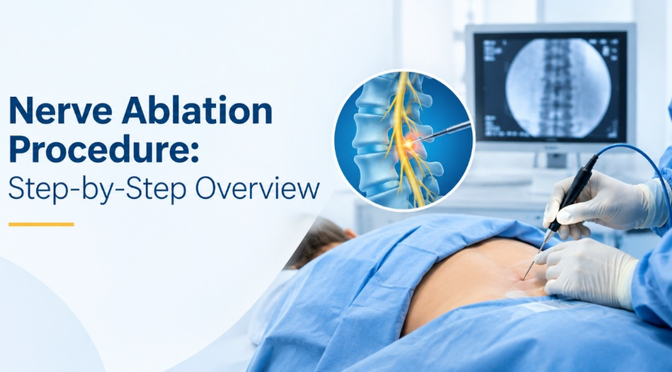
Nerve Ablation Procedure: Step-by-Step Overview

Back pain has a way of taking over everything. You skip the walk, you cancel plans, you start planning your day around how your back feels that morning. At some point, medication and physical therapy just stop moving the needle. That’s usually when a nerve ablation procedure comes up.

It’s a minimally invasive treatment that uses targeted heat to quiet the nerves sending pain signals to your brain and for a lot of patients, that relief sticks around for months. So how nerve ablation works, exactly? Dr. Rodolfo Gari, a Tampa-based nerve specialist with over thirty years in pain management, walks patients through radiofrequency ablation for pain from the first visit to full recovery.

What Is a Nerve Ablation Procedure

Picture turning down the volume on a nerve that won’t stop shouting. That’s basically what a nerve ablation procedure does, heat quiets the nerve fiber carrying pain signals to your brain. There’s no cutting involved, just a needle finding its way to the right spot with the help of live imaging. Patients dealing with nerve problems from arthritis, spinal degeneration or an old injury almost always try other pain management routes first.

Ablation tends to come up once those stop working. Plenty of patients want to know how nerve ablation works before they’ll agree to anything, which is fair. The point isn’t curing what caused the pain in the first place. It’s shutting off the signal so you can actually function again.  

How Nerve Ablation Works 

Dr. Gari rarely jumps straight into a full nerve ablation procedure. There’s usually a smaller step first: a diagnostic nerve block. Think of it as a test run — a temporary numbing injection that tells you whether you’ve found the right nerve.

Feel noticeably better after that? That’s your confirmation and it’s your green light for radiofrequency ablation for pain. If you’re looking into nerve ablation for back pain specifically, this is where the real diagnosis actually happens, not at the ablation itself.

The Radiofrequency Ablation Process  

Once the nerve’s confirmed, a specialized probe warms a small patch of tissue right around the nerve tip. That warmth forms a tiny scar-like lesion and that lesion is what keeps the pain signal from getting through — sometimes for months on end.

It’s a simple concept once you see it in action: the nerve stops carrying the pain message because the pathway itself has been shut down.

Going Through the Steps of Nerve Ablation for Back Pain 

Step 1: Talking Through Your History and Scans 

Every nerve ablation for back pain treatment starts with a real conversation, not a form. Dr. Gari goes through your scans, your history, everything you’ve already tried, before deciding you’re a good fit for the next step. 

Step 2: Positioning and Local Anesthesia 

You’ll get settled comfortably on the table while the treatment site is cleaned and numbed. Want something extra to take the edge off? Light sedation is usually available too. 

Step 3: Needle Placement and Radiofrequency Energy 

A live X-ray image helps place the needle with precision, right where the nerve sits. From there, a short burst of heat energy does the actual work of forming the lesion.  

Step 4: Recovery and Aftercare  

Most people head home within an hour. You’ll leave with simple instructions on activity, plus muscle pain medication if you need something for the first few days. Relief isn’t instant; it tends to build gradually over one to three weeks. 

Who Benefits from Radiofrequency Ablation for Pain? 

Facet joint arthritis. Sacroiliac joint dysfunction. Nerve problems left behind after spine surgery. These are the patients who tend to find their way to this nerve ablation procedure, people whose chronic pain management plan has basically stalled.

A lot of them start googling nerve ablation for back pain right after realizing oral medication only buys a few hours of muscle pain relief at a time. Talk to a nerve specialist like Dr. Gari and you’ll usually know within one visit whether radiofrequency ablation for pain is worth pursuing.

Wrapping Up  

Nerve pain that won’t ease up after medication and physical therapy is frustrating to live with and for many patients dealing with facet joint arthritis, sacroiliac joint dysfunction or nerve pain after spine surgery, a nerve ablation procedure is what finally gets them back to their normal routine.

It won’t fix the underlying problem, but it can quiet the pain signal for months at a time and once you know how nerve ablation works, from the diagnostic nerve block to the radiofrequency ablation itself, it’s a lot less intimidating than it sounds.

If oral medication is only giving you a few hours of relief, bring up radiofrequency ablation for pain at your next visit, Dr. Rodolfo Gari has over thirty years in interventional pain management and can usually tell within one consultation whether nerve ablation for back pain is worth pursuing for you.

Frequently Asked Questions 

Is a nerve ablation procedure painful?

Not really. There’s a pinch when the numbing medicine goes in and after that most patients barely notice the rest. A little soreness might stick around for a day or maybe two, then it’s gone. 

Radiofrequency Ablation for Pain — How Long Before It Wears Off?

No two patients are quite the same here. Six months is a fairly typical stretch, though plenty of people make it close to two years before the nerve regenerates and symptoms creep back in. 

Is nerve ablation for back pain a permanent solution?

Not permanent, no. It quiets the signal, it doesn’t fix whatever’s causing it in the first place. So down the road, some patients come back and have it done again as part of staying on top of their pain long-term.  

Dr. Rodolfo Gari on Treating Cancer-Related Pain: Modern Approaches That Help

Ask around and you’ll find pain shows up in almost every cancer story just not the part people talk about first. Doctors go after the disease. Pain waits its turn and by the time it gets attention, it’s often already running the patient’s day.

Dr. Rodolfo Gari, an interventional pain management physician in Tampa, works from the other direction. Nerve-focused procedures, muscle pain relief, treatment plans that layer several approaches together opioids aren’t where he starts. 

This Isn’t Regular Pain and It Shouldn’t Be Treated Like It  

There’s almost never one clean cause. A tumor sitting on a nerve. Chemo leaving nerve damage that outlasts the treatment by years, not weeks. Muscles gone weak from lying around too long, aching for reasons that have nothing to do with the cancer directly.

Put it together and it’s messier than a standard pain case and that’s the whole argument for why cancer-related pain treatment needs someone fluent in both oncology and pain medicine. 

The Physical and Emotional Toll on Patients  

It reaches past the body too. Sleep goes first. Then appetite. Then the will to get through a normal day. Nerve problems and muscle pain that won’t ease up tend to bring anxiety and exhaustion along for the ride on top of everything a cancer diagnosis already demands.

Catch it early, though and patients usually handle treatment better and come out the other side stronger. 

Pain Treatment Has Moved On From Just Pills 

Nerve blocks. Radiofrequency ablation. Spinal cord stimulation. Injections aimed straight at wherever the inflammation’s coming from.

This is what modern cancer pain relief options actually look like now going after the cause instead of just quieting the symptom for a few hours. 

Nerve-Focused Treatments for Cancer-Related Pain 

Nerve damage gets its own playbook. A nerve specialist can usually pin down which nerves are actually causing trouble and from there something like a genicular nerve block or selective nerve root injection tends to help without patients trading away the mobility they walked in with. 

Muscle Pain Medication and Multimodal Approaches 

Muscle pain doesn’t respond well on its own, though. Dr. Gari usually pairs muscle pain medication with physical therapy and small, doable lifestyle changes rather than leaning on one fix. Less reliance on any single method. Less opioid exposure too, over time.  

How Dr. Gari Actually Approaches This 

Thirty-some years in and his view hasn’t budged much: relief that costs someone their mobility isn’t really relief. Every chronic pain management plan starts with specifics — the cancer type, what’s already been tried, what the patient wants their life to look like day to day.

Function comes first. That’s probably why people looking for a nerve specialist who treats the whole person, not a checklist of symptoms keep finding him. 

Worth Getting Checked? 

If pain sticks around longer than it should, gets worse even with medication, or comes with numbness, tingling, or weakness don’t just sit on it. Get it looked at.

Dr. Gari doesn’t sugarcoat it waiting until it’s unbearable just makes the road back longer. He’s also got pieces up on sciatica treatment options and diabetic neuropathy care, if either rings a bell.

Where That Leaves Things 

A prescription pad was never going to be the whole answer for cancer pain management. It takes someone who actually understands nerve pathways, how muscles hold up under strain and what a cancer diagnosis does to a person beyond the physical.

Dr. Rodolfo Gari keeps helping patients claw back something like a normal life, using modern cancer pain relief options built around the person, not a template. For anyone dealing with chronic pain in cancer patients right now his multimodal approach is worth a look. 

Next Step  

You don’t have to just live with cancer pain. Dr. Rodolfo Gari and his team build minimally invasive cancer pain relief options around your actual diagnosis and what you want out of treatment. Reach out, get a consultation on the books, it’s a reasonable place to start. 

Conclusion 

The landscape of non-surgical chronic pain treatments continues to expand in 2026. Physical therapy, exercise, medication, behavioural approaches and targeted procedures can all have a role depending on the diagnosis. Non-invasive pain management may be appropriate for many patients while selected minimally invasive treatments can provide another option when conservative care is insufficient. 

Dr. Rodolfo Gari focuses on personalized pain management that considers symptoms, diagnosis and treatment goals. If chronic pain is limiting your mobility, sleep or quality of life, consult a qualified pain specialist to discuss appropriate treatment options and determine whether surgery can be avoided. 

Frequently Asked Questions 

1.What actually works best?

Depends where the pain’s coming from, honestly  there’s no one answer. Most people do better combining a few things: nerve blocks, medication, physical therapy, working together instead of solo.

2.Can nerve damage from treatment heal?

Sometimes, yeah. Catching it early makes a real difference. A nerve specialist can size up the damage and point toward whatever gives the best odds of getting function back.

3.When should someone actually go see a pain management physician?

As soon as pain starts cutting into sleep, movement or basic daily stuff. Waiting just drags out the recovery later.

Trigger Point Injections for Muscle Knots: A Patient-Friendly Guide

Picture a hard little lump under the shoulder blade. It hurts when pressed and now and then sends an ache toward the head. Heat helps for maybe an hour. Stretching helps a little bit. Then it’s back again. When that cycle drags on, trigger point injections for muscle knots are worth raising with your doctor.

Below, we walk through how trigger point injection therapy works, who tends to benefit and what the studies really say. If you’re after pain relief, you’ll get plain answers. If you’re a clinician considering a referral, you’ll get a fair summary from Rodolfo Gari MD.

Knots 101 

The medical term is myofascial trigger point. Everyone else just says a knot. It’s a small, irritable patch inside a tight band of muscle. Pressing on it often brings back your usual pain or sets off pain somewhere nearby. A knot in the upper back can ache all the way up toward the neck, for example.

Many develop after overuse, injury or long stretches of bad posture. If one hangs around for weeks or months, a doctor may call it myofascial pain syndrome. Around that point, a heating pad stops cutting it. Muscle knot pain treatment turns into a medical question. ters even more because one visit rarely fixes anything and the plan has to hold up over time.

How Trigger Point Injection Therapy Works 

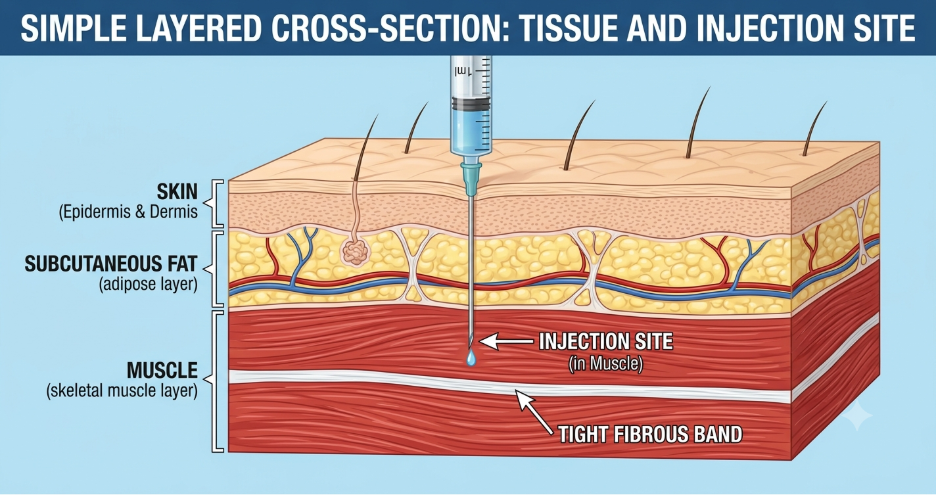
Your doctor starts by locating the knot with their fingers. A thin needle then goes in, delivering a local anesthetic such as lidocaine. Some physicians add corticosteroid to the mix. Others skip it. When the needle hits the knot, you’ll usually feel the muscles jump for a second.

What to Expect During Your Visit? 

It’s a short visit. Your doctor cleans the skin then injects each knot they’ve found, one at a time. The whole thing can take just a few minutes. Afterward, the area may feel sore. 

Most persistent pain traces back to one of two places: nerves or muscles. Here is how each tends to feel:

Combining Injections with Other Care 

Muscle knot pain treatment rarely stops at the needle. Stretching and physical therapy often come up, along with a few tweaks to how you sit, stand and move through the day. Sometimes muscle pain medication joins the plan too. The goal is less painful, enough that you can rebuild strength without flinching. ed conditions and medication safety before suggesting anything. Choosing a nerve specialist who explains each step makes a real difference. 

How Well Do Injections for Myofascial Pain Work? 

StatPearls, a widely used clinical reference, calls trigger point injection therapies an effective primary or adjunctive option for inactivating trigger points. The trials are less convincing. A 2019 meta-analysis of head, neck and shoulder myofascial pain found local anesthetic lowered pain by about 1.6 points on a 10-point scale over one to four weeks compared with dry needling.

Its authors still rated the evidence low quality. An older Pain Medicine review couldn’t say the treatment clearly works or clearly fails. So where does that leave you? Injections for myofascial pain look like a reasonable tool for muscle pain relief. They just shouldn’t be expected to do the job alone.k

Who May Benefit and What Are the Risks? 

Injections for myofascial pain suit some people better than others. Doctors usually think about trigger point injections for muscle knots when there’s one clear tender spot that hasn’t eased after stretching, heat or physical therapy. An active infection at the site means waiting.

Bleeding disorders, blood thinners and anesthetic allergies need a closer look first. Tell your doctor about any muscle pain medication you take. Burning, numbness or shooting pain often points to nerve problems rather than a muscle knot. A nerve specialist can work out which one you’re dealing with through an exam and testing. That answer shapes the right muscle knot pain treatment. 

Possible Side Effects 

Most people get nothing worse than a sore spot or a small bruise at the injection site. Infection and bleeding are possible but unlikely. If the knot sits near the ribs, there’s a slim chance the needle punctures a lung (pneumothorax) so it’s worth choosing a doctor who does these injections often. Too much anesthetic reaching the bloodstream, called systemic toxicity, is rare. 

Where Injections Fit in Chronic Pain Management 

Pain that lasts is rarely tied to a single cause. Chronic pain management usually starts with finding out what is actually keeping it going. Procedures and rehab follow, along with goals that suit your life. A pain management physician or nerve specialist may walk you through muscle knot pain treatment choices such as dry needling, physical therapy or a nerve-focused procedure.

For the bigger picture, start with our piece on multimodal pain management. You can also browse what else Rodolfo Gari MD has published. 

Conclusion: Take the Next Step Toward Pain Relief 

Trigger point injections for muscle knots won’t solve every kind of pain. For the right patient, they can support muscle pain relief, particularly when paired with rehabilitation. The evidence is modest, so keep your expectations modest as well. Whether you’re considering muscle knot pain treatment or injections for myofascial pain, begin with an accurate diagnosis. Everything in chronic pain management builds from there. 

Dr. Rodolfo Gari is an experienced interventional pain management physician and nerve specialist who treats muscle pain and nerve problems. He takes a patient-first approach. Schedule a consultation with Dr. Gari to find out whether trigger point injection therapy fits your situation. Muscle pain relief can start with a single conversation. 

Frequently Asked Questions 

1. Are trigger point injections for muscle knots painful? 

A little, yes. The needle stings for a moment as it goes in. Some people also feel a small jump in the muscle. Any soreness usually settles within days.

2.How Long Do Injections for Myofascial Pain Last? 

That varies from person to person. Studies generally track pain relief across a span of weeks. Some people need repeat sessions or muscle pain medication alongside rehabilitation. 

3.Can injections treat nerve pain such as sciatica? 

Not directly. Trigger point injection therapy is aimed at muscle knots. Sciatica and similar nerve problems need their own evaluation.  

Compassion in Care: The Human Side of Dr. Rodolfo Gari’s Medical Practice

Most people don’t walk into a pain clinic hoping for a lecture. They want someone to hear the whole story including the missed weekends and the bad nights. That’s the idea behind Dr. Rodolfo Gari compassionate care. A good pain doctor takes more than credentials.

A good chronic pain specialist asks about more than the pain itself: how it affects your work, how you sleep and how you’re holding up. Healthcare professionals reading this will find a plain look at what that approach means in practice, from the first question to the long-term plan for pain relief. 

What Patients Want From Their Pain Doctor 

People who’ve lived with pain for years tend to tell the same story about their doctor visits: 

  • The visit felt rushed. 
  • Nobody explained much. 
  • They felt brushed off. 

What patients are looking for is simple for a doctor who talks things through, doesn’t gloss over the options and lets them help shape the plan. With chronic pain that matters even more because one visit rarely fixes anything and the plan has to hold up over time.

Meet Dr. Rodolfo Gari 

If you’ve lived with pain that won’t ease up, Dr. Gari has spent most of his career on exactly that problem. He is board certified in anesthesiology and earned his medical degree the Miller School of Medicine (University of Miami).

His residency at Jackson Memorial Hospital covered both anesthesiology and pain management. He has spent decades in interventional pain management in Tampa. Patients tend to come to him when the pain won’t go away and he looks for ways to help that don’t involve an operation. 

Where Pain Usually Starts 

Most persistent pain traces back to one of two places: nerves or muscles. Here is how each tends to feel:

When Nerves Are the Source 

Nerve pain doesn’t feel like ordinary pain. Neuropathic pain feels like: 

  • Burning 
  • Tingling 
  • Numbness 
  • Sharp & stabbing sensations 

This happens because the nerves themselves are affected. A nerve specialist will look at the likely source, related conditions and medication safety before suggesting anything. Choosing a nerve specialist who explains each step makes a real difference. 

When You Need Muscle Pain Relief

Muscle pain can start with a pulled muscle, a desk job, or a long stretch of poor posture. Sometimes it’s myofascial pain. 

A few things to know about treatment: 

  • Muscle pain medication can take the edge off for some people. 
  • It’s rarely the whole answer, so movement or physical therapy usually gets added to the plan. The same medication can work well for one person and barely helps another and the dose & side effects can differ a lot too. So, Before you start any muscle pain medication check with your doctor or pharmacist. 

What you’re really after is muscle pain relief that lasts not just a good week

When It Just Won’t Quit 

Sometimes the pain hangs on well after the injury itself has healed. The alarm is still ringing. A patient focused chronic pain specialist treats that as part of the diagnosis rather than an extra complaint.

What Whole Person Pain Care Looks Like

Research on persistent pain supports multidisciplinary assessment particularly for older adults. A holistic pain treatment approach follows that logic by looking at the whole picture: 

  • Physical function 
  • Sleep 
  • Stress 
  • Other health conditions 
  • Personal goals 

Sometimes that means changing medication. Sometimes it’s smaller things like how much you move or how you sleep. Other times, a procedure makes sense. Either way the aim is pain relief that lasts, so you can go back to the things you’ve been putting off. 

What to Ask at Your First Visit 

  • What do you think is driving my pain? 
  • Which treatments come first? What are the trade-offs? 
  • What should I expect to improve first and by when? 

Ready to Talk It Through?

Skill matters. So is being heard. Dr. Rodolfo Gari compassionate care brings both to chronic pain management with a holistic pain treatment approach built around the patient. If you’re looking for a compassionate pain management doctor USA-wide, visit Rodolfo Gari MD to see how this Tampa pain management specialist approaches nerve problems, muscle pain relief and other symptoms. Schedule a consultation with Dr. Gari. 

Frequently Asked Questions 

1. How do you know you need a patient focused chronic pain specialist?  

Three months of pain or pain that keeps disrupting your job, your sleep or your mood, is enough to see a specialist. If nerve problems or muscle pain haven’t improved with basic treatment, a nerve specialist may be able to help.

2.What should I look for in a compassionate pain management doctor USA wide?

Start with board certification, then pay attention to how well the doctor explains things. You should leave knowing your options. Whichever route you take has a qualified clinician review any muscle pain medication before you start it. 

3.Why do patients value Dr. Rodolfo Gari for compassionate care?

Dr. Gari brings board certified anesthesiology training and decades of interventional experience to the exam room. In chronic pain management, the aim is that patients leave with straightforward explanations of the risks and alternatives. 

Advanced Pain Treatment Options 2026: A Guide for Patients and Clinicians

By the time someone with long-term pain lands in a specialist’s office, they’ve usually tried plenty already. Pills, heat packs and a few rounds of physical therapy. Some of them helped a little. Some didn’t help at all. What many don’t realize is that advanced pain treatment options 2026 now include procedures aimed right at the nerve causing trouble.

This article walks through the latest pain management treatments, some chronic pain treatment innovations and modern pain relief therapies that can lower the need for opioids. Patients can read it before an appointment. Doctors can pass it along to someone they’re referring to.

Why Pain Care Looks Different in 2026 

Not that long ago, plenty of doctors treated opioids as the go-to when pain wouldn’t let up. The CDC’s 2022 guideline began to change that. If pain has lasted more than a month, the guideline puts nonopioid treatment first. Opioids shouldn’t be the automatic starting point. 

Chronic pain management looks different because of that. Rehab, procedures and medication are used side by side now. If the basics aren’t working, plenty of clinicians send patients to an interventional specialist sooner than they once did. 

So, what do advanced pain treatment options 2026 actually look like day to day? Fewer guesses, mostly. More pain relief that lines up with the real diagnosis. 

Latest Pain Management Treatments Worth Knowing  

Nerve Blocks and Radiofrequency Ablation 

Take the nerve block, one of the latest pain management treatments. It works partly as a detective. Numbing medicine goes near the nerve your doctor suspects. If your pain eases clearly afterward, that’s a strong clue you’ve found a driver. 

Radiofrequency ablation comes next for some people. It uses heat to quiet the nerve for longer. In one retrospective study of 48 people with knee osteoarthritis, ablation happened only after a diagnostic block had cut pain by more than half. A recent systematic review in Pain Medicine pulled together data on knee osteoarthritis and post-surgical knee pain. About 51% of patients had at least 50% less pain in six months. At twelve months, that figure was 43%. It’s not a miracle. For the right knee, though it’s a solid option. More on our nerve block page. 

Spinal Cord Stimulation 

A spinal cord stimulator is a small, implanted device that alters the pain signals heading to your brain. Doctors tend to offer it when long-lasting back or leg pain, nerve pain or pain after spine surgery hasn’t improved with other treatment. You start with a full evaluation. Most people then try a temporary version first. If it doesn’t help, nothing permanent goes in. These chronic pain treatment innovations don’t suit everybody. 

Muscle Pain Relief Options 

For ordinary flare-ups, a lot of people manage fine with muscle pain medication such as topical or oral NSAIDs. A stubborn knot is a different story. Trigger point injections for muscle knots can settle that spot enough for stretching and therapy to start helping. Stay active afterward and the muscle pain relief tends to hold up longer. If surgery isn’t something you want, it’s worth asking about these modern pain relief therapies. 

Chronic Pain Treatment Innovations for Nerve Problems 

It’s easy to confuse diabetic neuropathy with sciatica. Both can leave you with pain running down the leg. What’s behind them is different. Sciatica usually comes from the lower spine. Diabetic nerve damage builds after long stretches of high blood sugar. Because of that, nerve problems really do need a proper diagnosis before anyone picks up a treatment. 

Diabetic neuropathy can’t be cured. What doctors can do is keep blood sugar under control and ease the symptoms, sometimes with certain antidepressants or anticonvulsants. Our sciatica treatment and diabetic neuropathy pain relief guides go deeper. 

When to See a Nerve Specialist 

Consider seeing a nerve specialist if you notice: 

  • Burning or shooting pain that keeps you up at night 
  • Numbness or weakness that’s spreading 
  • Pain that’s lasted past three months despite home care 

Building a Complete Chronic Pain Management Plan 

Rarely does one procedure fix everything. The CDC says exercise and physical therapy can help medication go further, so most good plans include them. Behavioral support matters too. Chronic pain treatment innovations only pay off when someone coordinates the whole plan. Our multimodal pain management overview shows how the parts fit together for lasting pain relief. 

Conclusion: Take the Next Step Toward Relief 

There are more ways to treat pain now than there were a few years ago. From nerve blocks to spinal cord stimulation, the latest pain management treatments work best when they’re matched to the right diagnosis.

Dr. Rodolfo Gari is a Tampa pain management physician with more than 30 years of interventional care. Wondering which of these modern pain relief therapies fit you? Schedule a consultation with Dr. Rodolfo Gari to go over advanced pain treatment options 2026 built around your situation.

Frequently Asked Questions 

1.What are the most advanced pain treatment options 2026 offers? 

The list is shorter than people expect. Imaging-guided nerve blocks help locate the source. Radiofrequency ablation can keep a nerve quiet for longer. Spinal cord stimulation tends to be saved for stubborn cases, with injections and rehab filling the gaps. Which one suits you depends on your diagnosis plus what you’re hoping to get back to. 

2.Do modern pain relief therapies replace medication? 

Not always. Plenty of patients end up needing fewer medications once a procedure or rehab plan takes hold. Your physician sets the mix for your condition.

3.When should I see a nerve specialist for chronic pain? 

Three months of pain is long enough. See someone. If numbness or weakness is part of the picture, don’t wait that long. Nobody gains anything by putting up with it while they work through one home remedy after another.

How to Choose the Right Pain Management Specialist in the U.S.

Chronic pain is common. The CDC counted 24.3% of U.S. adults in 2023, and for 8.5% it was the high-impact kind, the sort that cancels plans and makes a normal workday feel endless. So, if you’re hunting for a doctor right now, you’re far from being alone. Most people just don’t know where to begin.

Chronic pain management works best when one physician keeps the whole picture, from first diagnosis through follow-up. Here’s how to choose a pain management specialist without losing weeks to it. Think of this pain management doctor selection guide as something you can get through in one sitting. 

How to choose a pain management specialist: start with credentials 

Boring, yes, but do it first. Pain medicine is a subspecialty. The road into pain medicine usually runs through residency in anesthesiology, neurology, psychiatry or physical medicine and rehabilitation followed by a one year fellowship. Don’t take a website word for it, though.

Search the doctor’s name on the American Board of Medical Specialties lookup or your state medical board. You’re checking two things: that the certification is real, and that the license is clean. Any pain management specialist in USA wide should pass that test before you read a single review. 

Check that their focus fits your pain 

Spine, headaches and joints 

Nobody does everything. Pain management covers a lot of ground and most doctors end up concentrating on a corner of it. One may be the person to see for a bad back another for chronic headaches or stiff, swollen joints. A quick way to find out where a doctor’s strengths lie is to ask what they treated last week. 

Numbness and burning 

Burning or numb patches often mean nerve problems with sciatica and neuropathy as usual suspects. A nerve specialist can sort out whether the source is in your spine or further out along a nerve. We covered the warning signs in when nerve pain requires a pain management specialist. 

Sore muscles 

Muscles are a different story. Tight knots that won’t let go after weeks of stretching deserve a real conversation. Ask what’s offered besides muscle pain medication. Trigger point injections are one option, and they can bring muscle pain relief when a knot digs in. 

Ask how they treat pain 

One pill rarely fixes it. The CDC’s 2022 opioid prescribing guideline leans toward nonopioid therapies for subacute and chronic pain, so a doctor who starts with physical therapy, targeted injections and everyday lifestyle changes is on the right track.

Read whether pain pills and patches really work before your visit, too, so you can bring up muscle pain medication with some background. Go in expecting measurable pain relief, not zero pain. Anyone promising zero is selling something.

Pay attention to the room 

The first appointment tells you a lot. Did the doctor let you finish talking? Did they explain the risks without jargon? Can you reach the office on a bad weekend? Chronic pain management can run for years, so the relationship counts nearly as much as the diploma on the wall.

A pain management doctor selection guide checklist 

Write these down and bring them along: 

  • Which board certified you in pain medicine? 
  • What will we try first that doesn’t involve surgery? 
  • How will we know it’s working? 
  • What do you offer for muscle pain relief if medication isn’t enough? 
  • Who do I call when it flares between visits? 

Where to find doctors to compare  

Finding a pain specialist in the US usually begins with your primary care doctor and your insurer’s directory. Directories list plenty of names and pain management specialist USA insurers cover still needs the credential check above.

If your symptoms are nerve-related, ask whether a nerve specialist is on staff. Then compare two or three doctors. Resist the urge to book the first open slot. 

Conclusion 

Learning how to choose a pain management specialist mostly comes down to three things, verify credentials, match the doctor’s focus to your pain, and ask blunt questions. Keep this pain management doctor selection guide nearby while you shortlist, and finding a pain specialist in the US stops feeling like a coin flip.

Dr. Gari is a pain management specialist in USA where patients can contact for personalized care. Call his Tampa office for pain management guidance and a consultation and bring your own idea of what pain relief should look like.

About Dr. Rodolfo Gari 

Dr. Rodolfo Gari is an interventional pain management physician in Tampa with more than 30 years of practice. His work covers chronic pain management, spine care and nerve pain always with lasting pain relief as the goal. 

FAQs 

1.Do I need a nerve specialist for numbness? 

Yes. Burning or sudden shooting pain usually points to nerve problems and that is where a specialist earns their keep. Before you book, check their board certification and ask how often they see cases like yours. If medication hasn’t helped a neurologist or an interventional pain doctor may suggest a nerve block. 

2.What is the best way of finding a pain specialist in the USA? 

Start by asking your regular doctor who they’d send a family member to. Cross check that answer with your insurer’s list of in-network providers, then verify the credentials of whoever makes the cut. If you can swing it, book a first visit with more than one doctor. You’ll know quickly which one feels right. 

3.Can a specialist help with muscle aches? 

Yeah. They can review your muscle pain medication and suggest therapy or injections for muscle pain relief. They’ll also check whether nerve problems are hiding behind them.