Understanding Surgical Pain Management: A Complete Patient Guide
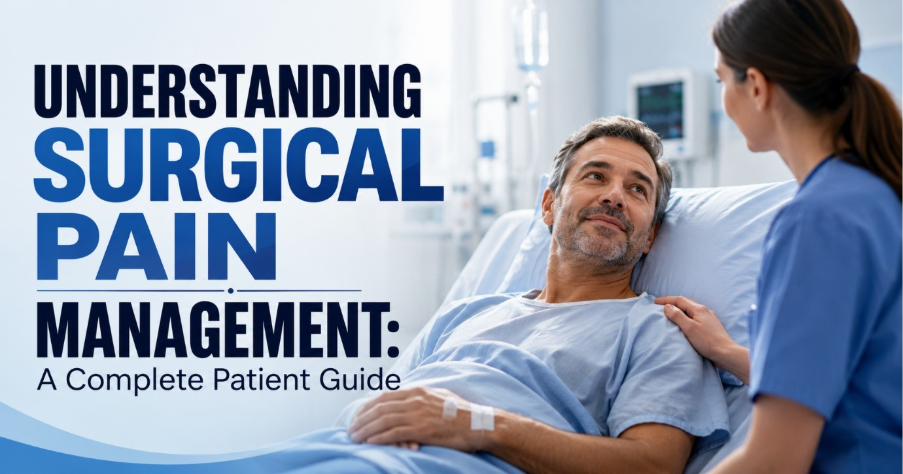
Surgery is often the first step toward improving your health and quality of life. However, many patients worry more about pain after surgery than the procedure itself. Understanding surgical pain management before your operation can reduce anxiety and help you recover with greater confidence. Modern medicine offers a variety of techniques that make pain easier to control while supporting faster healing and better outcomes.
All patient experiences pain differently. Factors such as the type of surgery overall health age and medical history all influence the recovery process. This is why physicians create individualized treatment plans that include medications physical therapy lifestyle guidance and continuous monitoring throughout recovery.
This guide explains how pain is managed before during and after surgery. You will learn about common treatment options recovery expectations and practical tips for achieving the best results. Whether you are preparing for a planned procedure or simply gathering information this guide will help you understand what to expect from surgical pain management and how it contributes to a safer and more comfortable recovery.
Why Surgical Pain Management Matters
Pain is a natural response after surgery because tissues need time to heal. While some discomfort is expected uncontrolled pain can delay recovery reduce mobility and increase stress. Effective surgical pain management helps patients remain comfortable while supporting faster healing and reducing the risk of complications.
Healthcare providers focus on controlling pain without eliminating every sensation. The goal is to help patients move safely breathe deeply sleep comfortably and participate in rehabilitation activities. Early pain control also lowers the likelihood of developing persistent pain after surgery.
Good pain management provides several benefits including:
- Faster recovery and improved mobility
- Better sleep quality
- Lower stress and anxiety
- A decreased likelihood of developing complications such as blood clots and pneumonia
- Improved overall patient satisfaction
Modern pain care combines medications regional anesthesia physical therapy and patient education to create a balanced treatment approach that supports healing.
How Pain Is Measured After Surgery
Doctors regularly assess pain using standardized pain scales. Patients are encouraged to describe where the pain occurs how severe it feels and whether it changes during movement or rest. Honest communication helps providers adjust treatment plans when necessary.
Pain assessments often consider:
- Pain intensity
- Pain location
- Pain duration
- Activities that worsen pain
- Relief provided by medications
Accurate reporting ensures patients receive the right combination of treatments throughout recovery.

Preparing for Surgery with Postoperative Pain Management in Mind
The preparation process begins long before the day of surgery. Healthcare teams evaluate each patient’s medical history medications allergies and previous surgical experiences to create a personalized pain management strategy. Planning ahead improves safety and allows patients to recover more comfortably.
Patients should discuss any chronic pain conditions current medications and previous reactions to anesthesia during their preoperative consultation. These conversations help physicians select the safest and most effective pain control methods.
Important preparation steps include:
- Completing preoperative medical evaluations
- Following medication instructions
- Understanding fasting requirements
- Learning about expected recovery timelines
- Arranging transportation and home assistance
Planning ahead reduces stress and allows patients to focus on healing after surgery.
Questions to Ask Before Surgery
Patients should never hesitate to ask questions before their procedure. Knowing what to expect builds confidence and improves communication with the healthcare team.
Consider asking:
- What Should You Expect After Surgery?
- Which medications will be prescribed?
- How long will recovery take?
- When can normal activities resume?
- What symptoms require immediate medical attention?
These discussions help establish realistic expectations and prepare patients for postoperative pain management throughout recovery.
Lifestyle Habits That Improve Recovery
Healthy habits before surgery contribute significantly to recovery. Maintaining proper nutrition staying physically active within medical limits and avoiding tobacco use all improve healing.
Patients should also:
- Stay hydrated before fasting begins
- Follow medication instructions carefully
- Get adequate sleep before surgery
- Prepare recovery supplies at home
- Arrange family support if needed
These simple steps help create a smoother recovery experience while supporting effective pain management after surgery.

Pain Management After Surgery: What Happens During the Procedure
Pain control begins before surgery starts. Anaesthesiologists use advanced techniques to minimize discomfort during the procedure and reduce pain immediately afterward. The choice of anesthesia depends on the type of surgery overall health and individual patient needs.
Common anesthesia options include:
- General anesthesia: The patient remains fully asleep throughout surgery.
- Regional anesthesia: Numbs a larger area of the body such as spinal or epidural anesthesia.
- Local anesthesia: Numbs only the surgical site for smaller procedures.
- Sedation: Helps patients remain relaxed while still responding when necessary.
Many procedures use a combination of these methods to improve pain control after surgery while reducing medication requirements during recovery.
Multimodal Pain Management
Modern healthcare increasingly relies on multimodal pain management. This approach combines several therapies that work together instead of depending on a single medication.
These treatments may include:
- Non-opioid pain relievers
- Regional nerve blocks
- Anti-inflammatory medications
- Muscle relaxants when appropriate
- Ice therapy after surgery
By combining different methods physicians can improve comfort while lowering the need for stronger medications.
Benefits of Early Pain Control
Managing pain before it becomes severe offers important advantages.
These include:
- Easier movement after surgery
- Improved breathing exercises
- Earlier participation in physical therapy
- Better sleep quality
- Faster hospital discharge for many patients
Early intervention supports safer healing while helping patients regain independence more quickly.
Recovering with Effective Postoperative Pain Management
Recovery continues long after the surgical procedure is complete. In many ways it is the most important phase of the healing journey. Effective postoperative pain management allows patients to move safely participate in rehabilitation and regain independence sooner. Your healthcare team will monitor your pain levels regularly and adjust your treatment plan as your recovery progresses.
Pain usually changes during the healing process. It may feel more intense during the first few days and gradually improve as tissues heal. Keeping your care team informed about any changes helps ensure your treatment remains effective.
Pain Management After Surgery at Home
Recovery extends beyond the hospital and continues during your time at home. Following your provider’s instructions is essential for controlling discomfort and preventing complications. Every patient heals at a different pace, so it is important to be patient and allow your body enough time to recover.
Your recovery plan may include:
- Taking medications exactly as prescribed
- Maintaining a clean and dry surgical incision
- Walking regularly to improve circulation
- Attending follow-up appointments
- Avoiding strenuous activities until approved
Good pain management after surgery also involves maintaining healthy habits. Eating nutritious meals staying hydrated and getting enough sleep help your body repair damaged tissues more efficiently.

Medications Used for Pain Control After Surgery
The effectiveness of pain medications varies from one patient to another. Physicians often combine different treatments to provide effective relief while reducing the need for stronger medications.
Common medications include:
- Acetaminophen for mild to moderate pain
- Nonsteroidal anti-inflammatory drugs (NSAIDs) to reduce inflammation
- Opioid medications for short-term severe pain when necessary
- Local anaesthetics for targeted pain relief
- Nerve block injections for selected procedures
Patients should always follow dosage instructions carefully and never take additional medications without consulting their healthcare provider. Safe medication use is an important part of successful pain control after surgery.
Rehabilitation Supports Long-Term Recovery
Pain relief represents only one component of a successful recovery. Rehabilitation helps restore strength flexibility and normal movement after surgery. Depending on your procedure your physician may recommend physical therapy occupational therapy or guided exercise programs.
Benefits of rehabilitation include:
- Improved mobility
- Faster return to daily activities
- Reduced stiffness
- Better muscle strength
- Lower risk of long-term pain
Therapists gradually increase activity levels while monitoring discomfort. This balanced approach allows patients to recover safely without placing unnecessary stress on healing tissues.
Lifestyle Habits That Support Healing
Healthy daily habits play a significant role in recovery. Patients who actively participate in their care often experience better outcomes and fewer complications.
Helpful recovery habits include:
- Following every postoperative instruction
- Eating protein-rich nutritious meals
- Staying hydrated throughout recovery
- Performing approved exercises consistently
- Avoiding smoking and excessive alcohol use
- Getting adequate rest each night
These simple habits complement surgical pain management by supporting faster tissue repair and improving overall wellness.

When to Contact Your Healthcare Provider
Some discomfort is expected after surgery. Some symptoms may indicate a serious condition and require urgent medical care. Identifying these warning signs can support early intervention and improve recovery outcomes.
Contact your healthcare provider if you experience:
- Severe pain that suddenly worsens
- Fever above 101°F (38.3°C)
- Increased redness swelling or drainage from the incision
- Difficulty breathing or chest pain
- Persistent nausea or vomiting
- Numbness weakness or loss of movement
- Uncontrolled bleeding
Prompt medical evaluation allows providers to address potential problems before they become more serious.
Conclusion
Understanding surgical pain management helps patients approach surgery with greater confidence and realistic expectations. Modern pain management strategies combine medications anesthesia rehabilitation and patient education to improve comfort throughout recovery. Following your treatment plan communicating openly with your healthcare team and maintaining healthy lifestyle habits all contribute to successful healing.
If you are preparing for surgery or experiencing ongoing discomfort after a procedure schedule a consultation with a qualified pain management specialist. A personalized treatment plan can improve recovery reduce complications and help you return to your daily activities safely and comfortably. Book your consultation today to receive expert guidance and personalized surgical pain management care.
Frequently Asked Questions
1. How long does pain usually last after surgery?
Most patients experience the greatest discomfort during the first few days after surgery. Pain gradually improves over several weeks depending on the procedure and individual healing.
2. Can pain be managed without strong opioid medications?
Yes. Many patients benefit from multimodal pain management that combines non-opioid medications nerve blocks physical therapy and other techniques to reduce discomfort.
3. When should I contact my doctor about postoperative pain?
Seek medical attention if pain suddenly worsens becomes severe despite medication or is accompanied by fever excessive swelling drainage difficulty breathing or chest pain.