Why Community Health Matters: Dr. Rodolfo Gari’s Mission Explained?
Community health affects far more than access to a doctor. It reflects whether people can find healthcare, understand health information, manage chronic conditions and receive support close to where they live. The community health importance becomes especially clear when people face persistent pain that can interfere with work, mobility, sleep and daily activities.
For patients, stronger connections between medical professionals, public health resources and local support can make care easier to navigate. Dr. Rodolfo Gari’s patient-focused approach to pain management highlights the value of individualized evaluation and treatment. Understanding community care can help patients make informed choices about managing pain.
Understanding the Community Health Importance
The community health importance extends beyond treating illness after symptoms appear. Healthy communities need access to healthcare, preventive services, health information and resources that help people manage conditions over time.
The CDC identifies social determinants of health as important factors influencing health outcomes. These include healthcare access and quality, education, economic stability, social and community context and neighbourhood conditions.
Access to Healthcare Matters
Healthcare access can influence whether people receive timely evaluation and ongoing care. Transportation, health literacy, insurance coverage and availability of local services can affect a person’s ability to obtain appropriate treatment.
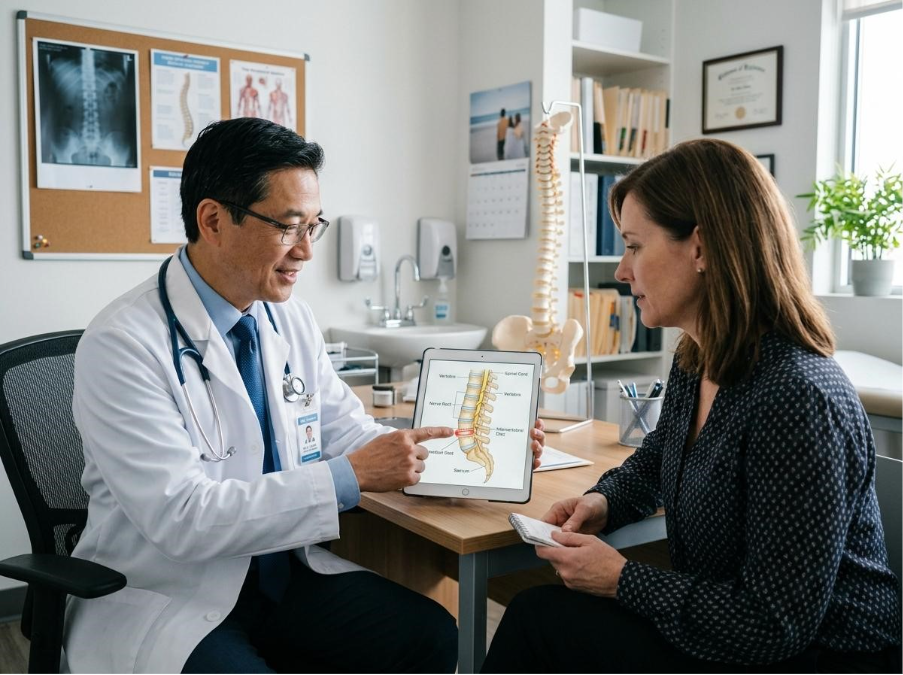
This is particularly relevant to patients living with persistent pain. Early assessment may help identify whether symptoms relate to musculoskeletal conditions, nerve problems or another underlying cause.
Community Healthcare Initiatives USA and Better Health
Community healthcare initiatives USA can connect healthcare organizations with local communities to address barriers that influence health. CDC programs emphasize partnerships, community engagement and evidence-based interventions as ways to address social determinants of health.
These initiatives can involve healthcare providers, public health departments, community organizations and other partners working toward shared health goals.
Connecting Patients with the Right Resources
A community-based approach can help people understand where to seek appropriate care. Community health workers, for example, can connect people with healthcare and social services while helping address barriers related to social determinants of health.
This connection is an important part of public health and community care because medical treatment is only one part of maintaining health.
Public Health and Community Care
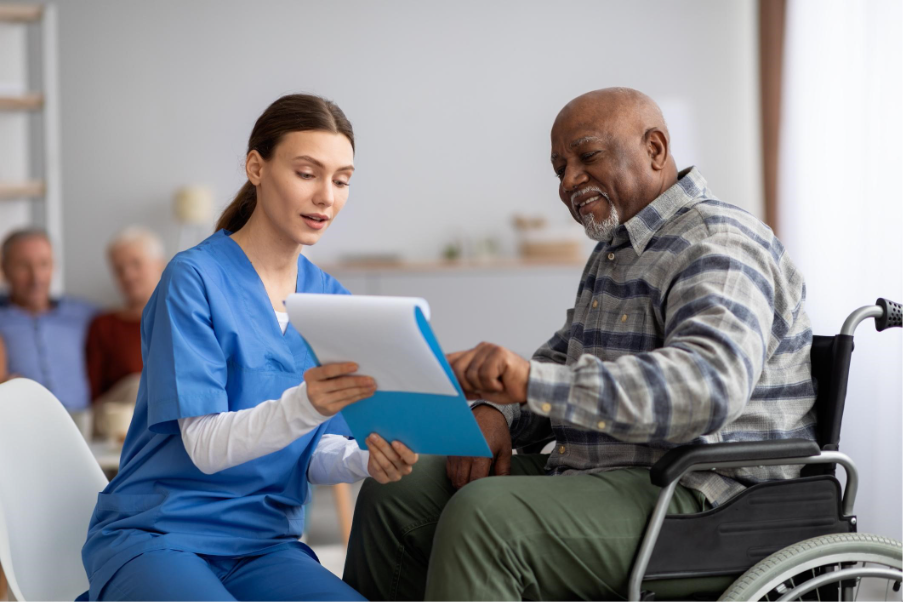
Public health and community care work together when healthcare systems consider both individual medical needs and the conditions affecting local populations.
The CDC notes that community health assessment and improvement planning can bring health departments, hospitals and community partners together to identify health inequities and develop strategies based on local information.
Chronic Conditions Need Ongoing Support
Chronic conditions often require continuing management rather than a single medical visit. This can include regular clinical assessment, appropriate medication, physical activity, rehabilitation and lifestyle support.
Chronic pain is one example. A patient may need ongoing pain management that addresses symptoms while also considering mobility, function and quality of life. Dr. Gari’s published pain-management material describes pain care as a multidisciplinary approach focused on reducing pain while improving function and quality of life.
The Role of Pain Management in Community Health
Pain can affect participation in work, physical activity and everyday life. This makes pain relief relevant not only to individual comfort but also to functional well-being.
Effective Chronic pain management should be based on the underlying cause. For example, nerve problems can produce symptoms that differ from typical muscular pain. Burning, shooting pain, numbness or weakness may require a different evaluation from localized muscle discomfort.
Dr. Gari’s educational material emphasizes assessing symptoms to determine whether nerve involvement may be present rather than automatically relying on muscle pain medication.
Addressing Pain at the Individual Level
A nerve specialist or pain specialist may help evaluate persistent neurological symptoms and determine appropriate treatment options. Similarly, muscle pain relief strategies should be selected according to the underlying condition.
For patients who need specialist evaluation, Dr. Gari’s guide to a first pain-management appointment explains that specialist assessment can focus on identifying the source of discomfort while developing an individualized treatment plan.
Improving Community Health Outcomes Through Patient-Centered Care
Improving community health outcomes requires more than measuring the number of healthcare services available. It also involves considering whether people can access appropriate care, understand their options and receive support for ongoing health needs.
Social connection is another factor. CDC notes that supportive relationships can contribute to community well-being, health, safety and resilience.
For patients managing chronic pain, accessible specialist care can become one component of a broader community health system. Appropriate pain management can help patients work toward functional goals while other community resources can address non-medical barriers.
How Dr. Rodolfo Gari Supports Individualized Pain Care
The available Rodolfo Gari MD materials focus primarily on pain management and individualized clinical care rather than documenting a specific formal community-health program. Therefore, his mission can be discussed in the context of patient-centered pain care rather than attributing specific community initiatives to him without supporting evidence.
His published content emphasizes individualized assessment, treatment planning and the goal of improving function and quality of life. Patients experiencing persistent pain can explore a guide to the first pain management appointment to understand what specialist evaluation may involve.
Conclusion
The community health importance becomes clearer when healthcare is viewed as more than treatment delivered inside a clinic. Access, prevention, health education, social connection and appropriate medical care can all contribute to improving community health outcomes. Community healthcare initiatives USA can help address barriers while public health and community care provide broader support.
For patients living with persistent pain, individualized pain management remains an important part of comprehensive care. Dr. Rodolfo Gari focuses on evaluating pain according to its underlying cause and developing personalized treatment approaches. If pain is affecting your daily life, contact Dr. Rodolfo Gari MD to discuss your symptoms and explore an appropriate pain-management plan.
Frequently Asked Questions
1. Why is community health important?
The community health importance lies in helping people access healthcare, prevention, health information and resources that support better health. Community conditions can influence health outcomes alongside individual medical factors.
2. What are examples of community healthcare initiatives USA?
Community healthcare initiatives USA can include community health worker programs, health education, prevention programs, community health assessments and partnerships between healthcare organizations and public health agencies.
3. How does pain management connect with community health?
Pain can affect mobility, work, sleep and daily functioning. Accessible pain management can help patients address persistent symptoms while broader community resources can support other factors affecting health and well-being.