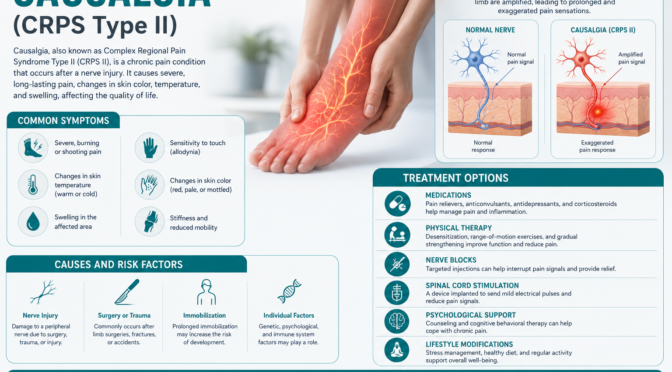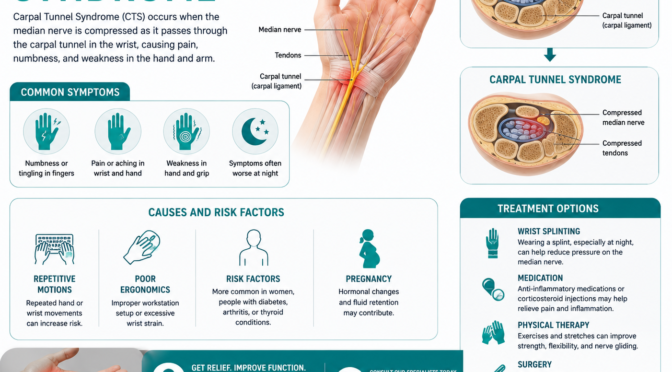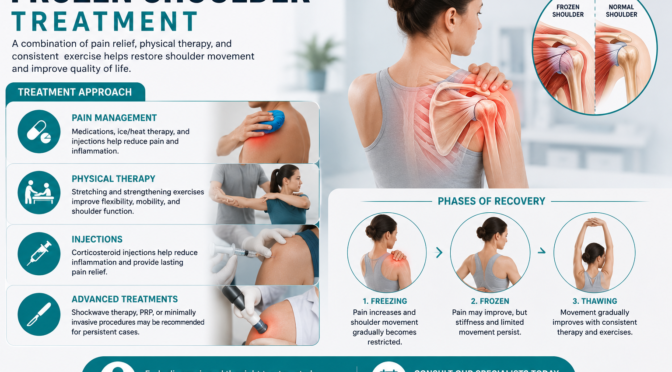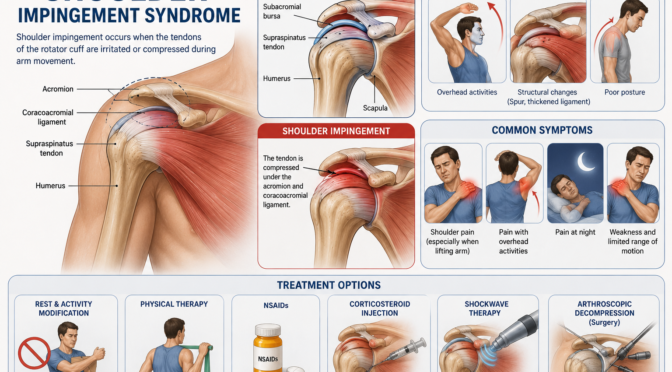
Latest Innovations in Pain Management and Minimally Invasive Care 

Living with ongoing discomfort can slowly affect every part of your daily routine. From reduced mobility to constant fatigue pain can limit productivity and lower your overall quality of life. This is why pain management innovations have become such an important focus in modern medicine. These new approaches are designed to treat pain at its source while improving comfort and recovery outcomes for patients. 

Have you ever tried multiple treatments yet still struggled to find lasting relief? Many traditional methods only address symptoms instead of the underlying cause. This is where advanced pain treatment methods are changing the landscape of care. Instead of relying on temporary fixes modern techniques combine technology precision and personalized strategies to deliver better results. 

Over the past decade healthcare providers have embraced minimally invasive solutions that reduce recovery time while improving effectiveness. These pain management innovations are helping patients return to their normal routines faster with fewer complications. They are also reducing the need for long term medication use which is a major concern for many individuals. 

In this article you will gain a deeper understanding of how pain management innovations are transforming healthcare. You will also explore how advanced pain treatment techniques work what options are available and how to choose the right approach for your needs. 

Understanding Pain Management Innovations and Their Growing Importance 

What Defines Pain Management Innovations? 

At its core pain management innovations refer to modern medical advancements that improve how pain is diagnosed treated and managed. These innovations focus on delivering targeted solutions that reduce discomfort while supporting long term healing. 

Unlike older methods that often relied heavily on medication today’s strategies prioritize accuracy and patient specific care. This shift allows providers to use advanced pain treatment techniques that are more effective and sustainable. 

Modern approaches are built on three key principles: 

  • Precision in diagnosis to identify the exact source of pain  
  • Targeted therapies that address specific tissues or nerves  
  • Minimally invasive methods that reduce physical stress on the body  

These principles ensure that pain management innovations deliver both immediate relief and long-lasting benefits. 

Why Pain Care Is Rapidly Evolving? 

The demand for better pain care continues to rise due to increasing cases of chronic conditions. Lifestyle factors repetitive strain and aging populations all contribute to the need for improved solutions. 

Another major driver is the growing awareness of the risks associated with long term medication use. This has pushed healthcare providers to adopt advanced pain treatment options that reduce dependence on drugs. 

Advances in technology have also been instrumental. Improved imaging tools data analysis and medical devices have made pain management innovations more accurate and accessible than ever before. 

The Shift Toward Patient Centred Care 

Today’s healthcare systems focus on personalized treatment plans. This means that each patient receives care tailored to their specific condition and lifestyle. 

With the help of pain management innovations providers can now: 

  • Assess pain patterns more effectively  
  • Customize treatment strategies  
  • Monitor progress in real time  

This personalized approach is a defining feature of modern advanced pain treatment

Breakthrough Technologies Driving Pain Management Innovations 

Image Guided Precision Treatments 

One of the most impactful developments in pain management innovations is the use of advanced imaging technologies. Tools such as ultrasound and fluoroscopy allow providers to see inside the body in real time. 

This level of precision ensures that treatments are delivered exactly where they are needed. It also reduces the risk of complications and improves outcomes. 

Benefits of image guided techniques include: 

  • Greater accuracy in targeting pain sources  
  • Reduced procedure time  
  • Improved patient safety  

These advantages make imaging a cornerstone of advanced pain treatment

Radiofrequency Ablation for Long Term Relief 

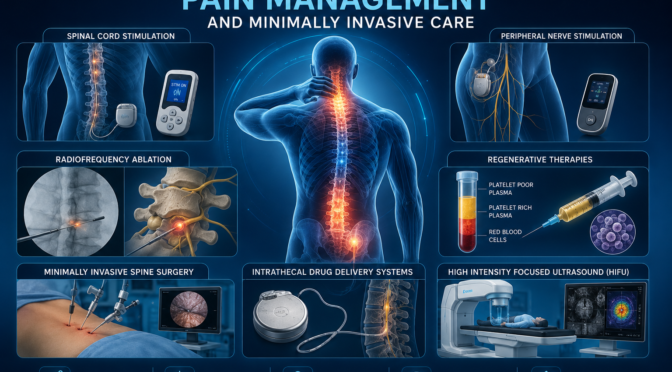
Radiofrequency ablation is a modern technique that uses controlled heat to interrupt pain signals from nerves. It is widely used in pain management innovations for conditions such as chronic back pain. 

Patients often experience relief that lasts for months or even longer. This makes it an excellent option for those seeking durable results. 

Key benefits include: 

  • Long lasting pain relief  
  • Minimal downtime  
  • Reduced need for repeated treatments  

This approach represents a major step forward in advanced pain treatment

Neuromodulation and Electrical Therapies 

Neuromodulation involves altering nerve activity using electrical stimulation. Devices such as spinal cord stimulators are commonly used in pain management innovations

These systems send signals that block pain messages before they reach the brain. Patients can often adjust the settings to suit their comfort levels. 

Advantages include: 

  • Customizable pain control  
  • Reversible treatment option  
  • Improved daily functioning  

Neuromodulation continues to expand the possibilities of advanced pain treatment

Regenerative Medicine in Advanced Pain Treatment 

Platelet Rich Plasma Therapy 

Platelet rich plasma therapy is a natural approach that uses components from the patient’s own blood to promote healing. It is a key part of pain management innovations focused on tissue repair. 

This therapy works by delivering growth factors directly to damaged areas. These factors stimulate the body’s natural healing processes. 

Benefits include: 

  • Faster tissue recovery  
  • Reduced inflammation  
  • Lower risk of adverse reactions  

PRP is widely used in advanced pain treatment for joint injuries and muscle conditions. 

Stem Cell Based Therapies 

Stem cell therapy is another breakthrough in pain management innovations. These cells can develop into different types of tissue which makes them ideal for repairing damage. 

This approach is especially useful for conditions that involve degeneration such as arthritis. 

Key advantages include: 

  • Long term healing potential  
  • Improved joint function  
  • Reduced pain levels  

Stem cell therapy represents a powerful advancement in advanced pain treatment

The Future of Natural Healing Approaches 

Regenerative medicine is gaining popularity because it addresses the root cause of pain. Instead of masking symptoms these therapies aim to restore normal function. 

Patients are increasingly choosing pain management innovations that support natural healing. This trend highlights the growing importance of advanced pain treatment in modern healthcare. 

Minimally Invasive Procedures Transforming Pain Care 

Epidural Steroid Injections 

Epidural injections are commonly used in pain management innovations to treat spinal conditions. These injections deliver anti-inflammatory medication directly to affected nerves. 

Patients often experience rapid relief along with improved mobility. 

Benefits include: 

  • Reduced inflammation  
  • Quick recovery  
  • Targeted pain relief  

These injections are a key component of advanced pain treatment strategies. 

Nerve Blocks for Precise Relief 

Nerve blocks involve injecting medication near specific nerves to stop pain signals. This technique is widely used in pain management innovations

It is effective for both diagnosis and treatment of various conditions. 

Advantages include: 

  • Immediate pain reduction  
  • High precision  
  • Minimal discomfort during the procedure  

Nerve blocks are an essential part of advanced pain treatment

Why Is Minimally Invasive Care Preferred? 

Minimally invasive procedures are becoming the standard in pain management innovations because they reduce risk and recovery time. 

Patients benefit from: 

  • Smaller incisions  
  • Less tissue damage  
  • Faster return to normal activities  

These factors make minimally invasive methods a cornerstone of advanced pain treatment

Digital Health and Its Role in Pain Management Innovations 

Telemedicine Expanding Access to Care 

Telemedicine has transformed how patients receive care. It allows individuals to consult with specialists from the comfort of their homes. 

This is especially valuable for those with mobility issues or limited access to healthcare facilities. 

Benefits include: 

  • Convenient consultations  
  • Reduced travel time  
  • Continuous follow up care  

Telemedicine supports the growth of pain management innovations

Wearable Devices for Monitoring Pain 

Wearable technology provides real time data on physical activity and pain levels. These devices are becoming an important part of advanced pain treatment

They help providers track progress and adjust treatment plans accordingly. 

Advantages include: 

  • Personalized insights  
  • Better treatment outcomes  
  • Increased patient engagement  

Wearables are shaping the future of pain management innovations

Artificial Intelligence in Treatment Planning 

Artificial intelligence is enhancing pain management innovations by analyzing large amounts of patient data. This helps providers make more accurate decisions. 

AI driven systems can: 

  • Predict treatment outcomes  
  • Identify patterns in pain behaviour  
  • Optimize care plans  

This technology is revolutionizing advanced pain treatment

Benefits of Advanced Pain Treatment for Patients 

Enhanced Quality of Life 

One of the most important outcomes of pain management innovations is improved quality of life. Patients can return to their daily activities with greater comfort. 

Reduced Dependence on Medication 

Modern advanced pain treatment methods reduce the need for long term medication use. This lowers the risk of side effects and improves overall health. 

Faster Recovery Times 

Patients benefit from shorter recovery periods thanks to minimally invasive procedures. This allows them to resume normal activities more quickly. 

Personalized Care for Better Results 

Pain management innovations focus on individualized treatment plans. This ensures that each patient receives the most effective care possible. 

Choosing the Right Pain Management Approach 

Evaluating Your Condition 

Selecting the right treatment begins with understanding your specific condition. Factors such as pain severity and duration play a key role. 

Consulting a Specialist 

A qualified provider can guide you through available pain management innovations and recommend the best options for your needs. 

Combining Treatments for Optimal Outcomes 

In many cases combining multiple therapies provides better results. This integrated approach is a key feature of advanced pain treatment

Conclusion: Embracing Pain Management Innovations for Better Health 

The evolution of healthcare has brought remarkable progress in how pain is treated and managed. Pain management innovations now offer safer more precise and highly effective solutions for individuals dealing with chronic or acute discomfort. These modern approaches focus on long term relief while improving overall well-being. 

If you are looking for a better way to manage pain exploring advanced pain treatment options can make a meaningful difference. With the right care plan, you can regain mobility reduce discomfort and improve your quality of life. Book your consultation today and take the first step toward lasting relief with pain management innovations. 

Trigger Point Injections: Fast Relief for Muscle Pain and Spasms 

Muscle pain can be frustrating, persistent and disruptive to everyday life. If you’ve ever experienced tight knots in your muscles that refuse to relax, you may already be familiar with the discomfort they cause. This is where trigger point injections come into play as an effective and fast-acting solution. These treatments are designed to target specific areas of muscle tension, offering relief for people suffering from chronic pain, spasms and stiffness. 

Have you ever wondered why certain areas of your body feel tender or painful when touched? These spots, often referred to as trigger points, can develop due to stress, injury or overuse. When left untreated, they may worsen over time and affect your mobility and overall quality of life. Fortunately, modern medical approaches such as trigger point injections and muscle knot injections provide a practical way to manage and alleviate these issues. 

In this comprehensive guide, you will learn everything about trigger point injections, including how they work, their benefits, the procedure involved and who can benefit the most. By the end of this article, you will have a clear understanding of whether this treatment is right for you and how it can help restore comfort and mobility. 

What are trigger point injections, and how do they function? 

Understanding Trigger Points in Muscles 

Trigger points are tight bands or knots that form within muscle fibres. These knots can cause localized pain or even radiate discomfort to other areas of the body. For example, a trigger point in the shoulder might cause pain that travels down the arm. 

These knots often develop due to: 

  • Muscle overuse or repetitive motion  
  • Poor posture  
  • Stress and tension  
  • Injuries or trauma  

When pressure is applied to these areas, it may result in sharp pain or tenderness, making everyday movements uncomfortable. 

How Trigger Point Injections Provide Relief? 

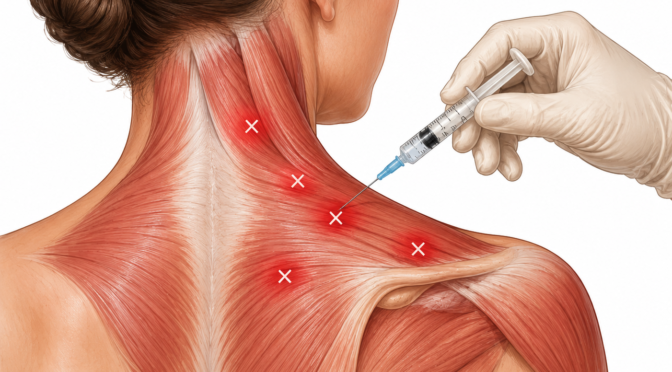
Trigger point injections are a minimally invasive treatment designed to relax these tight muscle areas. During the procedure, a healthcare provider injects a small amount of medication directly into the trigger point. 

The injection typically contains: 

  • A local anesthetic to numb the area  
  • Sometimes a corticosteroid to reduce inflammation  
  • In some cases, saline or dry needling techniques  

These muscle knot injections work by: 

  • Releasing muscle tension  
  • Improving blood flow  
  • Interrupting pain signals  

As a result, patients often experience immediate or gradual relief, depending on the severity of their condition. 

Why This Treatment Is Effective? 

Unlike general pain medications, trigger point injections target the exact source of discomfort. This localized approach ensures faster and more efficient pain relief without affecting the entire body. 

Common Conditions Treated with Trigger Point Injections 

Chronic Muscle Pain and Myofascial Pain Syndrome 

One of the most common uses of trigger point injections is for treating myofascial pain syndrome. This condition involves chronic pain caused by sensitive trigger points in the muscles. 

Symptoms may include: 

  • Deep, aching muscle pain  
  • Stiffness and reduced flexibility  
  • Persistent discomfort that doesn’t improve with rest  

Muscle knot injections can significantly reduce these symptoms by directly addressing the affected areas. 

Neck, Shoulder and Back Pain 

People who spend long hours sitting or working at desks often develop trigger points in the neck and shoulders. Similarly, lower back pain can also be linked to muscle knots. 

Trigger point injections are particularly effective in: 

  • Relieving tension in the upper back  
  • Reducing stiffness in the neck  
  • Improving posture-related discomfort  

Fibromyalgia and Tension Headaches 

Patients with fibromyalgia often experience widespread muscle pain, including multiple trigger points. In such cases, trigger point injections can help manage pain levels and improve daily functioning. 

Additionally, tension headaches are sometimes caused by tight muscles in the neck and scalp. Muscle knot injections can ease these trigger points and reduce headache frequency. 

Sports Injuries and Muscle Strain 

Athletes and physically active individuals frequently deal with muscle strain and overuse injuries. Trigger points may develop because of repetitive stress. 

In these situations, trigger point injections help: 

  • Accelerate recovery  
  • Reduce inflammation  
  • Restore muscle function  

Benefits of Trigger Point Injections for Muscle Pain 

Fast and Targeted Pain Relief 

One of the biggest advantages of trigger point injections is their ability to provide rapid relief. Because the medication is delivered directly into the affected muscle, it works quickly to ease discomfort. 

Improved Mobility and Flexibility 

Tight muscles can restrict your range of motion. By relaxing these muscles, muscle knot injections allow you to move more freely and comfortably. 

Minimally Invasive and Safe 

Unlike surgical treatments, trigger point injections are non-invasive and require minimal downtime. Most patients can get back to their usual activities soon after the procedure. 

Reduced Dependence on Medication 

Chronic pain often leads to long-term use of painkillers. With trigger point injections, patients can reduce their reliance on oral medications and avoid potential side effects. 

Enhanced Quality of Life 

Living with constant muscle pain can affect both physical and mental well-being. Regular muscle knot injections can significantly improve your quality of life by reducing pain and increasing comfort. 

What to Expect During the Trigger Point Injection Procedure? 

Before the Procedure 

Before undergoing trigger point injections, your healthcare provider will: 

  • Review your medical history  
  • Identify the trigger points causing pain  
  • Discuss your symptoms and treatment goals  

You may be asked to avoid certain medications prior to the procedure. 

During the Procedure 

The actual process of administering trigger point injections is quick and straightforward. 

Here’s what typically happens: 

  1. The area is cleaned and prepared  
  1. The provider locates the trigger point  
  1. A small needle is inserted into the muscle  
  1. Medication is injected into the knot  

Most patients describe the sensation as a brief pinch followed by relief. 

After the Procedure 

After receiving muscle knot injections, you may experience: 

  • Mild soreness at the injection site  
  • Gradual reduction in pain  
  • Improved muscle function within days  

Your provider may recommend stretching or physical therapy to enhance results. 

Are Trigger Point Injections Right for You? 

Who Can Benefit the Most? 

Trigger point injections are appropriate for individuals who are experiencing: 

  • Chronic muscle pain  
  • Persistent muscle knots  
  • Limited mobility due to tension  

They are particularly helpful for people who have not found relief through traditional treatments. 

When to Consider This Treatment? 

You may want to consider muscle knot injections if: 

  • Pain interferes with daily activities  
  • Other treatments have been ineffective  
  • You experience recurring muscle spasms  

Who Should Avoid the Procedure? 

Although generally safe, trigger point injections may not be suitable for: 

  • Individuals with certain infections  
  • Those with bleeding disorders  
  • Patients allergic to the medications used  

Always consult a healthcare professional before proceeding. 

Risks, Side Effects and Recovery 

Possible Side Effects 

While trigger point injections are considered safe, some minor side effects may occur: 

  • Temporary soreness  
  • Bruising at the injection site  
  • Mild swelling  

These symptoms are likely to subside in just a few days. 

Rare Complications 

Serious complications from muscle knot injections are rare but may include: 

  • Infection  
  • Nerve injury  
  • Allergic reaction  

Choosing a qualified provider significantly reduces these risks. 

Recovery and Aftercare Tips 

To maximize the benefits of trigger point injections, consider the following: 

  • Stay hydrated  
  • Perform gentle stretching exercises  
  • Follow your provider’s recommendations  

Proper aftercare ensures faster recovery and longer-lasting relief. 

Comparing Trigger Point Injections with Other Treatments 

Physical Therapy vs Trigger Point Injections 

Physical therapy focuses on strengthening and stretching muscles, while trigger point injections provide immediate relief by targeting pain directly. 

Medications vs Muscle Knot Injections 

Oral medications treat pain systemically, but muscle knot injections address the root cause locally, making them more effective for specific pain points. 

Massage Therapy and Alternative Treatments 

Massage therapy can help relax muscles, but trigger point injections offer deeper and longer-lasting relief, especially for chronic conditions. 

Conclusion: Find Lasting Relief with Trigger Point Injections 

Living with muscle pain and spasms can be exhausting, but effective solutions are available. Trigger point injections offer a fast, targeted and minimally invasive way to relieve discomfort and restore mobility. By addressing the root cause of muscle knots, this treatment helps improve both physical function and overall quality of life. 

If you are struggling with persistent muscle pain, now is the time to act. Trigger point injections could be the solution you’ve been looking for. Make your appointment today and take the first step toward a pain-free future. 

Stellate Ganglion Block: Treatment for Chronic Nerve and Stress-Related Pain  

Living with chronic nerve pain or persistent stress-related symptoms can feel exhausting especially when traditional treatments fail to deliver lasting relief. Many patients cycle through medications therapy and lifestyle changes only to find that their symptoms return or never fully resolve. This ongoing struggle has led to growing interest in advanced interventions like the stellate ganglion block

A stellate ganglion block is an advanced procedure focused on the sympathetic nervous system, a key regulator of pain and stress. When this system becomes overactive it can contribute to chronic pain anxiety and trauma-related conditions. By calming this nerve activity, the procedure offers a unique pathway to recovery. 

In recent years the stellate ganglion block has also gained recognition as a promising nerve block for PTSD pain, helping individuals manage symptoms such as hypervigilance sleep disturbances and emotional distress. This dual benefit makes it a powerful option for patients dealing with both physical and psychological challenges. 

This in-depth guide explores how the stellate ganglion block works its benefits risks long-term outcomes and what patients can expect throughout the treatment journey. By understanding this innovative approach, you can make informed decisions about your care and explore new possibilities for relief. 

Understanding the Stellate Ganglion Block and Its Role in Pain and Stress Regulation 

What Is the Stellate Ganglion and Why It Matters? 

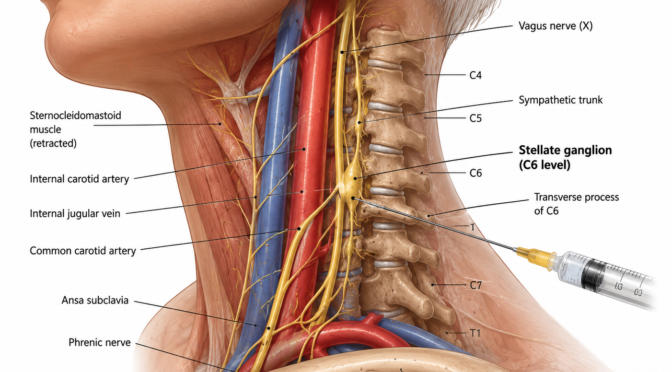
The stellate ganglion is a collection of nerves located in the neck that forms part of the sympathetic nervous system. This system is responsible for the body’s automatic responses such as heart rate blood pressure and the fight-or-flight reaction. 

When the sympathetic nervous system becomes dysregulated it can remain in a constant state of alertness. This leads to chronic pain heightened stress and emotional instability. The stellate ganglion block directly targets this nerve cluster to interrupt these abnormal signals. 

By administering a local anesthetic to this area, the stellate ganglion block temporarily disables overactive nerve pathways allowing the nervous system to reset. This is why it is increasingly used as a nerve block for PTSD pain in addition to treating physical conditions. 

The Science Behind the Procedure 

The effectiveness of the stellate ganglion block lies in its ability to modulate nerve activity. Research suggests that the procedure reduces levels of stress hormones and improves blood flow to affected areas. 

This physiological change can result in: 

  • Reduced pain perception  
  • Improved emotional regulation  
  • Enhanced nervous system balance  

Studies published in journals such as Regional Anaesthesia and Pain Medicine have shown promising outcomes particularly for patients using it as a nerve block for PTSD pain

Why Traditional Treatments May Not Be Enough? 

Many conventional treatments focus on symptom management rather than addressing the root cause. Pain medications may provide temporary relief but often come with side effects and dependency risks. 

The stellate ganglion block offers a different approach by targeting the underlying nerve dysfunction. This makes it a valuable option for patients who have not responded to standard therapies. 

Conditions Treated with Stellate Ganglion Block 

Chronic Pain Disorders 

The stellate ganglion block is widely used for managing chronic pain conditions that involve nerve dysfunction. 

These include: 

  • Complex regional pain syndrome  
  • Neuropathic pain  
  • Post-surgical nerve pain  

Patients often experience significant relief after undergoing the procedure especially when other treatments have failed. 

PTSD and Stress-Related Disorders 

The use of stellate ganglion block as a nerve block for PTSD pain has gained attention due to its ability to calm the nervous system. 

Research indicates that the procedure can reduce symptoms such as: 

  • Anxiety and panic attacks  
  • Sleep disturbances  
  • Emotional reactivity  

Organizations like the U.S. Department of Veterans Affairs have explored its potential for treating PTSD highlighting its growing acceptance. 

Other Emerging Applications 

In addition to pain and PTSD the stellate ganglion block is being studied for other conditions such as: 

  • Migraine headaches  
  • Hot flashes related to menopause  
  • Long COVID symptoms  

These emerging applications demonstrate the versatility of this treatment. 

Benefits of Stellate Ganglion Block for Patients 

Rapid Symptom Relief 

One of the most notable benefits of the stellate ganglion block is the speed at which patients may experience relief. 

Many individuals report: 

  • Immediate reduction in pain  
  • Decreased anxiety levels  
  • Improved mental clarity  

This rapid response is particularly valuable for those seeking quick relief from severe symptoms. 

Reduced Dependence on Medication 

Chronic pain management often involves long-term use of medications which can lead to side effects and dependency. 

The stellate ganglion block provides an alternative by addressing the root cause of symptoms reducing the need for ongoing medication use. 

Improved Emotional and Physical Well-Being 

As a nerve block for PTSD pain, the procedure helps restore balance to the nervous system leading to improvements in both physical and emotional health. 

Patients frequently experience: 

  • Better sleep quality  
  • Increased energy levels  
  • Enhanced overall quality of life  

What Happens During the Stellate Ganglion Block Procedure? 

Pre-Procedure Preparation 

Before undergoing the stellate ganglion block, patients typically undergo a detailed evaluation. It entails reviewing the patient’s medical background, current medications and overall health. 

Patients may be advised to: 

  • Avoid eating or drinking for a few hours  
  • Arrange transportation after the procedure  
  • Discuss any concerns with their provider  

Step-by-Step Procedure 

The stellate ganglion block is performed in a clinical setting using imaging guidance to ensure precision. 

The process includes: 

  1. Positioning the patient comfortably  
  1. Cleaning and numbing the injection site  
  1. Using imaging to guide the needle  
  1. Injecting a local anesthetic near the stellate ganglion  

It is a quick procedure that is typically completed in under 30 minutes. 

Post-Procedure Experience 

After completion of the procedure, a short monitoring period is required before patients are discharged. 

Common temporary effects include: 

  • Warm sensation in the face  
  • Slight drooping of the eyelid  
  • Hoarseness  

This is a normal response and it usually clears up within a few hours. 

Risks Side Effects and Safety Considerations 

Common Side Effects 

The stellate ganglion block is generally safe but may cause mild side effects. 

These include: 

  • Temporary voice changes  
  • Difficulty swallowing  
  • Minor discomfort at the injection site  

Rare Complications 

Although uncommon potential risks include: 

  • Infection  
  • Bleeding  
  • Nerve damage  

Choosing an experienced healthcare provider significantly reduces these risks. 

Safety Profile and Clinical Evidence 

Clinical studies support the safety and effectiveness of the stellate ganglion block particularly when used as a nerve block for PTSD pain

Research published in JAMA Psychiatry and other journals has highlighted its potential in reducing PTSD symptoms providing a strong foundation for its use. 

Long-Term Outcomes and Recovery 

Duration of Benefits 

The effects of the stellate ganglion block can vary. The duration of relief varies, with some patients experiencing weeks of improvement and other months. 

Depending on the individual, further treatments may be recommended. 

Combining Treatments for Better Results 

For optimal outcomes the procedure is often combined with other therapies. 

These may include: 

  • Physical rehabilitation  
  • Cognitive behavioural therapy  
  • Lifestyle modifications  

This integrated approach enhances the effectiveness of the nerve block for PTSD pain

Future of Stellate Ganglion Block Therapy 

Ongoing research continues to explore new applications and improve techniques. Advances in imaging and precision medicine are expected to enhance the effectiveness of the stellate ganglion block in the coming years. 

Who Should Consider Stellate Ganglion Block? 

Ideal Candidates 

The stellate ganglion block is suitable for individuals who: 

  • Have chronic nerve pain  
  • Experience severe PTSD symptoms  
  • Have not responded to traditional treatments  

When to Consult a Specialist? 

Patients should consult a specialist if they experience persistent pain or stress-related symptoms that interfere with daily life. 

A thorough evaluation will determine whether the procedure is appropriate. 

Conclusion 

The stellate ganglion block represents a significant advancement in the treatment of chronic nerve pain and stress-related conditions. By targeting the sympathetic nervous system, it provides relief that goes beyond conventional approaches. Its growing role as a nerve block for PTSD pain highlights its potential to improve both physical and emotional well-being. 

If you are seeking a comprehensive solution to manage pain and stress consulting a qualified healthcare provider can help you explore whether this innovative treatment is right for you. Taking the first step toward advanced care could transform your quality of life.