All posts by Webtrainee

Beyond Medicine: How Dr. Rodolfo Gari Is Giving Back to Communities

Medicine doesn’t stop when the patient leaves the office. A doctor properly engaged in the community often picks needs that simply wouldn’t be the show under clinic schedule. That’s where physician community outreach comes in. It takes that observation and acts on it through education, screening and plain conversation. That’s the model that Dr. Rodolfo Gari (an anesthesiologist and pain management specialist in Tampa) has adopted. This article explores the importance of physician community service, how it can improve access to care, and what both patients and the medical profession can learn from it. It’s about compassionate care reaching people before the pain starts. 

Why Physician Community Outreach Matters 

Care Does Not Stop at the Clinic Door 

Most people don’t see their doctor at the first sign of symptoms. The 2021 CDC report shows that 20.9% of U.S. adults were living with chronic pain (that’s about 51.6 million people). It also shows higher prevalence in older adults, among veterans, among adults in poverty and in non-metropolitan areas. That’s precisely why improving access to care is so crucial. Physician community outreach is one way of doing that (i.e. going out into the community and meeting people where they are at- a local event, a health fair, a trusted article on a website etc). Several physicians have led community health initiatives to address this. Getting people to help early is a fundamental part of chronic pain management. 

Physician Community Service Builds Trust 

Physician community service is far more than a tick box exercise. If the doctor is going to be explaining the diagnosis in plain language, then the patient is going to feel far safer asking questions and that’s the whole point of compassionate care. That’s what the physician led community health initiatives are all about. Dr Gari is an anesthesiologist and interventional pain specialist in Tampa, FL. On his About Us page he makes it clear that one of his core values is to provide a comfortable and informed patient experience and that’s exactly what community outreach is for. 

Improving Access to Healthcare Through Education 
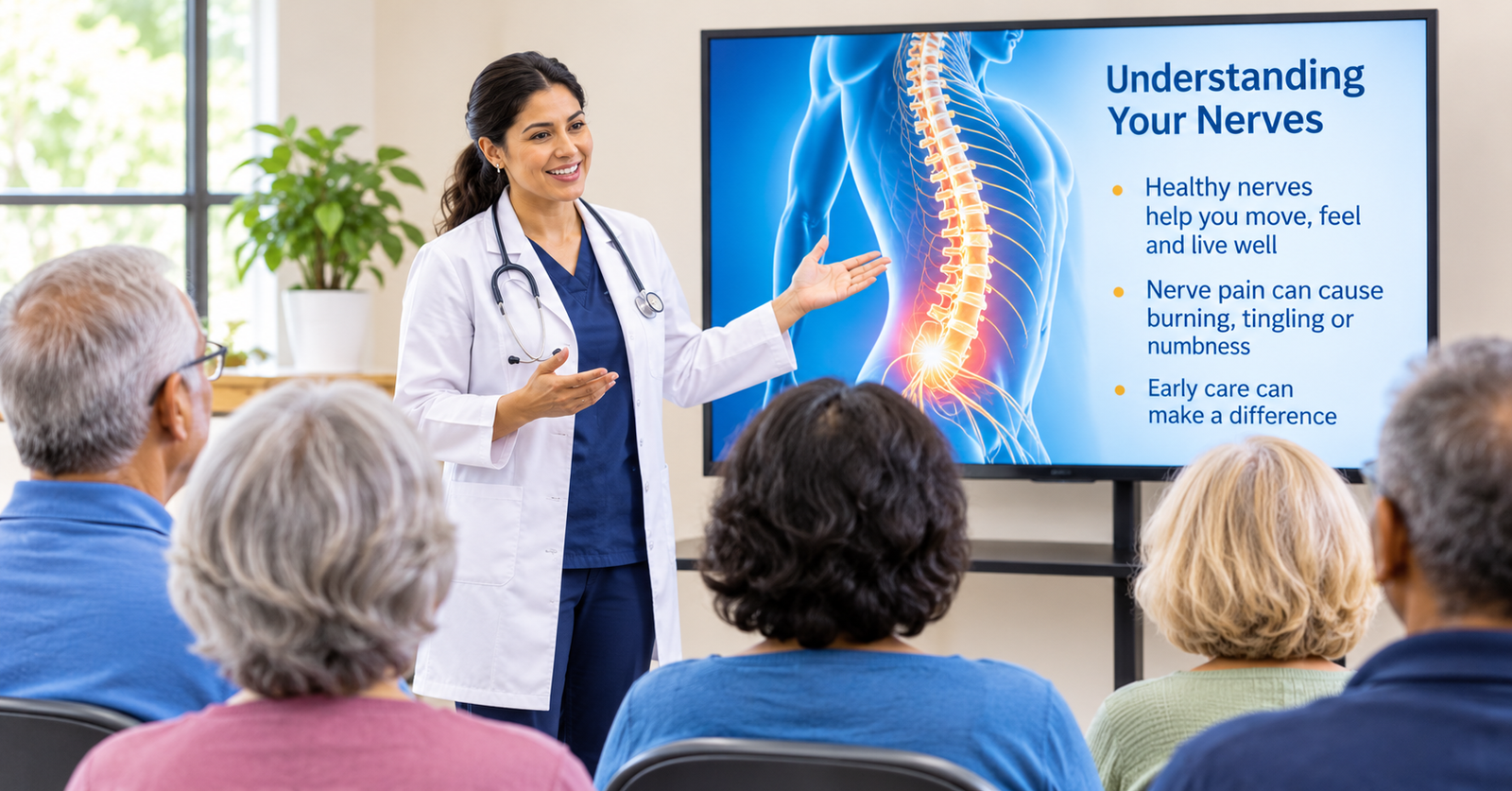
 A patient who understands what’s happening can ask more relevant questions and decide with much less anxiety. Better access to healthcare therefore means providing clear, reliable guidance (a quiet form of doctoring in the community). 

Making Pain Management Easier to Understand 

Pain management can be a bit of a head scratcher if you’re not familiar with the jargon. You can review the nerve ablation procedure step by step before you even book an appointment. If you’re looking at long term pain management, then this guide to long term pain management is for you. Long term pain management is very rarely a single thing; it’s more likely a combination of different things, so it’s useful to understand your options from the start. 

Spotting Nerve Problems and Muscle Pain Early 

Numbness, tingling, burning, or weakness can signal a nerve problem, and aching muscles are often just overused. A lot of people will just go on to the painkillers and that’s the end of it. Some of the OTC painkillers will work for some people, but they’re not going to work for everyone, so it can be worthwhile to get some muscle pain relief medication with the guidance of a clinician if the symptoms are ongoing. A nerve specialist will look at the root cause rather than just the symptom and that’s where you often get real muscle pain relief. 

Compassionate Patient Care in Practice 

Compassionate patient care starts with listening before you prescribe. 

Where Physician-Led Community Health Initiatives Are Heading 

Physician-led community health initiatives work best when they are practical and consistent. Health talks, partnerships with local organizations, accessible online learning, etc. That type of physician led community outreach doesn’t have to be anything fancy to be effective. 

Conclusion: Take the Next Step 

Physician-led community outreach works because it treats health as a shared endeavor. Physician community service builds trust. Access to care is improved through the provision of clear information. Compassionate care keeps the patient at the center. Physician led community health initiatives are the way to bring those values to the communities that need them. 

If you’ve been put off by nerve problems, muscle pain, or indeed the whole issue of chronic pain management, then you don’t have to wait. Dr. Rodolfo Gari is an anesthesiologist and interventional pain specialist based in Tampa and his focus is on patient centric care. If you’re experiencing nerve-related issues or muscle pain, take the first step towards relief with a consultation. Call +1 813-531-8550 or visit our Contact Us page to schedule an appointment. A simple conversation could be the beginning of your journey towards lasting pain relief. 

Frequently Asked Questions 

Why is community involvement important for physicians? 

It helps the doctors to understand the barriers that patients face (cost, distance, lack of clarity etc). Physician community service also builds trust which in turn leads to people coming in earlier. 

How do physicians support community health initiatives? 

They run health talks, get involved in screening activities, work with local groups and produce a lot of educational materials. Many also volunteer their time with doctor-led community health, tailored to local circumstances. 

Why is patient education important in community health? 

Informed patients ask better questions, feel more confident sticking to a treatment plan, and are more likely to notice early warning signs. Education is also a practical way to improve access to care for people who otherwise couldn’t see a specialist. 

What are the benefits of physician-led community outreach? 

Benefits are earlier care, greater trust and better information. The physician community outreach also tells the doctors what their neighbors most need. 

Why is compassionate care important in the medical profession? 

Compassionate patient care helps people feel heard, which then leads to more honest communication and better adherence to treatment. That’s fundamental when you’re living with chronic pain. 



Breaking Barriers to Accessible Pain Care in America

Living with pain changes the way you do things. A short drive can be uncomfortable. Sitting at work can be difficult. A full night’s sleep can be out of the question. 

For millions of Americans, the battle doesn’t end when the pain does. Getting accessible pain care in America is another problem altogether. A patient may call around several clinics before getting an appointment, and in small towns the nearest nerve specialist can be miles away. 

The CDC estimated that 51.6 million U.S. adults had chronic pain in 2021. Cost, location, insurance rules and long waits are the major chronic pain treatment barriers that patients face today. 

Why Getting Pain Treatment Isn’t Always Easy 

Pain is very individual. Some people keep working, just every day is painful. Others struggle with dressing, cooking, or getting about the house. The CDC’s 2021 survey found around 21% of U.S. adults had chronic pain and 7% had high impact pain. But the stats don’t show barriers to chronic pain treatment, like getting an appointment, arranging transport, or figuring out how to pay. 

When the Cost of Care Gets in the Way

Billing at Home

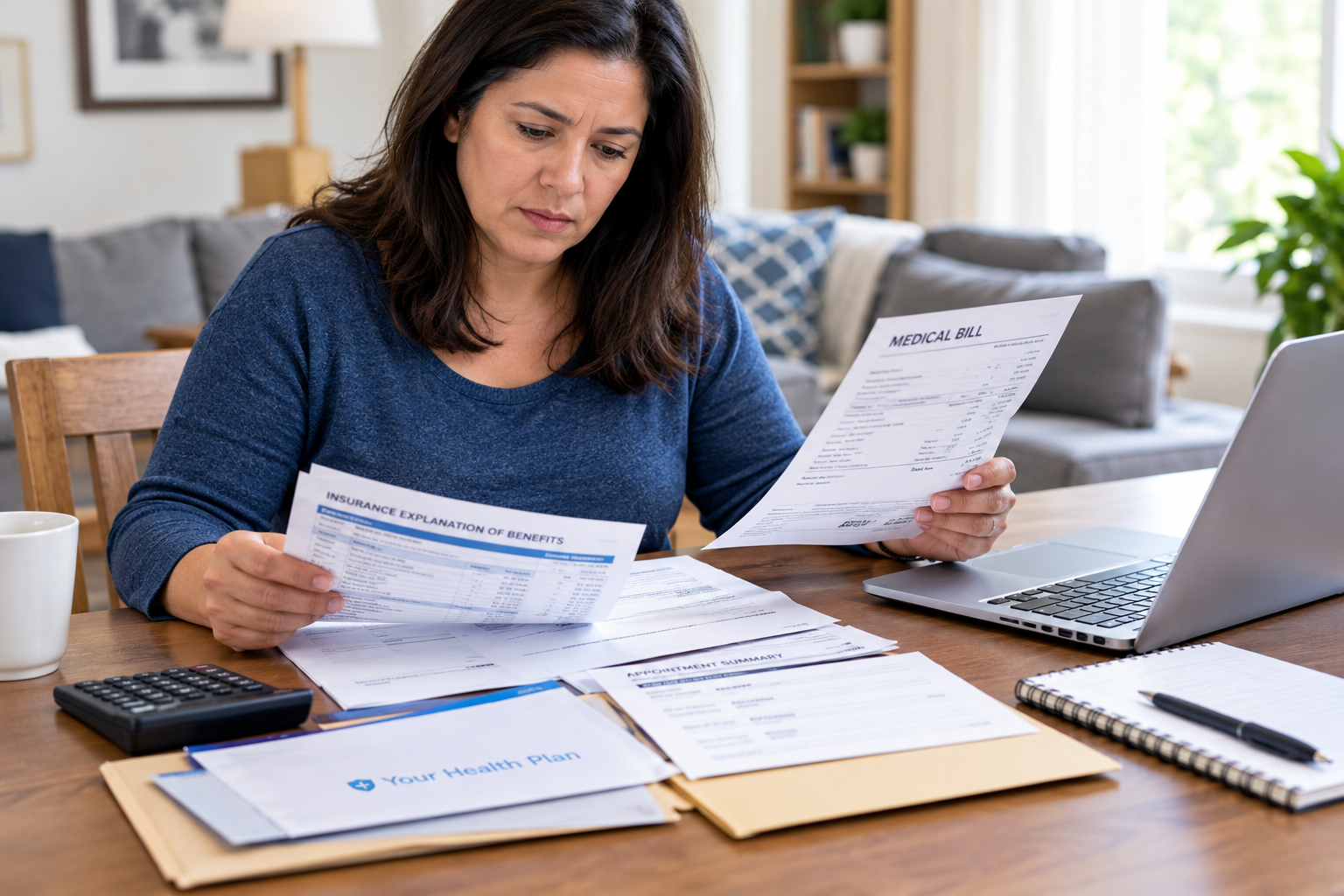
Even with insurance, you can still face deductibles, copays, uncovered services, and prior authorization requirements. For uninsured patients, accessing pain management care can be financially challenging right from the initial consultation. The costs of physical therapy, follow-up appointments, prescriptions, transportation, and other related expenses quickly add up, often forcing patients to skip appointments or discontinue treatment prematurely. Truly affordable pain management must account for these ongoing, everyday expenses rather than focusing solely on the cost of the first visit. 

Living Far from a Pain Clinic 

In rural areas, the nearest clinic can be an hour away, which is a long journey for someone with a bad back. Telehealth has made access to pain management easier to fit into a week, though some situations still need an in-person visit. That’s one reason for pain management access USA is so uneven. Where you live greatly affects your options. 

Not All Pain Needs the Same Approach 

Treating all pain the same way rarely relieves it. Getting the diagnosis right is the crucial first step to pain relief. 

When Nerve Problems Need a Closer Look 

Nerve problems are notoriously difficult to describe (burning, pins and needles, numbness, sudden electric shock sensation, etc.). Diabetic neuropathy, sciatica and post herpetic neuralgia are all common. A neurologist or pain specialist may well request nerve conduction studies following a full physical and neurological examination. Not every case of tingling is a nerve problem, so it is important to get it properly assessed. Sudden leg weaknesses, numbness around the groin and new bladder/bowel problems could all be signs of a medical emergency and would require urgent assessment. 

Finding Muscle Pain Relief 

Muscle pain can make it hard to get out of bed or sit at a desk. A clinician may prescribe muscle pain medication for the short term, but muscle pain medication such as muscle relaxants isn’t for everybody and can cause drowsiness. Movement, physio, and progressive strengthening can also help relieve muscle pain at a pace that suits you. The American College of Physicians recommends non-pharmacological therapies first for chronic low back pain. That doesn’t mean medicine has no part. Chronic pain management should simply be tailored to the individual. 

Making Care More Affordable and Accessible 

Finding affordable pain care solutions takes effort, but you can start by calling the clinic. Do they accept your insurance? Do you need a referral or prior auth? What does the first appointment cost? Are there payment plans? Community health centres are another source of affordable pain care solutions, with fees based on income, and the HRSA locator can help you find one. 

Bring a list of your medications (including any OTC muscle pain stuff and supplements) and tell them about any previous treatment. Not sure whether you need a nerve specialist or a pain management doctor? A PCP can recommend the next step. No single affordable pain management treatment works for everybody, but a bit of preparation saves time, money and hassle. 

What Healthcare Providers Can Do Differently 

Access to pain management is more than the number of clinics. Primary care offices can explain referrals, share records and connect patients with physical therapy for muscle pain relief or behavioral health services. Chronic pain has a real impact on mood, sleep and work, so it’s not real any less for that. Chronic pain management that goes beyond the pain can be of benefit. The 2019 Federal Pain Management Best Practices Inter-Agency Task Force report endorsed individualized chronic pain management. Improved care coordination also means the patient doesn’t have to retell their story at every appointment. 

A Conversation About Pain Care with Dr. Rodolfo Gari 

Many patients just want to know what pain relief options are on the table without being rushed. Dr Rodolfo Gari is a pain management doctor. Before you come in for the consultation, think about what activities have become difficult, when the pain starts, what makes it better and worse, and what you’re hoping to get back to. It’s also sensible to ask about the risks, the cost and what the insurance will cover. For further details, visit rodolfogarimd.com .  

Frequently Asked Questions 

How can patients find affordable pain management services? 

Check your insurance coverage and in-network providers and ask clinics about self-pay rates or payment plans. Community health centers and hospital financial assistance programs can also help lower costs. 

How can healthcare providers improve access to pain management? 

Providers can shorten waiting times, offer health-related follow-ups and be upfront about costs. Sharing records between clinicians also avoids repeat testing and repeated explanations. 

What resources are available for people living with chronic pain? 

Patient advocacy groups, peer support communities and counseling or behavioral health services can help alongside medical care. Many pain clinics can also give you physical therapy and local support programs. 

Why is chronic pain treatment difficult to access for some patients? 

Cost, insurance limits, a shortage of specialists and fragmented records all create barriers. Location and difficulty getting clear explanations can make access harder still. 


A Day in the Life of an Interventional Pain Physician in Tampa

Behind every successful treatment plan is a long day of listening, reviewing the case, and problem-solving. A pain management doctor Tampa patients can trust will spend a lot of time with people whose lives have effectively been reduced to just dealing with pain. Some come in with back pain that just doesn’t go away. Others have nerve problems that are just plain debilitating, affecting their sleep and their work. This is a typical day in the life of an interventional pain specialist. From the early-morning chart review to the late-afternoon follow-ups, you’ll see how the day is structured and what happens at each stage. If you’re a patient trying to get a feel for what to expect, or a colleague considering a referral, this will give you a clear sense of the process and how it all comes together to lead to better outcomes. 

Morning: Preparing for the Day 

Scan

Reviewing Records and Imaging 

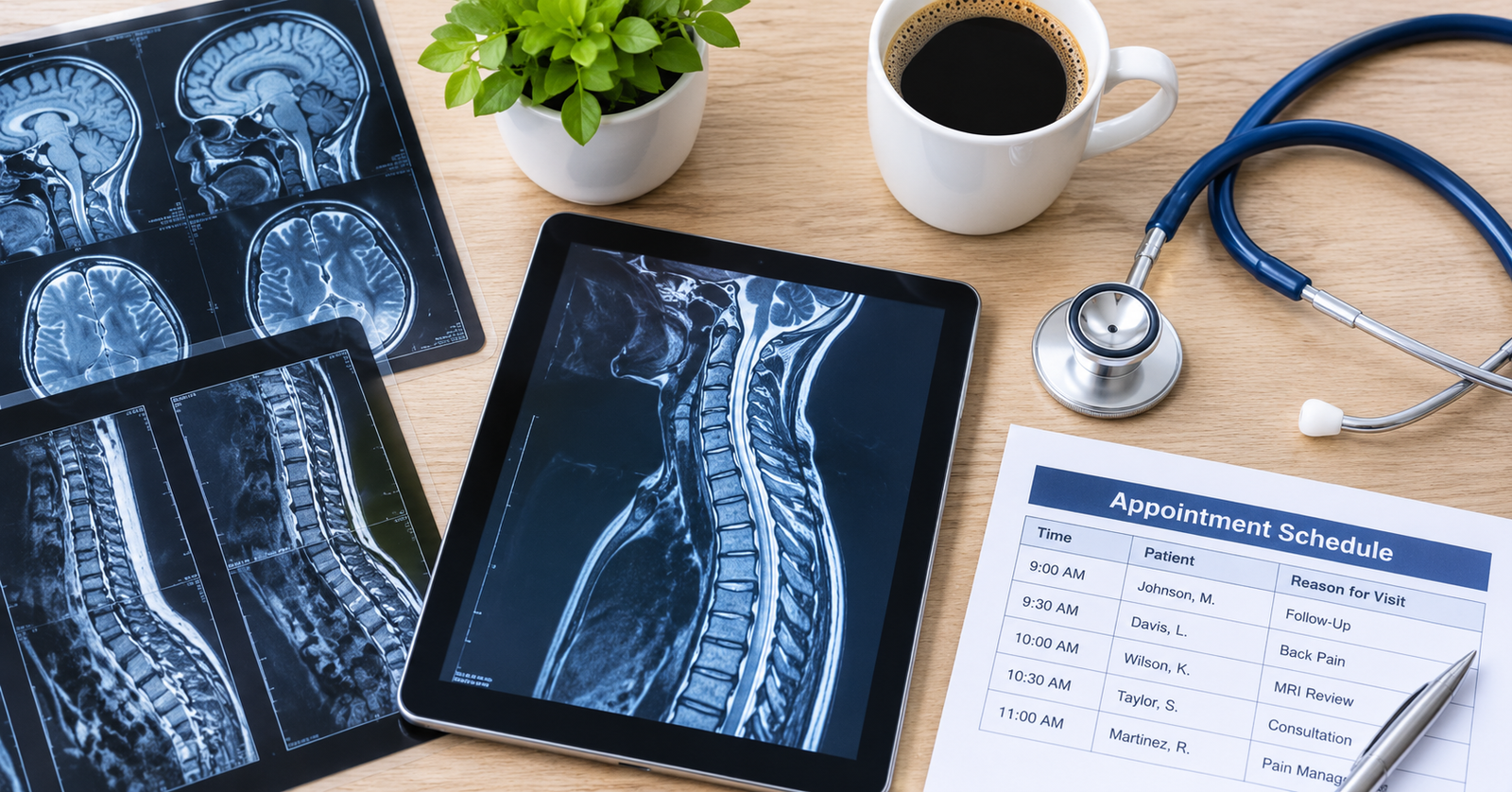
The day starts before the first patient arrives. The doctor reviews the MRIs, nerve studies, and notes from the referring docs. You’re dealing with chronic pain and it doesn’t usually have one single cause. Spinal changes, joint degeneration, nerve issues… they often co-exist. You need a full picture to develop a coherent plan. 

Team Huddle 

Nurses and medical assistants meet briefly to go over the schedule. They review consent forms, allergies, and blood thinner instructions for anyone having a procedure. 

Midday: Consultations and Diagnosis 

Listening First 

Appointments at the pain management clinic in Tampa start with a quick chat. The doctor will ask where the pain is, what makes it worse, and how it affects your sleep, work, and mood. They then go on to do a physical exam looking at strength, reflexes, movement and sensation. 

Conditions Seen Most Often 

Standard concerns include low back pain, neck pain, sciatica, arthritis related joint pain, pain following surgery and nerve problems such as neuropathy. The need is huge. The CDC estimated that around 20.9% of US adults (some 51.6 million people) were living with chronic pain in 2021. 

Building a Treatment Plan 

Chronic pain is a pain that’s been going on for more than 3 months. The CDC’s 2022 Clinical Practice Guideline recommends non-opioid and multimodal therapy for a very wide range of pain conditions. A Tampa patient discussing chronic pain would probably be looking at a range of options including physiotherapy, activity modification, a short course of muscle pain medication and various procedures. The standard of care is to use heat, gentle stretching and guided exercise for muscle pain relief as part of the management, along with medication. If it’s thought to be neuropathic, then a nerve specialist would do a diagnostic block. Interventional pain procedures would only be part of the management plan if all of the above failed. 

Afternoon: Interventional Procedures 

Precision With Imaging Guidance 

Interventional pain procedures (epidural steroid injections, medial branch blocks, radiofrequency ablation etc) are all aimed at calming the pain at its source. Most are outpatient procedures, guided by either fluoroscopy (live X-ray) or ultrasound to ensure the needle reaches the right place. You generally go home on the same day. Results vary, with some patients achieving weeks or months of pain relief and others needing a different approach. An interventional pain specialist will be frank about these limitations before any procedure. 

Safety and Recovery 

At a well-run pain management clinic, Tampa patients will get sterile techniques, monitoring, and clear discharge instructions. Interventional pain procedures are best when they’re part of a broader plan. The patient learns what sort of pain is normal and what sort of symptoms (fever, new weakness, worsening numbness etc) are ones that they need to call us about immediately. 

Late Day: Follow-Up and Patient Welfare 

Phone Call

Coordinating Care 

A pain management specialist for Tampa FL residents to rely on will keep working long after the last patient has left. They’ll return calls, update charts, and write to the PCP, so everyone stays on the same page. 

Measuring What Matters 

A good pain management doctor, Tampa patients trust measures success by function rather than an arbitrary number on a scale (i.e., walking farther, sleeping through the night, getting back to work). That focus on the patient is what keeping the plan on a realistic basis. Chronic pain management is generally a gradual process, so regular honest progress checks are essential to keep the plan on track. 

Conclusion 

A pain management doctor, Tampa residents can trust listens carefully and have the skill to do the job. A typical day at a pain management clinic in Tampa starts with chart review and ends with afternoon procedures, all within the context of safe pain management. If your pain is ongoing and it’s having a major impact on your life, then an interventional pain specialist in Tampa can go through the various chronic pain treatment options Tampa patients can rely on. Rodolfo Gari MD welcomes both patients and clinicians. To arrange a consultation please visit rodolfogarimd.com. 

Frequently Asked Questions 

What happens during a pain management doctor’s appointment? 

Expect to discuss your symptoms and history, followed by a physical exam. If you’re going to a pain management clinic in Tampa, they’ll likely review any prior imaging before telling you what they plan to do. 

What conditions does an interventional pain specialist treat? 

This doctor treats back and neck pain, sciatica, joint pain, nerve pain, and post-op pain. The aim is to find the source of the pain and then offer the right options. 

How does interventional pain management help chronic back pain? 

Interventional pain procedures can reduce inflammation or cut the pain signal at the source. They are generally used in conjunction with exercise and therapy to improve function. 

When should I see a pain management specialist in Tampa? 

If the pain has been going on for over 3 months or hasn’t improved with primary care, then a visit to a pain management specialist in Tampa, FL can be considered. The specialist can review various chronic pain treatment options the Tampa patient may not have considered. 


Managing Wrist Nerve Pain Without Surgery

Waking up at 3am with numb fingers is a very common complaint in pain clinics. So is the dull ache in your forearm after a long day at the keyboard. A lot of patients will be quite scared of the idea of surgery as the only option. It’s not. A sensible carpal tunnel treatment plan starts with simpler steps that reduce pressure on the nerve. This article explains what causes wrist nerve compression, which non-surgical carpal tunnel treatments are well-researched, and when it’s appropriate to see a specialist. Clinicians who refer patients will find it useful too. 

What Causes Wrist Nerve Pain? 

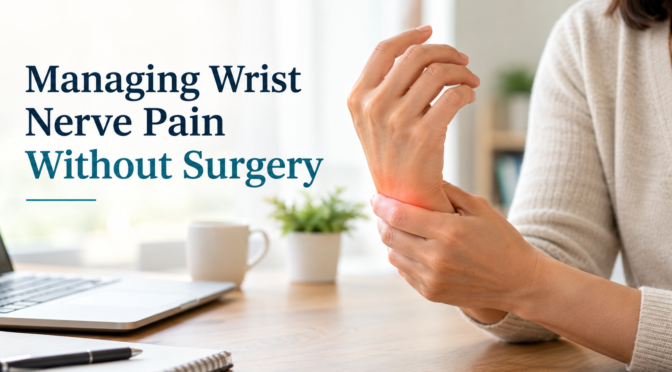
The median nerve is the one most involved. It runs through the carpal tunnel which is a tight space formed by the bones of the wrist and a ligament. If the tissue around the nerve swells or the tunnel narrows, then the nerve is compressed. The AAOS puts the incidence of carpal tunnel syndrome at up to 10% of the population. Not every tingling hand starts in the wrist. Other nerve conditions can cause similar symptoms. A pinched nerve in the neck can send the same tingling down to the hand. Thoracic outlet syndrome does it too. Until you pinpoint the real source, wrist nerve pain treatment is guesswork. 

Warning Signs Worth Noticing 

Pins and needles in the thumb, index and middle fingers are the usual first sign. Nights tend to be the worst. Holding a phone for a few minutes or gripping a steering wheel can trigger it, too. A weak grip and frequently dropping objects may follow. This kind of tingling deserves a look from a nerve specialist. Left alone, it usually returns. 

Nerve Pain Relief Without Surgery: What the Evidence Supports doctor-experience

Surgeons’ own guidelines prioritize non-surgical care. The AAOS recommends trying these options before surgery. They recommend a local steroid injection or splinting prior to surgery. The benefit is clearly greatest in mild to moderate cases. For many patients, that makes nerve pain relief without surgery a perfectly reasonable objective. 

Splints and Activity Changes 

A splint that keeps the wrist neutral is the usual first step. According to a family medicine review, wearing it all day or only at night works equally well, so the schedule can follow the patient’s routine. Ergonomic changes and frequent breaks support this carpal tunnel non-surgical treatment and can bring muscle pain relief. 

Injections and Oral Steroids 

A Cochrane analysis reports clear gains in symptoms and function one month after a steroid injection. Relief often lasts for months. A second injection may be considered if symptoms return around six months. Short courses in oral steroids are another route. This wrist nerve compression therapy targets swelling around the nerve, so results vary from patient to patient. 

Medication and Hand Therapy 

OTC muscle pain medication can help with forearm soreness. It won’t relieve the pressure on the nerve. A doctor can recommend an appropriate muscle pain medication based on a patient’s health history, as it can interact with other prescribed medications. In hand therapy, patients learn nerve-gliding drills and gentle stretches to improve their wrist posture. Those same moves often relieve muscle pain in a sore forearm. Research supporting these techniques is less robust than research on splints and injections. 

Chronic Pain Management for Symptoms That Won’t Settle 

pain relief

If pain drags on for a few weeks, or a wrist keeps acting up, it’s time to get tested. Nerve conduction studies show which nerves are involved and how severe the problem is. Diabetes, thyroid disease and pregnancy change the plan. Research is limited in those areas, so treatment is individualized for each patient. If you have persistent numbness, thinning of the thenar muscle, or progressive worsening weakness, you certainly don’t want to delay. AAOS will recommend carpal tunnel release if conservative management has failed. The pain management plan will start with the least invasive option and that option will be available. 

Why Patients Choose Dr. Rodolfo Gari 

Dr. Rodolfo Gari is a Tampa physician with decades of experience in interventional pain management and complex chronic pain. His approach starts with an exact diagnosis. From there, the plan moves through the gentlest effective options toward lasting pain relief. Patients get plain-language explanations. Referring clinicians get clear communication. Anyone looking for a trusted nerve specialist shouldn’t wait until numbness becomes permanent. Book a consultation with Rodolfo Gari, MD, today.  

Conclusion 

You don’t have to live with wrist nerve pain. The best treatment for wrist nerve pain depends on two things: how soon you catch the problem and how badly the nerve is affected.Mild to moderate cases usually start with a splint, an injection, or both. This non-surgical carpal tunnel treatment spares many patients from the need for surgery. Wrist nerve compression therapy is then modified as the results are assessed. If the symptoms persist then ongoing chronic pain management with an experienced doctor is the way to go to protect hand function and achieve long-term pain relief. The next logical step is to contact Dr Gari’s team. 

Frequently Asked Questions 

How can I treat wrist nerve pain without surgery? 

Most patients begin with a wrist splint worn in a neutral position, plus a few changes to daily habits and workstation setup. A physician can add a steroid injection if needed, which makes nerve pain relief without surgery possible for many. 

What is the best non-surgical treatment for carpal tunnel syndrome? 

Splinting and local steroid injections have the strongest guideline support. Clinicians usually try this carpal tunnel for non-surgical treatment first, especially in mild to moderate cases. 

Steroid injections often help within about a month. Response to splinting varies, so if you don’t improve after several weeks of wrist nerve compression therapy, it’s a good reason to ask about nerve testing. 

What are the early symptoms of wrist nerve compression? 

Tingling or numbness in the thumb, index and middle fingers (very commonly at night) is a classic early sign. Early assessment can keep more treatment options open for wrist nerve pain treatment. 


Meet Dr. Rodolfo Gari: Training, Credentials and Approach to Pain Care

Picture a Tuesday morning when your shoulder still hurts after several months of stretching, heat packs and good intentions. Somebody finally says you should see a pain doctor. Fine, but which one? Dr. Rodolfo Gari’s pain management care is available in Tampa, Florida, so we’ll start there. We look at what his practice publicly reports about his work. We also review physician training and certifications worth a quick check and explain how a pain management doctor’s experience shows up during a visit. Patients and referring clinicians can take something useful from it before booking anything. 

Who Is Dr. Rodolfo Gari? 

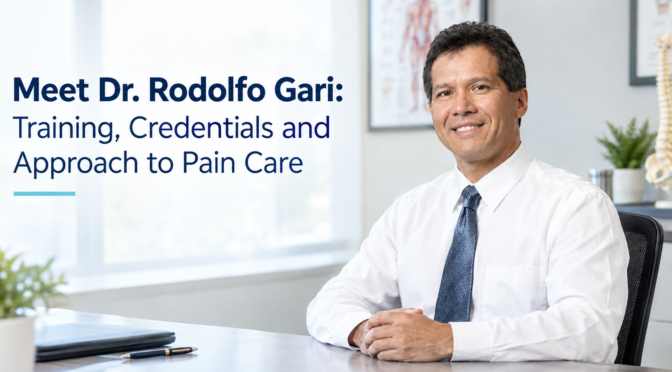
Start with what is documented. Dr. Gari is an anesthesiologist. He works as an interventional pain specialist in Tampa. His website keeps returning to clinical experience, thoughtful innovation, and care that leaves patients informed. For details about his own training history, the office is the best source. 

Physician Training and Certifications 

Pain medicine is a younger specialty than most people assume. 

The Path into Pain Medicine 

Doctors usually come from somewhere else. Anesthesiology sends most doctors into pain medicine. Neurology and physical medicine and rehabilitation are other well-worn routes. After residency, a fellowship year focuses on pain. The American Board of Medical Specialties recognizes pain medicine as a subspecialty, so that certificate sits on top of the doctor’s original board certification. 

A Two-Minute Credential Check 

Lookups are quick. ABMS runs a free certification search on its website. Florida’s Department of Health has a license verification page that also shows disciplinary history. If any information about Dr. Gari’s background is not available on his website, please reach out to him at +1 813-531-8550 for clarification. 

Pain Management Doctor Experience: What It Really Means 

doctor-experience

Experience has reduced to several years. Fifteen years of repeating three procedures isn’t the same as fifteen years of working through hard cases. How often does he treat cases like yours? What’s the next step if the first treatment falls flat? 

What the Practice Treats 

His website names neck, shoulder, lower back and knee pain. Joint problems and cancer-related pain are covered as well. Pain that is still there after three months or so gets the chronic label. Chronic pain management from there is mostly about staying in control of it. 

Nerve problems deserve a mention since they’re easy to miss. A disc pressing on a spinal nerve can show up as burning in the calf, nowhere near the spine. A nerve specialist trained in interventional techniques may inject a diagnostic block to see whether that nerve is the culprit. If the pain eases, radiofrequency ablation is one option for longer relief. 

Muscles are less dramatic. After a pulled muscle, you’re generally looking for relief in the order of days rather than months. Muscle pain medication is pretty much the same as with any other kind of pain, from the usual OTC anti-inflammatories to a short course of prescription relaxants. Don’t take these for long periods of time. If you’re already on something else, then obviously speak to your doctor before you start. 

 A Patient-Centered Approach Details

 Many pain clinics claim to provide patient-centered care, but a good clinic starts by understanding how pain affects your daily life before moving on to paperwork. Whether your goal is to return to gardening, sleep better, or complete a full shift at work, your treatment plan should focus on helping you regain the activities that matter most to you. 

Diagnosis Comes First 

The practice says it looks like a true source of pain. Painkillers can quiet a signal without explaining it. Once the source is clear, treatment has something to be aimed at. Any pain relief you get is more likely to last. 

Treatment Options 

The CDC’s 2022 guideline asks clinicians to weigh nonopioid treatments first for many conditions. It also encourages combining approaches. Your plan could be therapy, a prescription, an injection, or a mix of them, with a few changes around the house. When it stalls, the doctor should adjust it. 

Pack your scan reports, your medication list and a few lines about sleep, mood and pain triggers. If a procedure comes up, ask what it involves, what the downsides are, and how long you’ll recover. 

Ready to Talk It Through? 

Pain that has taken over your work, sleep, or weekends deserves a real evaluation. Dr. Rodolfo Gari’s Pain Management is built on listening first, then explaining options in plain language through patient-centered care. Call +1 813-531-8550 to book a visit. Whether your goal is chronic pain management or a second opinion, you’ll speak with a knowledgeable pain-management professional working with you toward pain relief. 

FAQs 

1. Who is Dr. Rodolfo Gari? 

He is an anesthesiologist and interventional pain specialist in Tampa, Florida. His practice highlights clinical experience, thoughtful innovation and well-informed patients. 

2. How do I choose a qualified pain management specialist? 

Begin with physician training and certifications. Confirm the license and board status through the ABMS and Florida’s Department of Health. Next, ask how often the doctor treats your condition. 

3.What should patients look for in pain management physician? 

A clear diagnosis, plain answers, and real experience managing problems like yours. Openness to options that don’t involve procedures is also a good sign. 

4.What is Dr. Rodolfo Gari’s approach to pain management? 

Dr. Rodolfo Gari’s pain management starts with finding the source of the pain. Treatment then focuses on what you want to get back to doing. That means patient-centered pain care: clear explanations, a comfortable visit and options matched to the cause. 


Seniors in Florida: Managing Arthritis and Spine Pain in Retirement

Retirement in Florida means pool days and sunset walks. It also means a knee that locks the stairs and a back that complains by noon. If the pain keeps coming back, you deserve a specific answer. Guessing won’t give you one. An exam will be. Many cases of spine pain in older adults get written off as “worn joints” when the real cause is something else entirely. This guide covers what causes these aches, what the research supports, and when chronic pain management for seniors should include a specialist or surgical input. It also walks through arthritis pain management for seniors, from simple home habits to procedures. 

Why joint and spine pain get worse with age 

Joints change over years of use. Cartilage wears down, and spinal discs lose some height. Most of the pain that occurs is due to osteoarthritis. The NIAMS states this condition typically affects the hands, knees, hips and spine. Treatment varies depending on which joint is involved, so the first step is to identify that. 

What’s happening in the spine 

The small joints along the spine wear down much like a knee does. Bone spurs form. The nerve channel narrows, and that’s spinal stenosis. 

There’s a small clue to watch for. You might go through the whole supermarket pushing a trolley, but walking the same distance with nothing in front of you is miserable. Leaning forward gives the nerves more room and that’s why the trolley makes such a difference. If that’s the case for you, tell your doctor at your next appointment. They want to hear about it. Identifying this early can speed up relief from back pain in older adults. 

Is it a muscle or a nerve? 

If your back burns or tingles, or a leg gives out, a nerve is the more likely cause. A pulled muscle seldom causes symptoms like these, and it needs a different approach. If you suspect nerve problems, a nerve specialist can work out what’s going on with an exam and imaging. Without that step, a pinched nerve can be mistaken for a strain for months, which is a long time to be uncomfortable for no reason. The right diagnosis brings seniors pain relief much sooner. 

Arthritis treatment for seniors: start simple 

seniors

Start with exercise. Good arthritis pain management for seniors rarely begins with a prescription. The American College of Rheumatology lists exercise among its top recommendations for osteoarthritis, and tai chi isn’t far behind. If you carry extra weight, losing even a little pressure off your joints. For sore knees, the guidelines also support anti-inflammatory gels that you rub on the skin. 

Florida’s only real advantage here is the warm pool, which is open year-round. Water is excellent for the joints and one of the mildest ways to relieve back pain for the elderly. At home, try light stretching to loosen stiff joints, and use a heating pad or massage for muscle pain. It won’t be anything spectacular. The real answer is a simple, steady, low-impact approach, and that’s what underpins arthritis treatment in the elderly, regardless of the climate. 

Muscle pain medication: read the fine print 

After 65, it gets a lot more complicated in terms of pain relief. The Beers Criteria (American Geriatrics Society) will often advise against the use of oral NSAIDS in the older patient due to the risk of GI bleed, renal problems and hypertension. Some of the muscle relaxants are on that list as well. 

So, before you start any new muscle pain medication, talk to your doctor. Ask about skin gels too, since far less of the medicine reaches your bloodstream. Gels, heat, and massage can also offer muscle pain relief with fewer risks. The goal is pain relief without creating new problems. 

When rest and over-the-counter pills aren’t enough 

Sometimes therapy and pills don’t go far enough. That’s when interventional pain management comes in. The idea is to find the one spot the pain starts from instead of treating the whole back. That precision matters for spine pain in older adults, where several structures can hurt at once. Many newer, minimally invasive procedures are done on an outpatient basis, so some patients go home the same day. For some people, these options become part of a broader chronic pain management plan. 

In an epidural steroid injection, the doctor places anti-inflammatory medication close to the irritated nerve. Radiofrequency ablation works differently: it uses heat to “switch off” the pain-transmitting nerve. Some patients get months of relief from this technique, but it isn’t a cure because nerves can regrow. The real difficulty is often working out which nerve is the problem, and a nerve specialist can also tell you whether an injection makes sense. 

When surgery comes up 

Surgery comes last. Bring it up with your doctor if months of other treatment haven’t helped and your scans explain your symptoms. The same goes if you notice you’re getting weaker. 

Go to the ER right away for sudden leg weakness, a numb groin, or loss of bladder or bowel control. Don’t wait for an appointment. 

Living with chronic pain in retirement

pain managementChronic pain management for seniors isn’t a single-visit fix. What helps is small steps, repeated often. Walk early, before the Florida heat builds. Spend a few minutes on balance. Keep your follow-ups even after a good week, because your doctor can’t adjust your treatment without knowing what’s working. 

Sleep matters more than most people expect. Poor sleep and low mood both turn the pain up, so address those too. They are part of any good chronic pain management plan. Every few months, tell your doctor honestly what helps and what doesn’t. Good senior pain management shifts as you do. 

Finding a pain management doctor in Florida 

Check credentials first: board certification and an active Florida license. Write your questions down before any procedure, because they tend to vanish the moment, you’re in the room. Then pay attention to how the doctor explains things. Do you get each option in words you can actually follow? 

Call the office before booking an appointment. Ask how their pain management approach works for older patients with ongoing pain and what happens after the first visit. Look for real experience in senior pain management. Will someone follow up? Will the plan change if it isn’t working? If your symptoms suggest nerve damage, ask which doctor at the practice specializes in evaluating and treating nerve conditions. 

Talk to Dr. Rodolfo Gari 

Does joint or spine pain keep you from getting out of bed? Get a clear diagnosis first. Dr. Gari looks for the root cause and explains his findings in plain English. That’s the basis of his approach to senior pain management, whether it’s arthritis, spine pain, or back pain in older adults. To arrange a consultation, use the contact page or call +1 813-531-8550. Bring your medication list and any questions you have. If you’ve been wondering about a nerve issue, then by all means ask him. 

FAQs 

What is arthritis pain management for seniors? 

A personalized plan to relieve joint pain and keep you moving. Arthritis treatment for seniors usually begins with exercise and a close look at your medicines. After that, treatment targets whatever is causing pain. Walking and water exercise are easy on the joints. If the stiffness hasn’t eased after a few weeks, see a specialist. 

What does safe chronic pain management for seniors look like? 

Give your doctor a complete list of your medicines, including oral NSAIDs and muscle pain medication. In chronic pain management for seniors, a safe plan accounts for each one. It also schedules regular check-ins and adjusts as your needs change. 

How can Florida seniors find a qualified specialist? 

Make sure the doctor is board-certified and has a current Florida license. Ask how the practice handles senior pain management. Also find out who you’d see if a nerve problem shows up. 

What is the best treatment for chronic spine pain in older adults? 

It usually begins with exercise therapy and a medicine review. If that isn’t enough, doctors may recommend targeted injections next. They bring up surgery only if your scans explain your symptoms and other treatments haven’t worked. Worsening weakness is another reason. 

Which exercises fit into arthritis treatment for seniors? 

Choose activities that are easy on the joints, such as walking, water aerobics, biking, or tai chi. Gentle core exercises can help relieve strain on a sore back. If a movement causes sharp pain, stop.