
How Technology and Strategy Are Reshaping Healthcare: Insights from Dr. Rodolfo Gari
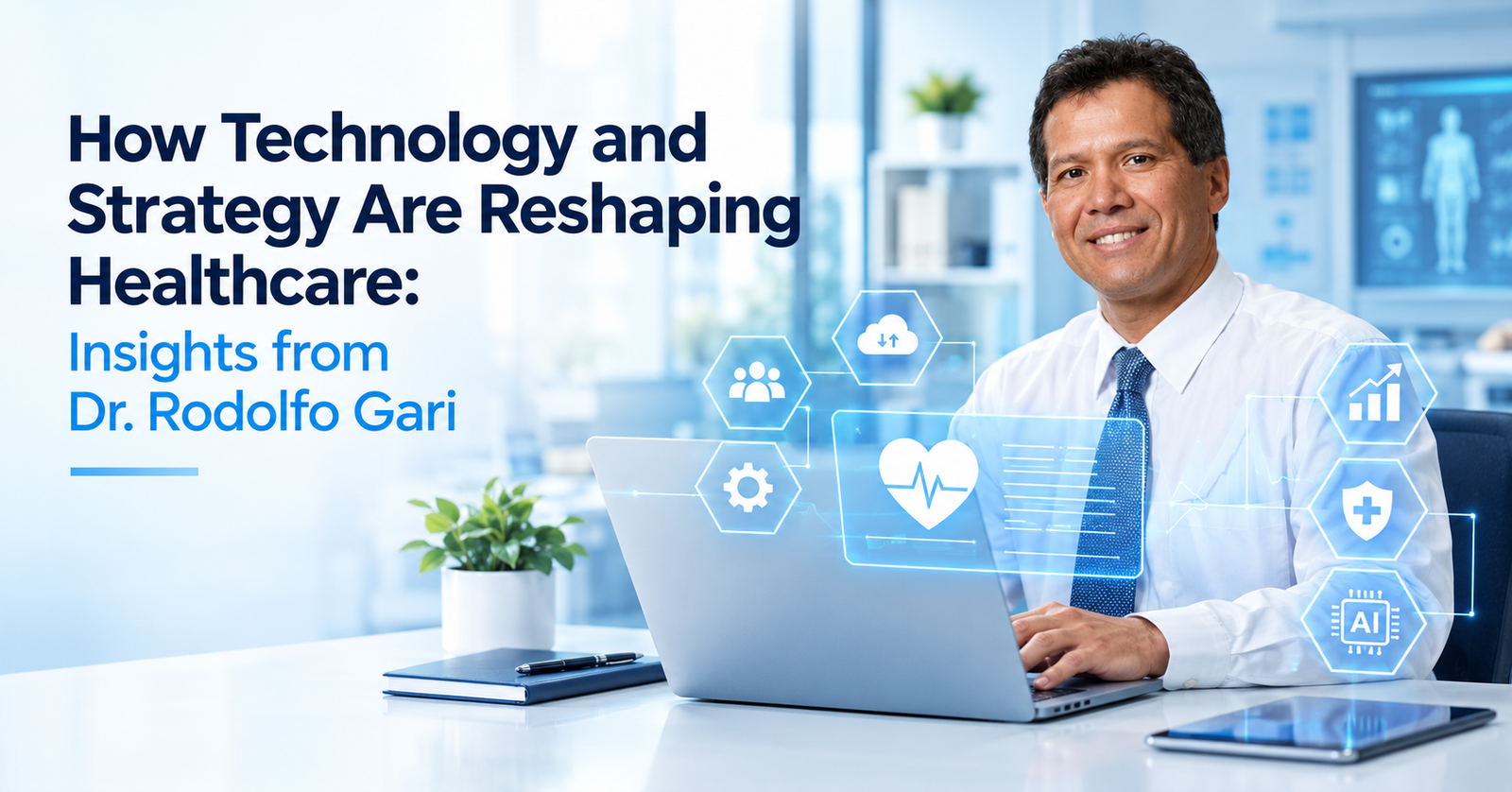
Healthcare technology transformation USA has changed what a doctor visit looks like. Appointments get booked from a phone. Charts load in seconds. Test results show up before the follow-up call. Dr. Rodolfo Gari, an interventional pain physician in Tampa, sees these changes in daily practice.
Digital innovation in healthcare systems brings real benefits, though software alone won’t repair a clumsy process. Strategy matters more. Here we look at the future of healthcare technology trends. We also explain why advanced healthcare solutions and innovation matter to people with chronic pain. Clinicians also get practical questions to ask before buying anything new.
Why Healthcare Technology Transformation USA Matters Now
Picture someone who’s been dealing with pain for years. In a few short months they’ve seen their regular doctor, then a physical therapist, then a specialist across town. Each office asks the same questions. Records don’t always follow them. Good chronic pain management depends on everyone seeing the same information. Healthcare technology transformation in the USA is meant to make that possible.
Digital Tools Patients Notice First
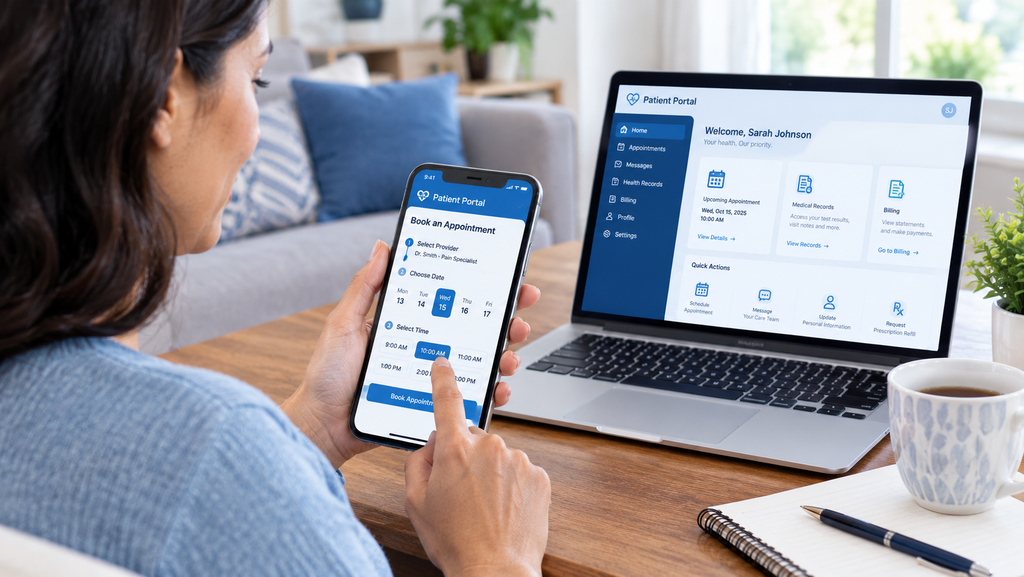
Long before a patient meets the doctor, they’ve usually dealt with the technology. A laptop booked the appointment. A text message reminded them to show up. A portal answered their question about the paperwork and their phone showed the lab results before anyone called.
All of that is digital innovation in healthcare systems, just at the everyday level. Anyone who’s juggling chronic pain management knows what a car ride can cost them. A video visit with a nerve specialist skips the drive entirely. Portals help too, since patients can ask about muscle pain medication without sitting on hold. Telehealth has limits, of course. Some problems need hands on an exam table.
Where Artificial Intelligence Fits
Artificial intelligence is most helpful when it handles the tedious parts of a clinician’s day. It can sort through imaging, point out possible nerve problems sooner and take over some of the charting. It shouldn’t make the final call. Any advanced healthcare solutions and innovation still need validation, HIPAA protection and a licensed physician who checks the output.
Digital Innovation in Healthcare Systems for Pain Relief
Technology in Pain Management
Ten years ago, long term pain usually got pills and a referral to physical therapy. Pain management today reaches further. Doctors can guide a needle with live imaging, implant a small device that quiets nerve signals or hand patients with an app for tracking symptoms at home. A week of logged pain scores tells a nerve specialist more than a patient’s memory of how things went, so adjustments can be based on what happened.
Advanced healthcare solutions and innovation also help clinicians check muscle pain medication against everything else a patient takes. Better data can shape more personal pain relief plans, though results vary from person to person. The latest innovations in pain management and minimally invasive care are worth a look.
Nerve Problems and Muscle Pain Relief
Sciatica and carpal tunnel syndrome are two common nerve problems and neither can be treated well until someone pins down what’s causing it. A nerve specialist will usually begin with a hands-on exam. Imaging or nerve studies come next if the answer isn’t obvious. Muscles are a different story.
A knotted, stubborn muscle might ease up with physical therapy, or it might need trigger point injections for muscle pain relief. Muscle pain medication can also support muscle pain relief for some people. Lasting pain relief depends on finding the cause.
Strategy Comes Before Software

Plenty of clinics buy the software first and hunt for a problem afterward. It works better the other way around. Pick one real patient problem, such as long waits. Choose a tool that addresses it. Train the staff. Then check whether anything has improved. Privacy rules apply the whole way. Dr. Gari’s impact on healthcare systems shows how clinical experience can inform business decisions. Healthcare technology transformation USA only works when patients stay at the center.
Future of Healthcare Technology Trends
Where is care headed? Looking at the future of healthcare technology trends, expect care that adapts to each patient, more check ins from the couch and specialists who read the same chart instead of starting over. In practice, a patient might notice that their chronic pain management gets adjusted as they improve.
They might reach a nerve specialist sooner than they used to. Someone might also catch a problem with their muscle pain medication before it causes trouble or builds a muscle pain relief plan around their actual week. For the clinical side, read about the future of pain management in the U.S.
Conclusion
Healthcare technology transformation USA only pays off when a clear plan comes first and the tools come second. Digital innovation in healthcare systems, the future of healthcare technology trends and advanced healthcare solutions and innovation are only worth the hype if patients end up better off. If pain keeps getting in the way of your days, you don’t have to sort it out alone. A knowledgeable pain management professional can help you build a plan that actually fits.
Tired of guessing what might ease your pain? Book a visit with Dr. Rodolfo Gari now, to learn what chronic pain management and pain relief could look like for you.
Frequently Asked Questions
1.What role does artificial intelligence play in modern healthcare?
AI helps clinicians read images, sort records and spot patterns, such as early nerve problems. It’s a big piece of the future of healthcare technology trends. Still, a licensed physician makes the final treatment call.
2.How can healthcare technology improve patient outcomes?
Shared records mean fewer mistakes. Remote monitoring can catch nerve problems early and alerts make muscle pain medication safer to use. Patients tend to get pain relief sooner.
3.How can healthcare leaders develop an effective digital healthcare strategy?
Start with a problem your patients really have, like long waits. Pick tools your staff can learn quickly, train them well and set up referrals to a nerve specialist early. Digital innovation in healthcare systems works best when clinicians help shape it.
4.Can physical therapy help manage chronic pain in the long term?
Care gets easier to book and every provider sees the same notes. Advanced healthcare solutions and innovation also keep chronic pain management steady and let muscle pain relief plans change between visits.