How Dr. Rodolfo Gari Is Solving One of America’s Biggest Health Challenges

Fifty million American adults are dealing with chronic pain right now. Not a projection that’s where things stand today, and it’s a big part of the chronic pain crisis in the US. Most of them never learned how to choose a pain management specialist, so they end up bouncing appointments that don’t go anywhere.
Dr. Rodolfo Gari has spent the last three decades in Tampa trying to fix that specific gap. He’s an interventional pain management physician, which in practice means he’s not handing out a prescription pad and calling it treatment. Patients tend to pick up on that quickly. Here’s why the crisis got this bad, what actually separates a good specialist from a mediocre one and where his approach breaks from the usual playbook.
The Scope of the Chronic Pain Crisis in the US
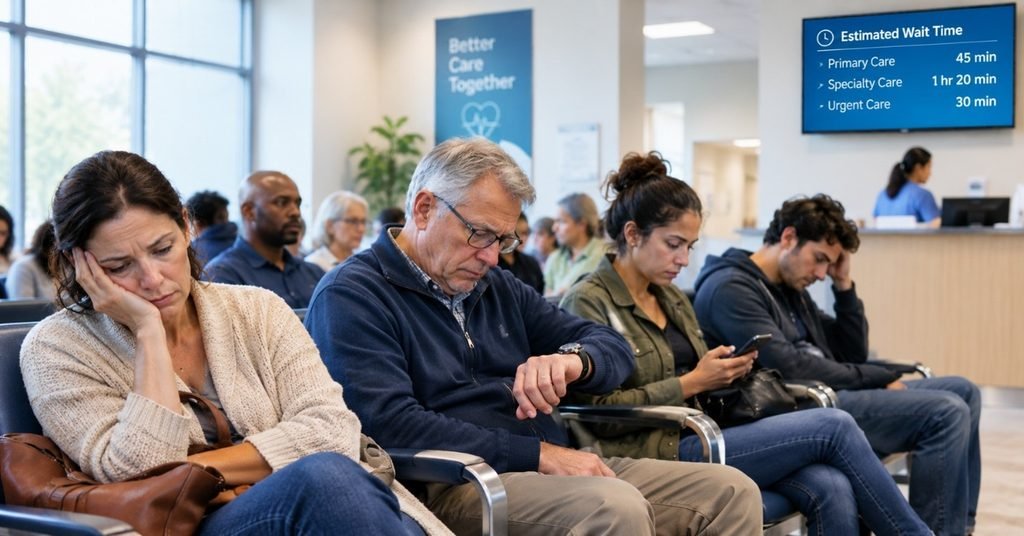
The numbers from the CDC aren’t subtle. Chronic pain outranks diabetes and heart disease combined in terms of how many Americans it touches. Yet most people can’t get in to see a specialist quickly and when they do coverage often dictates the treatment plan more than the diagnosis does. That’s the uncomfortable core of the chronic pain crisis in the US: it’s less about medical knowledge and more about access.
Why the Crisis Persists
Referral systems are part of the problem. A patient sees their primary care doctor gets referred out waits weeks for an appointment and by the time they sit down with a nerve specialist the original issue has often gotten worse. Muscle pain that could’ve been treated early turns chronic. Nerve problems compound. The delay itself becomes part of the injury.
How to Choose a Pain Management Specialist
If you’re trying to figure out how to choose a pain management specialist, think of this as a working pain management doctor selection guide — here’s what actually matters, in order.
- Confirm Board Certification and Training
Board certification in pain management is non-negotiable and fellowship training in interventional techniques is what separates a specialist from a general practitioner who dabbles. Ask directly. A good practice won’t hesitate to answer. - Ask About Treatment Philosophy
Some practices lean almost entirely on muscle pain medication. Others build a broader toolkit nerve blocks physical therapy referrals minimally invasive procedures and treat surgery as a last resort rather than a first option. Find out which kind of practice you’re walking into before you commit. - Evaluate Communication and Fit
This part gets skipped a lot but it shouldn’t. Finding a pain specialist in the US who explains things clearly and doesn’t rush you out the door matters just as much as the credentials on the wall.
Dr. Gari’s Approach to Chronic Pain Management
Dr. Gari doesn’t start with a prescription. He starts by figuring out where the pain is actually coming from — nerve compression, joint degeneration, soft tissue damage — because chronic pain management that skips this step tends to fail eventually. Patients around Tampa have come to know him as a nerve specialist who treats the cause not just the symptom and it’s a big part of why his approach to pain relief tends to stick. His career hasn’t been limited to the clinic either.
Time spent in healthcare entrepreneurship gave him a wider view of what’s broken in pain management specialist USA -wide, which shows up in how deliberately his practice is structured. Two conditions worth reading up on if you’re dealing with them: genicular nerve block treatment and diabetic neuropathy care.
What to Expect During a Consultation
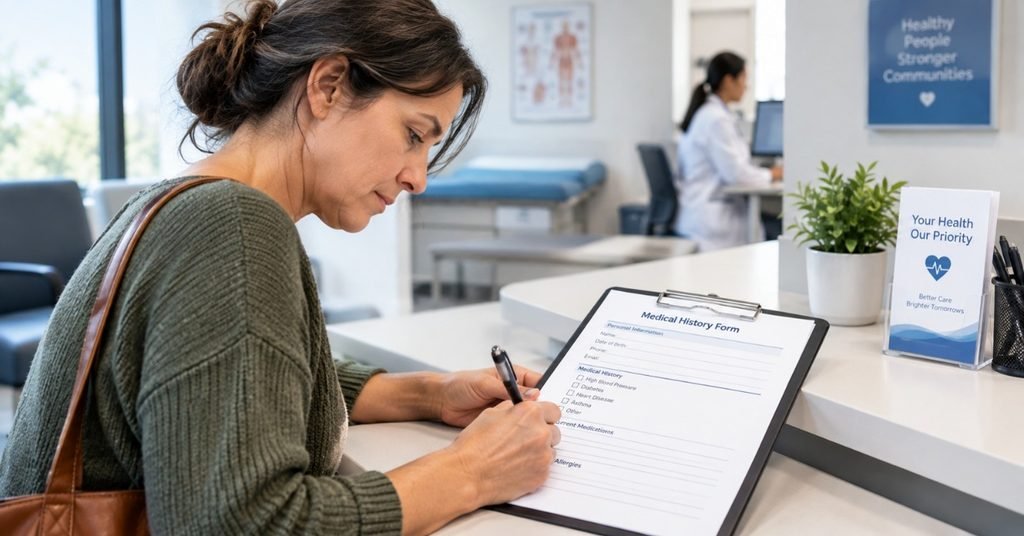
A real first visit takes time. History, physical exam, imaging review and increasingly, questions about sleep, since poor sleep and chronic pain feed each other more than most people realize.
That’s part of what’s changing about how the chronic pain crisis in the US gets treated: specialists are looking at the whole picture instead of isolating the symptom. If sciatica is your issue specifically our piece on sciatica treatment options walks through what a tailored plan looks like.
Take the Next Step Toward Real Pain Relief
Medication alone was never going to fix the chronic pain crisis in the US, and most patients figure that out the hard way. Knowing how to choose a pain management specialist is really where recovery starts. Dr. Rodolfo Gari brings three decades of experience a University of Miami medical background and a habit of actually listening before treating.
Don’t guess through another round of treatment. Get in front of Dr. Gari, get a real diagnosis and go from there. Book a consultation. Get it right from the start!
Frequently Asked Questions
1.When should you see a specialist instead of continuing with your primary care doctor?
Few weeks in and the pain’s still there Or it’s messing with stuff you never used to think twice about. Or you’ve tried the basics and nothing’s moved. Any one of those and general care probably isn’t going to be enough — you need someone equipped to look deeper.
2.What’s behind the chronic pain crisis in the US?
Slow referral pipelines, inconsistent insurance coverage and decades of leaning on medication over root-cause treatment. It’s a systems problem as much as a medical one.
3.What should I ask before picking a pain management doctor?
Ask what they’re board certified in. Ask how they’d actually treat you, not just what they prescribe. And ask if they work with physical therapists or surgeons when a case needs it some don’t bother. If you’re not getting straight answers, that’s your cue to walk.