Best Non-Surgical Treatments for Chronic Pain in 2026

Chronic pain can affect mobility, sleep, work and daily life, but surgery is not always the first step. In 2026, non-surgical chronic pain treatments include physical therapy, exercise, behavioural approaches, medications, targeted injections and selected nerve procedures. The best pain relief without surgery depends on the cause, duration and pattern of symptoms. Chronic pain treatment options 2026 increasingly emphasize personalized care rather than one treatment for everyone.
Non-invasive pain management may help improve function while reducing reliance on medication for some patients. Understanding available options can help patients discuss realistic goals with a pain specialist and choose an appropriate treatment plan.
What Are Non-Surgical Chronic Pain Treatments?
Non-surgical care aims to control symptoms, improve function and address the source of pain without an operation. Treatment may involve one approach or several therapies used together.
According to CDC guidance, nonpharmacologic and nonopioid treatments can play an important role in managing subacute and chronic pain. Appropriate options depend on the patient’s diagnosis and individual circumstances.
Dr. Rodolfo Gari’s approach to pain management similarly emphasizes individualized treatment based on the type and source of pain.
1. Physical Therapy and Exercise
Physical therapy remains an important component of non-surgical chronic pain treatments. A customized program may focus on flexibility, strength, posture, mobility and gradual activity progression.
Exercise can be particularly useful for certain musculoskeletal conditions. Current evidence also supports exercise as part of chronic pain care for appropriate patients.
Physical therapy may help patients:
- Improve mobility
- Build supporting muscles
- Reduce stiffness
- Restore functional movement
- Develop safer activity patterns
The goal is not simply to eliminate every sensation of pain. Improving function and quality of life can also be important treatment outcomes.
2. Pain Medications and Topical Treatments
Medication may remain appropriate for selected patients. The choice depends on the pain mechanism, medical history, other medications and potential risks.
Muscle pain medication may be considered for certain musculoskeletal problems, while other medicines may be used for neuropathic pain or inflammation. Topical treatments can sometimes provide localized muscle pain relief without relying entirely on systemic medication.
However, medication effectiveness varies considerably. Patients should not assume that a medicine that helps one type of pain will work for another.
The CDC recommends considering nonopioid therapies when appropriate for chronic pain while carefully weighing potential benefits and risks of opioid treatment.

3. Psychological and Mind-Body Therapies
Chronic pain can influence sleep, stress, mood and daily functioning. Psychological approaches such as cognitive behavioural therapy can play an important role in comprehensive chronic pain management.
NICE recommends approaches including exercise and psychological therapy for chronic primary pain. Evidence also suggests that combining psychological approaches with exercise can improve pain intensity and functional disability for some adults with chronic pain.
Mindfulness, relaxation techniques and other mind-body approaches may also complement conventional treatment for selected patients.
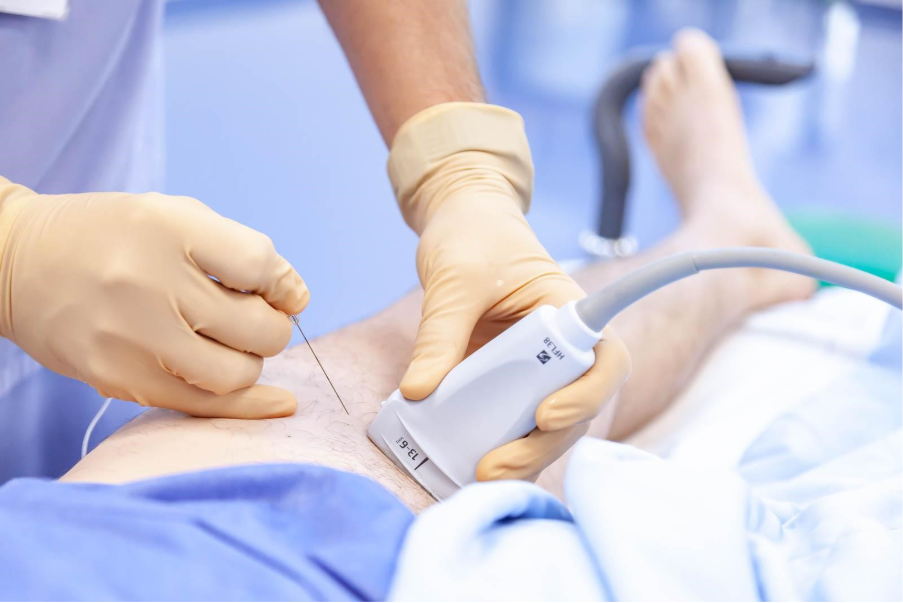
4. Nerve Blocks and Targeted Injections
Some treatments are non-surgical but are not completely non-invasive. Nerve blocks and targeted injections are examples.
A nerve block may deliver medication near a specific nerve or pain-generating structure. Depending on the situation, it may have both diagnostic and therapeutic purposes. Dr. Gari’s educational material discusses nerve blocks for conditions including nerve-related pain, back pain and selected joint conditions.
Spinal injections may also be considered for carefully selected patients when conventional approaches have not provided sufficient relief. These procedures require appropriate clinical evaluation rather than being suitable for every patient.
5. Radiofrequency Ablation for Selected Patients
For some chronic spinal or joint pain conditions, radiofrequency ablation may offer another minimally invasive treatment option. The procedure uses controlled radiofrequency energy to affect targeted nerves involved in transmitting pain signals. Dr. Gari’s website discusses radiofrequency ablation as an option for selected chronic joint pain conditions.
A pain specialist can determine whether the suspected pain source makes this approach appropriate.
6. Managing Nerve Problems and Muscle Pain
Not all chronic pain has the same mechanism. Nerve problems may produce burning, tingling, shooting or electric-like sensations. Musculoskeletal pain may instead involve aching, stiffness or localized tenderness.
This distinction matters when choosing non-surgical chronic pain treatments. A nerve specialist or pain specialist can evaluate symptoms and determine whether they suggest nerve involvement.
Dr. Gari’s educational material notes that treatment should be selected according to the patient’s condition rather than relying automatically on muscle pain medication when neurological symptoms are present.
Which Treatment Is Right for You?
There is no universal answer to the question of which treatment provides the best pain relief without surgery. The appropriate option depends on the diagnosis, symptoms, previous treatment, health history and functional goals.
A personalized plan may combine:
- Exercise or physical therapy
- Medication when appropriate
- Psychological support
- Lifestyle adjustments
- Targeted injections or nerve blocks
- Other minimally invasive procedures when indicated
These chronic pain treatment options 2026 should be selected through appropriate medical assessment rather than based solely on online recommendations.
Conclusion
The landscape of non-surgical chronic pain treatments continues to expand in 2026. Physical therapy, exercise, medication, behavioural approaches and targeted procedures can all have a role depending on the diagnosis. Non-invasive pain management may be appropriate for many patients while selected minimally invasive treatments can provide another option when conservative care is insufficient.
Dr. Rodolfo Gari focuses on personalized pain management that considers symptoms, diagnosis and treatment goals. If chronic pain is limiting your mobility, sleep or quality of life, consult a qualified pain specialist to discuss appropriate treatment options and determine whether surgery can be avoided.
Frequently Asked Questions
What are the best non-surgical chronic pain treatments?
Options can include physical therapy, exercise, medications, psychological therapies, nerve blocks, injections and selected minimally invasive procedures. The appropriate choice depends on the underlying condition.
Can chronic pain be treated without surgery?
Yes. Many patients can explore conservative or minimally invasive approaches before surgery. However, the appropriate treatment depends on the underlying cause and severity of the symptoms.
When should I see a nerve specialist?
Persistent burning, shooting pain, numbness, tingling or weakness may warrant specialist evaluation to determine whether nerve involvement is contributing to symptoms.