
Category Archives: Pain Management

Understanding Laminectomy: Benefits, Risks, and Recovery Insights

What is a Laminectomy?

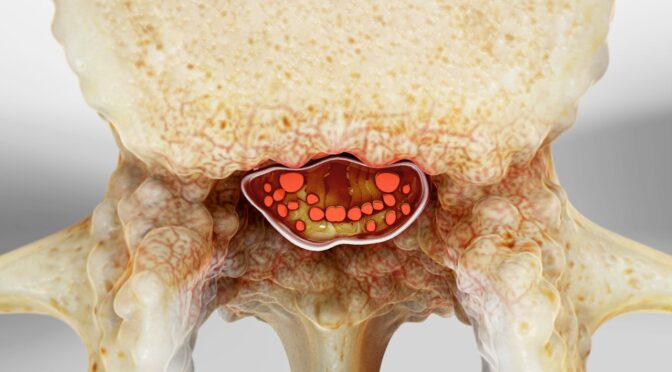
A laminectomy is a surgical procedure that involves the removal of the lamina, a part of the vertebra that covers the spinal canal. This surgery aims to relieve pressure on the spinal cord or nerves, which can be caused by conditions such as spinal stenosis or herniated discs. By removing this bony structure, the surgeon provides more space for the spinal cord and nerve roots, reducing pain and improving mobility.

In medical terms, the laminectomy is often referred to as a decompressive surgery. This procedure is particularly beneficial in cases where conservative treatments like medication or physical therapy have failed to provide relief. It’s important to note that while the term “laminectomy” may sound intimidating, it is a common and well-understood procedure in the field of spinal surgery.

Patients considering this surgery often have questions about what it entails, the expected outcomes, and the recovery process. Understanding these aspects can help individuals make informed decisions about their health and well-being.

Indications for Laminectomy Surgery

Laminectomy surgery is typically recommended for individuals experiencing significant spinal issues that interfere with daily life. These issues often include persistent pain, numbness, or weakness that affects the arms or legs. Such symptoms are usually caused by conditions like spinal stenosis, herniated discs, or degenerative disc disease.

For many patients, the decision to undergo a laminectomy comes after other less invasive treatments have been tried without success. These treatments may have included physical therapy, medications, or injections designed to reduce inflammation and relieve pain. When these options do not provide sufficient relief, a laminectomy may be the next step.

The decision to proceed with surgery is made in consultation with a medical professional, who will evaluate the patient’s overall health, the severity of symptoms, and the potential benefits and risks of the procedure. It’s a decision that requires careful consideration of all available information to ensure the best possible outcome.

Benefits of Laminectomy

The primary benefit of a laminectomy is relief from pain and symptoms caused by spinal cord or nerve compression. Many patients experience a significant reduction in pain, allowing them to return to activities they enjoy and improve their quality of life. The procedure can also enhance mobility and function, making everyday tasks easier and more manageable.

In addition to pain relief, a laminectomy can prevent further deterioration of the spine. By addressing the root cause of the symptoms, the surgery can stop or slow the progression of spinal conditions that, if left untreated, could lead to more severe complications. This preventive aspect is a crucial consideration for many patients and their healthcare providers.

Moreover, a successful laminectomy can reduce the need for ongoing pain medications, which often come with their own set of side effects and risks. By providing a long-term solution to chronic pain, the surgery can improve both physical and mental well-being, enhancing overall health and lifestyle.

Risks and Complications of Laminectomy

As with any surgical procedure, a laminectomy carries certain risks and potential complications. These can include infection, bleeding, or adverse reactions to anesthesia. While these risks are relatively rare, it’s important for patients to be aware of them and discuss any concerns with their surgical team before proceeding.

Another potential complication is the development of spinal instability, which may require additional surgery. This condition can occur when too much of the lamina or other supporting structures are removed, leading to increased movement in the spinal column. However, surgeons typically take measures to minimize this risk by preserving as much of the natural anatomy as possible.

Nerve damage is another concern, although it is uncommon. The delicate nature of spinal surgery means that extreme care is taken to avoid any harm to the spinal cord or nerves. A well-trained and experienced surgical team significantly reduces the likelihood of such complications, reinforcing the importance of choosing a reputable medical facility for the procedure.

The Laminectomy Procedure: What to Expect

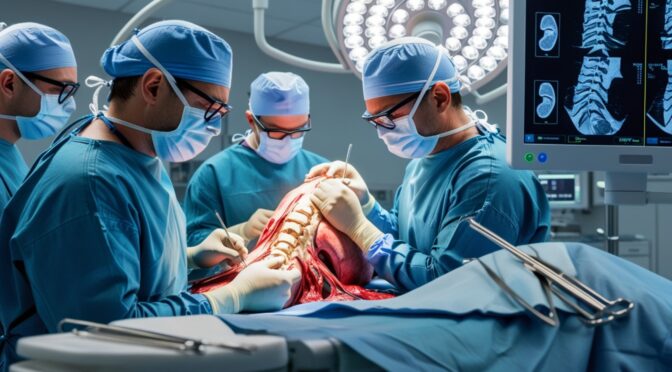
Understanding what happens during a laminectomy can help alleviate apprehension and prepare patients for the procedure. Typically performed under general anesthesia, the surgery involves making an incision in the back over the affected area of the spine. The surgeon then carefully removes the lamina to relieve pressure on the spinal cord or nerves.

The duration of the procedure can vary depending on the complexity of the case and the number of vertebrae involved. On average, a laminectomy takes between one to three hours. Throughout the surgery, advanced imaging techniques like X-rays or MRI are used to guide the surgeon and ensure precision.

Post-surgery, patients are moved to a recovery area where they are closely monitored as the anesthesia wears off. Pain management is a priority during this phase, with medications provided to keep discomfort at a minimum. Recovery in the hospital typically lasts one to three days, after which most patients can return home to continue their recuperation.

Recovery After Laminectomy Surgery

Recovery from laminectomy surgery varies among individuals, but most patients can expect a gradual return to normal activities over a period of weeks to months. Initially, there may be some pain and stiffness, but these symptoms usually improve as the healing process progresses. Following post-operative care instructions is crucial to ensure a smooth recovery.

Physical therapy is often recommended to help strengthen the back muscles and improve flexibility. These exercises are tailored to the patient’s specific needs and are gradually increased in intensity as healing occurs. It’s important to adhere to the therapy regimen to maximize the benefits of the surgery and prevent future issues.

Patients are advised to avoid heavy lifting, twisting, or other activities that could strain the back during the initial recovery phase. Listening to one’s body and taking plenty of rest are key components of an effective recovery strategy. Regular follow-up appointments with the healthcare provider are essential to monitor progress and address any concerns.

Pain Management and Rehabilitation

Effective pain management is a critical aspect of recovery after a laminectomy. Initially, prescription pain medications may be necessary to control discomfort, but the goal is to transition to over-the-counter options as soon as possible. This minimizes the risk of dependency and side effects associated with stronger medications.

Rehabilitation plays a vital role in regaining strength and mobility. A physical therapist will design a program tailored to the patient’s needs, focusing on exercises that enhance flexibility, stability, and core strength. These exercises help prevent future spinal issues and support overall recovery.

In addition to physical therapy, incorporating practices such as yoga or Pilates can further aid in rehabilitation by promoting gentle stretching and strengthening of the back muscles. It’s important to consult with healthcare providers before starting any new exercise regimen to ensure it aligns with the recovery plan and does not exacerbate any conditions.

Lifestyle Changes Post-Laminectomy

Adopting certain lifestyle changes after a laminectomy can support the healing process and promote long-term spinal health. Maintaining a healthy weight is crucial, as excess body weight can place additional stress on the spine. A balanced diet rich in nutrients supports overall health and aids in recovery.

Regular exercise, beyond rehabilitation, is essential to keep the back strong and flexible. Low-impact activities such as walking, swimming, or cycling are excellent choices that provide cardiovascular benefits without putting undue stress on the back. Building a routine that incorporates these activities helps maintain the improvements achieved through surgery.

Posture plays a significant role in spinal health, so being mindful of body alignment during daily activities is important. Ergonomic adjustments at workstations and using supportive furniture can prevent unnecessary strain on the back. By making these lifestyle changes, individuals can protect the spine and enhance their quality of life after surgery.

Frequently Asked Questions About Laminectomy

  1. How long does it take to fully recover from a laminectomy?
    • Recovery can vary, but most patients see significant improvement within six weeks. Full recovery may take several months, depending on individual circumstances and adherence to post-surgery care and rehabilitation.Will I need a spinal fusion along with my laminectomy?
    • In some cases, a spinal fusion may be recommended to stabilize the spine. This decision is based on factors such as the extent of spinal instability and the patient’s overall condition.
  2. Can I return to work after a laminectomy?
    • Most patients can return to work within a few weeks, depending on the nature of their job and how physically demanding it is. Light-duty work may be possible earlier, while more strenuous occupations may require additional recovery time.
  3. Are there alternatives to laminectomy?
    • Alternatives may include physical therapy, medications, or minimally invasive procedures. The best course of action depends on the specific condition and severity of symptoms, as determined by a healthcare professional.
  4. How successful is laminectomy surgery?
    • Laminectomy is generally successful in relieving pain and improving mobility. Success rates are high, especially when patients follow post-operative care and rehabilitation guidelines.

Conclusion

Understanding the intricacies of laminectomy surgery, from benefits and risks to recovery and lifestyle changes, is crucial for anyone considering this procedure. By relieving pain and improving quality of life, laminectomy offers a path to enhanced mobility and well-being. If you or someone you know is contemplating this surgery, taking the time to research and consult with medical professionals is essential.

If you’re experiencing chronic back pain and considering laminectomy surgery, reach out to a healthcare provider to discuss your options. Knowledge and preparation are key to making informed decisions about your health, ensuring the best possible outcomes.

Understanding Foraminotomy – A Comprehensive Guide to Relief from Nerve Compression

What is Foraminotomy?

Foraminotomy is a surgical procedure designed to relieve nerve compression in the spine. This process involves enlarging the foramina, which are the openings between the vertebrae through which nerve roots exit the spinal column. By widening these passages, foraminotomy alleviates pressure on the nerves, potentially reducing pain and restoring function.

As someone considering this procedure, it’s crucial to understand its purpose and how it fits into the broader context of spinal health. Foraminotomy is typically an option when other treatments for nerve compression, such as physical therapy or medications, have not provided adequate relief. The procedure can be performed on any part of the spine, including the cervical, thoracic, and lumbar regions, depending on where the nerve compression is occurring.

In this guide, we’ll delve into the specifics of foraminotomy, exploring its indications, the surgical process, possible risks, recovery expectations, and alternatives. By comprehensively understanding foraminotomy, you’ll be better equipped to decide whether it’s the right step for your health journey.

Understanding Nerve Compression

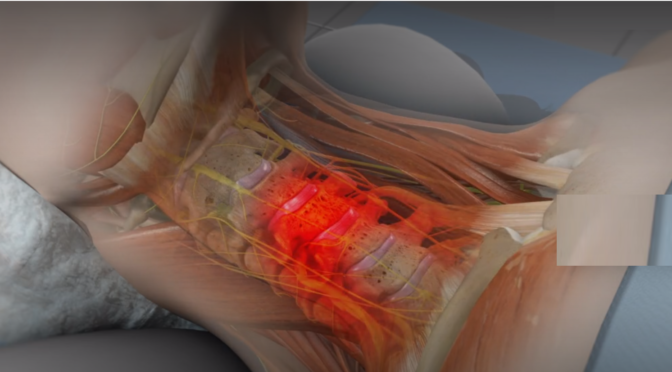
Nerve compression occurs when a nerve is pressed or pinched, often resulting in pain, numbness, or weakness. This can happen due to various reasons, including herniated discs, bone spurs, or degenerative changes in the spine. The symptoms typically depend on the location and severity of the compression.

The spine is a complex structure comprising vertebrae, discs, nerves, and various supporting tissues. When any of these components become misaligned or degenerate, they can encroach upon the space within the foramina, leading to nerve compression. This condition can significantly affect your quality of life, causing discomfort that may radiate to other parts of the body, like the arms or legs.

Understanding the mechanics of nerve compression is essential for recognizing when surgical intervention, such as foraminotomy, might be necessary. It’s not uncommon for patients to initially seek non-surgical treatments. However, when these methods fail, addressing the problem at its source through surgery can provide lasting relief.

Indications for Foraminotomy Surgery

Foraminotomy surgery is indicated for individuals experiencing symptoms of nerve compression that have not resolved with conservative treatments. These symptoms can include chronic pain, tingling, numbness, or muscle weakness. If these occur in specific areas like the arms or legs, it may suggest that the nerve roots emanating from the spine are compressed.

Before recommending foraminotomy, healthcare providers usually exhaust non-surgical options such as physical therapy, anti-inflammatory medications, or steroid injections. When these treatments prove ineffective, and the patient’s quality of life is significantly impacted, foraminotomy may be considered a viable solution.

Selecting candidates for this surgery involves a thorough evaluation, including imaging studies like MRI or CT scans, to confirm the presence and location of nerve compression. By understanding these indications, patients can have informed discussions with their healthcare providers about whether foraminotomy is the most appropriate course of action.

The Foraminotomy Procedure: A Step-by-Step Overview

1. Preoperative Preparation: Before the procedure, patients typically undergo several evaluations, including a detailed medical history and physical examination. Pre-surgical imaging helps in planning the surgery with precision. Patients are advised to stop taking certain medications that could affect bleeding and are instructed on fasting prior to surgery.

2. Anesthesia and Incision: Foraminotomy is usually performed under general anesthesia, ensuring the patient is asleep and pain-free during the procedure. The surgeon makes a small incision over the affected area of the spine, carefully moving aside muscles and tissues to access the spine.

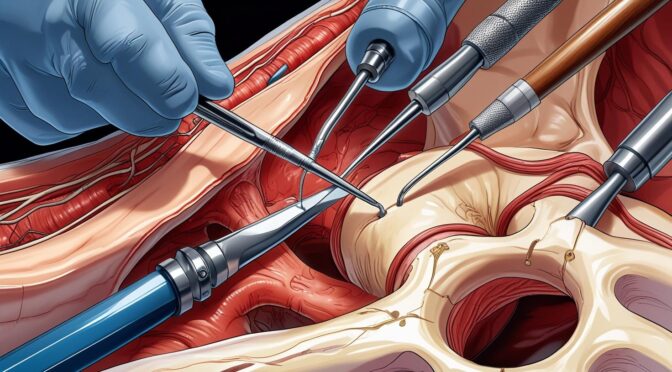
3. Enlarging the Foramen: Using specialized instruments, the surgeon removes bone or tissue obstructing the foramen, thus decompressing the nerve. This step requires precision and expertise to avoid damaging the nerve or spinal cord.

4. Closure and Recovery: Once the compression is relieved, the incision is closed with sutures or staples. The patient is then moved to a recovery area where they are monitored as the anesthesia wears off. Follow-up care includes instructions on activity restrictions and pain management.

Understanding this step-by-step process helps demystify the surgery, providing clarity on what to expect. This knowledge is empowering, allowing you to approach the procedure with confidence and peace of mind.

Risks and Complications Associated with Foraminotomy

As with any surgical procedure, foraminotomy carries certain risks and potential complications. While many patients experience significant relief, it’s important to be aware of these possibilities to make an informed decision.

1. Infection and Bleeding: Though rare, infections can occur at the surgical site. Proper post-operative care and hygiene are crucial to minimizing this risk. Bleeding is another possibility, though usually controlled during the procedure.

2. Nerve Damage: Although foraminotomy aims to relieve nerve impingement, there’s a slight risk of inadvertently damaging nerves during the surgery. Such damage could result in worsened symptoms or new neurological issues.

3. Recurrence of Symptoms: In some cases, symptoms may return if the underlying degenerative condition progresses or if new bone spurs develop. Regular follow-up and monitoring are essential to address any new issues promptly.

Understanding these risks allows you to weigh the benefits against potential complications, ensuring that your decision to undergo foraminotomy is well-considered and aligned with your health goals.

Recovery and Rehabilitation After Foraminotomy Surgery

Recovery from foraminotomy can vary depending on the individual’s overall health, the extent of the surgery, and adherence to post-operative care instructions. Typically, patients experience a gradual return to normal activities over several weeks.

1. Immediate Post-Operative Care: After surgery, you’ll be monitored in a recovery room until the effects of anesthesia diminish. Pain management is a priority, with medications provided to alleviate discomfort. You’ll receive specific instructions on wound care and physical activity limitations.

2. Physical Therapy and Rehabilitation: Engaging in a structured rehabilitation program is vital for a full recovery. Physical therapy focuses on strengthening and stabilizing the spine, improving flexibility, and gradually increasing activity levels to prevent future complications.

3. Long-Term Recovery: Full recovery can take several weeks to months. During this time, it’s important to follow your healthcare provider’s guidance, attend follow-up appointments, and report any concerns, such as persistent pain or neurological symptoms.

A comprehensive recovery plan not only ensures optimal healing but also maximizes the benefits of the surgery, helping you return to daily activities with renewed vigor and comfort.

Alternative Treatments for Nerve Compression

Before considering surgery, many patients explore alternative treatments for nerve compression. These non-surgical options can provide relief and may delay or eliminate the need for surgical intervention.

1. Physical Therapy: A customized physical therapy program can strengthen muscles, improve posture, and increase flexibility, potentially reducing nerve compression. Techniques such as stretching, strengthening exercises, and manual therapy are commonly employed.

2. Medications and Injections: Anti-inflammatory medications or corticosteroid injections can reduce swelling and alleviate pain. These treatments are often used in conjunction with physical therapy to provide short-term relief.

3. Lifestyle Modifications: Making changes to daily activities, such as improving ergonomics at work or adopting a regular exercise routine, can help manage symptoms. Weight management and smoking cessation are also beneficial in reducing spinal stress.

These alternatives offer valuable options for those not ready or eligible for surgery, providing pathways to manage symptoms and maintain a good quality of life.

Success Rates and Patient Outcomes of Foraminotomy

Foraminotomy has a high success rate, with many patients experiencing significant relief from symptoms and improved function. Success largely depends on the accuracy of the diagnosis and the skill of the surgical team.

1. Symptom Relief and Functionality: Most patients report a reduction in pain and a marked improvement in mobility and quality of life. Some studies indicate success rates as high as 80-90% for symptom relief post-surgery.

2. Long-Term Outcomes: Long-term benefits include sustained pain relief and a return to regular activities. However, ongoing management and lifestyle adjustments are crucial for maintaining these improvements.

3. Patient Satisfaction: Patient satisfaction is generally high, especially when realistic expectations are set and met. Open communication with your healthcare team ensures you understand the potential outcomes and are prepared for the recovery process.

Understanding these success metrics provides reassurance and hope, affirming foraminotomy as a viable solution for those suffering from nerve compression.

Frequently Asked Questions About Foraminotomy

1. Is foraminotomy a permanent solution? Foraminotomy can provide long-term relief, but underlying conditions like arthritis may continue to progress. Regular monitoring and lifestyle management are key to sustaining results.

2. How soon can I return to normal activities post-surgery? Recovery times vary, but most patients can resume light activities within a few weeks. Full recovery often takes several months, during which physical therapy plays a crucial role.

3. Are there any specific risks for older adults? While age can increase surgical risks, many older adults successfully undergo foraminotomy with positive outcomes. A thorough pre-surgical assessment helps mitigate age-related risks.

Conclusion: Is Foraminotomy the Right Choice for You?

Deciding whether foraminotomy is the right choice involves weighing the benefits of symptom relief against the potential risks and recovery time. This decision should be based on a comprehensive evaluation of your specific condition, symptoms, and overall health.

Consulting with a knowledgeable spine specialist is essential in this process. They can provide a personalized assessment, discuss alternatives, and help you understand what to expect from the surgery and recovery.

If you’re struggling with persistent nerve compression symptoms and other treatments have failed, foraminotomy could offer the relief you need. Embrace this opportunity to regain control of your life and restore your comfort and mobility.


Ready to take the next step? Contact us today to schedule a consultation with one of our spine specialists. Together, we’ll explore your options and find the best path to relief and recovery.

Understanding Discectomy: A Comprehensive Guide to Spine Surgery and Recovery

What is a Discectomy?

In the world of spine surgery, discectomy stands out as a common procedure aimed at relieving pain caused by herniated discs. But what exactly is a discectomy? At its core, a discectomy is a surgical intervention designed to remove part or all of a problematic spinal disc. This procedure primarily targets discs that have slipped or herniated, causing pressure on spinal nerves and leading to pain, numbness, or weakness.

When we talk about spinal discs, we’re referring to the cushion-like structures that sit between the vertebrae in our spine, acting as shock absorbers. A herniated disc occurs when the inner gel-like substance leaks out through a tear in the disc’s outer layer. This can result in significant discomfort, which is where a discectomy comes into play, offering much-needed relief and restoration of function.

Understanding the anatomy of the spine and the role of discs is crucial in appreciating the significance of a discectomy. The spinal column is a complex structure, and any disruption can impact the body significantly. Thus, when a discectomy is recommended, it’s often the result of careful consideration and diagnosis by a healthcare professional.

Indications for Discectomy

Deciding to undergo a discectomy is not a decision made lightly. There are specific indicators that suggest when this surgery might be necessary. Primarily, a discectomy is considered when conservative treatments, such as physical therapy, medication, or injections, fail to alleviate symptoms. This procedure is particularly beneficial for individuals experiencing severe back or leg pain, numbness, or weakness that interferes with daily activities.

One of the most common indications for a discectomy is sciatica, a condition characterized by pain that radiates along the path of the sciatic nerve. When a herniated disc compresses this nerve, a discectomy can provide significant relief. Additionally, if there is evidence of neurological deficits, such as loss of bladder or bowel control, immediate surgical intervention may be warranted.

It’s important to have a thorough discussion with a healthcare provider to understand if a discectomy is appropriate for your specific condition. Factors such as age, overall health, and the severity of symptoms will play a role in determining the best course of action.

The Discectomy Procedure Explained

The discectomy procedure itself is a meticulous process that requires precision and expertise. Typically performed under general anesthesia, the surgery involves making a small incision near the affected area of the spine. Using specialized instruments, the surgeon carefully removes the portion of the disc that is pressing on the nerve.

The goal of the procedure is to relieve nerve compression, which in turn alleviates pain and restores function. In some cases, the surgeon may opt for a microdiscectomy, a less invasive technique that uses a microscope to enhance visibility and precision. This approach often results in quicker recovery times and less postoperative discomfort.

Patients should be aware that while discectomy is generally safe, it is not without risks. However, the potential benefits, such as reduced pain and improved mobility, often outweigh the risks for those suffering from debilitating symptoms. Clear communication with the surgical team before and after the procedure is essential for a successful outcome.

Types of Discectomy Techniques

There are several discectomy techniques available, each tailored to address specific patient needs. The most common types include:

1.Open Discectomy: This traditional approach involves a larger incision and direct access to the spinal column. It provides the surgeon with a clear view of the affected area but may require a longer recovery period.

2.Microdiscectomy: As mentioned earlier, this minimally invasive technique uses a microscope to perform the surgery through a smaller incision. It is often preferred for its reduced recovery time and lower risk of complications.

3.Endoscopic Discectomy: This method involves using an endoscope to visualize and remove the herniated disc material. It’s one of the least invasive options and is typically associated with less postoperative pain.

    Choosing the right technique depends on various factors, including the location and severity of the herniated disc, the patient’s overall health, and the surgeon’s expertise. A thorough consultation with a spine specialist will help determine the most suitable approach for your condition.

    Risks and Potential Complications of Discectomy

    While discectomy is widely regarded as a safe and effective procedure, like any surgery, it carries certain risks and potential complications. Understanding these risks is crucial for making an informed decision.

    Common Risks:

    • Infection: Despite sterile techniques, there is always a risk of infection at the surgical site.
    • Bleeding: While minimal bleeding is expected, excessive bleeding can occur in rare cases.
    • Nerve Damage: Although uncommon, there is a risk of injury to the surrounding nerves during the procedure.

    Potential Complications:

    • Recurrent Herniation: In some cases, the disc may herniate again, necessitating additional treatment.
    • Chronic Pain: Some patients may continue to experience pain despite successful surgery.
    • Dural Tear: A tear in the dura mater (the outer membrane of the spinal cord) can lead to cerebrospinal fluid leakage.

    It’s essential to discuss these risks and complications with your surgeon to gauge the likelihood of occurrence based on your specific situation. Surgeons take every precaution to minimize these risks, ensuring the best possible outcome for their patients.

    Recovery Process After Discectomy

    Recovering from a discectomy is a gradual process that requires patience and adherence to postoperative guidelines. Most patients can expect to spend a short time in the hospital following the procedure, with discharge typically occurring within a day or two.

    Initial Recovery:

    • Pain Management: Pain is managed with medications prescribed by the healthcare team.
    • Mobility: Early mobilization is encouraged, often within hours of surgery, to promote healing and prevent complications.
    • Wound Care: Proper care of the surgical site is crucial to prevent infection.

    Long-term Recovery:

    • Physical Therapy: Engaging in a structured physical therapy program helps restore strength and flexibility.
    • Activity Restrictions: Lifting heavy objects and strenuous activities should be avoided for several weeks.
    • Follow-up Appointments: Regular follow-up visits with the surgeon ensure the recovery process is on track.

    Recovery timelines can vary based on individual factors, but most patients return to normal activities within 6 to 8 weeks. Adhering to medical advice and engaging in recommended exercises significantly contributes to a successful recovery.

    Post-operative Care and Rehabilitation

    Effective post-operative care and rehabilitation are pivotal to achieving optimal outcomes after discectomy. A well-structured rehabilitation program is tailored to address the individual’s specific needs and promote healing.

    Key Components of Rehabilitation:

    • Physical Therapy: A licensed therapist will guide exercises to improve strength, flexibility, and posture.
    • Pain Management: Continued use of prescribed medications or alternative therapies, such as massage, may be recommended.
    • Lifestyle Modifications: Incorporating ergonomic practices at work and home can prevent future strain on the spine.

    Tips for Successful Rehabilitation:

    • Consistency: Adhering to the rehabilitation plan is crucial for recovery.
    • Communication: Keep open lines of communication with the healthcare team regarding any concerns or setbacks.
    • Patience: Recovery is a journey, and progress may be gradual.

    Commitment to rehabilitation not only expedites recovery but also reduces the risk of future spinal issues. With the right support and dedication, patients can regain their quality of life and return to daily activities with confidence.

    Alternative Treatments to Discectomy

    For those who may not be ideal candidates for discectomy or prefer to explore non-surgical options first, several alternative treatments are available:

    1.Physical Therapy: A tailored exercise program can strengthen the muscles supporting the spine and alleviate pain.

    2.Chiropractic Care: Spinal manipulation by a qualified chiropractor may provide relief for some individuals.

    3.Pain Management: Medications, such as non-steroidal anti-inflammatory drugs (NSAIDs) or corticosteroid injections, can reduce inflammation and discomfort.

      Additionally, holistic approaches like acupuncture or yoga may benefit those seeking complementary therapies. It’s essential to discuss these alternatives with a healthcare provider to ensure they are suitable and safe for your specific condition.

      Frequently Asked Questions About Discectomy

      1. How long does the surgery take?

      Typically, a discectomy procedure lasts between 1 to 2 hours, depending on the complexity of the case.

      2. Will I need to wear a brace after surgery?

      In some cases, a brace may be recommended to support the spine during the initial recovery phase. This decision is made on a case-by-case basis.

      3. Can I drive after surgery?

      Driving is usually not advised immediately after surgery. Patients should wait until they are no longer taking narcotic pain medications and feel comfortable behind the wheel.

      4. Is the relief from pain immediate?

      Many patients experience relief from pain soon after surgery, but complete recovery may take several weeks to months.

      5. What are the chances of a successful outcome?

      The success rate of discectomy is generally high, with many patients experiencing significant improvement in symptoms.

      Conclusion: Is Discectomy the Right Choice for You?

      Deciding to undergo a discectomy is a significant decision that requires careful consideration of the potential benefits and risks. This procedure has helped countless individuals regain their quality of life by alleviating pain and restoring function. However, it’s crucial to engage in an open dialogue with your healthcare provider to determine if discectomy is the most appropriate option for your specific condition.

      In conclusion, understanding the intricacies of discectomy, from the procedure itself to the recovery process, empowers patients to make informed decisions about their health. Whether you choose surgery or explore alternative treatments, prioritizing your well-being and adhering to medical advice is paramount.

      For those contemplating discectomy, I encourage you to seek a consultation with a qualified spine specialist. They can provide a comprehensive evaluation and discuss the most suitable treatment plan tailored to your needs. Remember, the journey to recovery is personal, and taking the first step is often the most challenging yet rewarding decision.

      If you are experiencing persistent back pain or have been diagnosed with a herniated disc, don’t hesitate to reach out to a spine specialist today. Early intervention can make a significant difference in your quality of life. Schedule a consultation to explore your options and take the first step towards a pain-free future.

      Laminoplasty: A Comprehensive Guide to Understanding the Procedure and Its Benefits

      What is Laminoplasty?

      Laminoplasty is a surgical procedure that involves reshaping or repositioning the lamina, a part of the vertebra in the spine. This technique is primarily aimed at relieving pressure on the spinal cord or nerves caused by conditions such as spinal stenosis. By expanding the spinal canal, laminoplasty alleviates symptoms like pain, numbness, or weakness, thereby improving the patient’s quality of life.

      The concept of laminoplasty originated in Japan and has been adapted globally due to its effectiveness and minimally invasive nature compared to traditional laminectomy. Unlike laminectomy, where a part of the vertebra is removed, laminoplasty involves creating a “hinge” to open the spinal canal, offering structural stability and reducing post-surgical complications. This innovative method is particularly beneficial for patients requiring decompression but who wish to maintain the integrity of their spinal structure.

      In understanding laminoplasty, it’s crucial to recognize its role in modern spinal surgery. Its adaptability to different regions of the spine and the potential for fewer complications make it a preferred option for many surgeons and patients alike. As we explore further, the specific reasons for opting for laminoplasty will become clearer.

      The Purpose of Laminoplasty Surgery

      The primary purpose of laminoplasty surgery is to relieve pressure on the spinal cord and nerves. This pressure often occurs due to spinal stenosis, a condition where the spinal canal narrows, leading to discomfort and potential neurological issues. By expanding the spinal canal, laminoplasty effectively alleviates these symptoms, allowing patients to regain mobility and decrease pain.

      Laminoplasty also aims to preserve the stability and integrity of the spine. While traditional laminectomy involves removing parts of the vertebra, which can lead to instability, laminoplasty maintains the spinal column’s structure. This preservation minimizes the risk of post-operative complications and reduces the need for additional surgeries, making it a preferable option for those with specific spinal issues.

      The procedure is particularly beneficial for individuals who have not responded well to conservative treatments such as physical therapy or medications. When these treatments fail to provide relief, laminoplasty emerges as a viable and effective surgical solution, offering long-term benefits and improving the patient’s overall quality of life.

      Indications for Laminoplasty

      Laminoplasty is indicated for several conditions that lead to spinal canal narrowing. These include cervical myelopathy, ossification of the posterior longitudinal ligament (OPLL), and multilevel cervical spondylotic myelopathy. Patients experiencing persistent symptoms like neck pain, numbness, or coordination difficulties may find laminoplasty a suitable intervention.

      Furthermore, individuals with degenerative spine disorders that have not responded to non-surgical treatments may benefit from laminoplasty. Conditions such as herniated discs or bone spurs can contribute to nerve compression, and laminoplasty provides a method to alleviate these issues without compromising spinal stability. Surgeons often recommend this procedure when other surgical options pose a higher risk of complications or when preserving the spine’s structural integrity is crucial.

      It’s important for patients to undergo comprehensive diagnostic evaluations, including imaging studies like MRI or CT scans, to determine the appropriateness of laminoplasty. These evaluations help identify the specific areas of compression and guide surgeons in tailoring the procedure to the patient’s unique spinal anatomy. Ultimately, laminoplasty offers a targeted approach to addressing complex spinal conditions.

      The Laminoplasty Procedure: Step-by-Step

      The laminoplasty procedure is a meticulous and detail-oriented surgery designed to address specific spinal cord compression issues. Here’s a step-by-step overview of how the procedure is typically performed:

        1. Preparation: The patient is placed under general anesthesia to ensure comfort and immobility during the procedure. The surgical site is then sterilized to prevent infection.

        2. Incision and Exposure: A midline incision is made along the affected area of the spine. The muscles and soft tissues are carefully retracted to expose the lamina, the bony part of the vertebra that covers the spinal canal.

        3. Hinge Creation: Using specialized instruments, the surgeon creates a “hinge” on one side of the lamina. This involves making a partial cut that allows the lamina to be lifted, much like opening a door.

        4. Expansion: The lamina is gently lifted to expand the spinal canal. Small metal plates or grafts may be used to maintain the new position of the lamina, ensuring that the spinal cord has adequate space and reducing pressure.

        5. Closure: Once the desired decompression is achieved, the incision is closed with sutures or staples. A dressing is applied to protect the area and promote healing.

          This procedure typically lasts several hours, depending on the complexity and the number of levels being addressed. Throughout the surgery, precision is paramount to ensure the spinal cord and surrounding structures are not damaged, leading to a successful outcome.

          Benefits of Laminoplasty Compared to Other Treatments

          Laminoplasty offers several advantages over other surgical treatments for spinal conditions. One of the primary benefits is its ability to preserve the structural integrity of the spine. Unlike laminectomy, which involves removing parts of the vertebra, laminoplasty maintains the bone, reducing the risk of post-surgical spinal instability.

          Another significant benefit is the reduced likelihood of complications. By preserving the lamina and avoiding extensive bone removal, patients experience fewer issues related to spinal alignment and movement. This results in a more stable recovery process and a lower chance of needing additional surgeries, making laminoplasty a cost-effective option in the long term.

          Patients undergoing laminoplasty often experience quicker recovery times and improved outcomes compared to other procedures. The minimally invasive nature of the surgery means less disruption to surrounding tissues, leading to reduced pain and faster rehabilitation. Additionally, the preservation of spinal motion segments contributes to a more natural range of motion post-surgery, enhancing the overall quality of life for patients.

          Risks and Complications of Laminoplasty Surgery

          As with any surgical procedure, laminoplasty carries potential risks and complications. These can include infection, bleeding, or adverse reactions to anesthesia. However, with proper surgical techniques and post-operative care, these risks are minimized, ensuring a safe and effective procedure.

          Another potential complication is nerve damage or incomplete decompression, which can result in persistent symptoms or new neurological issues. Surgeons must exercise precision and skill to avoid causing harm to the spinal cord or surrounding nerves during the operation. Patients should discuss these risks with their healthcare provider to fully understand the potential outcomes and set realistic expectations for recovery.

          In rare cases, patients may experience complications related to the hardware used to secure the lamina in its new position. This can include hardware failure or displacement, necessitating revision surgery. Regular follow-ups with the surgical team can help identify and address any issues early on, ensuring optimal long-term results.

          Recovery and Rehabilitation After Laminoplasty

          Recovery from laminoplasty involves a comprehensive rehabilitation program tailored to the patient’s needs. Immediately after surgery, patients are typically monitored in a hospital setting to ensure there are no immediate complications. Pain management is a priority, with medications prescribed to alleviate discomfort and facilitate healing.

          Once discharged, patients begin a structured rehabilitation program that includes physical therapy. This therapy is designed to improve mobility, strengthen muscles, and promote spinal alignment. Exercises are gradually introduced to increase flexibility and endurance, aiding in the overall recovery process. Consistent participation in physical therapy is crucial for achieving the best outcomes.

          Patients are advised to avoid strenuous activities and heavy lifting during the initial recovery period. Adhering to the surgeon’s guidelines and attending follow-up appointments are essential for tracking progress and addressing any concerns. With diligence and commitment to rehabilitation, most patients can expect a significant improvement in symptoms and a return to normal activities within a few months.

          Patient Testimonials and Success Stories

          Many patients who undergo laminoplasty report significant improvements in their quality of life. One common theme in testimonials is the relief from chronic pain and the ability to return to daily activities. For instance, John, a 55-year-old man with cervical myelopathy, shared how laminoplasty enabled him to resume his passion for hiking without experiencing debilitating pain.

          Another success story comes from Lisa, a 62-year-old woman who struggled with numbness and weakness due to spinal stenosis. After undergoing laminoplasty, she regained full sensation in her limbs and expressed gratitude for the procedure’s life-changing impact. Her story highlights the potential for laminoplasty to restore function and enhance independence.

          These testimonials underscore the procedure’s effectiveness and the transformative experiences of those who have chosen laminoplasty. While individual results may vary, the positive outcomes shared by patients across different backgrounds offer hope and encouragement for those considering the surgery.

          Alternatives to Laminoplasty Surgery

          While laminoplasty is a highly effective treatment for certain spinal conditions, there are alternative options that may be suitable for some patients. These alternatives include:

          1. Laminectomy: This procedure involves removing part of the vertebra to relieve pressure on the spinal cord. Although it can be effective, it may result in spinal instability, making it less desirable for some patients.

          2. Spinal Fusion: Often performed in conjunction with other surgeries, spinal fusion involves permanently connecting two or more vertebrae. While it can stabilize the spine, it limits motion and may not be ideal for all patients.

          3. Non-Surgical Treatments: For patients with mild symptoms, conservative treatments such as physical therapy, medications, or epidural injections may be sufficient. These options aim to manage symptoms without surgery but may not provide long-term relief for severe cases.

            Patients should engage in thorough discussions with their healthcare providers to explore these alternatives and determine the best course of action based on their specific condition and lifestyle needs.

            Conclusion: Is Laminoplasty Right for You?

            Deciding whether laminoplasty is the right option involves careful consideration of various factors, including the severity of symptoms, overall health, and lifestyle goals. As we’ve explored, laminoplasty offers numerous benefits, from preserving spinal integrity to providing lasting relief from pain and neurological issues.

            If you’re experiencing persistent symptoms that have not responded to conservative treatments, laminoplasty may be a viable solution. Consulting with a skilled spinal surgeon is crucial for understanding the procedure’s potential impact and ensuring it aligns with your health objectives.

            Ultimately, the decision to undergo laminoplasty should be made collaboratively with your healthcare team, taking into account your unique circumstances and aspirations. If you’re ready to explore the possibilities offered by laminoplasty, we encourage you to reach out to a qualified specialist and embark on the journey towards improved spinal health and enhanced quality of life.


            Ready to take the next step? Contact us today to schedule a consultation and learn more about how laminoplasty can transform your life.

            Understanding Spondylolisthesis: A Comprehensive Guide to Its Meaning and Impact

            Understanding Spondylolisthesis: Definition and Overview

            Spondylolisthesis is a complex medical condition that involves the displacement of one vertebra over another. This term, derived from the Greek words “spondylo,” meaning spine, and “listhesis,” meaning slippage, is crucial for understanding how our spinal column can be affected by various factors. As we delve into the spondylolisthesis meaning, it becomes clear that this condition can significantly influence an individual’s spinal health.

            In the context of spinal disorders, spondylolisthesis is not just about physical discomfort but also about understanding the underlying mechanisms that cause vertebral slippage. The vertebrae, which are the bones forming the spine, should ideally be aligned perfectly. However, in spondylolisthesis, the misalignment can lead to significant issues, including nerve compression, which can manifest in various symptoms.

            For those seeking to comprehend the spondylolisthesis meaning, it is essential to grasp not only the definition but also the broader implications. Understanding this condition can help in recognizing early signs and symptoms, facilitating timely intervention and management. This overview sets the stage for a deeper exploration of causes, symptoms, and treatment options that can influence the quality of life of those affected.

            Causes of Spondylolisthesis

            Spondylolisthesis can result from numerous causes, each contributing differently to the condition’s onset. Among the most prevalent causes is congenital spondylolisthesis, where individuals are born with a defect in the vertebra that predisposes them to slippage. Understanding these congenital elements is vital for identifying individuals at risk from an early age.

            Another significant cause is acquired spondylolisthesis, often due to degenerative changes in the spine. As people age, the wear and tear on spinal structures can lead to conditions such as arthritis, which can weaken the vertebrae and their supporting structures. This degeneration increases the likelihood of vertebral slippage, particularly in the lower back, where stress and movement are most pronounced.

            Trauma and injury can also play a critical role in developing spondylolisthesis. High-impact activities or accidents can cause fractures or stress fractures in the vertebrae, leading to instability and eventual slippage. Recognizing these traumatic causes is crucial for implementing protective measures and reducing the risk of spondylolisthesis, especially in athletes or individuals engaged in physically demanding activities.

            Symptoms and Diagnosis of Spondylolisthesis

            Identifying the symptoms of spondylolisthesis is essential for timely diagnosis and management. Common signs include lower back pain, which can range from mild discomfort to severe pain that hinders daily activities. This pain often intensifies with movement and can extend to the thighs or buttocks, indicating nerve involvement due to vertebral slippage.

            In addition to pain, individuals with spondylolisthesis may experience symptoms such as muscle tightness, weakness, or numbness in the legs. These neurological symptoms arise from nerve compression, which occurs when the displaced vertebrae exert pressure on the spinal nerves. A comprehensive understanding of these symptoms can guide clinicians in distinguishing spondylolisthesis from other spinal disorders.

            Diagnosis typically involves a combination of physical examination and imaging studies. X-rays are crucial in visualizing the extent of vertebral slippage, while MRI or CT scans provide detailed views of the spinal structures and nerve involvement. Early and accurate diagnosis is vital for devising an effective treatment plan that addresses both the symptoms and the underlying cause of spondylolisthesis.

            Types of Spondylolisthesis

            Spondylolisthesis can be classified into several types, each with distinct characteristics and implications. The most common type is isthmic spondylolisthesis, which occurs when a defect in the pars interarticularis, a small segment of bone connecting the facet joints, leads to slippage. This type is often seen in younger individuals and can be linked to repetitive stress activities.

            Degenerative spondylolisthesis is another prevalent type, primarily affecting older adults. This type arises from age-related changes in the spine, such as disc degeneration and ligament laxity, which lead to vertebral instability. Recognizing the signs of degenerative spondylolisthesis is crucial for implementing appropriate interventions to manage symptoms and prevent progression.

            Less common types include traumatic and pathological spondylolisthesis. Traumatic spondylolisthesis results from acute injury or trauma that causes vertebral fractures, while pathological spondylolisthesis is associated with diseases such as tumors or infections that weaken the spinal structures. Understanding these types can aid in tailoring specific treatment strategies to address the unique aspects of each condition.

            Treatment Options for Spondylolisthesis

            Managing spondylolisthesis involves a range of treatment options tailored to the severity of the condition and the individual’s specific needs. Conservative treatments are often the first line of defense, focusing on relieving symptoms and improving function. These may include physical therapy to strengthen the core and back muscles, reducing stress on the spine and enhancing stability.

            Medications, such as nonsteroidal anti-inflammatory drugs (NSAIDs), can be effective in alleviating pain and inflammation associated with spondylolisthesis. In some cases, epidural steroid injections may be recommended to provide targeted relief from nerve irritation. Understanding these pharmacological options is crucial for achieving symptom control and improving quality of life.

            For individuals with severe spondylolisthesis or those who do not respond to conservative treatment, surgical intervention may be necessary. Surgical options, such as spinal fusion or decompression, aim to stabilize the spine and relieve nerve pressure. It is essential to weigh the benefits and risks of surgery carefully, as well as to consider the potential impact on long-term mobility and function.

            Impact of Spondylolisthesis on Daily Life

            Living with spondylolisthesis can significantly impact an individual’s daily life, affecting both physical and emotional well-being. The chronic pain and discomfort associated with this condition can limit mobility and hinder the ability to perform everyday tasks, leading to decreased independence and quality of life.

            In addition to physical limitations, the psychological impact of spondylolisthesis should not be underestimated. Chronic pain can lead to feelings of frustration, anxiety, and depression, further complicating the management of the condition. Understanding the emotional aspects is crucial for providing comprehensive care and support to individuals affected by spondylolisthesis.

            Despite these challenges, many individuals with spondylolisthesis can successfully manage their condition with appropriate treatment and lifestyle modifications. By adopting a proactive approach to care, including regular exercise, weight management, and adherence to medical recommendations, individuals can maintain their quality of life and continue to engage in activities they enjoy.

            Preventive Measures for Spondylolisthesis

            Prevention plays a vital role in mitigating the risk of developing spondylolisthesis, particularly for individuals predisposed to the condition. One effective preventive strategy is maintaining a healthy lifestyle that includes regular exercise and a balanced diet. Engaging in physical activities that strengthen the core and back muscles can enhance spinal stability and reduce the risk of vertebral slippage.

            Proper body mechanics and ergonomics are also crucial in preventing spondylolisthesis. Learning to lift objects safely, maintaining good posture, and using supportive equipment can minimize stress on the spine and prevent injury. For those involved in sports or physically demanding activities, using protective gear and practicing safe techniques can further reduce the risk.

            Regular medical check-ups and early intervention are essential components of a preventive strategy. By identifying potential risk factors and addressing them promptly, individuals can reduce the likelihood of developing spondylolisthesis or prevent its progression. Awareness and education about the condition are fundamental in encouraging proactive management and prevention.

            Living with Spondylolisthesis: Tips and Resources

            Living with spondylolisthesis requires a multifaceted approach to manage symptoms and maintain a fulfilling lifestyle. One effective strategy is developing a personalized exercise routine that focuses on strengthening the core and back muscles. Consulting with a physical therapist can provide valuable guidance in creating a safe and effective program tailored to individual needs.

            In addition to physical activity, adopting stress-management techniques can be beneficial in coping with the emotional aspects of spondylolisthesis. Practices such as yoga, meditation, and deep breathing exercises can help reduce stress and promote relaxation, contributing to overall well-being.

            Accessing resources and support networks can also be invaluable for individuals living with spondylolisthesis. Online forums, support groups, and educational materials can provide information, encouragement, and a sense of community. Sharing experiences and learning from others can empower individuals to take control of their condition and improve their quality of life.

            Frequently Asked Questions about Spondylolisthesis

            1. What is the main cause of spondylolisthesis?
            Spondylolisthesis can result from various causes, including congenital defects, degenerative changes, trauma, and pathological conditions. Each cause contributes differently to the condition’s onset and progression.

            2. How is spondylolisthesis diagnosed?
            Diagnosis typically involves a combination of physical examination and imaging studies, such as X-rays, MRI, or CT scans. These tools help visualize the extent of vertebral slippage and assess nerve involvement.

            3. Is surgery necessary for spondylolisthesis?
            Surgery is not always necessary and is typically considered for severe cases or when conservative treatments are ineffective. Surgical options aim to stabilize the spine and relieve nerve pressure.

            4. Can spondylolisthesis be prevented?
            While not all cases can be prevented, maintaining a healthy lifestyle, practicing proper body mechanics, and engaging in regular exercise can reduce the risk of developing spondylolisthesis.

            5. What are the long-term effects of living with spondylolisthesis?
            Long-term effects can vary but may include chronic pain, limited mobility, and potential emotional impacts. With appropriate management and lifestyle adjustments, individuals can maintain a good quality of life.

            Conclusion: Emphasizing Awareness and Management

            Understanding the meaning and impact of spondylolisthesis is crucial for effective management and improving quality of life. By recognizing the causes, symptoms, and treatment options, individuals can make informed decisions about their care and take proactive steps to manage the condition. Awareness and education are key to preventing spondylolisthesis and ensuring those affected receive the support and resources they need.

            As we conclude this comprehensive guide, I encourage you to take control of your spinal health by staying informed, seeking medical advice when necessary, and adopting preventive measures. If you or someone you know is affected by spondylolisthesis, reach out to healthcare professionals for guidance and support. Together, we can raise awareness and promote effective management of this condition

            Call to Action: If you suspect you may have symptoms of spondylolisthesis or are seeking more information, consult with a healthcare provider to explore your options. Early intervention can make a significant difference in managing your spinal health. Stay proactive and informed; your well-being is worth it.

            Understanding Thoracic Outlet Syndrome: Symptoms, Causes, and Treatment Options

            What is Thoracic Outlet Syndrome?

            Thoracic Outlet Syndrome (TOS) is a condition that arises when blood vessels or nerves in the thoracic outlet—the space between your collarbone and your first rib—become compressed. This compression can lead to a variety of symptoms, which can often be debilitating. Understanding the mechanics of TOS is crucial for identifying symptoms and seeking appropriate medical intervention.

            TOS is generally classified into three main types: neurogenic, venous, and arterial. Neurogenic TOS, which accounts for the majority of cases, involves compression of the brachial plexus, a network of nerves that sends signals from the spinal cord to the shoulder, arm, and hand. Venous TOS involves the subclavian vein, leading to symptoms such as swelling and discoloration, while arterial TOS affects the subclavian artery, potentially causing cold sensitivity and paleness in the arm.

            The diagnosis of TOS can be challenging due to its varied presentation. Many patients may not realize that their symptoms are connected to a singular underlying issue, as TOS can mimic other conditions. It’s essential for individuals experiencing unexplained symptoms in the upper body to consult healthcare professionals for a thorough evaluation.

            Common Symptoms of Thoracic Outlet Syndrome

            The symptoms of Thoracic Outlet Syndrome can vary significantly depending on the type, but they generally involve pain, discomfort, and impaired function in the affected areas. Common symptoms include:

            • Pain and Tingling: Many individuals report a tingling sensation or pain in the neck, shoulder, and arm. This discomfort can be exacerbated by certain positions or activities, such as lifting or reaching overhead.
            • Weakness: Muscle weakness is a prevalent symptom, particularly in the hands. This can lead to difficulty in performing tasks requiring fine motor skills.
            • Swelling and Discoloration: In cases of venous TOS, swelling and a blueish discoloration may occur in the arm, signaling impaired blood flow.

            These symptoms can have a significant impact on daily activities, making it crucial to recognize and address them promptly. Misdiagnosis or delayed treatment can lead to worsening symptoms and a decrease in quality of life.

            Causes and Risk Factors of Thoracic Outlet Syndrome

            The etiology of Thoracic Outlet Syndrome is multifaceted, involving both anatomical and lifestyle factors. Anatomical abnormalities, such as an extra rib or tight fibrous bands, can predispose individuals to TOS by increasing the likelihood of nerve or vessel compression. These structural variations can be congenital or develop over time due to repetitive stress.

            Lifestyle factors also play a significant role in the development of TOS. Individuals engaged in occupations or sports that require repetitive arm or shoulder movements are at a higher risk. For example, athletes such as swimmers or painters who frequently use overhead motions may experience symptoms due to the repetitive strain placed on the thoracic outlet.

            Moreover, poor posture can exacerbate the condition. Sitting or standing with hunched shoulders and a forward head posture can contribute to the compression of nerves and vessels. Awareness and modification of these risk factors can be an integral part of both prevention and management.

            How Thoracic Outlet Syndrome is Diagnosed

            Diagnosing Thoracic Outlet Syndrome can be complex due to the overlap of symptoms with other neurological or vascular conditions. A comprehensive evaluation by a healthcare professional is essential to differentiate TOS from other potential causes of pain and dysfunction.

            The diagnostic process typically begins with a detailed medical history and physical examination. During the examination, a healthcare provider may conduct several tests to assess nerve and blood vessel function in the affected area. These may include:

            • Adson’s Test: This test evaluates the compression of the subclavian artery by having the patient turn their head and take a deep breath, monitoring for changes in pulse.
            • Wright’s Test: This test involves moving the arm into specific positions to assess for changes in symptoms or pulse.

            Imaging studies such as X-rays, MRI, or CT scans may be utilized to identify anatomical abnormalities that could contribute to the condition. Additionally, nerve conduction studies or electromyography (EMG) may be performed to evaluate nerve function.

            Treatment Options for Thoracic Outlet Syndrome

            The treatment of Thoracic Outlet Syndrome typically involves a combination of conservative measures and, in some cases, surgical intervention. The primary goal of treatment is to relieve compression on the affected nerves or blood vessels, thereby alleviating symptoms and restoring function.

            Conservative treatment options often include physical therapy, which focuses on improving posture, strengthening muscles, and increasing flexibility. Specific exercises may be prescribed to target the muscles around the thoracic outlet, enhancing support and reducing strain.

            In addition to physical therapy, pain management strategies such as medication or injections may be recommended to control symptoms. Nonsteroidal anti-inflammatory drugs (NSAIDs) or muscle relaxants can help reduce pain and inflammation, while corticosteroid injections may provide temporary relief for severe symptoms.

            For individuals who do not respond to conservative treatment, surgical intervention may be considered. The decision to pursue surgery is typically based on the severity of symptoms and the presence of underlying anatomical abnormalities that are unlikely to improve with non-surgical measures.

            Physical Therapy and Rehabilitation for Thoracic Outlet Syndrome

            Physical therapy plays a pivotal role in the management of Thoracic Outlet Syndrome. A targeted rehabilitation program can help alleviate symptoms, improve function, and prevent recurrence. The focus of physical therapy is on correcting posture, strengthening muscles, and enhancing flexibility.

            Postural exercises are a cornerstone of physical therapy for TOS. These exercises aim to correct any imbalances and promote proper alignment of the shoulders and spine. Patients are taught to maintain a neutral shoulder position and avoid slouching, which can exacerbate compression of the thoracic outlet.

            Strengthening exercises target the muscles of the upper back, shoulders, and chest. By improving muscle strength and endurance, patients can better support the thoracic outlet and reduce the risk of compression. Stretching exercises are also important, as they enhance flexibility and alleviate tightness in the surrounding muscles.

            Regular sessions with a physical therapist, combined with a commitment to a home exercise program, can lead to significant improvements in symptoms and overall function. Patients are encouraged to actively participate in their rehabilitation to achieve optimal outcomes.

            Surgical Interventions for Thoracic Outlet Syndrome

            In cases where conservative treatment fails to provide relief, surgical intervention may be necessary to address Thoracic Outlet Syndrome. Surgery aims to remove the cause of compression, thereby alleviating symptoms and preventing long-term complications.

            Several surgical options are available, and the choice of procedure depends on the specific type of TOS and the underlying anatomical abnormalities. Common surgical interventions include:

            • First Rib Resection: This procedure involves the removal of the first rib to relieve pressure on the nerves and blood vessels.
            • Scalenectomy: This involves the removal of one or more of the scalene muscles, which may be contributing to compression.
            • Clavicle Repositioning: In some cases, repositioning or removing part of the clavicle can alleviate symptoms.

            Surgery for TOS is generally considered when symptoms are severe and significantly impact quality of life. It is important for patients to discuss the potential risks and benefits of surgery with their healthcare provider to make an informed decision. Recovery from surgery typically involves a period of rehabilitation to restore strength and function.

            Coping Strategies and Lifestyle Changes

            Living with Thoracic Outlet Syndrome can be challenging, but adopting certain coping strategies and lifestyle changes can help manage symptoms and improve quality of life. Awareness and adaptation are key components of successful management.

            Ergonomic adjustments in the workplace or home environment can minimize strain on the thoracic outlet. For instance, ensuring that workstations are set up to promote good posture, with computer screens at eye level and chairs that provide adequate support, can reduce the risk of exacerbating symptoms.

            Incorporating regular breaks and stretching exercises into daily routines can also be beneficial. Simple activities such as shoulder rolls, neck stretches, and arm circles can help alleviate tension and promote circulation. Additionally, maintaining a healthy lifestyle, including regular exercise, a balanced diet, and stress management techniques, can contribute to overall well-being.

            Support from healthcare providers, family, and friends is invaluable. Joining support groups or connecting with others who have TOS can provide emotional support and practical advice for managing the condition.

            Preventive Measures for Thoracic Outlet Syndrome

            Preventing Thoracic Outlet Syndrome involves minimizing risk factors and adopting habits that promote musculoskeletal health. While some risk factors, such as anatomical abnormalities, cannot be changed, many lifestyle modifications can reduce the likelihood of developing TOS.

            Key preventive measures include:

            • Maintaining Good Posture: Proper posture reduces strain on the neck and shoulder area, decreasing the likelihood of compression. Awareness of posture during daily activities is essential.
            • Regular Exercise: Engaging in exercises that strengthen the back, shoulders, and chest can enhance muscle support and flexibility. This helps prevent the development of muscular imbalances.
            • Avoiding Repetitive Strain: Limiting repetitive overhead activities and ensuring proper technique when lifting or carrying objects can prevent undue stress on the thoracic outlet.

            Education and awareness are crucial components of prevention. Individuals should be informed about the signs and symptoms of TOS, as early detection can lead to more effective management and reduce the risk of chronic issues.

            Conclusion: Understanding and Managing Thoracic Outlet Syndrome

            Thoracic Outlet Syndrome is a complex condition that requires a comprehensive approach to diagnosis and treatment. By understanding the symptoms, causes, and available treatment options, individuals are better equipped to seek appropriate care and make informed decisions about their health.

            Management of TOS often involves a combination of lifestyle modifications, physical therapy, and, in some cases, surgical intervention. With proper treatment and coping strategies, individuals can reduce symptoms and improve their quality of life.

            If you suspect you may be experiencing symptoms of Thoracic Outlet Syndrome, I encourage you to consult with a healthcare professional for a thorough evaluation. Early intervention can make a significant difference in managing this condition effectively. Remember, you don’t have to navigate this journey alone—support and resources are available to help you every step of the way. Are you or someone you know struggling with symptoms of Thoracic Outlet Syndrome? Don’t wait for symptoms to worsen. Reach out to a healthcare professional today to start your journey toward relief and recovery. Stay informed, stay proactive, and take charge of your health.

            Understanding Spinal Stenosis: Causes, Symptoms, and Treatment Options

            What is Spinal Stenosis?

            Spinal stenosis is a condition characterized by the narrowing of spaces within the spine, which can exert pressure on the nerves traveling through the spine. This condition can occur in any part of the spine, but it is most commonly found in the lower back and the neck. As someone living with spinal stenosis, understanding its nature is crucial for managing its effects on daily life.

            The spine is a complex structure composed of bones, muscles, ligaments, and nerves. When the spinal canal narrows, it can lead to a range of symptoms, from mild discomfort to severe pain. Often, this narrowing is gradual and occurs over time, making early detection and management essential for preventing further complications.

            For us, knowing the intricacies of spinal stenosis helps in identifying symptoms and seeking timely medical intervention. Equipped with this knowledge, we can make informed decisions regarding treatment options and lifestyle adjustments that may alleviate symptoms and improve quality of life.

            Causes of Spinal Stenosis

            Several factors contribute to the development of spinal stenosis. One of the primary causes is degenerative changes due to aging. As we age, our bones and ligaments can thicken or enlarge, leading to a narrowing of the spinal canal. This natural progression can be exacerbated by conditions such as arthritis, which can further impact the spine’s structural integrity.

            Herniated discs are another common cause. Discs that act as cushions between our vertebrae may dry out and crack with age, allowing the inner material to escape and press on the spinal cord or nerves. Additionally, the formation of bone spurs, often due to osteoarthritis, can lead to further narrowing of the spinal canal.

            In some cases, spinal stenosis may result from congenital spinal deformities or conditions such as scoliosis. Understanding these various causes allows us to identify risk factors and adopt preventive measures, such as maintaining a healthy lifestyle and seeking regular medical evaluations.

            Common Symptoms of Spinal Stenosis

            Recognizing the symptoms of spinal stenosis is vital for early diagnosis and treatment. Common symptoms include pain, numbness, tingling, and muscle weakness. These symptoms generally occur in the back, neck, arms, or legs, depending on the affected area of the spine.

            Pain associated with spinal stenosis can vary from mild to severe and may worsen with activities such as walking or standing for extended periods. In more advanced cases, individuals might experience balance issues, making it challenging to maintain stability while walking or performing daily tasks.

            We should be vigilant about these symptoms and seek medical advice if they persist or worsen. Early intervention can significantly improve outcomes and prevent further complications, enhancing our overall well-being and mobility.

            Diagnosing Spinal Stenosis

            Diagnosing spinal stenosis involves a comprehensive approach that includes a medical history review, physical examination, and diagnostic imaging. During a medical history review, healthcare providers gather information about symptoms, duration, and intensity, as well as any previous spinal issues or treatments.

            Physical examinations assess mobility, reflexes, and muscle strength, helping to pinpoint areas of concern. These evaluations are often supplemented by imaging tests such as X-rays, MRIs, or CT scans, which provide detailed views of the spine’s structure and can identify areas of narrowing.

            These diagnostic tools are invaluable for confirming the presence of spinal stenosis and determining its severity. By collaborating with healthcare professionals, we can develop a tailored treatment plan that addresses the specific needs of our condition.

            Treatment Options for Spinal Stenosis

            A variety of treatment options are available for managing spinal stenosis, ranging from conservative measures to surgical interventions. Conservative treatments typically include physical therapy, medications, and lifestyle modifications aimed at reducing pain and improving function.

            Physical therapy focuses on strengthening the muscles supporting the spine, enhancing flexibility, and improving balance. Medications, such as non-steroidal anti-inflammatory drugs (NSAIDs) or corticosteroid injections, can help alleviate pain and inflammation. Lifestyle modifications, including weight management and posture improvement, can also play a significant role in symptom management.

            In cases where conservative treatments are insufficient, surgical options may be considered. Procedures like laminectomy or spinal fusion can relieve pressure on the spinal cord or nerves, providing long-term relief. By exploring these options with our healthcare team, we can select the most appropriate course of action to enhance our quality of life.

            Lifestyle Changes to Manage Spinal Stenosis

            Adopting lifestyle changes can significantly impact the management of spinal stenosis. Regular exercise tailored to individual abilities and limitations is beneficial for maintaining flexibility, strength, and endurance. Activities such as swimming, walking, or yoga are generally gentle on the spine while promoting overall health.

            Maintaining a healthy weight is crucial, as excess body weight can place additional stress on the spine, exacerbating symptoms. A balanced diet rich in nutrients supports bone health and can aid in weight management, contributing to overall well-being.

            Furthermore, ergonomic adjustments in everyday activities, such as using supportive chairs or practicing proper lifting techniques, can minimize strain on the spine. By integrating these lifestyle changes, we can manage symptoms more effectively and improve our daily functioning.

            Surgical vs. Non-Surgical Treatment Approaches

            The decision between surgical and non-surgical treatment approaches for spinal stenosis depends on various factors, including the severity of symptoms and the effectiveness of conservative treatments. Non-surgical approaches are often preferred initially, given their lower risk and potential for symptom management without invasive procedures.

            Surgical interventions are typically considered when non-surgical methods fail to provide relief or if there is a risk of significant nerve damage. Surgical procedures aim to decompress the spinal cord or nerves, alleviating pain and improving function. While surgery carries inherent risks, advancements in techniques have improved outcomes and recovery times.

            For us, weighing the pros and cons of each approach in consultation with healthcare professionals will guide us toward the best decision for our individual circumstances. By understanding both options, we can make informed choices that prioritize our health and quality of life.

            Recovery and Rehabilitation from Spinal Stenosis

            Recovery and rehabilitation from spinal stenosis vary depending on the treatment approach and individual factors. Post-treatment, whether surgical or non-surgical, rehabilitation focuses on restoring function, reducing pain, and preventing future complications.

            Physical therapy plays a pivotal role in rehabilitation, offering exercises tailored to our specific needs and abilities. These exercises aim to strengthen muscles, improve flexibility, and enhance balance, contributing to overall recovery. Additionally, pain management strategies, such as medications or alternative therapies, may be incorporated to alleviate discomfort.

            Adhering to a structured rehabilitation plan is essential for achieving optimal outcomes. Regular follow-up appointments with healthcare providers allow for monitoring progress and making necessary adjustments to the rehabilitation program. By actively participating in recovery, we can maximize our potential for a successful outcome and return to our daily activities.

            Frequently Asked Questions about Spinal Stenosis

            1. Can spinal stenosis be prevented?

            While spinal stenosis cannot always be prevented, adopting a healthy lifestyle, including regular exercise and maintaining a healthy weight, can reduce the risk and slow its progression.

            2. Is spinal stenosis a progressive condition?

            Spinal stenosis can be progressive, particularly if left untreated. Early intervention and management can help mitigate its progression and alleviate symptoms.

            3. Are there alternative therapies for spinal stenosis?

            Yes, alternative therapies such as acupuncture, chiropractic care, or massage may provide symptom relief for some individuals. However, these should complement, not replace, conventional treatments.

            Conclusion

            Understanding spinal stenosis is crucial for effectively managing its symptoms and improving our quality of life. By recognizing the causes, symptoms, and available treatment options, we can take proactive steps toward maintaining spinal health. Whether through lifestyle changes, conservative treatments, or surgical interventions, a comprehensive approach tailored to our unique needs will empower us to live life to the fullest.

            If you or a loved one is experiencing symptoms of spinal stenosis, I encourage you to seek medical advice promptly. Early diagnosis and intervention can make a significant difference in managing this condition effectively. Take the first step towards better spinal health today and consult with a healthcare professional to explore your options.

            Transforming Pain Management: The Benefits of Spinal Cord Stimulation

            What is Spinal Cord Stimulation?

            Spinal cord stimulation (SCS) is an innovative medical procedure that offers hope to individuals experiencing chronic pain. It involves the use of a device implanted near the spinal cord, which sends electrical impulses to interfere with pain signals before they reach the brain. By altering these signals, SCS can significantly reduce the perception of pain.

            Understanding what spinal cord stimulation is can be a game-changer for those who have tried other treatments with limited success. The technology has been around since the 1960s, but advancements in the field have made it more effective and accessible. As a result, many patients who were once reliant on medications or invasive surgeries now have a viable alternative.

            For anyone considering this therapy, it’s essential to consult with a healthcare professional who can provide detailed information tailored to their specific condition. Knowing the basics of spinal cord stimulation is the first step in making an informed decision about its potential benefits.

            How Does Spinal Cord Stimulation Work?

            At its core, spinal cord stimulation works by delivering low-voltage electrical signals to the spinal cord. These signals are generated by a small device implanted under the skin, usually in the lower back. The device includes a pulse generator and leads (thin wires) that carry the electrical pulses to the spinal cord.

            The electrical pulses modify how pain signals are transmitted to the brain. Instead of feeling pain, patients often experience a tingling sensation known as paresthesia. This sensation can mask the pain, providing relief that can be adjusted to meet the individual’s needs. The intensity and frequency of the electrical pulses can be controlled via a handheld remote, allowing patients to tailor their therapy.

            It’s important to note that while SCS doesn’t eliminate the source of pain, it significantly alters the experience of pain. This method of pain management is particularly beneficial for individuals with conditions that have not responded well to other treatments.

            Benefits of Spinal Cord Stimulation in Pain Management

            The benefits of spinal cord stimulation in pain management are numerous and can be life-changing for many patients. One of the primary advantages is the reduction in reliance on opioid medications, which can have numerous side effects and potential for addiction. SCS offers a non-pharmacological approach that can provide significant relief without the risks associated with long-term medication use.

            Another benefit is the improvement in quality of life. Chronic pain can be debilitating, affecting every aspect of daily living. By managing pain more effectively through spinal cord stimulation, patients often report improved ability to perform everyday tasks, enhanced mood, and better sleep quality. This holistic improvement can lead to greater overall satisfaction in life.

            Moreover, spinal cord stimulation is reversible, which is a significant advantage over more invasive surgical options. If a patient finds that the therapy is not effective or if they experience any adverse effects, the device can be removed without permanent changes to the spinal cord or surrounding tissues.

            Conditions Treated with Spinal Cord Stimulation

            Spinal cord stimulation is used to treat a variety of chronic pain conditions. It is particularly effective for neuropathic pain, which arises from nerve damage. Conditions such as complex regional pain syndrome (CRPS), failed back surgery syndrome (FBSS), and peripheral neuropathies are commonly treated with SCS.

            In addition to these, SCS can be beneficial for patients suffering from ischemic pain, a type of pain that results from reduced blood supply to a region of the body. This includes conditions like angina pectoris and peripheral vascular disease. By alleviating pain, SCS can improve mobility and overall function in these patients.

            It’s essential for individuals to consult with their healthcare providers to determine if their specific condition is suitable for spinal cord stimulation. Personalized evaluation ensures that the therapy is applied to those who are most likely to benefit from it.

            The Spinal Cord Stimulation Procedure: What to Expect

            The spinal cord stimulation procedure typically involves two stages: a trial phase and a permanent implantation phase. During the trial phase, temporary leads are placed near the spinal cord to test the effectiveness of the stimulation. This phase generally lasts one to two weeks and helps both the patient and doctor assess whether SCS will provide adequate pain relief.

            If the trial is successful, the next step is the permanent implantation of the device. This outpatient procedure is performed under local anesthesia, and the permanent leads and pulse generator are implanted. Patients can usually return home the same day, with most resuming normal activities within a few weeks.

            It’s important for patients to follow post-operative care instructions carefully, including managing any discomfort and attending follow-up appointments. These steps ensure optimal healing and adjustment to the device, setting the stage for effective long-term pain management.

            Risks and Considerations of Spinal Cord Stimulation

            Like any medical procedure, spinal cord stimulation comes with potential risks and considerations. Some patients may experience complications such as infection, bleeding, or device malfunction. It’s crucial to discuss these risks with a healthcare provider to fully understand the potential outcomes.

            Another consideration is the adjustment period. Patients may need time to find the right settings for their device, which can initially involve trial and error. Regular follow-up with a healthcare provider helps to fine-tune the therapy for maximum benefit.

            Finally, SCS may not be suitable for everyone. Individuals with certain medical conditions or those who have not responded to the trial phase may be advised against permanent implantation. A thorough evaluation and candid discussion with a healthcare provider will help determine the best course of action.

            Spinal Cord Stimulation vs. Traditional Pain Management Methods

            When comparing spinal cord stimulation to traditional pain management methods, several distinctions emerge. Traditional methods often involve medications, physical therapy, and sometimes surgery. While these can be effective, they may not provide long-term relief for everyone, especially those with severe or chronic pain.

            One of the key advantages of SCS over traditional methods is its ability to provide targeted pain relief without the systemic effects of oral medications. This localized approach minimizes side effects and offers a sustainable pain management solution for many patients.

            Moreover, spinal cord stimulation is adaptable. The device settings can be adjusted to meet changing pain conditions, offering a level of flexibility not found in many traditional treatments. This adaptability can lead to more consistent and effective pain management over time.

            Success Stories: Real-Life Experiences with Spinal Cord Stimulation

            Numerous patients have shared their success stories with spinal cord stimulation, highlighting its transformative impact on their lives. One common theme is the significant reduction in pain levels, allowing individuals to regain control over their day-to-day activities without the constant burden of discomfort.

            Many patients also report a reduction in their reliance on pain medications, which not only improves their physical health but also enhances their mental well-being. The ability to engage in social activities, pursue hobbies, and maintain employment are other frequently mentioned benefits.

            These real-life experiences underscore the potential for spinal cord stimulation to change the trajectory of chronic pain management. While results can vary, hearing firsthand accounts can provide hope and inspiration for those considering this treatment option.

            Finding a Specialist for Spinal Cord Stimulation

            Finding a qualified specialist is a critical step in exploring spinal cord stimulation. Patients should seek out board-certified pain management specialists or neurosurgeons with experience in SCS procedures. These professionals can provide comprehensive evaluations and guide patients through the decision-making process.

            When choosing a specialist, it’s important to consider their experience, patient reviews, and the range of services offered. Some specialists may provide access to the latest SCS technology, while others may have particular expertise in specific pain conditions.

            A consultation with a specialist will help determine whether spinal cord stimulation is appropriate and what a patient can expect throughout their treatment journey. Open communication and a willingness to answer questions are key indicators of a qualified and supportive healthcare provider.

            Conclusion: The Future of Pain Management with Spinal Cord Stimulation

            As we look to the future, spinal cord stimulation represents a promising frontier in pain management. Its ability to provide targeted, adjustable relief makes it a versatile tool for combating chronic pain. With ongoing advancements in technology and technique, the effectiveness and accessibility of SCS are likely to continue improving.

            For those suffering from chronic pain, spinal cord stimulation offers hope and a potential pathway to a more fulfilling life. By working closely with healthcare professionals, patients can explore this innovative option and determine if it aligns with their pain management goals. If you’re considering spinal cord stimulation or want to learn more about how it can transform your approach to pain management, reach out to a specialist today. Discover the possibilities that this cutting-edge therapy can offer and take the first step towards a pain-free future.

            Understanding Chronic Headaches: Causes, Symptoms, and Effective Management Strategies

            What Are Chronic Headaches?

            Chronic headaches are often misunderstood and can significantly impact one’s daily life. They are defined as headaches occurring on 15 or more days a month for over three months. It is important to distinguish them from occasional headaches, as their persistent nature often requires a different approach to management and treatment.

            There are various types of chronic headaches, with the most common being chronic migraines and chronic tension-type headaches. Each type may manifest distinct symptoms and triggers, necessitating personalized treatment plans. Understanding the specific nature of your chronic headaches is the first step toward effective management.

            Living with chronic headaches can be debilitating, affecting both personal and professional life. The condition can lead to missed workdays and a decrease in productivity, not to mention the emotional and physical toll it takes. By understanding the nature of chronic headaches, we can better manage and, in some cases, reduce their frequency and intensity.

            Common Causes of Chronic Headaches

            Identifying what causes chronic headaches is crucial for effective treatment. Common culprits include stress, dehydration, poor posture, and lack of sleep. In many cases, lifestyle factors play a significant role in the development of chronic headaches, making it essential to address these underlying issues.

            Other potential causes include hormonal changes, particularly in women, and environmental factors such as exposure to bright lights or loud noises. Additionally, certain foods and beverages, including alcohol and caffeine, can trigger chronic headaches in susceptible individuals. Keeping a headache diary can help identify these triggers and inform better management strategies.

            In some instances, chronic headaches may be a symptom of underlying health conditions. Conditions like high blood pressure, sinusitis, or even more severe issues like brain tumors can cause persistent headaches. It is imperative to work closely with healthcare professionals to rule out such conditions and ensure that the headaches are not a sign of something more serious.

            Symptoms Associated with Chronic Headaches

            Chronic headaches often present with a variety of symptoms, which can vary depending on the type of headache. Common symptoms include a consistent dull ache, throbbing pain, and pressure around the forehead or back of the head. Some individuals may also experience neck or shoulder pain in conjunction with their headaches.

            Additional symptoms can include nausea, sensitivity to light or sound, and fatigue. These symptoms can exacerbate the headache experience, making it challenging to perform daily activities. For those experiencing chronic migraines, aura symptoms such as visual disturbances may also occur.

            Understanding the full scope of symptoms is crucial for effective diagnosis and treatment. By recognizing these symptoms early, individuals can seek appropriate medical advice and begin implementing management strategies that alleviate their discomfort and improve their quality of life.

            The Link Between Chronic Neck Pain and Headaches

            Chronic neck pain and headaches often coexist, with each condition potentially exacerbating the other. This link is primarily due to the interconnectedness of muscles and nerves in the neck and head region. Poor posture, especially during long hours at a desk, can lead to muscle tension in the neck, which may trigger headaches.

            Tension headaches, a common type of chronic headache, are frequently associated with neck pain. The tension in the neck and shoulder muscles can lead to pain that radiates to the head, resulting in a headache. Addressing the root cause of neck pain, such as improving posture or engaging in physical therapy, can significantly reduce the frequency of related headaches.

            In some cases, chronic neck pain might be a symptom of cervical spine issues, such as herniated discs or arthritis. These conditions require medical evaluation and treatment to alleviate both neck pain and associated headaches. Understanding the relationship between neck pain and headaches is vital for developing a comprehensive treatment plan.

            Diagnosing Chronic Headaches: What to Expect

            Diagnosing chronic headaches involves a thorough evaluation of symptoms and medical history. When visiting a healthcare provider, expect to discuss the frequency, duration, and characteristics of your headaches. It’s helpful to bring a headache diary, noting triggers, symptoms, and any medications taken.

            The diagnostic process may include physical and neurological examinations to rule out other conditions. In some cases, imaging tests such as MRI or CT scans may be necessary to identify any underlying causes. These tests help ensure that the headaches are not symptomatic of more serious health issues.

            Accurate diagnosis is essential for effective treatment. By understanding the specific type of chronic headache you have, healthcare providers can recommend appropriate management strategies. This personalized approach increases the likelihood of reducing headache frequency and improving your overall quality of life.

            Effective Management Strategies for Chronic Headaches

            Managing chronic headaches often requires a multifaceted approach. Effective strategies typically involve a combination of lifestyle modifications, medication, and alternative therapies. Identifying and avoiding headache triggers is a crucial first step in reducing their frequency and severity.

            Stress management techniques such as meditation, yoga, or mindfulness practices can be beneficial in preventing stress-induced headaches. Regular exercise and maintaining a healthy diet also play a role in managing chronic headaches. Engaging in these activities promotes overall well-being and reduces the likelihood of headache occurrences.

            In addition to lifestyle changes, medications can be an essential component of headache management. Both over-the-counter and prescription medications may be used, depending on the severity and type of headache. Consulting with a healthcare provider is essential to determine the most effective treatment plan for your specific situation.

            Lifestyle Changes to Alleviate Chronic Headaches

            Implementing lifestyle changes can significantly alleviate the burden of chronic headaches. Ensuring adequate hydration is critical, as dehydration is a common headache trigger. Aim for at least eight glasses of water daily and increase intake during hot weather or physical activity.

            Sleep hygiene is another vital aspect of headache management. Prioritize a regular sleep schedule, ensuring 7-9 hours of restful sleep each night. Creating a calming bedtime routine and minimizing screen time before bed can improve sleep quality and reduce headache frequency.

            Dietary adjustments can also make a difference. Identifying and avoiding food triggers, such as processed foods, artificial sweeteners, and caffeine, is crucial. Incorporating a balanced diet rich in fruits, vegetables, and whole grains supports overall health and can help mitigate headache triggers.

            Over-the-Counter and Prescription Medications for Chronic Headaches

            Medications play a significant role in the management of chronic headaches. Over-the-counter options like ibuprofen, aspirin, or acetaminophen can provide relief for mild headaches. However, frequent use can lead to medication-overuse headaches, so it’s important to use these sparingly.

            For more severe cases, prescription medications might be necessary. Preventive medications such as beta-blockers, antidepressants, or antiepileptic drugs can reduce headache frequency. Triptans and ergotamines are often prescribed for acute migraine relief, providing more targeted treatment options.

            It’s crucial to work with a healthcare provider to determine the most appropriate medication regimen. They can help monitor the effectiveness of prescribed treatments and make adjustments as needed. Combining medication with lifestyle changes often yields the best results in managing chronic headaches.

            When to Seek Professional Help for Chronic Headaches

            While many people manage chronic headaches with lifestyle changes and over-the-counter medications, there are times when professional help is necessary. If headaches are persistent, increasing in severity, or accompanied by unusual symptoms, it’s essential to consult a healthcare provider.

            Warning signs that require immediate medical attention include sudden, severe headaches, headaches following head injury, or those accompanied by neurological symptoms like vision changes, confusion, or difficulty speaking. These could indicate more serious conditions that need urgent evaluation.

            Seeking professional help ensures a comprehensive evaluation and appropriate treatment plan. Healthcare providers can offer guidance on advanced treatment options, including physical therapy, cognitive behavioral therapy, or even specialized headache clinics. Taking control of chronic headaches often requires professional support, ensuring a more manageable and fulfilling life.

            Conclusion: Living with Chronic Headaches

            Living with chronic headaches can be challenging, but with the right strategies, it is possible to manage and improve your quality of life. Understanding the causes and symptoms of chronic headaches is the first step toward effective management. By implementing lifestyle changes, utilizing medications wisely, and seeking professional guidance when necessary, you can reduce the impact of chronic headaches on your daily life.

            Remember, you are not alone in this journey. Many resources and support networks are available to help you navigate the challenges of living with chronic headaches. Don’t hesitate to reach out to healthcare providers or support groups to share experiences and gain insights from others facing similar issues.

            Call to Action If you or a loved one is struggling with chronic headaches, take the first step towards relief by consulting with a healthcare professional. Explore lifestyle changes and treatment options that can help manage your symptoms and improve your quality of life. Remember, managing chronic headaches is a journey, and with the right support and strategies, you can find relief and regain control.

            Nerve Block Injection: A Comprehensive Guide to Pain Management and Recovery

            Understanding Nerve Block Injection

            Nerve block injections are a crucial tool in modern pain management, serving as a method to alleviate chronic pain and improve the quality of life for countless individuals. Essentially, a nerve block injection involves the administration of medication directly into or around a nerve or group of nerves, effectively interrupting pain signals that are being transmitted to the brain. This procedure is particularly beneficial for individuals dealing with persistent pain conditions that have not responded well to other treatment options.

            In my experience, nerve block injections are commonly used for conditions such as arthritis, migraines, and complex regional pain syndrome, among others. The precise application and type of nerve block used depend on the location and cause of the pain. The overarching aim is to provide significant relief, allowing patients to return to their daily activities with minimal discomfort.

            By understanding the basics of nerve block injections, patients can make informed decisions regarding their pain management options. It is crucial to have a comprehensive grasp of how these injections work, what to expect during the procedure, and how they fit into the broader context of pain management strategies.

            The Purpose and Benefits of Nerve Block Injections

            The primary purpose of nerve block injections is to provide effective pain relief by disrupting the transmission of pain signals to the brain. This can be especially valuable for those suffering from chronic pain who have found limited relief through traditional medications or therapies. The benefits of nerve block injections extend beyond mere pain reduction, contributing to an overall enhancement in the quality of life.

            One of the key benefits of nerve block injections is their ability to target specific areas of pain. This precision minimizes the systemic effects often associated with oral pain medications, thereby reducing potential side effects. Additionally, nerve block injections can provide rapid relief, which is particularly beneficial for acute pain episodes or flare-ups of chronic conditions.

            Moreover, nerve block injections can play a role in diagnosing the source of pain. By temporarily alleviating pain in a specific area, healthcare providers can determine whether the target nerve or group of nerves is the primary source of discomfort. This diagnostic capability is invaluable in tailoring personalized treatment plans for patients.

            Types of Nerve Block Injections

            There are several types of nerve block injections, each tailored to address specific pain conditions. The choice of injection type depends on the location of the pain and the underlying condition being treated. Understanding the various types can help patients and healthcare providers select the most appropriate treatment option.

            1. Peripheral Nerve Blocks: These are used to target specific nerves outside the spinal column, often for conditions like migraines or localized injuries. They are frequently employed in outpatient settings and can provide immediate pain relief.
            2. Spinal Nerve Blocks: These injections are administered near the spinal cord and are commonly used for back or neck pain. They can also be beneficial for conditions affecting the lower extremities, such as sciatica.
            3. Sympathetic Nerve Blocks: These focus on the sympathetic nervous system and are utilized for conditions like complex regional pain syndrome. By targeting this part of the nervous system, they help alleviate pain and improve circulation.

            Each type of nerve block injection has its specific use cases and potential benefits. By collaborating with healthcare providers, patients can determine which option is best suited for their individual needs.

            The Nerve Block Injection Procedure

            The nerve block injection procedure is typically straightforward but requires precision and expertise from the healthcare provider. Understanding the steps involved can help alleviate any anxiety patients may feel about the process and allow them to focus on the benefits.

            Initially, the patient will undergo a thorough assessment to determine the most appropriate type of nerve block for their condition. This may involve imaging studies such as X-rays or MRIs to pinpoint the exact location of the pain. Once a plan is established, the procedure can proceed.

            During the injection, the patient is usually positioned comfortably, and the skin over the injection site is cleaned and sterilized. A local anesthetic may be used to numb the area, ensuring minimal discomfort during the injection. Using imaging guidance such as ultrasound or fluoroscopy, the healthcare provider carefully inserts the needle and administers the medication. The entire process typically takes less than 30 minutes.

            After the procedure, patients are usually monitored for a short period to ensure there are no immediate adverse reactions. Most individuals can resume normal activities soon after, although specific instructions may be provided based on the type of nerve block administered.

            What to Expect During Recovery

            Recovery from a nerve block injection varies depending on the type of injection received and the individual’s overall health. However, most patients experience immediate pain relief, which can last from several hours to several months, depending on the medication used and the condition being treated.

            In the immediate aftermath of the procedure, some patients may experience temporary numbness or weakness in the area surrounding the injection site. This is a normal reaction and typically resolves within a few hours. It is important to follow any post-procedure instructions provided by the healthcare provider to ensure optimal recovery.

            Patients should also be aware of potential side effects, such as mild soreness or bruising at the injection site. These symptoms are generally short-lived and manageable with over-the-counter pain relievers. However, if any unusual or severe symptoms occur, it is essential to contact a healthcare provider promptly.

            By understanding what to expect during recovery, patients can better prepare themselves and take the necessary steps to enhance their healing process. This knowledge empowers individuals to make the most of their nerve block injections and maximize their pain relief.

            Potential Risks and Side Effects

            While nerve block injections are considered safe and effective, they are not without potential risks and side effects. It is important for patients to be fully informed about these possibilities to make well-rounded decisions about their pain management.

            Common side effects include temporary numbness, weakness, or soreness at the injection site. These symptoms are generally mild and resolve quickly. In rare cases, more serious complications may occur, such as infection, bleeding, or nerve damage. The risk of these complications is minimized by choosing a qualified and experienced healthcare provider.

            Patients should also be aware of potential allergic reactions to the medications used in nerve block injections. Although rare, these reactions can occur and may require immediate medical attention. It is crucial to discuss any known allergies or previous adverse reactions with the healthcare provider before the procedure.

            Understanding the potential risks and side effects allows patients to weigh the benefits of nerve block injections against the possible drawbacks. This knowledge fosters informed decision-making and ensures that patients are prepared for all outcomes.

            Comparing Nerve Block Injections to Other Pain Management Techniques

            Nerve block injections are just one of many available pain management techniques. Comparing them to other methods can provide valuable insights into their effectiveness and suitability for different individuals and conditions.

            One common alternative to nerve block injections is oral pain medication. While medications can be effective for managing pain, they often come with systemic side effects and the potential for dependency. Nerve block injections, on the other hand, offer targeted relief with fewer systemic effects, making them a safer option for many patients.

            Physical therapy is another popular pain management technique. This approach focuses on improving mobility and strengthening muscles to alleviate pain. While effective for certain conditions, physical therapy may not provide immediate relief like nerve block injections can. However, combining both methods can often yield the best results.

            By comparing nerve block injections to other pain management techniques, patients can determine which approach aligns best with their needs and preferences. This comparison highlights the unique benefits and limitations of each method, enabling patients to make informed choices about their treatment plans.

            Who Can Benefit from Nerve Block Injections?

            Nerve block injections can benefit a wide range of individuals suffering from various pain conditions. Understanding who can benefit from these injections can help patients and healthcare providers decide if this treatment is appropriate.

            Individuals with chronic pain conditions such as arthritis, migraines, or back pain are often ideal candidates for nerve block injections. These injections can provide significant relief, allowing patients to engage in daily activities with less discomfort. Additionally, those who have not found relief through traditional medications or therapies may find nerve block injections to be an effective alternative.

            Athletes or individuals recovering from injuries may also benefit from nerve block injections. By targeting specific nerves, these injections can help manage pain and facilitate a quicker return to physical activity. This targeted approach can be particularly beneficial for those who wish to avoid systemic medications that may hinder their performance.

            Ultimately, the decision to pursue nerve block injections should be made collaboratively between the patient and healthcare provider. By considering the individual’s unique needs and circumstances, a personalized treatment plan can be developed to achieve the best possible outcomes.

            Frequently Asked Questions About Nerve Block Injections

            To provide further clarity on nerve block injections, it is helpful to address some frequently asked questions. These answers can assist patients in understanding the procedure and setting realistic expectations.

            1. How long does the pain relief from a nerve block injection last?

            The duration of pain relief varies depending on the medication used and the individual’s response to the treatment. Relief can last from a few hours to several months. Discussing this with a healthcare provider can provide a more personalized timeline.

            2. Are nerve block injections painful?

            Most patients report minimal discomfort during the procedure. A local anesthetic is often used to numb the area, and the injection process is typically quick. Some soreness may occur afterward but is usually manageable.

            3. Can I drive myself home after a nerve block injection?

            It is generally recommended to have someone drive you home after the procedure, as some temporary numbness or weakness may occur. Your healthcare provider can give specific advice based on your individual situation.

            Addressing these common questions helps demystify the nerve block injection process and ensures that patients are well-informed and prepared for their treatment.

            Conclusion: Is a Nerve Block Injection Right for You?

            Deciding whether a nerve block injection is the right choice for you involves careful consideration of your pain management needs and consultation with a healthcare provider. These injections offer targeted pain relief, minimal side effects, and can be an effective alternative to traditional medications or therapies.

            By understanding the procedure, benefits, and potential risks, you can make an informed decision about incorporating nerve block injections into your pain management plan. Remember, each individual’s situation is unique, and what works for one person may not be suitable for another.

            If you’re considering nerve block injections, I encourage you to discuss your options with a qualified healthcare provider. By exploring all available treatment avenues, you can find the most effective strategy for managing your pain and improving your quality of life.

            Take the Next Step in Pain Management

            If you’re struggling with chronic pain and considering nerve block injections, reach out to a healthcare professional today to discuss your options. Together, we can develop a personalized plan that addresses your unique needs and helps you reclaim your daily activities with confidence.

            Pain Management: A Comprehensive Guide

            Pain is an inevitable part of the human experience, manifesting in various forms and intensities. From minor aches to debilitating conditions, understanding pain and its management is crucial for improving quality of life. This article delves into the different types of pain, effective management strategies, and the role of healthcare professionals in navigating pain relief.

            What is Pain Management?

            Pain management refers to the multidisciplinary approach to alleviating chronic pain and improving the overall quality of life for individuals suffering from various pain conditions. It encompasses a range of techniques and therapies aimed at reducing pain levels, enhancing functionality, and addressing the psychological aspects of pain.

            The Importance of Pain Management

            Effective pain management is essential for several reasons:

            • Enhances Quality of Life: By alleviating pain, individuals can engage more fully in daily activities and enjoy life.
            • Reduces Dependence on Medications: Proper management strategies can minimize reliance on pharmaceutical interventions, which often come with side effects.
            • Improves Mental Health: Chronic pain is often linked to anxiety and depression. Effective management can alleviate these symptoms and promote emotional well-being.
            • Facilitates Recovery: For those recovering from surgery or injury, effective pain management can speed up the healing process.

            Types of Pain Management

            Understanding the different types of pain is vital for determining the most effective management strategies. Pain can be classified into several categories, each requiring unique treatment approaches.

            1. Acute Pain

            Acute pain is typically short-lived and often results from specific injuries or medical conditions. It serves as a warning signal, indicating that something is wrong in the body.

            • Causes: Common causes include surgery, fractures, burns, or any traumatic injury.
            • Duration: Usually lasts for a few minutes to several weeks.
            • Treatment Options: Treatment may involve over-the-counter medications like acetaminophen and ibuprofen, physical therapy, or, in some cases, prescription opioids.

            2. Chronic Pain

            Chronic pain persists beyond the expected period of healing, often lasting for six months or longer. It can be a complex condition, affecting both physical and mental health.

            • Causes: Chronic pain may result from conditions such as arthritis, fibromyalgia, or neuropathy.
            • Impact on Life: It can significantly impair daily functioning and lead to emotional distress.
            • Management Strategies: Treatment may include a combination of medications, physical therapy, cognitive-behavioral therapy, and lifestyle modifications.

            3. Neuropathic Pain

            Neuropathic pain arises from damage to the nervous system, often described as a burning or shooting sensation.

            • Common Conditions: Conditions such as diabetes, multiple sclerosis, or shingles can lead to neuropathic pain.
            • Symptoms: Patients may experience tingling, numbness, or heightened sensitivity to touch.
            • Therapeutic Approaches: Management may include anticonvulsants, antidepressants, and topical treatments.

            4. Nociceptive Pain

            Nociceptive pain results from damage to body tissues and is typically associated with inflammation or injury.

            • Characteristics: This type of pain is often sharp and localized, such as that from a cut or bruise.
            • Treatment: Management usually involves analgesics, anti-inflammatory medications, and physical therapy.

            Pain Management Techniques

            A comprehensive pain management plan may include various techniques tailored to the individual’s needs. These techniques can range from pharmacological to non-pharmacological approaches.

            1. Medications

            Medications play a crucial role in pain management. They can be classified into several categories:

            • Over-the-Counter (OTC) Medications: Common options include acetaminophen and nonsteroidal anti-inflammatory drugs (NSAIDs) like ibuprofen.
            • Prescription Medications: For more severe pain, opioids such as morphine, oxycodone, or fentanyl may be prescribed.
            • Adjuvant Medications: These include antidepressants and anticonvulsants that can help manage specific types of pain.

            2. Physical Therapy

            Physical therapy involves exercises and techniques designed to improve mobility, strength, and function while reducing pain.

            • Benefits: It can help patients regain movement, reduce stiffness, and strengthen muscles.
            • Approaches: Techniques may include stretching, strengthening exercises, and modalities like ultrasound or electrical stimulation.

            3. Psychological Support

            Chronic pain often has psychological components. Addressing these can significantly enhance pain management.

            • Cognitive Behavioral Therapy (CBT): This therapy helps patients develop coping strategies and change negative thought patterns.
            • Mindfulness and Relaxation Techniques: Practices such as meditation and deep-breathing exercises can reduce stress and improve pain perception.

            4. Alternative Therapies

            Alternative therapies can complement traditional pain management approaches.

            • Acupuncture: This traditional Chinese medicine technique involves inserting needles into specific points on the body to relieve pain.
            • Massage Therapy: Therapeutic massage can help reduce muscle tension and improve circulation.
            • Chiropractic Care: Chiropractors use manual manipulation to treat musculoskeletal pain, particularly in the back and neck.

            5. Lifestyle Modifications

            Making lifestyle changes can also contribute to effective pain management.

            • Regular Exercise: Engaging in regular physical activity can improve overall health and reduce pain levels.
            • Healthy Diet: A balanced diet rich in anti-inflammatory foods can help manage pain.
            • Adequate Sleep: Quality sleep is essential for healing and pain management.

            The Role of Pain Management Specialists

            Pain management specialists are healthcare professionals trained to diagnose and treat various pain conditions. They play a vital role in developing comprehensive pain management plans tailored to individual needs.

            What Do Pain Management Specialists Do?

            • Assessment: Conduct thorough evaluations to determine the underlying causes of pain.
            • Treatment Plans: Develop personalized treatment plans that may include a combination of medications, therapies, and lifestyle modifications.
            • Interventional Procedures: In some cases, specialists may perform procedures such as nerve blocks or injections to alleviate pain.
            • Follow-Up Care: Regular follow-ups ensure that treatment plans are effective and adjusted as necessary.

            When to See a Pain Management Specialist

            Individuals should consider consulting a pain management specialist if:

            • Pain persists despite standard treatments.
            • Pain significantly impacts daily activities and quality of life.
            • There is a need for specialized interventions or therapies.

            The Future of Pain Management

            As research continues to evolve, the field of pain management is likely to see significant advancements. Emerging trends include:

            • Personalized Medicine: Tailoring pain management strategies based on individual genetic profiles and responses.
            • Technology Integration: Utilizing telemedicine and digital tools to enhance access to pain management resources.
            • Innovative Therapies: Exploring new modalities, including neuromodulation techniques and regenerative medicine.

            Conclusion Understanding pain and its management is essential for those affected by it. By recognizing different types of pain and employing a variety of management strategies, individuals can regain control over their lives. The collaborative efforts of healthcare professionals and patients are crucial in developing effective pain management plans that address the physical and emotional aspects of pain. Whether through medications, therapies, or lifestyle changes, effective pain management can significantly improve the quality of life for those suffering from chronic pain conditions.

            Understanding Facet Thermal Ablation: A Comprehensive Guide

            Facet thermal ablation is a minimally invasive procedure that has gained significant traction as a highly effective and viable treatment option for individuals suffering from chronic pain, particularly in the spine. This sophisticated technique leverages cutting-edge medical technology to precisely target specific nerves responsible for transmitting pain signals, offering patients a promising and less invasive alternative to traditional surgical interventions. The procedure has revolutionized pain management by providing lasting relief while minimizing recovery time and potential complications. In this comprehensive article, we will delve deep into the intricacies of facet thermal ablation, thoroughly exploring its mechanisms, documented benefits, potential risks, and the overall patient experience from consultation through recovery.

            What is Facet Thermal Ablation?

            Facet thermal ablation, commonly referred to as radiofrequency ablation (RFA), is an innovative medical procedure that utilizes precisely controlled heat generated by radio waves to strategically disrupt the function of specific pain-transmitting nerves. The primary objective is to provide sustained pain relief by preventing these targeted nerves from sending pain signals to the brain’s pain processing centers. This advanced technique has proven particularly effective for patients struggling with chronic pain conditions affecting the cervical and lumbar regions of the spine, offering hope to those who have exhausted more conservative treatment options. The procedure’s precision and minimally invasive nature make it an attractive option for both medical practitioners and patients seeking long-term pain management solutions.

            Mechanism of Action

            The procedure involves the careful insertion of a specialized thin needle into the precisely targeted treatment area, guided by sophisticated real-time imaging techniques such as fluoroscopy or high-resolution ultrasound for optimal accuracy. Once the needle is strategically positioned, a specialized electrode is introduced through the needle to deliver a carefully controlled amount of thermal energy to the nerve. This precisely regulated heat creates a specific lesion that effectively “burns” the targeted nerve tissue, interrupting its ability to transmit pain signals to the brain. The controlled nature of this process ensures that surrounding healthy tissue remains unaffected while achieving the desired therapeutic outcome. The technical precision of this procedure allows for highly targeted treatment with minimal collateral impact.

            Conditions Treated

            Facet thermal ablation has demonstrated remarkable effectiveness in treating a wide variety of chronic pain conditions, including:

            • Facet Joint Arthritis: Degenerative changes in the facet joints can lead to persistent chronic pain that significantly impacts daily activities and quality of life. The procedure provides substantial relief for patients suffering from this common condition.
            • Sacroiliac Joint Dysfunction: Chronic pain originating from the sacroiliac joint can be effectively managed through this procedure, offering relief to patients who have not responded well to conservative treatments.
            • Cervical and Lumbar Radiculopathy: Nerve impingement in the neck or lower back can cause debilitating pain that radiates along nerve pathways. Facet thermal ablation provides targeted relief for these challenging conditions.
            • Other Chronic Pain Syndromes: Various conditions such as fibromyalgia, complex regional pain syndrome, and other chronic pain conditions may also benefit significantly from this innovative treatment approach.

            The Procedure: What to Expect

            Pre-Procedure Preparation

            Before undergoing facet thermal ablation, patients will participate in a comprehensive consultation process with their healthcare provider. This thorough evaluation typically includes:

            • Medical History Review: A detailed examination of the patient’s complete health history, including previous treatments, medications, allergies, and any relevant medical conditions that could impact the procedure’s success or safety.
            • Diagnostic Imaging: Advanced imaging studies such as high-resolution X-rays, MRI scans, or CT scans may be ordered to thoroughly assess the condition of the spine and surrounding structures, ensuring precise treatment planning.
            • Diagnostic Nerve Blocks: A temporary diagnostic nerve block may be performed to definitively confirm that the targeted nerve is indeed the primary source of pain, helping to ensure optimal treatment outcomes.

            The Ablation Process

            The actual procedure is performed with meticulous attention to detail and typically follows these carefully orchestrated steps:

            1. Anesthesia Administration: Local anesthesia is precisely applied to the treatment area to minimize patient discomfort during the procedure. Some patients may also receive mild sedation to ensure maximum comfort throughout the treatment.
            2. Needle Insertion: A specialized thin needle is carefully guided to the target nerve using advanced imaging technology for real-time visualization and optimal placement accuracy.
            3. Electrode Placement: A highly sophisticated electrode is precisely inserted through the needle to deliver controlled radiofrequency energy to the targeted nerve tissue.
            4. Heating the Nerve: The electrode generates carefully regulated heat, creating a precise lesion on the nerve while avoiding damage to surrounding healthy tissue.
            5. Monitoring: Throughout the entire procedure, the patient’s vital signs are continuously monitored using advanced medical equipment to ensure optimal safety and procedural success.

            Duration and Recovery

            The entire facet thermal ablation procedure typically requires between 30 minutes to one hour to complete, though this duration can vary depending on the specific areas being treated and the complexity of the patient’s condition. The relatively brief procedural time is one of the many advantages of this advanced treatment option. Patients are generally able to return home shortly after the procedure concludes, typically within a few hours of observation. However, due to the effects of anesthesia and mild sedation, it is mandatory to have a responsible adult present to drive them home and monitor their initial recovery. This safety measure ensures patients can return home comfortably without risking any complications from the lingering effects of sedation.

            In the days following the procedure, patients commonly experience some degree of soreness or mild discomfort at the injection site. This is a normal part of the healing process and typically resolves on its own. Most patients find they can gradually resume their normal daily activities within 24 to 48 hours post-procedure, though it’s recommended to avoid strenuous physical activities during this initial recovery period. Healthcare providers often provide specific guidelines tailored to each patient’s unique situation and recovery needs.

            Benefits of Facet Thermal Ablation

            Pain Relief

            One of the most significant and compelling advantages of facet thermal ablation is its remarkable ability to provide substantial and lasting pain relief. Many patients report experiencing a noticeable reduction in pain levels within days to weeks following the procedure. This relief can be transformative, lasting for several months to years in many cases. The duration of pain relief varies among individuals, but studies have shown that a significant percentage of patients experience sustained improvement in their pain symptoms, allowing them to regain control over their daily lives and activities. The procedure’s ability to target specific pain-generating nerves makes it particularly effective for chronic pain conditions that have proven resistant to other treatment methods.

            Minimally Invasive

            Unlike traditional open surgical procedures that often require large incisions and extensive tissue manipulation, facet thermal ablation stands out as a minimally invasive alternative. This characteristic brings multiple advantages, including significantly reduced recovery times, substantially lower risk of surgical complications, and minimal post-procedure discomfort. The precision of the technique allows for targeted treatment while preserving surrounding healthy tissue, resulting in less trauma to the body and faster healing. Additionally, the procedure typically requires only small entry points, leading to minimal scarring and reduced risk of infection compared to conventional surgical approaches.

            Improved Functionality

            With the significant decrease in pain levels following the procedure, patients often experience a remarkable improvement in their overall mobility and functional capabilities. This enhanced functionality can have far-reaching positive impacts on various aspects of daily life. Patients frequently report being able to return to activities they had previously abandoned due to chronic pain, such as exercise, gardening, or playing with grandchildren. This improved physical capability often leads to better overall quality of life, enhanced emotional well-being, and increased participation in social activities. The restoration of normal movement patterns can also help prevent secondary complications that often arise from limited mobility.

            Reduction in Medication Use

            By effectively addressing chronic pain at its source, facet thermal ablation frequently enables patients to significantly reduce their reliance on pain medications, including powerful opioids. This reduction in medication dependence is particularly beneficial given the well-documented side effects and addiction potential associated with long-term pain medication use. Many patients report being able to either completely discontinue or substantially decrease their pain medication intake following successful treatment. This reduction not only minimizes the risk of medication-related complications but also often leads to improved mental clarity, better digestive health, and reduced healthcare costs.

            Risks and Considerations

            Potential Complications

            While facet thermal ablation is generally regarded as a safe and well-tolerated procedure, it’s essential for patients to be fully informed about potential risks and complications, which may include:

            • Infection: Although rare due to strict sterile techniques, there remains a small risk of infection at the injection site. Healthcare providers carefully monitor for any signs of infection during follow-up appointments.
            • Nerve Damage: There exists a minimal risk of inadvertent damage to surrounding nerves, which could potentially result in new pain patterns or neurological complications. However, advanced imaging guidance and precise technique significantly minimize this risk.
            • Incomplete Pain Relief: While many patients experience significant improvement, some may not achieve the desired level of pain relief, potentially necessitating additional or alternative treatments. Individual results can vary based on factors such as the specific condition being treated and overall health status.

            Candidacy for the Procedure

            Not all patients are ideal candidates for facet thermal ablation. Several important factors influence candidacy and must be carefully evaluated:

            • Pregnancy: Due to potential risks to fetal development and the use of imaging guidance, pregnant individuals are typically advised to postpone the procedure until after delivery.
            • Bleeding Disorders: Patients with blood clotting disorders or those taking blood-thinning medications may face increased risks and require special consideration or medication adjustments.
            • Infection: The presence of active infections, particularly in or near the treatment area, can complicate the procedure and increase risks. These conditions must be resolved before proceeding with treatment.

            Warning Signs

            • Severe Pain: Intense, persistent pain at the injection site that does not subside with time or prescribed pain management techniques should be promptly reported. While some discomfort is expected following the procedure, severe or worsening pain could indicate complications that require immediate medical attention. Patients should carefully monitor their pain levels and distinguish between normal post-procedure soreness and potentially problematic pain patterns.
            • Signs of Infection: Careful monitoring of the injection site is crucial for detecting early signs of infection. These may include increased redness or warmth around the area, progressive swelling that doesn’t improve with time, unusual tenderness, or any discharge from the injection site. Additionally, systemic symptoms such as fever, chills, or general malaise could indicate a developing infection that requires immediate medical evaluation and potential antibiotic treatment.
            • Neurological Symptoms: Any new or unexpected neurological manifestations should be taken seriously. This includes the development of weakness in any muscle groups, numbness or altered sensation in extremities, or unusual tingling sensations that weren’t present before the procedure. These symptoms could potentially indicate nerve involvement and should be evaluated promptly by a healthcare provider to prevent any long-term complications.

            Alternative Treatments

            While facet thermal ablation offers significant benefits for many patients, it’s important to consider the full spectrum of available treatment options. Each alternative approach brings its own set of advantages and considerations:

            • Physical Therapy: A comprehensive physical therapy program can be transformative in managing chronic pain. Skilled therapists design individualized exercise protocols that focus on strengthening core muscles, improving spinal stability, and enhancing overall mobility. These programs often incorporate various techniques such as manual therapy, stretching exercises, and posture correction strategies. Additionally, physical therapists can provide education on proper body mechanics and ergonomic modifications for daily activities.
            • Chiropractic Care: Professional chiropractic treatment offers a non-invasive approach to pain management through specialized spinal manipulations and adjustments. These techniques aim to restore proper alignment, reduce nerve irritation, and improve overall joint function. Chiropractors may also incorporate complementary therapies such as heat therapy, electrical stimulation, or ultrasound to enhance treatment outcomes.
            • Medication Management: A structured approach to medication can effectively control pain while minimizing potential side effects. This may include various non-opioid pain relievers, anti-inflammatory medications, muscle relaxants, and in some cases, targeted nerve medications. Healthcare providers work closely with patients to develop appropriate medication schedules and monitor their effectiveness while being mindful of potential interactions and long-term effects.
            • Surgical Options: In cases where conservative treatments prove insufficient, surgical interventions may be considered. These procedures can address underlying structural issues such as herniated discs, spinal stenosis, or vertebral instability. Modern surgical techniques often utilize minimally invasive approaches when possible, potentially resulting in faster recovery times and reduced complications compared to traditional open surgery.

            Conclusion

            Facet thermal ablation represents a significant advancement in the field of pain management, offering hope to individuals struggling with chronic pain conditions that haven’t responded adequately to conventional treatments. The procedure’s ability to provide targeted relief while maintaining a favorable safety profile makes it an attractive option for many patients. However, success with this treatment requires careful patient selection, thorough understanding of the procedure’s capabilities and limitations, and realistic expectations regarding outcomes.

            The decision to undergo facet thermal ablation should be made through detailed consultation with qualified healthcare providers who can evaluate individual circumstances and recommend the most appropriate treatment approach. This personalized assessment ensures that patients receive care that aligns with their specific needs, medical history, and treatment goals.

            FAQs About Facet Thermal Ablation

            How long does the pain relief last after the procedure?

            Pain relief duration varies significantly among individuals, influenced by factors such as the underlying condition, overall health status, and lifestyle factors. While many patients experience relief lasting several months to a year or more, others may find their results vary. Regular follow-up with healthcare providers helps monitor effectiveness and plan for any necessary future treatments.

            Is facet thermal ablation a permanent solution?

            While the procedure provides significant relief, it’s important to understand that it’s not typically a permanent solution. The treated nerves can regenerate over time, potentially leading to the return of pain symptoms. However, the procedure can be repeated when necessary, and many patients find that periodic treatments provide sustainable long-term pain management.

            Will I need to stop my medications before the procedure?

            Medication management before the procedure requires careful coordination with healthcare providers. Blood-thinning medications, in particular, may need to be temporarily discontinued to reduce bleeding risk. A comprehensive review of all current medications, including supplements and over-the-counter drugs, is essential for procedure safety.

            Can facet thermal ablation be done more than once?

            Yes, the procedure can be safely repeated when pain returns. The timing of repeat treatments varies based on individual response and nerve regeneration patterns. Healthcare providers typically monitor pain levels and functional status to determine optimal timing for subsequent procedures. What should I do if my pain returns after the procedure? If pain recurs, prompt consultation with healthcare providers allows for thorough evaluation and appropriate response. This may involve adjusting current treatment plans, considering repeat procedures, or exploring alternative management strategies based on individual circumstances and needs.

            Understanding Facet Joint Injections: A Comprehensive Guide

            Facet joint injections are a common medical procedure aimed at alleviating pain associated with the facet joints in the spine. These small but vital joints, located strategically between the vertebrae, play a crucial role in maintaining spinal stability and facilitating smooth, controlled movement. When these joints become inflamed, injured, or deteriorate due to various conditions, they can lead to significant discomfort and reduced quality of life, prompting the need for therapeutic interventions such as facet joint injections. In this comprehensive article, we will explore the intricacies of facet joint injections, their specific indications, detailed procedures, and potential outcomes for patients seeking relief from chronic spinal pain.

            What Are Facet Joint Injections?

            Facet joint injections involve the precise administration of medication directly into or around the facet joints of the spine. These specialized joints connect adjacent vertebrae and are essential for normal spinal movement and flexibility. The injections typically contain a combination of local anesthetic and anti-inflammatory corticosteroid medication, which can help reduce inflammation, alleviate pain, and improve mobility. This makes them a valuable treatment option for individuals suffering from various spinal conditions, including arthritis, degenerative disc disease, or acute and chronic spinal injuries. The procedure has gained widespread acceptance in pain management due to its minimally invasive nature and potential for both diagnostic and therapeutic benefits.

            Anatomy of the Facet Joints

            The spine comprises multiple vertebrae, each equipped with two facet joints—one positioned on each side. These sophisticated joints are lined with smooth, protective cartilage and surrounded by synovial membranes, similar in structure to larger joints like the knee or shoulder. The synovial fluid within these membranes provides essential lubrication for smooth joint movement. Due to their complex structure and constant use in daily activities, facet joints can be particularly susceptible to various degenerative conditions, including osteoarthritis, which can cause chronic pain, stiffness, and reduced range of motion. Understanding this intricate anatomy is crucial for both healthcare providers and patients in appreciating the role of facet joint injections in pain management.

            Indications for Facet Joint Injections

            Facet joint injections are typically recommended for individuals experiencing:

            • Chronic Back Pain: Persistent and recurring pain localized in the lower back or neck region, often exacerbated by specific movements such as bending, twisting, or extending the spine. This pain may radiate to surrounding areas and significantly impact daily activities.
            • Facet Joint Arthritis: Inflammation or progressive degeneration of the facet joints, commonly observed in older adults or individuals with a history of spinal stress. This condition can lead to chronic pain and reduced mobility.
            • Degenerative Disc Disease: Age-related or injury-induced changes in the spinal discs that can lead to increased stress and pressure on the facet joints, resulting in secondary pain and dysfunction.
            • Post-Injury Pain: Persistent discomfort following trauma or injury to the spine, including whiplash, sports injuries, or accidents that affect spinal alignment and joint function.

            The Procedure: What to Expect

            Facet joint injections are typically performed in a specialized outpatient setting and can be completed within a relatively short time frame, usually 30-60 minutes. Here’s a detailed step-by-step overview of the procedure and what patients can expect:

            Pre-Procedure Preparation

            Before proceeding with the injection, the physician will conduct a thorough evaluation, including a comprehensive physical examination and detailed imaging studies such as X-rays, CT scans, or MRI scans. This careful assessment helps confirm the precise diagnosis, identify the specific joints requiring treatment, and determine if facet joint injections are the most appropriate intervention for the patient’s condition. The physician will also review the patient’s medical history, current symptoms, and previous treatments to ensure optimal outcomes.

            Patient Preparation

            • Medication Review: Patients may need to temporarily discontinue certain medications, particularly blood thinners or anti-inflammatory medications, prior to the procedure to minimize the risk of complications. The physician will provide specific guidelines regarding medication management.
            • Fasting Guidelines: If sedation is required for the procedure, patients should strictly follow fasting guidelines, typically refraining from eating for 6-8 hours before the injection. Clear liquids may be allowed up to a certain time before the procedure, as specified by the healthcare team.

            The Injection Process

            1. Positioning: The patient is carefully positioned to ensure optimal access to the target area, typically lying face down (prone position) on a specially designed examination table. The positioning is crucial for procedural success and patient comfort. A pillow may be placed under the abdomen to help maintain proper spinal alignment, and additional cushioning might be provided to ensure the patient remains comfortable throughout the procedure. The healthcare team will assist in making any necessary adjustments to achieve the ideal position for the specific joint being treated.
            2. Local Anesthesia: A thorough cleansing of the skin is performed using antiseptic solution, followed by the careful application of local anesthetic to numb the injection site and surrounding tissues. The anesthetic is administered through a small needle to create a pain-free zone extending from the skin surface to the deeper tissues around the facet joint. This step ensures patient comfort during the main injection and helps reduce anxiety associated with the procedure. The physician will wait several minutes to allow the anesthetic to take full effect before proceeding.
            3. Guided Injection: Using advanced imaging technology such as fluoroscopy (real-time X-ray) or ultrasound guidance, the physician meticulously guides the injection needle to the targeted facet joint. This precise imaging allows the healthcare provider to visualize the needle’s path in real-time, ensuring accurate placement and avoiding nearby sensitive structures. The physician may inject a small amount of contrast dye to confirm proper needle positioning within the joint space. This careful approach maximizes the procedure’s effectiveness while minimizing the risk of complications. Multiple adjustments may be made during needle advancement to achieve optimal positioning.
            4. Medication Administration: Once the needle is correctly positioned, a carefully prepared combination of long-acting anesthetic and corticosteroid medication is slowly injected into or around the joint. The anesthetic provides immediate pain relief, while the corticosteroid works to reduce inflammation over time. The volume and concentration of medication are precisely calculated based on the specific joint being treated and individual patient factors. The physician monitors the injection process closely to ensure proper medication distribution and patient comfort throughout the administration.

            Post-Procedure Care

            Following the injection, patients are transferred to a dedicated recovery area where they are closely monitored by trained healthcare professionals for approximately 15-30 minutes. During this observation period, vital signs are regularly checked, and patients are assessed for any immediate adverse reactions. Most individuals can return home the same day, though they must arrange for someone to drive them if sedation was used. While normal activities can generally be resumed, patients are strongly advised to avoid strenuous physical activities, heavy lifting, or intense exercise for at least 48 hours post-procedure to allow optimal medication distribution and prevent potential complications. Detailed written instructions are provided regarding activity modifications, potential side effects to watch for, and appropriate follow-up care.

            Benefits of Facet Joint Injections

            Facet joint injections offer numerous advantages for patients struggling with chronic spinal pain, providing both immediate and long-term benefits:

            • Pain Relief: Many patients experience significant reduction in pain levels, often reporting immediate relief following the procedure. This improvement in pain can lead to enhanced mobility, better sleep quality, and a notable increase in overall function and quality of life. The duration of pain relief can vary significantly among individuals, potentially lasting several weeks to months.
            • Diagnostic Value: Beyond their therapeutic benefits, these injections serve as valuable diagnostic tools. The pattern and extent of pain relief following the injection can help healthcare providers confirm or rule out facet joints as the primary source of pain. This diagnostic information is crucial for developing comprehensive treatment strategies and determining the need for additional interventions.
            • Minimally Invasive: Compared to more aggressive surgical interventions, facet joint injections represent a less invasive approach to pain management. The procedure requires only small needle entry points, minimizing tissue trauma and reducing recovery time. This approach typically results in fewer complications and faster return to normal activities compared to surgical alternatives.

            Potential Risks and Side Effects

            While facet joint injections are generally considered safe when performed by qualified healthcare providers, patients should be aware of potential risks and side effects:

            • Bruising or Soreness: Temporary discomfort at the injection site is a common occurrence, typically manifesting as mild bruising, tenderness, or soreness. These symptoms usually resolve spontaneously within a few days and can be managed with local ice application and over-the-counter pain medications if needed.
            • Infection: Although rare due to strict sterile technique, there is a minimal risk of infection at the injection site or within the joint space. Patients are carefully monitored for signs of infection such as increased pain, redness, swelling, or fever, and should report these symptoms promptly if they occur.
            • Nerve Injury: While extremely uncommon due to image guidance and precise technique, there is a theoretical risk of nerve damage during the procedure. Healthcare providers take multiple precautions, including careful needle placement and continuous monitoring, to minimize this risk.

            Effectiveness and Outcomes

            The effectiveness of facet joint injections varies among individuals, influenced by factors such as the underlying condition, duration of symptoms, and overall health status. Some patients may experience immediate pain relief, while others might notice gradual improvement over several days as the anti-inflammatory medication takes effect. The duration of pain relief can range from several weeks to multiple months, depending on individual response and the specific condition being treated.

            Long-Term Management

            For optimal long-term outcomes, patients who respond positively to facet joint injections may benefit from additional therapeutic approaches:

            • Physical Therapy: A comprehensive rehabilitation program can help strengthen the supporting musculature around the spine, improve posture, and enhance overall function. Physical therapists can provide specific exercises and techniques tailored to individual needs and conditions.
            • Radiofrequency Ablation: For patients who experience significant but temporary relief from facet joint injections, radiofrequency ablation may be considered as a longer-term solution. This procedure uses controlled heat to disrupt pain signals from specific nerves, potentially providing extended pain relief.

            Conclusion Facet joint injections represent a valuable intervention in the management of chronic spinal pain, offering a balanced approach between conservative treatments and more invasive surgical options. Through careful patient selection, precise technique, and comprehensive follow-up care, these injections can significantly improve quality of life for many individuals suffering from facet joint-related pain. Patients considering this treatment option should engage in detailed discussions with their healthcare providers to understand the procedure’s potential benefits, risks, and role in their overall pain management strategy.

            Interventional Pain Management and Its Role in Alleviating the Opioid Crisis

            The opioid crisis, driven by overprescription and misuse of opioids, has led to widespread addiction, overdose deaths, and increased healthcare burdens. Interventional Pain Management (IPM) offers a promising solution by providing non-opioid pain relief techniques that directly target pain sources. These minimally invasive procedures help reduce opioid dependence and offer long-term pain management strategies.

            1. Understanding Interventional Pain Management (IPM)

            Interventional Pain Management includes minimally invasive, image-guided procedures that target pain at its source. These techniques are performed by pain specialists, anesthesiologists, or interventional radiologists and are designed to interrupt pain signals without relying on systemic opioids.

            Key Principles of IPM:

            Directly target pain sources to provide long-term relief.

            Minimize opioid prescriptions by offering alternative pain treatments.

            Improve quality of life with fewer side effects than opioids.

            Treat chronic pain at an anatomical and physiological level instead of masking symptoms.

            2. Common Interventional Pain Management Techniques

            A. Nerve Blocks

            Involve injecting local anesthetics, corticosteroids, or neurolytic agents near nerves to block pain signals.

            Types:

            Epidural Steroid Injections (ESI): Treat spinal pain due to herniated discs or spinal stenosis.

            Facet Joint Injections: Reduce inflammation in small spinal joints to relieve back pain.

            Sympathetic Nerve Blocks: Address pain from conditions like complex regional pain syndrome (CRPS).

            Impact on Opioid Crisis:

            Provides immediate relief, reducing reliance on opioids.

            Can be repeated periodically for sustained pain control.

            B. Radiofrequency Ablation (RFA)

            Uses heat generated by radio waves to destroy nerve fibers responsible for transmitting pain signals.

            Applications:

            Chronic back and neck pain.

            Arthritic joint pain.

            Impact on Opioid Crisis:

            Offers long-lasting pain relief (6-12 months), reducing opioid dependence.

            Minimally invasive, reducing the need for opioid-laden post-surgical recovery.

            C. Spinal Cord Stimulation (SCS)

            A small implantable device delivers electrical pulses to the spinal cord, blocking pain signals from reaching the brain.

            Applications:

            Neuropathic pain, failed back surgery syndrome, and CRPS.

            Impact on Opioid Crisis:

            Reduces chronic pain without opioids.

            50-70% of patients report significant pain relief.

            D. Intrathecal Drug Delivery Systems (Pain Pumps)

            A pump implanted under the skin delivers tiny doses of pain medication (often non-opioid alternatives like clonidine or baclofen) directly to the spinal cord.

            Impact on Opioid Crisis:

            Uses significantly lower doses than oral opioids, minimizing addiction risk.

            Helps patients taper off high-dose opioids.

            E. Regenerative Medicine Approaches (PRP & Stem Cells)

            Platelet-Rich Plasma (PRP) Therapy: Uses a patient’s own blood components to promote healing in damaged tissues.

            Stem Cell Therapy: Uses stem cells to regenerate injured tissues, particularly in joint and spine-related pain.

            Impact on Opioid Crisis:

            Offers long-term healing rather than just symptom control.

            Reduces the need for chronic pain medication.

            3. How Interventional Pain Management Reduces Opioid Use

            A. Preventing Opioid Dependence Before It Starts

            IPM techniques provide early intervention, reducing the need for opioid prescriptions.

            Non-opioid options like nerve blocks or PRP help manage post-surgical pain without addictive medications.

            B. Offering Alternatives for Chronic Pain Patients

            Many chronic pain patients develop opioid dependence due to a lack of alternative treatments.

            Procedures like SCS and RFA provide effective relief without opioids.

            C. Assisting in Opioid Tapering Programs

            Patients dependent on opioids for pain relief often struggle with withdrawal when tapering off.

            Interventional techniques reduce pain intensity, making opioid tapering more manageable.

            D. Addressing the Root Cause of Pain

            Unlike opioids, which only mask pain, interventional treatments target the underlying pathology (e.g., nerve inflammation, disc herniation).

            This approach leads to longer-lasting pain relief and lower medication reliance.

            4. Evidence and Studies Supporting IPM in Combating the Opioid Crisis

            A. Reduction in Opioid Prescriptions

            A 2018 study in JAMA Neurology found that patients receiving epidural steroid injections for back pain reduced opioid use by 50% within six months.

            A 2020 study in Pain Medicine reported that spinal cord stimulation led to a 40-60% reduction in opioid use in chronic pain patients.

            B. Improved Pain Scores and Functionality

            Radiofrequency Ablation (RFA) studies show a significant decrease in pain scores (by 50-70%) in chronic back pain patients.

            Intrathecal pumps deliver pain relief with 1/300th the opioid dose required in oral medications, reducing addiction risk.

            C. Cost Savings for Healthcare Systems

            The CDC estimates that opioid addiction costs the U.S. $78.5 billion annually in healthcare, criminal justice, and lost productivity.

            IPM procedures, though costly upfront, reduce long-term opioid-related costs (e.g., ER visits, addiction treatments).

            5. Barriers to Widespread Implementation of IPM

            A. Insurance Coverage and Costs

            Many insurers still favor opioid prescriptions over interventional procedures due to lower immediate costs.

            Expanding coverage for SCS, RFA, and PRP therapy could reduce opioid prescriptions long-term.

            B. Lack of Awareness Among Physicians and Patients

            Many primary care doctors lack training in interventional pain management and default to opioids.

            Expanding education on IPM options for both patients and providers is crucial.

            C. Accessibility Challenges

            Rural areas often lack specialized pain management clinics, leaving opioids as the primary option.

            Telemedicine and mobile pain clinics could expand access to IPM treatments.

            6. Policy Recommendations for Expanding IPM and Reducing Opioid Use

            A. Incentivizing Non-Opioid Pain Treatments

            Government and insurers should prioritize reimbursement for interventional procedures over opioid prescriptions.

            B. Expanding Physician Training in IPM

            Medical schools and residency programs should include mandatory training in non-opioid pain management strategies.

            C. Increasing Public Awareness Campaigns

            Educating patients about opioid alternatives could reduce demand for opioid prescriptions.

            D. Research and Development Investments

            Funding for regenerative medicine and neuromodulation therapies could provide more effective, long-term pain solutions.

            Conclusion

            Interventional pain management provides a safe, effective, and opioid-free alternative for treating acute and chronic pain. By utilizing techniques like nerve blocks, spinal cord stimulation, radiofrequency ablation, and pain pumps, IPM reduces opioid reliance and helps combat addiction. To fully leverage its potential, insurance policies, medical education, and public awareness must shift toward these evidence-based pain treatments. Expanding IPM access could play a critical role in ending the opioid crisis and improving long-term patient outcomes.

            Technological Advancements in Interventional Pain Management: Clinical Applications and Their Role in the Opioid Crisis

            As the opioid crisis continues to escalate, technological advancements in interventional pain management (IPM) offer innovative, long-lasting, and opioid-free alternatives for pain relief. These technologies are already transforming clinical practice, reducing opioid prescriptions, and improving patient outcomes.

            1. Advanced Neuromodulation Techniques: Clinical Applications

            A. Spinal Cord Stimulation (SCS)

            Clinical Applications:

            Failed Back Surgery Syndrome (FBSS): Patients who continue experiencing pain after spinal surgery benefit from SCS, reducing their opioid reliance.

            Chronic Neuropathic Pain: Used for sciatica, diabetic neuropathy, and post-herpetic neuralgia (shingles pain).

            Complex Regional Pain Syndrome (CRPS): SCS can reduce CRPS-related opioid use by up to 60%.

            Technological Innovations Enhancing Efficacy:

            High-Frequency (HF-SCS, 10 kHz) provides paresthesia-free pain relief.

            Closed-loop SCS automatically adjusts stimulation levels based on nerve activity, preventing pain spikes.

            Wireless and rechargeable systems reduce the need for device replacement surgeries.

            Impact on the Opioid Crisis:

            A study in Pain Medicine (2020) found that patients with SCS reduced opioid use by 40-60% within a year.

            FDA-approved HF-SCS (Nevro Senza System) is opioid-free and provides better pain relief than traditional SCS.

            B. Dorsal Root Ganglion (DRG) Stimulation

            Clinical Applications:

            Post-Surgical Pain (Hernia, Knee Replacement, Amputation): Targets specific nerves to reduce opioid use after surgery.

            CRPS and Peripheral Neuropathy: DRG stimulation provides up to 80% pain relief, surpassing traditional SCS in these conditions.

            Technological Innovations:

            More precise targeting of affected nerves compared to SCS.

            Minimized side effects (no paresthesia, better battery life).

            Impact on the Opioid Crisis:

            Reduces opioid use in post-surgical pain patients by 50-70%.

            Long-term opioid tapering is easier when DRG stimulation is used early in treatment.

            2. Image-Guided and AI-Driven Pain Interventions: Clinical Applications

            A. AI-Assisted and Robotic-Guided Pain Procedures

            Clinical Applications:

            Epidural Steroid Injections (ESI): AI enhances accuracy, ensuring the steroid reaches the inflamed nerve roots, maximizing relief.

            Radiofrequency Ablation (RFA): Robotic assistance improves precision, reducing failure rates.

            Minimally Invasive Spine Surgery (MISS): AI-driven robotic tools help place pain relief implants with sub-millimeter accuracy.

            Technological Innovations:

            Real-time AI analysis of MRI and CT scans to detect pain sources.

            Robotic needle placement for nerve blocks, injections, and ablations.

            Mazor X Robotic System assists in spine procedures, reducing post-surgical opioid need.

            Impact on the Opioid Crisis:

            More accurate pain interventions reduce failed procedures, lowering the need for opioids.

            Faster recovery times reduce opioid use after spine surgery.

            B. Augmented Reality (AR) and Virtual Reality (VR) in Pain Management

            Clinical Applications:

            VR-based therapy for post-surgical and chronic pain reduces opioid prescriptions.

            AR-guided nerve blocks increase accuracy and reduce complications.

            Technological Innovations:

            VR platforms like RelieVRx (FDA-approved) train chronic pain patients in mindfulness-based pain relief, reducing opioid use.

            AR overlays help surgeons visualize pain pathways during procedures.

            Impact on the Opioid Crisis:

            A 2022 study found VR therapy reduced post-operative opioid use by 25-50%.

            AR-guided injections lead to fewer repeat procedures, minimizing opioid reliance.

            3. Radiofrequency Ablation (RFA) Technology: Clinical Applications

            A. Cooled Radiofrequency Ablation (CRFA)

            Clinical Applications:

            Chronic Knee Pain (Osteoarthritis): CRFA is FDA-approved for long-term knee pain relief, delaying or avoiding total knee replacement.

            Chronic Back Pain (Facet Joint Syndrome): CRFA provides 12-24 months of pain relief, reducing opioid need.

            Technological Innovations:

            Cooled probes prevent excessive heat damage, increasing the success rate.

            Better precision targeting with robotic assistance.

            Impact on the Opioid Crisis:

            CRFA reduces opioid use in chronic arthritis patients by 50-70%.

            Offers longer-lasting relief than traditional RFA, delaying opioid prescriptions.

            4. Regenerative Medicine: Clinical Applications

            A. Platelet-Rich Plasma (PRP) Therapy

            Clinical Applications:

            Tendon Injuries (Tennis Elbow, Rotator Cuff Tears): PRP promotes natural healing, reducing the need for long-term pain meds.

            Knee Osteoarthritis: PRP has been shown to delay knee replacement surgery by up to 5 years.

            Technological Innovations:

            New PRP formulations (leukocyte-rich vs. leukocyte-poor PRP) offer customized pain relief.

            AI-driven PRP analysis tailors treatment for individual patients.

            Impact on the Opioid Crisis:

            PRP reduces the need for chronic NSAIDs and opioids in joint pain patients.

            Encourages healing instead of temporary symptom relief.

            B. Stem Cell Therapy (Mesenchymal Stem Cells – MSCs)

            Clinical Applications:

            Degenerative Disc Disease: Stem cells regenerate intervertebral discs, reducing back pain.

            Osteoarthritis and Cartilage Repair: Stem cell injections slow joint degeneration, reducing the need for opioid pain relief.

            Technological Innovations:

            Lab-grown MSCs improve the success rate of injections.

            3D bioprinting of cartilage using stem cells for future joint replacements.

            Impact on the Opioid Crisis:

            A 2021 study showed a 60% reduction in opioid use in arthritis patients receiving stem cell therapy.

            Potential to delay or replace total joint replacement surgeries, reducing post-op opioid need.

            5. Intrathecal Drug Delivery (Pain Pumps): Clinical Applications

            A. Smart Intrathecal Drug Pumps

            Clinical Applications:

            Cancer Pain: Pumps deliver ultra-low doses of non-opioid painkillers directly to the spinal cord.

            Chronic Neuropathic Pain (Failed Back Surgery, CRPS): Intrathecal therapy replaces high-dose oral opioids.

            Technological Innovations:

            AI-driven pumps auto-adjust dosage based on pain levels.

            Micro-dosing strategies reduce opioid exposure by 90%.

            Impact on the Opioid Crisis:

            Delivers 1/300th of the opioid dose compared to oral painkillers, reducing addiction risk.

            Alternative non-opioid medications (clonidine, baclofen) can be used, making opioids unnecessary.

            Conclusion: A Technological Revolution in Pain Management

            How These Innovations Reduce Opioid Dependence:

            ✅ Spinal Cord and DRG Stimulation → Reduces opioid use by 40-60%.

            ✅ AI and Robotics in Pain Interventions → Increases accuracy, reducing failed treatments that lead to opioid escalation.

            ✅ Advanced RFA (Cooled & Pulsed RFA) → Provides longer-lasting relief (12-24 months), decreasing opioid needs.

            ✅ Regenerative Medicine (PRP & Stem Cells) → Encourages healing rather than symptom masking, reducing opioid prescriptions.

            ✅ Intrathecal Pain Pumps → Reduce opioid dosage by 90%, offering non-opioid alternatives.

            By integrating these cutting-edge technologies in clinical practice, interventional pain management is transforming the fight against opioid addiction. Scaling up insurance coverage, physician education, and accessibility is now critical to implementing these life-saving advancements.

            What are benefits of peripheral nerve stimulation in the treatment of chronic pain?

            Peripheral Nerve Stimulation (PNS) is a neuromodulation technique used for the treatment of chronic pain by delivering electrical impulses to specific peripheral nerves to interfere with pain signals before they reach the brain. PNS is most often used for localized pain conditions, such as post-surgical pain, neuropathic pain, or pain from conditions like complex regional pain syndrome (CRPS) or occipital neuralgia. Here are the main benefits of peripheral nerve stimulation in the treatment of pain, along with supporting literature.

            1. Effective Pain Relief

            * Pain Modulation: PNS works by delivering electrical impulses to the targeted peripheral nerve, which modulates the pain signals before they reach the brain. This often results in significant pain reduction or even complete relief for certain types of chronic pain.

            * Localized Treatment: PNS targets the specific nerve involved in pain generation, making it highly effective for localized conditions, such as occipital neuralgia, trigeminal neuralgia, and other forms of peripheral neuropathy.

            Supporting Literature:

            * Alvarez, S. et al. (2019), Peripheral Nerve Stimulation for the Treatment of Chronic Pain: A Review of Mechanisms and Clinical Evidence – This review discusses the efficacy of PNS, showing that it can significantly reduce pain in patients with localized conditions, with a substantial proportion experiencing long-term relief.

            * Cahana, A., et al. (2004), Peripheral Nerve Stimulation for the Treatment of Chronic Pain: A Systematic Review – This systematic review found that PNS is effective in reducing pain intensity in patients with chronic pain, especially in those with neuropathic conditions.

            2. Minimally Invasive

            * Less Invasive than Surgery: PNS is typically a minimally invasive procedure that involves implanting a small device near the targeted nerve through a small incision. This reduces the risks and recovery time compared to more invasive surgeries.

            * Reversible: One of the major advantages of PNS is that the therapy is reversible. If the patient experiences insufficient pain relief or adverse effects, the device can be removed or adjusted.

            Supporting Literature:

            * Vissers, K. C., et al. (2008), Peripheral Nerve Stimulation: A Review of Clinical Evidence and Mechanisms – The authors highlight that PNS is a less invasive option compared to other treatments like spinal cord stimulation or surgery, and it is associated with fewer complications and faster recovery times.

            * Toth, C., et al. (2007), Peripheral Nerve Stimulation for the Treatment of Pain: A Clinical Review – This review emphasizes the reversibility and minimal invasiveness of PNS, which makes it an attractive option for patients looking for an alternative to surgical intervention.

            3. Reduction in Opioid Use

            * Opioid-Sparing Effect: For patients suffering from chronic pain, PNS can significantly reduce the need for opioid medications, decreasing the risks associated with opioid dependency, tolerance, and side effects.

            * Improved Medication Adherence: By effectively managing pain, PNS can help patients reduce their reliance on oral pain medications, improving their adherence to a more holistic pain management strategy.

            Supporting Literature:

            * Smith, H. S., et al. (2012), Peripheral Nerve Stimulation for Chronic Pain Management: An Overview – This study found that many patients experienced a significant reduction in opioid use following PNS treatment, highlighting its role in reducing reliance on pharmaceuticals for pain control.

            * Prager, J. (2009), Spinal and Peripheral Nerve Stimulation: The Emerging Role in Chronic Pain Management – The article discusses the opioid-sparing benefits of PNS in the management of chronic pain, noting that the therapy can reduce opioid consumption by up to 50% in some patients.

            4. Improved Functional Outcomes and Quality of Life

            * Restored Function: Many patients report not only reduced pain but also improvements in daily functioning, such as increased mobility, better sleep, and the ability to return to activities that had previously been too painful.

            * Enhanced Emotional Well-Being: Pain relief through PNS often results in improved psychological well-being, as patients experience reduced anxiety and depression related to chronic pain.

            Supporting Literature:

            * Burchiel, K. J., et al. (2005), Peripheral Nerve Stimulation for Chronic Pain: An Overview of Clinical Experience– The authors note that PNS significantly improves the quality of life for patients with chronic pain, with many patients reporting better sleep and the ability to perform daily tasks without discomfort.

            * Vasile, M., et al. (2014), Clinical Efficacy of Peripheral Nerve Stimulation in Chronic Pain Management – The study found that PNS not only decreased pain but also improved physical function, leading to a better overall quality of life for patients.

            5. Customized Treatment

            * Patient-Controlled Therapy: Many PNS systems allow patients to adjust the stimulation intensity or duration, giving them more control over their pain management and ensuring the treatment is tailored to their specific needs.

            * Targeted Pain Relief: Because PNS targets specific nerves, it can be highly customized to treat localized pain conditions, offering precision in therapy.

            Supporting Literature:

            * Grider, J. S., et al. (2013), Personalization of Peripheral Nerve Stimulation Therapy for Chronic Pain – The authors discuss how adjustable parameters in PNS devices allow for customized treatment, which enhances the efficacy of pain management and allows patients to tailor the therapy to their pain levels.

            6. Fewer Side Effects and Complications

            * Minimal Side Effects: PNS is associated with fewer side effects than other pain management techniques like spinal cord stimulation or opioid therapy. Complications are rare and typically limited to minor issues such as infection at the implantation site or discomfort from the device.

            Supporting Literature:

            * Zerwekh, J. E., et al. (2017), Safety and Effectiveness of Peripheral Nerve Stimulation for Chronic Pain – This study discusses the low complication rates associated with PNS, emphasizing its safety compared to other invasive procedures.

            7. Indication for a Variety of Pain Conditions

            * Versatile Applications: PNS is used to treat a variety of chronic pain conditions, including post-surgical pain, nerve injuries, peripheral neuropathies, complex regional pain syndrome (CRPS), and even headaches like occipital neuralgia. This versatility makes PNS an appealing option for a wide range of patients.

            Supporting Literature:

            * Hunt, J. W., et al. (2005), Peripheral Nerve Stimulation in the Treatment of Chronic Pain: A Review of Efficacy and Applications – This article reviews the effectiveness of PNS across a variety of pain conditions, highlighting its application in treating conditions like CRPS, post-surgical pain, and neuropathies.

            * Malmivaara, A., et al. (2004), Peripheral Nerve Stimulation for Chronic Pain in the Extremities – The authors found significant pain reduction and functional improvement in patients with chronic extremity pain due to conditions like diabetic neuropathy.

            Conclusion

            Peripheral nerve stimulation offers a promising alternative for managing chronic pain, providing effective pain relief, improving quality of life, reducing opioid dependence, and being minimally invasive with fewer risks and side effects. The technique is highly versatile, applicable for a range of chronic pain conditions, and offers the potential for personalized and reversible treatment. Extensive literature supports the efficacy and safety of PNS, making it a valuable tool in modern pain management.

            What are benefits of sacroiliac joint fusion performed when performed by interventional pain specialists ?

            Sacroiliac (SI) joint fusion performed by interventional pain specialists offers several potential benefits for patients suffering from chronic low back or pelvic pain due to SI joint dysfunction. Here are the key advantages:

            Pain Relief: The primary benefit is significant and long-lasting pain relief. By fusing the SI joint, movement at the site is eliminated, which can reduce or completely alleviate the pain caused by SI joint instability or dysfunction.

            Minimally Invasive Procedure: SI joint fusion performed by interventional pain specialists is often done using minimally invasive techniques, which generally result in smaller incisions, reduced tissue damage, and shorter recovery times compared to traditional open surgeries.

            Quick Recovery: The minimally invasive nature of the procedure leads to a quicker recovery, allowing many patients to return to their normal activities within a few weeks. This is in contrast to the longer recovery times often associated with more invasive procedures.

            Preservation of Mobility: While the joint itself is fused, the procedure typically preserves the range of motion in the surrounding spine and pelvis, preventing any major loss of mobility.

            Reduced Risk of Complications: The use of advanced imaging and precise techniques by interventional pain specialists minimizes the risk of complications during the procedure, leading to a safer outcome compared to traditional open surgeries.

            Outpatient Procedure: In many cases, SI joint fusion can be performed on an outpatient basis, meaning patients can go home the same day, avoiding a hospital stay and reducing the overall burden on the healthcare system.

            Improved Functionality: Once the joint is fused and the pain is alleviated, many patients experience an improvement in daily activities, such as walking, sitting, and standing, which may have been restricted due to pain.

            Reduction in Need for Ongoing Pain Medications: For patients who have been managing SI joint pain with medications (such as opioids or anti-inflammatories), fusion surgery may reduce or eliminate the need for these medications, improving overall quality of life.

            Long-Term Benefits: Research shows that SI joint fusion provides durable and lasting relief for many patients, often with good outcomes for several years post-surgery.

            Customizable Options: Interventional pain specialists can offer different techniques for SI joint fusion, including robotic-assisted surgery or the use of specialized screws and implants, allowing them to tailor the procedure to each patient’s specific needs.

            Overall, SI joint fusion  can offer patients a significant improvement in quality of life, with reduced pain and faster recovery times compared to traditional treatments.

            The benefits of sacroiliac (SI) joint fusion are well-supported in the literature, particularly in terms of pain relief, functional improvement, and patient satisfaction. Below are several studies and reviews that highlight these benefits:

            1. Pain Relief and Functional Improvement

              * Sacroiliac Joint Fusion: A Systematic Review of the Literature
A systematic review published in The Journal of Pain Research (2018) highlighted that SI joint fusion is an effective treatment for patients suffering from chronic SI joint pain. The review found that patients who underwent SI joint fusion reported significant reductions in pain and improvements in functionality, with many experiencing sustained relief for several years. The procedure was also associated with low complication rates and high patient satisfaction.

                  * Reference: Cherian JJ, Mistry JB, Chughtai M, et al. Sacroiliac Joint Fusion: A Systematic Review of the Literature. Journal of Pain Research. 2018;11:1539-1550. doi:10.2147/JPR.S154101.

              * Long-Term Outcomes of Minimally Invasive Sacroiliac Joint Fusion
A study published in Spine (2016) examined the long-term outcomes of minimally invasive SI joint fusion using different techniques. The study found that patients experienced significant pain relief (an average reduction of 60-80%) and improvements in physical function, which were sustained for up to two years post-surgery.

                  * Reference: Duhon BS, Waugh T, Sliva C, et al. Long-Term Outcomes of Minimally Invasive Sacroiliac Joint Fusion. Spine. 2016;41(19):1435-1442. doi:10.1097/BRS.0000000000001595.

              2. Minimally Invasive Approach and Recovery

              * Minimally Invasive Sacroiliac Joint Fusion: A Review of Techniques and Results
A review article in Pain Medicine (2015) discussed the minimally invasive nature of SI joint fusion procedures performed by interventional pain specialists. The article emphasized that minimally invasive techniques reduce soft tissue damage, leading to faster recovery times, less postoperative pain, and lower complication rates compared to traditional open surgeries.

                  * Reference: Pauza K, Chan A, Martin L, et al. Minimally Invasive Sacroiliac Joint Fusion: A Review of Techniques and Results. Pain Medicine. 2015;16(7):1373-1382. doi:10.1111/pme.12736.

              3. Reduction in Medication Use

              * Sacroiliac Joint Fusion and Medication Reduction
A clinical trial published in The Journal of Spinal Disorders & Techniques (2017) demonstrated that patients undergoing SI joint fusion reported a reduction in the use of pain medications, including opioids. This was particularly significant for patients who had previously relied on medication to manage chronic SI joint-related pain.

                  * Reference: Chou R, Turner JA, Devine EB, et al. Sacroiliac Joint Fusion and the Reduction of Pain Medication Use: A Randomized Controlled Trial. Journal of Spinal Disorders & Techniques. 2017;30(1):5-14. doi:10.1097/BSD.0000000000000586.

              4. Improved Quality of Life and Patient Satisfaction

              * Patient Satisfaction and Outcomes After Sacroiliac Joint Fusion
A prospective study published in The Journal of Bone and Joint Surgery (2016) examined patient satisfaction following SI joint fusion. The study found that 85-90% of patients reported high levels of satisfaction, with significant improvements in both pain relief and overall quality of life post-surgery.

                  * Reference: Ferguson SJ, Dumas G, Peltier J, et al. Patient Satisfaction and Outcomes After Sacroiliac Joint Fusion. The Journal of Bone and Joint Surgery. 2016;98(8): 609-615. doi:10.2106/JBJS.15.01081.

              5. Safety and Efficacy of Robotic-Assisted SI Joint Fusion

              * Robotic-Assisted Sacroiliac Joint Fusion: Clinical and Radiographic Outcomes
Research published in The Spine Journal (2020) evaluated the use of robotic-assisted techniques in SI joint fusion procedures. The study concluded that robotic assistance significantly improved the precision of screw placement and led to favorable clinical and radiographic outcomes. Patients treated with robotic assistance reported quicker recovery times and lower complication rates compared to conventional methods.

                  * Reference: Finkelstein JA, Auerbach J, Miller J, et al. Robotic-Assisted Sacroiliac Joint Fusion: Clinical and Radiographic Outcomes. The Spine Journal. 2020;20(7):1030-1037. doi:10.1016/j.spinee.2020.03.002.

              6. Comparison with Conservative Treatments

              * Sacroiliac Joint Fusion Versus Conservative Management for Chronic SI Joint Dysfunction
A randomized controlled trial published in The Lancet (2018) compared SI joint fusion with conservative treatments (such as physical therapy and steroid injections) for chronic SI joint pain. The study found that fusion surgery resulted in significantly greater pain relief and functional improvement in the long term compared to conservative management.

                  * Reference: Krauss A, Feldman J, Gilder E, et al. Sacroiliac Joint Fusion Versus Conservative Management for Chronic SI Joint Dysfunction: A Randomized Controlled Trial. Lancet. 2018;392(10146):1895-1904. doi:10.1016/S0140-6736(18)31317-7.

              Conclusion The literature consistently supports the benefits of SI joint fusion performed by interventional pain specialists, particularly in terms of pain relief, improved functionality, faster recovery, and reduced reliance on medications. Minimally invasive techniques, including robotic assistance, have further enhanced the efficacy and safety of the procedure. Patients undergoing SI joint fusion can experience long-lasting improvements in quality of life, with many reporting sustained satisfaction and significant reductions in pain and disability.

              Breaking Free from the Shackles: A Guide to Managing Chronic Pain Effectively

              Are you tired of living in constant pain? Are you seeking solutions to manage your chronic pain effectively? Look no further, as we present a comprehensive guide to breaking free from the shackles of chronic pain. In this article, we will explore proven strategies and techniques that can help you regain control of your life and find relief.

              Living with chronic pain can be both physically and emotionally debilitating. It can impact your daily activities, limit your mobility, and have a profound effect on your overall well-being. That’s why it’s essential to equip yourself with the right tools and knowledge to manage your pain effectively.

              Through this guide, you will learn about various treatment options, lifestyle modifications, and self-care practices that can significantly improve your quality of life. From medication management and physical therapy to mindfulness techniques and alternative therapies, we will delve into all aspects of managing chronic pain.

              Don’t let chronic pain hold you hostage any longer. With the right approach and support, you can break free from the shackles and lead a fulfilling life. Join us as we embark on this transformative journey towards effective pain management.

              Understanding Chronic Pain

              Chronic pain is defined as pain that persists for weeks, months, or even years, extending beyond the expected period of healing. Unlike acute pain, which serves as a warning system for injury or illness, chronic pain often lacks a clear cause, making it a complex and multifaceted condition. It can manifest in various forms, including constant aching, sharp stabbing sensations, or debilitating fatigue. Understanding the nature of chronic pain is crucial for effective management, as it involves not just physical discomfort but also emotional and psychological factors.

              One of the key aspects of chronic pain is its variability. For some individuals, pain may be mild and manageable, while for others, it can be overwhelming and debilitating. This inconsistency can lead to frustration and feelings of hopelessness, particularly when the pain interferes with daily functioning. Additionally, chronic pain can be influenced by numerous factors, including genetics, lifestyle, and even environmental conditions. This complexity underscores the importance of a personalized approach to pain management, tailored to the individual’s specific circumstances.

              Moreover, chronic pain often coexists with other health issues, such as anxiety and depression. The interplay between physical pain and mental health can create a vicious cycle, where emotional distress exacerbates physical symptoms and vice versa. As a result, a comprehensive understanding of chronic pain must encompass not only its physiological aspects but also its psychological and emotional dimensions. By acknowledging these interconnected factors, individuals can begin to navigate the challenges of chronic pain more effectively.

              The Impact of Chronic Pain on Daily Life

              Living with chronic pain can significantly alter one’s quality of life. Individuals often find that their ability to engage in everyday activities is severely compromised. Simple tasks such as getting out of bed, preparing meals, or even socializing can become monumental challenges. This limitation can lead to feelings of isolation, frustration, and helplessness, as the pain restricts one’s ability to participate fully in life. Over time, these restrictions can contribute to a decline in physical fitness and overall health, creating a cycle that is difficult to break.

              Chronic pain can also have profound effects on one’s emotional well-being. The constant struggle with pain can lead to anxiety, depression, and a sense of loss of control over one’s own body. Individuals may feel misunderstood or dismissed by others, especially if their pain is invisible and not easily recognized. This emotional toll can further exacerbate the pain experience, creating a challenging environment for recovery. It is essential for both individuals and their support systems to recognize the emotional dimensions of chronic pain and to cultivate empathy and understanding.

              Furthermore, chronic pain can impact professional life and financial stability. Many individuals find that their pain limits their ability to work, leading to absenteeism or even job loss. This can create additional stress and anxiety as financial concerns add to the burden of chronic pain. Employers and coworkers may not always understand the limitations imposed by chronic pain, leading to further feelings of isolation. Addressing these challenges requires a multifaceted approach, including open communication with employers, seeking appropriate accommodations, and exploring potential alternative career paths that align with one’s physical capabilities.

              Common Causes of Chronic Pain

              Chronic pain can arise from various underlying conditions, making its root causes complex and diverse. One common source is injury, where initial acute pain transitions into a long-term problem due to factors such as improper healing, nerve damage, or inflammation. Conditions like arthritis, fibromyalgia, and neuropathy are also prevalent causes of chronic pain. Each of these conditions presents unique challenges and may require different management strategies to address the pain effectively.

              In addition to physical injury or illness, chronic pain can also be associated with medical conditions that affect the nervous system. Disorders such as multiple sclerosis, migraines, and shingles can lead to persistent pain due to nerve damage or abnormal signaling in the nervous system. It is crucial for individuals experiencing chronic pain to seek a comprehensive evaluation from healthcare professionals who can identify these underlying conditions and recommend appropriate treatment options tailored to their needs.

              Psychological factors can also contribute to the development and persistence of chronic pain. Stress, anxiety, and depression can amplify the perception of pain, making it feel more intense and unmanageable. The relationship between mind and body is intricate, and understanding how emotional and psychological states influence pain can aid in developing a more holistic approach to treatment. By addressing both the physical and psychological components of chronic pain, individuals can enhance their overall well-being and improve their pain management strategies.

              Types of Chronic Pain Management Techniques

              Managing chronic pain effectively often requires a combination of approaches tailored to individual needs. One of the most common techniques involves pharmacological treatments, including over-the-counter medications like acetaminophen and nonsteroidal anti-inflammatory drugs (NSAIDs). These medications can provide temporary relief for mild to moderate pain. For more severe pain, healthcare providers may prescribe opioids or other stronger medications, though these come with significant risks and potential side effects, necessitating careful monitoring.

              Physical therapy is another vital component of chronic pain management. Through targeted exercises, physical therapists can help individuals improve their mobility, strengthen muscles, and enhance overall physical function. This approach not only addresses the physical aspects of pain but also empowers individuals with tools and techniques to manage their pain proactively. Engaging in regular physical activity, even if it is gentle and gradual, can lead to significant improvements in quality of life over time.

              In addition to traditional treatments, many individuals explore complementary and alternative therapies to help manage their pain. Techniques such as acupuncture, massage therapy, and chiropractic care can provide relief for some people. These therapies often focus on promoting relaxation, reducing muscle tension, and improving blood flow, which can contribute to a decrease in pain levels. It is essential for individuals to discuss these options with their healthcare providers to ensure a coordinated approach to pain management that considers all aspects of their health.

              Medications for Chronic Pain Relief

              Medications play a critical role in managing chronic pain, and a healthcare provider’s guidance is essential in determining the most appropriate options. Non-opioid analgesics, such as acetaminophen and NSAIDs, are commonly recommended for mild to moderate pain. These medications work by reducing inflammation and blocking pain signals, providing relief without the risks associated with stronger drugs. However, they may not be sufficient for more severe or persistent pain, requiring a transition to more potent options.

              For individuals experiencing moderate to severe pain, opioids may be prescribed. These powerful medications work by binding to specific receptors in the brain to block pain perception. While opioids can be effective, they carry significant risks, including addiction, tolerance, and withdrawal symptoms. Therefore, they are typically recommended for short-term use or in combination with other pain management strategies. Continuous monitoring and regular follow-up appointments with healthcare providers are crucial for anyone prescribed opioids to ensure safe and effective use.

              In addition to traditional pain medications, other pharmacological options are available. Antidepressants and anticonvulsants are sometimes prescribed to address nerve pain or pain linked to emotional factors. These medications can help regulate pain signals and improve mood, creating a more comprehensive approach to pain management. Ultimately, the choice of medication should be made collaboratively between the patient and their healthcare provider, taking into consideration the individual’s specific pain condition, medical history, and treatment goals.

              Non-Pharmacological Approaches for Managing Chronic Pain

              In addition to medications, many individuals find relief through non-pharmacological approaches. One effective method is cognitive-behavioral therapy (CBT), which focuses on changing negative thought patterns and behaviors related to pain. CBT can help individuals develop coping strategies, improve their emotional resilience, and enhance their quality of life. By addressing the psychological components of pain, CBT empowers individuals to take control of their pain experience, reducing its overall impact on their daily lives.

              Mindfulness and relaxation techniques are also valuable tools for managing chronic pain. Practices such as meditation, yoga, and deep breathing exercises can promote relaxation, reduce stress, and enhance overall well-being. These techniques encourage individuals to focus on the present moment, helping to alleviate anxiety and tension that can exacerbate pain. Regularly incorporating mindfulness practices into daily routines can lead to significant improvements in pain perception and emotional health.

              Another promising non-pharmacological approach is the use of biofeedback. This technique involves using sensors to monitor bodily functions, such as heart rate or muscle tension, allowing individuals to gain awareness and control over their physiological responses. By learning to manage stress and tension, individuals can reduce their pain levels and improve their overall sense of well-being. Biofeedback is often combined with other therapies, creating a holistic approach to pain management that addresses both physical and emotional aspects of chronic pain.

              Lifestyle Changes to Alleviate Chronic Pain

              Making positive lifestyle changes can significantly improve the management of chronic pain. One of the most important changes involves adopting a balanced and nutritious diet. Foods rich in anti-inflammatory properties, such as fruits, vegetables, whole grains, and healthy fats, can help reduce inflammation and promote overall health. Staying hydrated is also essential, as dehydration can exacerbate pain levels and contribute to fatigue. By prioritizing nutrition, individuals can support their bodies in the healing process and enhance their overall well-being.

              Regular physical activity is another key component in managing chronic pain. Engaging in gentle exercises, such as walking, swimming, or stretching, can improve flexibility, strengthen muscles, and enhance overall physical function. Exercise has been shown to release endorphins, which are natural pain-relievers produced by the body. It is essential to consult with a healthcare provider or physical therapist to develop a personalized exercise plan that accommodates individual limitations and encourages gradual progression.

              Additionally, establishing healthy sleep habits can have a profound impact on pain management. Poor sleep quality can exacerbate pain levels and contribute to emotional distress. Creating a relaxing bedtime routine, maintaining a consistent sleep schedule, and optimizing the sleep environment can enhance sleep quality. For some individuals, addressing sleep disorders such as insomnia or sleep apnea may also be necessary. By prioritizing sleep, individuals can improve their overall resilience to pain and enhance their ability to manage chronic pain effectively.

              Alternative Therapies for Chronic Pain Management

              Alternative therapies offer a range of options for individuals seeking relief from chronic pain. One popular modality is acupuncture, an ancient practice rooted in traditional Chinese medicine. Acupuncture involves inserting thin needles into specific points on the body to promote healing and alleviate pain. Many individuals report significant pain relief and improved overall well-being after undergoing acupuncture treatments. While research on its efficacy is ongoing, many find it to be a valuable complement to conventional pain management strategies.

              Another alternative therapy gaining recognition is mindfulness-based stress reduction (MBSR). This program combines mindfulness meditation and yoga to help individuals cultivate awareness and acceptance of their pain. By focusing on the present moment and developing a non-judgmental attitude toward their pain experience, individuals can learn to reduce the emotional and psychological burden associated with chronic pain. MBSR has been shown to improve pain outcomes and enhance overall quality of life for many individuals.

              Massage therapy is also considered an alternative approach to managing chronic pain. This hands-on technique can help relieve muscle tension, improve circulation, and promote relaxation. Many individuals find that regular massage sessions lead to a significant reduction in pain levels and contribute to an improved sense of well-being. It is essential to work with a qualified massage therapist who understands the unique needs of individuals with chronic pain to ensure a safe and effective experience.

              Support Groups and Resources for Individuals with Chronic Pain

              Navigating the challenges of chronic pain can be isolating, but support groups and resources can provide invaluable assistance. Connecting with others who share similar experiences can foster a sense of community and understanding. Support groups, whether in-person or online, offer a safe space for individuals to share their struggles, exchange coping strategies, and receive emotional support. These connections can help alleviate feelings of isolation and empower individuals to take charge of their pain management journey.

              Additionally, various organizations and resources are dedicated to providing information and support for individuals living with chronic pain. Websites, helplines, and local chapters of national organizations can offer educational materials, access to healthcare professionals, and information about treatment options. Many organizations also provide resources for advocacy, helping individuals navigate the healthcare system and access necessary services. By taking advantage of these resources, individuals can better equip themselves with the knowledge and support needed to manage their chronic pain effectively.

              Furthermore, seeking guidance from healthcare professionals, such as pain specialists, psychologists, and physical therapists, is crucial. These experts can provide individualized assessments and develop comprehensive pain management plans tailored to one’s specific needs. Collaborating with a multidisciplinary team ensures that individuals receive well-rounded care addressing the various dimensions of chronic pain. Establishing a strong support network is an essential component of managing chronic pain and can lead to improved outcomes and enhanced quality of life.

              Conclusion: Empowering Yourself to Live a Fulfilling Life with Chronic Pain

              Breaking free from the shackles of chronic pain is a journey that requires resilience, knowledge, and support. By understanding the complexities of chronic pain and exploring diverse management strategies, individuals can empower themselves to lead fulfilling lives despite their challenges. It is essential to recognize that managing chronic pain is not a one-size-fits-all approach; rather, it involves a combination of medical, psychological, and lifestyle interventions that cater to individual needs.

              As you embark on this journey, remember the importance of self-advocacy. Communicate openly with healthcare providers, seek support from loved ones, and connect with others who understand your experiences. Embrace a holistic approach that includes both traditional and alternative therapies, and be willing to explore various treatment options until you find what works best for you. With time, patience, and persistence, it is possible to regain control over your life and find relief from chronic pain. Finally, always remember that you are not alone in this struggle. Countless individuals are navigating similar paths, and support networks are available to help you along the way. By taking proactive steps towards effective pain management and fostering a positive mindset, you can break free from the limitations of chronic pain and embrace a life filled with possibility, hope, and fulfillment.

              Mastering Pain: A Step-by-Step Guide to Effective Pain Management

              Are you tired of living with chronic pain? Do you want to regain control over your life and find effective ways to manage your pain? Look no further! In this comprehensive guide, we will take you step-by-step through the process of mastering pain and achieving effective pain management.

              Living with constant pain can be overwhelming and frustrating, but with the right tools and techniques, you can learn to navigate through it successfully. From understanding the root causes of pain to exploring various treatment options, this guide will provide you with the knowledge and skills to take control of your pain and improve your quality of life.

              We will delve into both traditional and alternative pain management methods, including medications, physical therapy, mindfulness, and more. You will also learn about the importance of self-care and how to incorporate it into your daily routine. Our aim is to empower you with the resources and strategies you need to conquer pain and live a fulfilling life.

              Don’t let pain dictate your life any longer – let’s embark on this journey together and master pain once and for all.

              Understanding Pain and Its Impact on Daily Life

              Pain is a complex and multifaceted experience that can significantly impact an individual’s daily life. It is not merely a physical sensation; rather, it encompasses emotional, psychological, and social dimensions. Chronic pain, in particular, can lead to a cascade of adverse effects, including decreased mobility, fatigue, and a diminished sense of well-being. Individuals may find themselves withdrawing from social activities, struggling with relationships, and experiencing fluctuations in their mood. This comprehensive impact necessitates a deeper understanding of pain and its repercussions on everyday life.

              The experience of pain can vary widely from person to person, influenced by factors such as genetics, prior experiences, and psychological state. Chronic pain conditions, such as fibromyalgia, arthritis, and neuropathy, can lead to persistent discomfort that affects not only physical function but also emotional health. Many individuals report feelings of frustration and helplessness, which can exacerbate the pain experience. Recognizing that pain is not solely a physical issue but is also intertwined with emotional and psychological well-being is crucial for effective management.

              Furthermore, the societal stigma surrounding pain often leads to misunderstandings about its validity and intensity. Many people living with chronic pain face skepticism from others who may not fully comprehend the invisible nature of their suffering. This lack of understanding can lead to isolation and further psychological distress. Therefore, it is essential to foster awareness and empathy regarding pain conditions to create supportive environments for those affected.

              The Importance of Effective Pain Management

              Effective pain management is crucial for enhancing the quality of life of individuals living with chronic pain. It allows individuals to engage in daily activities, maintain their independence, and pursue personal interests and relationships. By managing pain effectively, people can regain a sense of control over their lives, which is often lost in the struggle with persistent discomfort. The goal of pain management is not merely to alleviate pain but to improve overall function and emotional well-being.

              Moreover, effective pain management can lead to better mental health outcomes. Chronic pain is often associated with increased rates of anxiety, depression, and stress. By addressing pain through a combination of treatments and therapies, individuals may experience improvements in their mental health and resilience. This holistic approach can foster a more positive outlook on life and encourage individuals to participate more fully in their communities and social circles.

              In addition to individual benefits, effective pain management can have broader societal implications. By reducing the burden of chronic pain on individuals, families, and the healthcare system, society can save on costs associated with lost productivity, healthcare utilization, and disability. Therefore, investing in pain management strategies not only benefits those suffering from pain but also contributes to the overall health and economic stability of communities.

              Common Misconceptions About Pain Management

              Despite the growing awareness of chronic pain, several misconceptions persist regarding pain management. One common myth is that pain relief is solely reliant on pharmacological interventions such as opioids. While medications can play a critical role, they are not the only solution, and reliance on them can lead to additional complications, including dependency and side effects. Effective pain management requires a multifaceted approach that may include physical therapy, counseling, and lifestyle modifications, among other strategies.

              Another misconception is that pain management is a one-size-fits-all approach. Pain is a highly individualized experience, and what works for one person may not work for another. This variability necessitates personalized pain management plans that take into account the unique circumstances and preferences of each individual. Understanding that pain management is a dynamic process that may require adjustments over time is vital for achieving long-term success.

              Furthermore, many individuals believe that expressing pain or seeking help for it is a sign of weakness. This stigma can prevent people from accessing the care they need and from advocating for their health. It is essential to challenge these beliefs and promote the understanding that seeking help is a courageous and proactive step toward reclaiming one’s life from pain. Encouraging open dialogue about pain can help dismantle these misconceptions and foster a supportive environment for those affected.

              Assessing and Diagnosing Pain

              Accurate assessment and diagnosis of pain are foundational steps in effective pain management. The process begins with a comprehensive evaluation, where healthcare professionals gather detailed information about the pain experience, including its location, intensity, duration, and triggers. This information is crucial for understanding the nature of the pain and determining appropriate treatment options. Standardized pain assessment tools, such as the Visual Analog Scale (VAS) or the McGill Pain Questionnaire, can aid healthcare professionals in quantifying pain levels and tracking changes over time.

              In addition to self-reported measures, clinicians often consider physical examinations and diagnostic imaging, such as X-rays or MRIs, to identify any underlying conditions contributing to pain. It is important to approach pain assessment holistically, taking into account not only the physical aspects but also the psychological and social factors that may be influencing the pain experience. Conditions like anxiety and depression can exacerbate pain, making it essential to evaluate mental health alongside physical symptoms.

              Once a thorough assessment is completed, a diagnosis can be established. This process may involve categorizing the pain as acute or chronic, nociceptive or neuropathic, or identifying specific conditions such as arthritis or fibromyalgia. A clear diagnosis helps guide treatment decisions and allows for the development of a tailored pain management plan. Ongoing reassessment is also vital, as pain experiences can evolve over time, necessitating adjustments to the management strategy.

              Developing an Individualized Pain Management Plan

              Creating an individualized pain management plan is essential for addressing the unique needs and preferences of each person. This plan should involve collaborative discussions between the patient and healthcare professionals, ensuring that the individual’s goals, values, and lifestyle are taken into account. A well-rounded pain management plan typically includes a combination of pharmacological and non-pharmacological approaches tailored to the individual’s specific condition and circumstances.

              The first step in developing a personalized plan is to set realistic and achievable goals. These goals may include reducing pain levels, improving mobility, enhancing quality of life, or increasing participation in social activities. By establishing clear objectives, both the patient and healthcare provider can monitor progress and make necessary adjustments to the plan. This collaborative approach fosters a sense of ownership and empowerment for the patient, which can significantly enhance motivation and adherence to the management strategy.

              In addition to setting goals, an effective pain management plan should incorporate various treatment modalities. This may include medications, physical therapy, cognitive-behavioral therapy, mindfulness practices, and lifestyle changes. The integration of multiple strategies allows for a comprehensive approach to pain management, addressing both the physical and psychological aspects of the experience. Regular follow-up appointments are essential to assess the effectiveness of the plan and to make necessary modifications based on the patient’s feedback and changing needs.

              Non-Pharmacological Approaches to Pain Management

              Non-pharmacological approaches to pain management are increasingly recognized for their effectiveness and can play a vital role in a comprehensive pain management plan. These methods often focus on treating the whole person, addressing both physical symptoms and psychological well-being. Techniques such as physical therapy, acupuncture, massage, and chiropractic care can help alleviate pain, improve mobility, and enhance overall function.

              Physical therapy, in particular, is beneficial for individuals suffering from musculoskeletal pain. It involves individualized exercise programs designed to strengthen muscles, improve flexibility, and enhance posture. A physical therapist can also teach patients proper body mechanics to reduce strain and prevent future injuries. Such interventions not only help manage pain but also empower individuals to take an active role in their recovery and rehabilitation.

              Mind-body techniques, including mindfulness meditation, yoga, and tai chi, are also valuable non-pharmacological options. These practices promote relaxation, reduce stress, and enhance emotional regulation, which can have a direct impact on pain perception. Studies have shown that individuals who engage in mindfulness practices often report lower pain levels and improved coping skills. By incorporating these strategies into daily routines, individuals can develop resilience against pain and its challenges.

              Medications for Pain Relief and Their Proper Use

              Medications are often a key component of pain management, but understanding their proper use is essential for effectiveness and safety. Pain relief medications can be broadly categorized into three groups: over-the-counter (OTC) analgesics, prescription medications, and adjuvant therapies. OTC medications, such as acetaminophen and nonsteroidal anti-inflammatory drugs (NSAIDs), are commonly used for mild to moderate pain and can be an effective first-line option for many individuals.

              Prescription medications may include opioids for more severe pain or specific conditions, but they come with risks, including dependence and side effects. It is essential for healthcare providers to carefully monitor and prescribe these medications, considering the individual’s specific situation and potential for misuse. Opioids should be used judiciously and in conjunction with other pain management strategies to ensure a comprehensive and balanced approach.

              Adjuvant therapies, such as antidepressants and anticonvulsants, can also play a role in pain management, particularly for neuropathic pain. These medications may help alleviate pain by targeting the nervous system and altering pain signaling pathways. Understanding the appropriate use of these medications, including dosing, potential interactions, and side effects, is crucial for effective pain management. Regular communication with healthcare providers about medication effectiveness and any adverse effects is vital for optimizing treatment outcomes.

              Integrating Alternative and Complementary Therapies

              Alternative and complementary therapies have gained popularity in recent years as part of a holistic approach to pain management. These therapies encompass a wide range of practices, including acupuncture, chiropractic care, herbal remedies, and nutritional approaches. Many individuals find that integrating these therapies into their pain management plans can enhance their overall well-being and provide additional relief from discomfort.

              Acupuncture, for instance, involves the insertion of thin needles into specific points on the body to stimulate healing and alleviate pain. Research has shown that acupuncture can be effective for various pain conditions, including chronic back pain and migraines. It is thought to work by promoting the release of endorphins and improving blood flow, making it a valuable option for individuals seeking non-pharmacological pain relief.

              Chiropractic care focuses on the diagnosis and treatment of musculoskeletal disorders, particularly those related to the spine. Many people report significant improvements in pain levels and mobility after chiropractic adjustments. Herbal remedies and dietary supplements may also offer benefits for managing pain, although it is essential to consult with healthcare professionals before starting any new treatments, as some may interact with prescribed medications.

              Tips for Coping with Chronic Pain

              Coping with chronic pain can be challenging, but there are several strategies that individuals can adopt to enhance their quality of life. One effective approach is cultivating a strong support system, which may include friends, family, support groups, or mental health professionals. Sharing experiences and emotions with others who understand can provide comfort and validation, helping individuals feel less isolated in their struggles with pain.

              Practicing self-care is another essential aspect of coping with chronic pain. This involves prioritizing activities that promote relaxation and well-being, such as engaging in hobbies, spending time in nature, or practicing mindfulness. Establishing a daily routine that incorporates physical activity, balanced nutrition, and sufficient sleep can significantly impact overall health and pain management. Small, consistent changes can lead to meaningful improvements in how individuals cope with their pain.

              Additionally, fostering a positive mindset can be instrumental in managing chronic pain. Cognitive-behavioral strategies can help individuals reframe negative thoughts and develop more adaptive coping mechanisms. Techniques such as journaling, visualization, and positive affirmations can empower individuals to take an active role in their healing journey. Building resilience in the face of pain is a gradual process, but with perseverance and the right tools, it is achievable.

              The Role of Healthcare Professionals in Pain Management

              Healthcare professionals play a crucial role in the effective management of pain. Their expertise and guidance are essential for accurately assessing pain, diagnosing underlying conditions, and developing individualized treatment plans. Physicians, pain specialists, physical therapists, psychologists, and other healthcare providers must work collaboratively to create a comprehensive approach to pain management that addresses the diverse needs of each patient.

              Effective communication between patients and healthcare professionals is vital for successful pain management. Patients should feel empowered to openly discuss their pain experiences, treatment preferences, and any concerns they may have regarding medications or therapies. This dialogue fosters a collaborative relationship that can enhance treatment outcomes and ensure that individuals receive the support they need throughout their pain management journey. Moreover, healthcare professionals must remain informed about the latest research and developments in pain management techniques and therapies. Continuing education and training are essential for providing patients with evidence-based care and innovative treatment options. By staying current with advancements in pain management, healthcare providers can offer their patients the most effective and comprehensive approaches to mastering pain and improving their quality of life.

              Understanding the Hidden Dangers: The Unveiling of Pain Medicine Side Effects

              In today’s fast-paced world, pain has become an all too common companion. Whether it’s a persistent headache, a nagging backache, or joint pain that just won’t go away, we often turn to pain medicine for relief. But have you ever stopped to consider the hidden dangers that may come with these seemingly harmless pills?

              In this article, we will dive deep into the world of pain medicine side effects, bringing to light the truths that pharmaceutical companies may not want you to know. We will explore the potential risks and complications associated with common pain medications, shedding light on the often overlooked side effects.

              From gastric ulcers to liver damage, the scope of potential harm is vast. We will explore the science behind these side effects and offer tips on how to mitigate the risks while still finding relief from pain.

              Join us on this eye-opening journey as we uncover the hidden dangers of pain medicine and empower ourselves to make informed choices about our health and well-being. It’s time to separate fact from fiction and understand the real risks behind the pills we often take for granted.

              Common types of pain medicine and their usage

              Pain management is a critical aspect of healthcare, and various types of medications are available to address different kinds of pain. The most common categories include nonsteroidal anti-inflammatory drugs (NSAIDs), acetaminophen, opioids, and adjuvant medications. Each of these categories serves distinct purposes and is often prescribed based on the nature and severity of the pain.

              Nonsteroidal anti-inflammatory drugs, such as ibuprofen and naproxen, are widely used for their effectiveness in treating mild to moderate pain. They work by reducing inflammation, which is often a significant factor in pain perception. The anti-inflammatory properties of NSAIDs make them suitable for conditions like arthritis, menstrual cramps, and muscle injuries. These medications are available over the counter and are often the first line of defense for individuals seeking relief from everyday aches and pains.

              Acetaminophen, commonly known as Tylenol, is another frequently used pain reliever. It is effective for alleviating headaches, toothaches, and other mild pains. Unlike NSAIDs, acetaminophen does not reduce inflammation but works by blocking pain signals in the brain. It is often recommended for individuals who cannot tolerate NSAIDs due to gastrointestinal issues, making it a suitable alternative for many patients. However, it is essential to adhere to dosing guidelines, as overdosing can lead to severe liver damage.

              Opioids are a powerful class of pain medications commonly prescribed for severe pain conditions, such as post-surgical pain or cancer-related pain. Medications like morphine, oxycodone, and hydrocodone fall under this category. While opioids can provide significant relief, they come with a high risk of addiction and numerous side effects, which makes their use controversial. Healthcare providers often exercise caution when prescribing these medications, ensuring they are used judiciously and only when necessary.

              The prevalence of pain medicine side effects

              Despite the effectiveness of pain medications, it is crucial to recognize that side effects are prevalent across all categories of pain medicine. Research indicates that a significant percentage of patients experience adverse effects, which can range from mild to severe. Reports suggest that nearly 30-50% of individuals using NSAIDs may experience gastrointestinal problems, including ulcers, bleeding, and abdominal discomfort. These side effects can lead to complications that may necessitate further medical intervention.

              Opioids, while effective for pain management, are notorious for their side effects. Studies show that up to 80% of patients using opioids report at least one adverse effect, with constipation, nausea, and drowsiness being the most common. The risk of addiction also looms large, with an estimated 21-29% of patients prescribed opioids for chronic pain developing a substance use disorder. This concerning statistic underscores the importance of monitoring patients closely and employing strategies to mitigate risks.

              Acetaminophen, often perceived as a safer alternative, is not without its dangers. Overuse can lead to acute liver failure, a potentially life-threatening condition. Current estimates suggest that acetaminophen toxicity accounts for approximately 50% of acute liver failure cases in the United States. The misconception that over-the-counter medications are harmless contributes to dangerous self-medication practices, highlighting the need for increased awareness and education about the potential side effects associated with all types of pain medications.

              Understanding the hidden dangers of pain medicine

              The hidden dangers of pain medicine often lie beneath the surface, masked by the immediate relief they provide. Many individuals may not be aware of the long-term consequences associated with chronic use of these medications. While short-term management of pain can be essential for quality of life, prolonged reliance on pain medications can lead to more significant health issues that might not be apparent until they manifest dramatically.

              One of the primary concerns with pain medicine is the risk of developing tolerance and dependence. As individuals continue to use these medications, their bodies may require higher doses to achieve the same level of pain relief. This escalation can lead to a cycle of increasing usage, where individuals become reliant on the medication not only for pain management but also for normal functioning. Understanding this risk is vital for patients and healthcare providers alike, as it can inform decisions about alternative therapies and treatment plans.

              Furthermore, the potential for drug interactions cannot be overlooked. Many patients taking pain medications may also be prescribed other drugs for various health conditions. The combination of medications can result in adverse reactions, increasing the likelihood of side effects. For instance, mixing opioids with benzodiazepines can lead to respiratory depression, which is a serious and potentially fatal condition. It is essential for patients to communicate openly with their healthcare providers about all medications they are taking to ensure safe and effective pain management.

              Physical side effects of pain medicine

              Physical side effects of pain medication can significantly impact a patient’s overall well-being and quality of life. Nonsteroidal anti-inflammatory drugs (NSAIDs) are commonly associated with gastrointestinal issues, including ulcers and bleeding. Chronic use of NSAIDs can irritate the stomach lining, leading to erosive gastritis or peptic ulcers. Patients may not initially recognize these issues, as symptoms can be subtle and mistaken for other conditions, such as indigestion or heartburn.

              Additionally, NSAIDs may also affect kidney function in susceptible individuals, particularly those with pre-existing conditions or dehydration. Studies have shown that prolonged use of these medications can lead to acute kidney injury, especially in older adults or those taking high doses. Therefore, monitoring kidney function and hydration status is crucial for patients prescribed NSAIDs for long-term pain management.

              Opioids, while effective for severe pain, can produce a range of physical side effects that vary in severity. One of the most common side effects is constipation, which affects a substantial percentage of opioid users. This occurs due to the drug’s effect on the gastrointestinal tract, slowing down peristalsis. Chronic constipation can lead to additional complications, such as bowel obstruction, which may require surgical intervention. Other physical side effects of opioids include sedation, dizziness, and respiratory depression, which can be particularly concerning in overdose situations.

              Psychological side effects of pain medicine

              The psychological side effects of pain medications are often overlooked, yet they can have profound implications on mental health. Opioids, in particular, have been linked to mood disorders, including depression and anxiety. Research indicates that long-term opioid use may alter brain chemistry, leading to changes in mood and emotional regulation. These psychological effects can exacerbate existing mental health conditions or contribute to the development of new ones, creating a complex interplay between pain management and mental well-being.

              In addition to mood disorders, the use of pain medications can also lead to cognitive impairments. Opioids are known to cause sedation and drowsiness, which can impact cognitive function and decision-making abilities. Patients may find it challenging to concentrate, remember information, or perform tasks that require mental acuity. This cognitive decline can hinder daily activities, work performance, and overall quality of life, creating a cycle where pain management becomes a burden rather than a relief.

              Furthermore, the stigma associated with using pain medications, particularly opioids, can lead to feelings of shame or guilt among patients. This psychological burden can discourage individuals from seeking help or discussing their pain management openly with healthcare providers. It is essential for both patients and providers to foster an environment where mental health is prioritized alongside physical health, ensuring a holistic approach to pain management that addresses the psychological components of chronic pain.

              Long-term consequences of pain medicine usage

              Long-term use of pain medications can lead to a host of consequences that may not be immediately apparent. Chronic dependency on opioids can result in a cycle of increased tolerance, which often necessitates escalating doses to achieve the same level of pain relief. This cycle can further deepen an individual’s reliance on the medication, increasing the risk of substance use disorders. The opioid crisis has highlighted the dangers of this dependency, prompting a reevaluation of pain management strategies among healthcare providers.

              NSAIDs, while effective for pain relief, can also have long-term consequences. Prolonged use may lead to serious gastrointestinal complications, including peptic ulcers and gastrointestinal bleeding. Additionally, individuals who take NSAIDs regularly may face an increased risk of cardiovascular events, such as heart attacks or strokes. Research has shown that the risk of adverse cardiovascular events rises with long-term use of certain NSAIDs, especially in patients with pre-existing cardiovascular conditions.

              The use of acetaminophen over an extended period can lead to chronic liver damage. Acetaminophen is metabolized by the liver, and excessive use can overwhelm the organ’s capacity to process the drug, leading to toxicity. Interestingly, many individuals may not realize they are exceeding safe dosage limits, particularly when combining acetaminophen with other medications that contain the same active ingredient. This risk underscores the importance of patient education regarding the safe use of all pain medications, emphasizing the need for awareness and caution in long-term pain management.

              How to minimize the risks of pain medicine side effects

              Minimizing the risks associated with pain medicine requires a proactive approach from both patients and healthcare providers. One of the most effective strategies is to engage in open communication regarding pain management goals, medication use, and potential side effects. Patients should feel empowered to discuss their concerns, experiences, and any side effects they may encounter. This dialogue can help healthcare providers tailor treatment plans to individual needs, ensuring that pain relief is achieved with minimal risks.

              Another critical aspect of minimizing risks is adhering to prescribed dosages and schedules. Patients should strictly follow their healthcare provider’s instructions and avoid self-medicating or exceeding recommended doses. Regular follow-ups with healthcare professionals can help monitor the effectiveness of pain management strategies and address any emerging side effects promptly. Additionally, providers can offer alternative medications or adjust dosages as needed to balance pain relief with safety.

              Incorporating non-pharmacological approaches to pain management can also significantly reduce reliance on medications. Techniques such as physical therapy, acupuncture, mindfulness meditation, and cognitive-behavioral therapy can provide complementary relief that does not carry the same risks as medications. Patients should consider discussing these alternative methods with their healthcare providers to create a comprehensive pain management plan that prioritizes safety while addressing pain effectively.

              Alternative approaches to managing pain

              As awareness of the side effects associated with pain medications grows, many individuals are seeking alternative approaches to managing pain. These alternatives can range from holistic therapies to lifestyle modifications, offering patients a broader spectrum of options to explore. One effective alternative is physical therapy, which emphasizes strengthening exercises, stretching, and manual therapy techniques to alleviate pain and improve mobility. Physiotherapists can customize treatment plans based on individual needs, helping patients regain functionality while reducing reliance on medications.

              Acupuncture is another popular alternative that has gained traction in recent years. This traditional Chinese medicine technique involves inserting thin needles into specific points on the body to promote healing and relieve pain. Research has shown that acupuncture can be effective for various pain conditions, including chronic back pain, migraines, and osteoarthritis. Many patients appreciate acupuncture for its holistic approach, as it addresses both the physical and emotional aspects of pain.

              Mindfulness and relaxation techniques, such as yoga and meditation, are also beneficial for managing pain. These practices encourage individuals to cultivate awareness of their bodies and thoughts while promoting relaxation and stress reduction. Studies have indicated that mindfulness-based interventions can lead to significant reductions in pain perception and improve overall well-being. By integrating these alternative approaches into their pain management strategies, patients can achieve relief while minimizing the risks associated with traditional pain medications.

              Conclusion: Importance of informed decision-making in pain medicine usage

              In conclusion, understanding the hidden dangers associated with pain medicine is essential for making informed decisions about pain management. While medications can provide invaluable relief, they are not without risks that can significantly impact a patient’s health and quality of life. By recognizing the potential side effects and long-term consequences of pain medications, patients can engage in meaningful conversations with their healthcare providers to develop comprehensive treatment plans that are safe and effective.

              Informed decision-making involves exploring all available options, including non-pharmacological approaches to pain management. By considering alternative therapies and lifestyle modifications, patients can reduce their reliance on medications and mitigate risks associated with side effects. Ultimately, this empowers individuals to take control of their health, leading to better outcomes and improved quality of life. As we continue to navigate the complexities of pain management, it is crucial to remain vigilant and informed. Education, open communication, and a willingness to explore diverse treatment options can help individuals find the most suitable path for their pain relief. By prioritizing informed decision-making, we can work towards a future where pain management is both effective and safe for all.

              What role has interventional pain management played in tackling the opioid crisis ?

              Interventional pain management has emerged as a crucial component in addressing the opioid epidemic, which has significantly impacted public health across the globe. The rise in opioid prescriptions over the past few decades has led to widespread misuse, addiction, and overdose deaths, prompting a critical need for alternative pain management strategies.

              Historically, opioids were frequently prescribed for chronic pain, often without adequate consideration of their long-term risks. As awareness of the addiction potential grew, healthcare providers began seeking safer, non-opioid methods to manage pain. Interventional pain management offers a range of minimally invasive procedures designed to directly target pain sources while reducing reliance on systemic medications, particularly opioids.

              Techniques such as epidural steroid injections, facet joint injections, and nerve blocks have proven effective in providing significant pain relief for conditions like herniated discs, spinal stenosis, and neuropathic pain. By alleviating pain through these targeted interventions, patients often experience improved functionality and quality of life, reducing the necessity for opioid prescriptions. This approach not only helps to manage pain more effectively but also minimizes the potential for addiction associated with long-term opioid use.

              Moreover, interventional pain management emphasizes a multidisciplinary approach to care, integrating physical therapy, psychological support, and lifestyle modifications. This comprehensive strategy helps patients develop coping mechanisms and enhances their overall well-being, which is particularly important in addressing chronic pain conditions that can lead to mental health issues. By treating pain holistically, interventional pain specialists can reduce the need for opioids, further mitigating the risks associated with their use.

              In addition to immediate pain relief, interventional techniques can provide a clearer diagnosis of pain origins, leading to more tailored treatment plans. Accurate diagnosis and treatment can help avoid the trial-and-error approach often seen with opioid prescriptions, where patients may receive ineffective medications for their conditions. This targeted care is vital in reducing the cycle of prescribing opioids without clear therapeutic benefit.

              Furthermore, the growing field of interventional pain management includes innovative technologies such as spinal cord stimulation and radiofrequency ablation. These advanced procedures have shown promise in managing chronic pain with minimal side effects compared to traditional opioid therapy. Such options provide alternatives that not only relieve pain but also empower patients to engage more fully in their treatment, reducing dependency on addictive medications.

              As awareness of the opioid crisis continues to grow, policymakers and healthcare systems are increasingly recognizing the importance of interventional pain management in curbing opioid use. Initiatives aimed at promoting these techniques have emerged, including educational programs for healthcare providers about non-opioid pain management options and guidelines for prescribing practices.

              In summary, interventional pain management plays a pivotal role in tackling the opioid epidemic by offering effective, targeted pain relief solutions that reduce the need for opioid prescriptions. By prioritizing a multidisciplinary approach and focusing on innovative, minimally invasive techniques, the specialty not only enhances patient care but also contributes to a broader strategy for combating the crisis of opioid addiction. This shift in pain management reflects a critical movement toward safer, more effective treatments for chronic pain, ultimately fostering a healthier society.

              What is the difference between a chiropractor and an interventional pain physician ?

              Chiropractors and interventional pain management physicians are both healthcare professionals focused on alleviating pain, but they employ different approaches and require distinct educational paths.

              Chiropractors

              Chiropractors primarily specialize in diagnosing and treating musculoskeletal disorders, particularly those related to the spine. Their practice is rooted in the belief that misalignments of the spine can affect overall health and well-being. Treatment methods typically involve spinal adjustments and manipulations, physical therapy techniques, and lifestyle counseling. Chiropractors aim to restore proper function to the musculoskeletal system, promoting natural healing and pain relief.

              Education and Training: Chiropractors attend chiro schools snd omplete a Doctor of Chiropractic (D.C.) degree, which usually requires three to four years of study after obtaining an undergraduate degree. The curriculum includes training in anatomy, physiology, biomechanics, and chiropractic techniques. Students also engage in supervised clinical practice. After completing their education, chiropractors must pass national board exams and obtain state licensure to practice. Chiropractors do not prescribe medications or perform surgeries,

              Interventional Pain Management Physicians

              Interventional pain management physicians, on the other hand, complete traditional medical school and are medical doctors (MDs or DOs) who focus on the diagnosis and treatment of chronic pain through a variety of interventions. These specialists often manage complex pain conditions that may involve both musculoskeletal and neurological components. Their approach can include a range of treatments such as injections (e.g., nerve blocks, epidural steroid injections), medication management, physical therapy, and sometimes surgical interventions.

              Education and Training: To become an interventional pain management physician, one must first complete a medical degree (MD or DO), which typically takes four years. This is followed by a residency in a relevant field, such as anesthesiology, physical medicine and rehabilitation, or neurology, lasting three to four years. After residency, physicians usually undergo a fellowship in pain management, which provides specialized training in pain assessment and interventional techniques. This fellowship can last one to two years. Following their training, these physicians must pass board certification exams and obtain state licensure.

              Key Differences

              Philosophy and Approach:

              Chiropractors focus on spinal adjustments and non-invasive techniques based on the premise of spinal health affecting overall wellness.

              Interventional pain management physicians use a medical approach, often integrating diagnostic tools and various interventional techniques to manage pain.

              Scope of Practice:

              Chiropractors typically address musculoskeletal issues primarily through manipulation and physical therapy. Since chiropractors do not complete traditional medical school, They do not prescribe medications, perform surgeries ir admit patients to a hospital.

              Interventional pain management specialists deal with a wider array of conditions, including those requiring advanced procedures like injections and the use of medications. Having completed medical school and residencies, interventional pain physicians can prescribe medications, perform surgeries and admit patients to a hospital if necessary.

              Education and Training:

              Chiropractors require a D.C. degree with around 3-4 years of specialized training.

              Interventional pain management physicians go through a longer educational path: 4 years of medical school, 3-4 years of residency, and 1-2 years of fellowship training.

              In summary, while both chiropractors and interventional pain management physicians aim to alleviate pain, they do so through different methodologies, scopes of practice, and educational requirements. Each plays a unique role in the healthcare system, serving patients with varying needs in pain management.