The Future of Pain Management in the U.S: Perspectives from Dr. Rodolfo Gari
What if pain care could move beyond repeatedly treating symptoms and become more precise, personalized and focused on restoring everyday function? The future of pain management USA is increasingly shaped by this question as physicians explore new medications, targeted procedures, neuromodulation and technology-supported care.
The need is significant. According to the CDC, 24.3% of U.S. adults experienced chronic pain in 2023, and 8.5% experienced high-impact chronic pain that frequently limited life or work activities.
For patients, evolving pain management trends 2026 may mean greater attention to individualized treatment instead of relying on one standard approach. Advanced pain treatment options are expanding the tools available to clinicians, while the role of a pain management specialist USA is becoming increasingly important in coordinating multidisciplinary care.
Dr. Rodolfo Gari’s published pain-management perspectives emphasize individualized treatment, interventional approaches and innovative therapies as the field continues to evolve.
This article explores emerging technologies, non-opioid care and personalized treatment while examining how innovation may influence the next generation of American pain medicine.
The Future of Pain Management USA Is More Personalized
Pain is deeply individual. Two people with similar diagnoses may experience different symptoms, functional limitations and responses to treatment.
The future of pain management USA is therefore moving toward care plans that consider the patient’s pain source, medical history, treatment response and daily goals.
Pain Management Trends 2026 Focus on the Individual
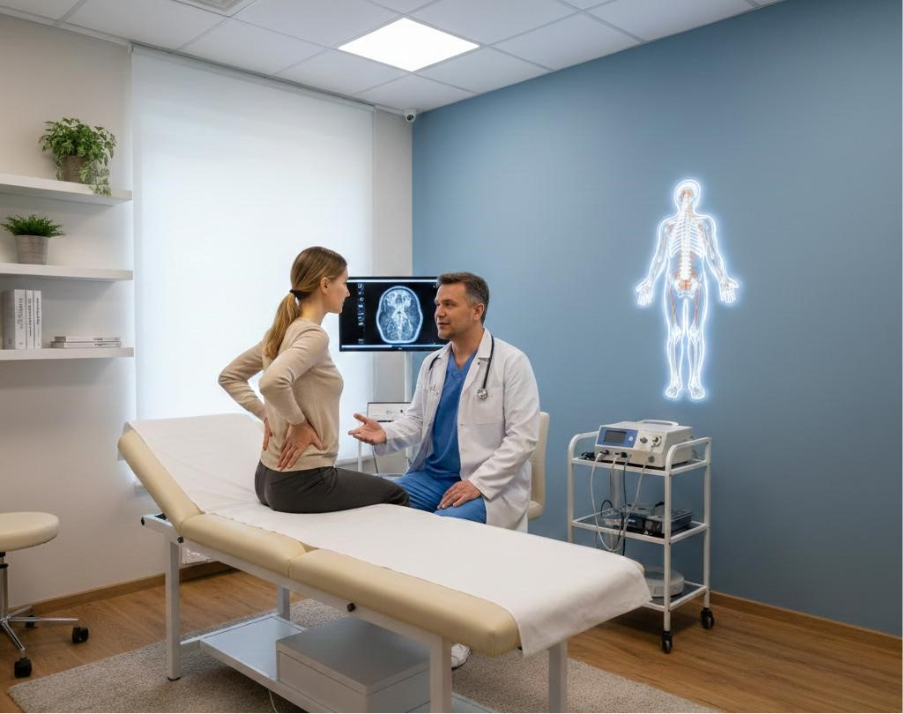
Among important pain management trends 2026 is the growing focus on personalized medicine. Dr. Gari’s pain-management guide identifies personalized medicine, technology integration and innovative therapies such as neuromodulation among emerging areas in the field.
A personalized plan may consider:
- The location and type of pain
- Previous treatment responses
- Physical limitations
- Neurological symptoms
- Lifestyle and functional goals
- Other medical conditions
Instead of moving every patient through the same treatment sequence, physicians can use clinical findings to identify more appropriate therapies.
This patient-focused model also influences advanced pain treatment options. The objective is not simply to use newer technology. It is to select the right treatment for the right clinical situation.
Advanced Pain Treatment Options Are Becoming More Targeted
Traditional pain care may involve medications, physical therapy and activity modification. These approaches remain important, but modern medicine is also developing more targeted interventions.
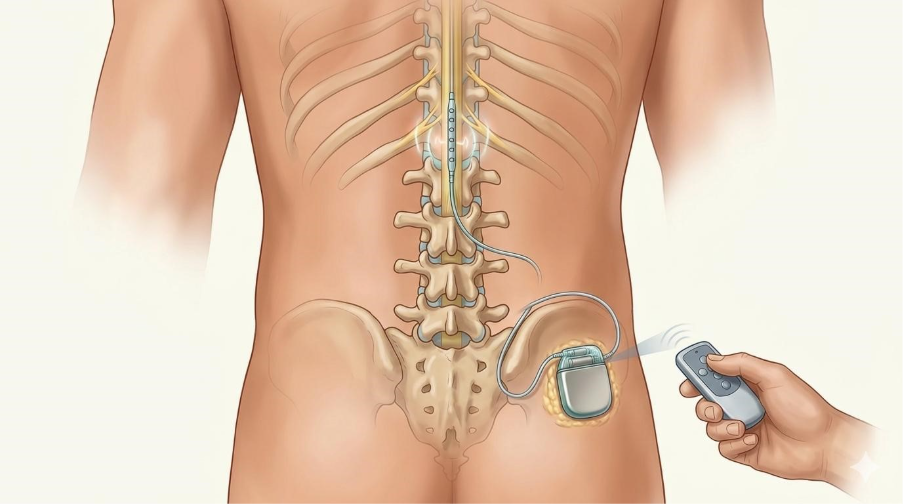
Advanced pain treatment options may include nerve blocks, epidural injections, radiofrequency techniques and neuromodulation for appropriately selected patients. Dr. Gari’s chronic pain content discusses interventional procedures and spinal or peripheral nerve stimulation as contemporary approaches.
Targeted Treatments and Pain Management Trends 2026
Current pain management trends 2026 reflect an interest in treating specific pain pathways rather than relying only on systemic medication.
Potential benefits of targeted care may include:
- Focusing treatment on a suspected pain source
- Reducing unnecessary exposure to systemic medications
- Supporting rehabilitation and movement
- Creating measurable functional treatment goals
One example is spinal cord stimulation. Dr. Gari’s article on spinal cord stimulation for pain management describes neuromodulation as an adjustable approach used for selected chronic pain conditions. These therapies are not appropriate for every patient. Evaluation and careful patient selection remain essential.
Non-Opioid Innovation Is Reshaping Pain Care
The search for effective non-opioid therapies continues to influence American pain medicine. CDC clinical resources state that nonopioid therapies are preferred for subacute and chronic pain and list both nonpharmacologic and nonopioid medication approaches.
A major development came in January 2025 when the FDA approved suzetrigine, marketed as Journeaux, for moderate-to-severe acute pain in adults. The first-in-class non-opioid medicine targets a peripheral pain-signalling pathway involving sodium channels.
In May 2026, the FDA also issued draft guidance intended to support the development of non-opioid analgesics for chronic pain.
Advanced Pain Treatment Options Beyond Medication Dependence
These developments broaden conversations about advanced pain treatment options and responsible medication use.
Modern care may combine:
- Nonopioid medications
- Physical rehabilitation
- Behavioural therapies
- Targeted injections
- Neuromodulation
- Lifestyle interventions
The latest pain management trends 2026 do not suggest that one treatment will replace every other therapy. Instead, the direction is toward multimodal care. Dr. Gari’s article on latest innovations in pain management and minimally invasive care similarly emphasizes targeted and minimally invasive approaches intended to address pain more precisely.
Technology and Data May Improve Pain Decisions
Because pain is subjective its severity and overall impact are not the same for everyone. A patient’s symptoms can also change throughout the day depending on movement, sleep and activity.
Digital tools, telemedicine and data-supported care may help clinicians follow patient progress more consistently. Research on the future of pain medicine is also examining AI, precision diagnostics and adaptive neuromodulation, although many applications remain emerging rather than routine clinical standards.
How a Pain Management Specialist USA May Use Better Data
A pain management specialist USA may increasingly review more than a single pain score. Functional changes, treatment response and activity patterns can provide useful clinical context.
Patients may be asked to track:
- Pain intensity and location
- Symptom triggers
- Sleep disruption
- Walking tolerance
- Medication response
- Changes in daily activity
Better information may help physicians adjust care earlier when a treatment is not achieving meaningful goals.
Technology should support clinical judgment rather than replace the patient-physician relationship. This distinction is especially important as digital health tools become more visible in pain management trends 2026.
The Pain Management Specialist USA Has a Growing Role
Persistent pain can involve the spine, joints, nerves and other structures. It may also affect sleep, emotional health and daily independence.
A pain management specialist USA evaluates these different factors and develops an individualized care plan. Dr. Gari’s published guide describes specialists as responsible for assessment, personalized treatment planning, selected interventional procedures and follow-up care.

Pain Management Specialist USA and Multidisciplinary Care
The role of a pain management specialist USA is particularly valuable when standard treatment has not produced adequate improvement or pain is significantly affecting daily life.
Care may involve collaboration with:
- Physical therapists
- Primary care physicians
- Spine specialists
- Behavioural health professionals
- Rehabilitation teams
Dr. Gari’s guide to a first visit with a pain management specialist explains that treatment recommendations may include physical therapy, medication management, lifestyle changes, minimally invasive treatments or other advanced approaches.
The strongest advanced pain treatment options still depend on appropriate diagnosis and patient selection. Technology alone cannot determine which therapy is best for every individual.
Dr. Rodolfo Gari’s View of Modern Pain Care
Dr. Rodolfo Gari’s published educational content consistently presents pain care as a field that extends beyond medication alone. His articles discuss comprehensive management, interventional procedures, personalized plans and emerging technologies.
His guide on understanding chronic pain and modern treatment options discusses targeted interventions, neuromodulation, rehabilitation and psychological approaches as parts of contemporary chronic pain care.
A Practical Vision for the Future of Pain Management USA
From this perspective, the future of pain management USA is likely to depend on combining innovation with individualized clinical decision-making.
The newest device or procedure is not automatically the right choice. Physicians must consider the patient’s diagnosis, symptoms, previous treatments and functional objectives.
This approach connects closely with the direction of pain management trends 2026: greater personalization, more targeted interventions and wider exploration of non-opioid care. For patients researching long-term pain care, Dr. Gari’s comprehensive guide to pain management provides additional information about treatment planning and the evolving role of pain specialists.
Conclusion
The future of pain management USA is moving toward more personalized, targeted and multidisciplinary care. Current pain management trends 2026 highlight growing interest in precision treatment, technology-supported monitoring and non-opioid approaches.
For selected patients, advanced pain treatment options may provide new pathways when conventional care does not deliver sufficient improvement. Working with a pain management specialist USA can help connect these innovations with an individualized clinical assessment.
Dr. Rodolfo Gari’s perspective on modern pain care reflects an important principle: innovation should support better patient-focused decisions and meaningful functional goals. If persistent pain is affecting your mobility, work or quality of life, schedule a consultation today to explore a customized pain management plan designed to help relieve your symptoms and improve your quality of life.
Frequently Asked Questions
1. What is changing in modern pain management?
Pain care is becoming more personalized, with greater attention to targeted procedures, non-opioid therapies and technology-supported monitoring.
2. Are newer pain treatments suitable for everyone?
No. Treatment selection depends on the diagnosis, symptoms, medical history and response to previous care.
3. When should I consult a pain specialist?
Consider specialist evaluation when pain persists, limits daily activities or does not improve adequately with standard treatment.