Whiplash Injury Symptoms: Long-Term Effects and Medical Treatment
Experiencing sudden neck discomfort after an accident can be confusing especially when the pain does not appear right away. whiplash injury symptoms often develop gradually which makes them easy to ignore during the initial hours after an incident. Many individuals assume they are fine only to notice stiffness reduced movement and headaches the next day. This delayed response is one of the key reasons why whiplash injuries are frequently underestimated.
Have you ever felt fine immediately after a minor collision but later struggled to turn your neck or experienced persistent headaches This is a common pattern seen in whiplash injury symptoms. The injury occurs when the neck is forced into rapid motion that strains muscles ligaments and joints. Even though the damage may not be visible it can still affect deeper tissues and lead to ongoing discomfort.
With advancements in medical care early diagnosis and proper whiplash treatment can significantly improve recovery outcomes. Modern approaches focus on reducing inflammation restoring mobility and preventing long term complications. Without timely care symptoms may persist and evolve into chronic pain conditions that affect daily activities.
In this comprehensive guide you will explore the detailed causes symptoms long term effects and treatment strategies for whiplash injury symptoms. You will also gain insights into how whiplash treatment works and what steps can help you recover safely and effectively.
Understanding the Mechanism Behind Whiplash Injury Symptoms
How the Neck Is Affected During Injury?
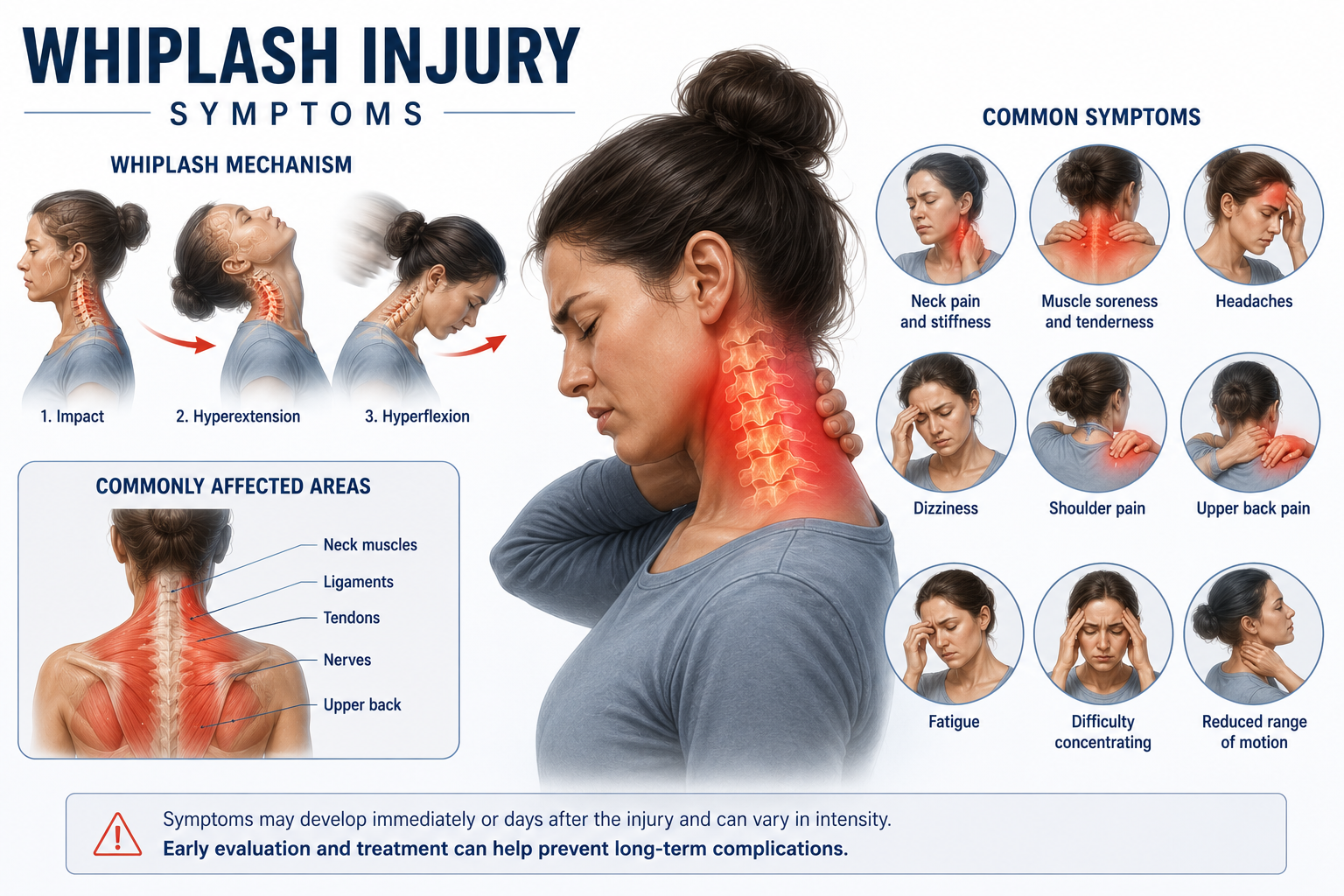
The cervical spine is designed to support the head and allow flexible movement. However, it is also vulnerable to sudden force. During an incident the head moves rapidly backward and then forward which stretches and compresses soft tissues.
This motion can lead to micro tears in muscles and ligaments. These internal injuries are responsible for many whiplash injury symptoms that develop over time. The body responds with inflammation which increases pain and stiffness.
Key effects of this motion include:
- Overstretching of ligaments
- Muscle strain and tension buildup
- Joint irritation and inflammation
These changes highlight why early whiplash treatment is essential.
Why Symptoms Are Often Delayed?
One of the most confusing aspects of whiplash injury symptoms is the delay in their appearance. This happens because inflammation builds gradually rather than instantly.
After the injury the body begins a healing response which includes swelling and muscle tightening. These processes take time which is why symptoms may not be noticeable immediately.
Common reasons for delayed symptoms include:
- Gradual inflammation response
- Muscle tightening as a protective mechanism
- Adrenaline masking pain initially
Understanding this delay emphasizes the importance of monitoring your condition and seeking whiplash treatment even if symptoms seem mild at first.
Detailed Breakdown of Whiplash Injury Symptoms
Physical Symptoms and Their Progression
Physical discomfort is the most recognizable aspect of whiplash injury symptoms. These symptoms often begin as mild stiffness and gradually become more intense.
Early-stage symptoms may include:
- Mild neck stiffness
- Slight discomfort during movement
- Occasional headaches
As the condition progresses symptoms can worsen and become more persistent. Advanced stages may involve severe pain limited mobility and increased sensitivity to movement.
This progression shows how untreated whiplash injury symptoms can impact daily functioning and require structured whiplash treatment.
Neurological and Sensory Symptoms
In some cases, the injury affects nerves leading to neurological symptoms. These can be more concerning and require immediate attention.
Such symptoms may include:
- Tingling sensations in arms
- Numbness or weakness
- Difficulty concentrating
These signs indicate deeper involvement and highlight the need for timely whiplash treatment.
Emotional and Cognitive Effects
Chronic discomfort can also affect mental health. Individuals dealing with ongoing whiplash injury symptoms may experience stress fatigue and reduced focus.
The connection between physical pain and emotional well-being is significant. Managing both aspects is an important part of comprehensive whiplash treatment.
Long Term Effects of Untreated Whiplash Injury Symptoms
Chronic Pain Development
When whiplash injury symptoms are not addressed early, they can develop into chronic pain. This persistent discomfort may last for months or even years.
Chronic pain often requires advanced whiplash treatment approaches to manage effectively. It can also affect posture and lead to additional musculoskeletal issues.
Reduced Mobility and Functional Limitations
Long term effects often include restricted movement and muscle weakness. These limitations can make everyday tasks more difficult.
Patients with prolonged whiplash injury symptoms may struggle with activities such as driving working or exercising. Proper whiplash treatment helps restore function and prevent further decline.
Impact on Quality of Life
Chronic pain can significantly affect overall quality of life. Individuals may experience reduced productivity sleep disturbances and emotional stress.
Addressing whiplash injury symptoms early helps prevent these long-term effects and supports better outcomes through effective whiplash treatment.
Comprehensive Whiplash Treatment Approaches
Early-Stage Treatment and Care
The first step in managing whiplash injury symptoms is early intervention. Initial care focuses on reducing inflammation and preventing further strain.
Common early-stage whiplash treatment methods include:
- Rest and activity modification
- Application of heat or cold therapy
- Gentle stretching exercises
These approaches help control symptoms and support recovery.
Physical Therapy and Rehabilitation
Physical therapy plays a crucial role in long term recovery. It helps strengthen muscles improve flexibility and restore normal movement patterns.
Therapists design personalized programs to address specific whiplash injury symptoms. These programs are essential for effective whiplash treatment.
Advanced Medical Interventions
For persistent symptoms advanced treatments may be necessary. These options target the underlying cause of pain and provide relief.
Examples include:
- Injection based therapies
- Nerve targeted procedures
- Pain management programs
These interventions are part of comprehensive whiplash treatment strategies.
Preventing Whiplash Injury Symptoms in Daily Life
Vehicle Safety and Proper Positioning
Preventive measures play a key role in reducing the risk of injury. Proper seating and headrest alignment can minimize neck movement during impact.
Ensuring correct posture while driving helps reduce the likelihood of whiplash injury symptoms.
Strengthening Neck Muscles
Strong muscles provide better support to the cervical spine. Regular exercise helps maintain flexibility and resilience.
Incorporating stretching routines reduces the need for future whiplash treatment.
Ergonomic Adjustments at Work
Workplace ergonomics are essential for preventing strain. Adjusting screen height and chair support can reduce pressure on the neck.
These changes help prevent the development of whiplash injury symptoms over time.
When to Seek Medical Attention for Whiplash Injury Symptoms?
Recognizing Serious Warning Signs
Certain symptoms indicate the need for immediate care. Ignoring them can lead to complications.
Seek medical attention if you experience:
- Severe or worsening pain
- Numbness or weakness
- Persistent headaches
These signs may require advanced whiplash treatment.
Importance of Timely Diagnosis
Early diagnosis ensures proper management of whiplash injury symptoms. It helps prevent progression and improves recovery outcomes.
Timely whiplash treatment can significantly reduce the risk of long-term complications.
Conclusion: Taking Control of Whiplash Injury Symptoms
Understanding whiplash injury symptoms is essential for early detection and effective management. With the right whiplash treatment approach, you can reduce pain restore mobility and prevent long term complications. Modern medical care offers a wide range of solutions designed to support recovery and improve quality of life.
If you are experiencing discomfort after an accident do not ignore the signs. Seeking professional care early can make a meaningful difference in your recovery journey. Book your consultation today and start your recovery with expert whiplash treatment.