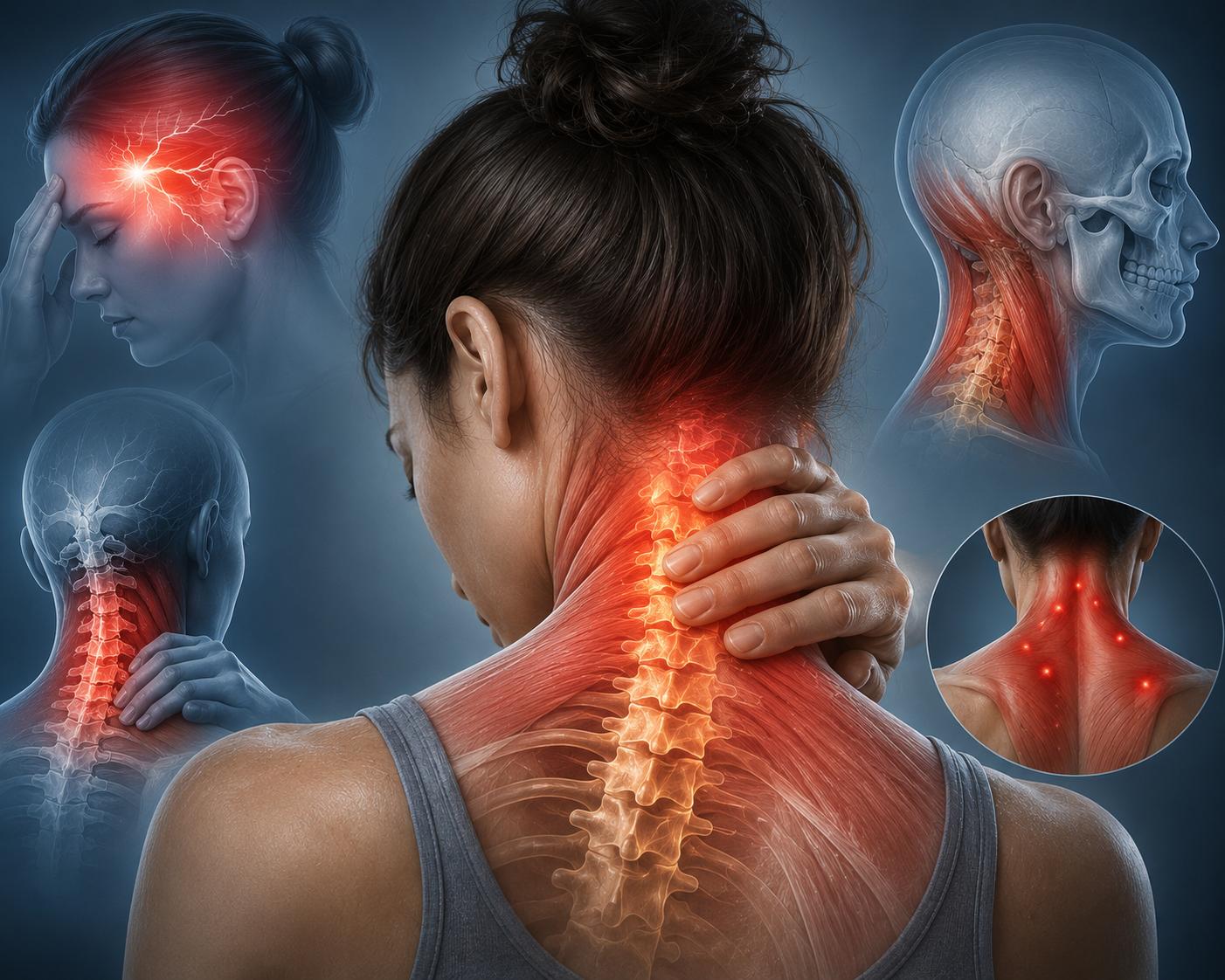
Chronic Neck Pain and Headaches: Causes and Treatment Options
Living with Chronic Neck Pain and Headaches can feel exhausting both physically and mentally especially when the discomfort persists for weeks or even months. Many individuals experience stiffness tension and recurring headaches that seem to appear without warning. Over time these symptoms can interfere with work concentration sleep quality and overall daily functioning making even simple activities feel challenging.
Have you ever noticed a dull ache at the base of your neck that gradually spreads to your head This is a common experience for those dealing with chronic neck pain. The connection between neck strain and headaches is often overlooked yet it plays a major role in how pain develops and spreads throughout the body. Muscle tension nerve irritation and poor posture all contribute to this cycle of discomfort.
Modern healthcare has made significant progress in understanding the underlying mechanisms of Chronic Neck Pain and Headaches. Instead of focusing only on temporary relief treatments now aim to address the root cause of pain and prevent recurrence. From lifestyle adjustments to advanced therapies there are multiple ways to manage symptoms effectively.
In this detailed guide you will gain a deeper understanding of Chronic Neck Pain and Headaches including their causes symptoms diagnosis and treatment options. You will also learn how chronic neck pain develops over time and what steps you can take to prevent long term complications.
Common Causes of Chronic Neck Pain and Headaches
Poor Posture and Everyday Habits
One of the most overlooked causes of Chronic Neck Pain and Headaches is poor posture during daily activities. Sitting for extended periods especially while using digital devices places continuous stress on the neck muscles. This stress gradually builds tension which leads to discomfort and stiffness.
When posture is not corrected the muscles remain in a strained position for long durations. This contributes to the development of chronic neck pain which can eventually trigger headaches. The forward head position commonly seen while using phones or laptops increases pressure on the cervical spine and surrounding tissues.
Common contributing habits include:
- Looking down at mobile devices for long periods
- Sitting without proper back and neck support
- Working at poorly adjusted desks or screens
These everyday habits significantly increase the risk of Chronic Neck Pain and Headaches over time.
Muscle Imbalance and Repetitive Strain
Muscle imbalance occurs when certain muscle groups become overactive while others weaken. This imbalance creates uneven tension across the neck and shoulders.
Repetitive activities such as typing, driving or lifting can lead to micro strain in the muscles. Over time this results in chronic neck pain that radiates toward the head causing tension headaches.
Key factors include:
- Repeated movements without rest
- Lack of stretching or strengthening exercises
- Continuous physical stress on specific muscle groups
These factors are closely linked to the progression of Chronic Neck Pain and Headaches.
Underlying Medical Conditions
Certain medical conditions can contribute to persistent discomfort. Structural problems in the spine or joints may lead to ongoing pain.
Conditions associated with chronic neck pain include:
- Degenerative disc disease
- Cervical arthritis
- Herniated discs
These conditions often require targeted treatment to manage Chronic Neck Pain and Headaches effectively.
Symptoms of Chronic Neck Pain and Headaches
Early Signs That Should Not Be Ignored
Recognizing early symptoms is essential for preventing long term complications. Many individuals dismiss mild discomfort until it becomes severe.
Initial signs of Chronic Neck Pain and Headaches may include:
- Mild stiffness or tightness in the neck
- Occasional headaches that worsen after activity
- Slight discomfort during movement
These symptoms often indicate the beginning stages of chronic neck pain.
Progression of Symptoms Over Time
If left untreated symptoms can intensify and become more frequent. The pain may shift from mild discomfort to persistent and debilitating sensations.
Advanced symptoms of Chronic Neck Pain and Headaches include:
- Constant aching or throbbing pain
- Headaches that start from the neck and spread forward
- Increased sensitivity to movement
These changes reflect worsening chronic neck pain that requires attention.
Physical and Emotional Impact
Chronic discomfort does not only affect the body but also mental health. Individuals dealing with Chronic Neck Pain and Headaches often experience fatigue irritability and difficulty concentrating.
The ongoing nature of chronic neck pain can lead to reduced productivity and lower overall quality of life. Addressing both physical and emotional aspects is essential for complete recovery.
Diagnosis of Chronic Neck Pain and Headaches
Detailed Medical Assessment
Proper diagnosis begins with a comprehensive evaluation of symptoms and medical history. Healthcare providers aim to understand the pattern and triggers of pain.
They assess factors such as:
- Duration and frequency of symptoms
- Activities that worsen or relieve pain
- Previous injuries or conditions
This information helps identify the root cause of chronic neck pain.
Physical Examination and Functional Testing
A thorough physical examination is essential for diagnosing Chronic Neck Pain and Headaches. Providers evaluate movement strength and areas of tenderness.
During the assessment they may check:
- Range of motion in the neck
- Muscle tightness and weakness
- Pain response during specific movements
These findings help assess the seriousness of chronic neck pain.
Advanced Imaging for Accurate Diagnosis
In some cases, imaging tests are required to confirm structural issues. These tests deliver a clear picture of the spine and the tissues around it.
Common imaging methods include:
- MRI scans for soft tissue evaluation
- CT scans for detailed structural analysis
- X rays for bone alignment
These tools help diagnose conditions contributing to Chronic Neck Pain and Headaches.
Treatment Options for Chronic Neck Pain and Headaches
Conservative and Non-Invasive Treatments
Most patients benefit from non-surgical approaches. These treatments focus on relieving pain and improving function.
Common options for Chronic Neck Pain and Headaches include:
- Physical therapy to strengthen muscles
- Pain management techniques
- Lifestyle modifications
These methods are effective in reducing chronic neck pain and preventing recurrence.
Minimally Invasive Interventions
If standard treatments are not sufficient, minimally invasive interventions may be advised. These options target the source of pain directly.
Examples include:
- Trigger point therapy
- Nerve block injections
- Anti-inflammatory injections
These treatments are designed to manage Chronic Neck Pain and Headaches with minimal downtime.
Advanced Treatment Approaches
In more serious cases, advanced healthcare options may be evaluated. These treatments aim to provide long term relief when other methods fail.
Options include:
- Radiofrequency therapy
- Surgical correction for structural issues
- Comprehensive pain management programs
These approaches are used to address persistent chronic neck pain effectively.
Preventing Chronic Neck Pain and Headaches
Maintaining Proper Posture
Good posture plays a crucial role in preventing Chronic Neck Pain and Headaches. Keeping the head aligned with the spine reduces unnecessary strain.
Simple adjustments such as positioning screens at eye level and using supportive seating can significantly reduce chronic neck pain.
Regular Movement and Exercise
Consistent movement helps maintain both strength and flexibility in muscles. Keeping your body moving helps reduce stiffness and supports healthy blood flow.
Effective practices include:
- Gentle neck stretches
- Strengthening exercises
- Low impact activities
These habits reduce the risk of Chronic Neck Pain and Headaches.
Stress Reduction Techniques
Muscle tension, especially in the neck and shoulders, can be caused by stress. Managing stress is essential for preventing chronic neck pain.
Techniques such as relaxation exercises and mindfulness can help reduce the frequency of Chronic Neck Pain and Headaches.
When to Seek Medical Attention?
Warning Signs That Require Immediate Care
Certain symptoms should not be ignored. They may indicate serious underlying conditions.
Seek medical attention if you experience:
- Severe or sudden neck pain
- Numbness or weakness
- Difficulty moving the neck
These symptoms may be linked to advanced chronic neck pain issues.
Benefits of Early Intervention
Early treatment improves outcomes and prevents complications. Addressing Chronic Neck Pain and Headaches at an early stage reduces the risk of long-term damage.
Timely care ensures better management of chronic neck pain and faster recovery.
Conclusion: Take Control of Chronic Neck Pain and Headaches
Managing Chronic Neck Pain and Headaches requires a combination of awareness prevention and the right treatment approach. By understanding the causes and recognizing early symptoms you can take proactive steps toward relief. Modern treatment options offer effective solutions that improve mobility and reduce discomfort.
If you are experiencing persistent chronic neck pain do not delay seeking help. Early diagnosis and proper care can transform your quality of life. Book your consultation today and start your journey toward relief from Chronic Neck Pain and Headaches.