Stellate Ganglion Block: Treatment for Chronic Nerve and Stress-Related Pain
Living with chronic nerve pain or persistent stress-related symptoms can feel exhausting especially when traditional treatments fail to deliver lasting relief. Many patients cycle through medications therapy and lifestyle changes only to find that their symptoms return or never fully resolve. This ongoing struggle has led to growing interest in advanced interventions like the stellate ganglion block.
A stellate ganglion block is an advanced procedure focused on the sympathetic nervous system, a key regulator of pain and stress. When this system becomes overactive it can contribute to chronic pain anxiety and trauma-related conditions. By calming this nerve activity, the procedure offers a unique pathway to recovery.
In recent years the stellate ganglion block has also gained recognition as a promising nerve block for PTSD pain, helping individuals manage symptoms such as hypervigilance sleep disturbances and emotional distress. This dual benefit makes it a powerful option for patients dealing with both physical and psychological challenges.
This in-depth guide explores how the stellate ganglion block works its benefits risks long-term outcomes and what patients can expect throughout the treatment journey. By understanding this innovative approach, you can make informed decisions about your care and explore new possibilities for relief.
Understanding the Stellate Ganglion Block and Its Role in Pain and Stress Regulation
What Is the Stellate Ganglion and Why It Matters?
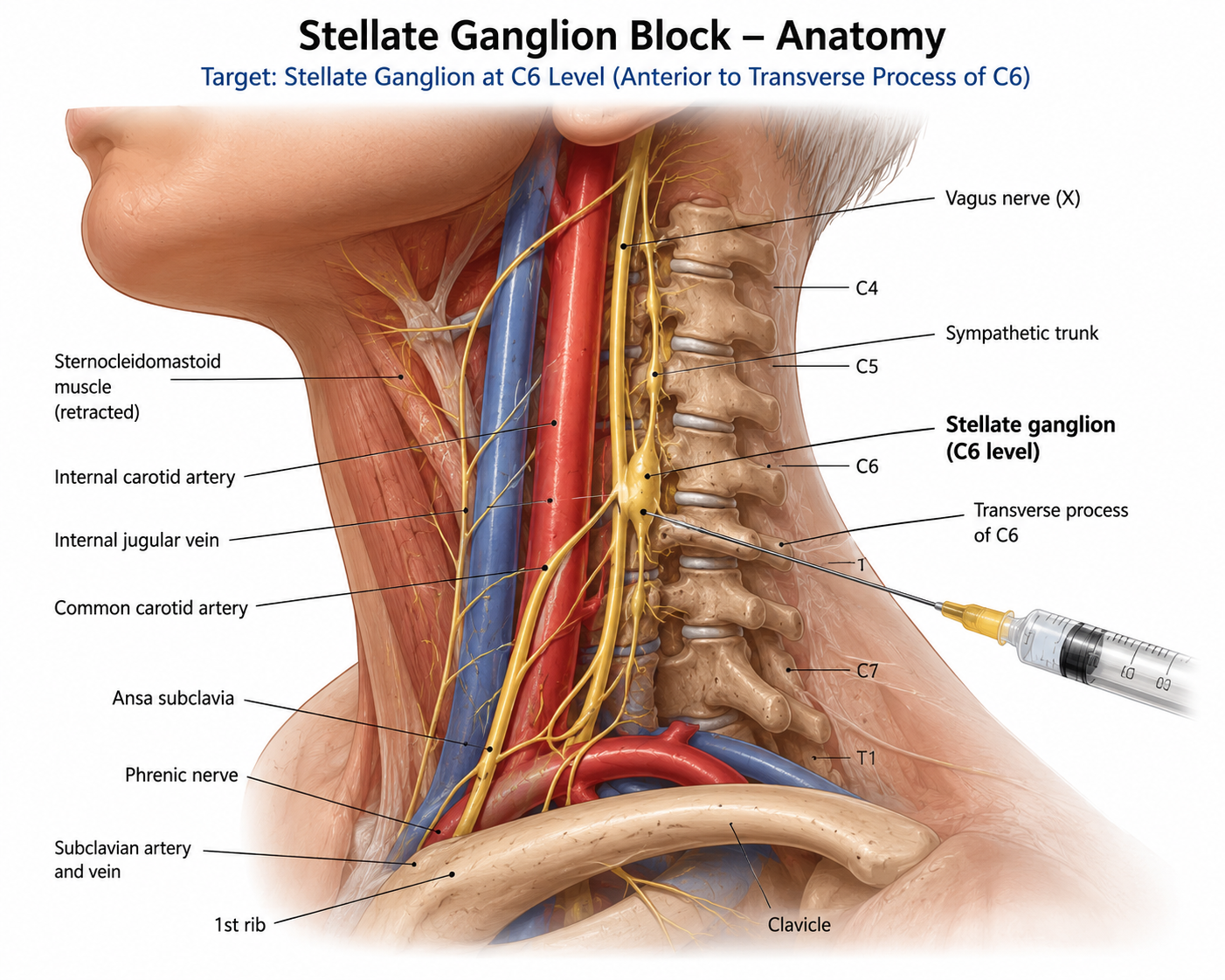
The stellate ganglion is a collection of nerves located in the neck that forms part of the sympathetic nervous system. This system is responsible for the body’s automatic responses such as heart rate blood pressure and the fight-or-flight reaction.
When the sympathetic nervous system becomes dysregulated it can remain in a constant state of alertness. This leads to chronic pain heightened stress and emotional instability. The stellate ganglion block directly targets this nerve cluster to interrupt these abnormal signals.
By administering a local anesthetic to this area, the stellate ganglion block temporarily disables overactive nerve pathways allowing the nervous system to reset. This is why it is increasingly used as a nerve block for PTSD pain in addition to treating physical conditions.
The Science Behind the Procedure
The effectiveness of the stellate ganglion block lies in its ability to modulate nerve activity. Research suggests that the procedure reduces levels of stress hormones and improves blood flow to affected areas.
This physiological change can result in:
- Reduced pain perception
- Improved emotional regulation
- Enhanced nervous system balance
Studies published in journals such as Regional Anaesthesia and Pain Medicine have shown promising outcomes particularly for patients using it as a nerve block for PTSD pain.
Why Traditional Treatments May Not Be Enough?
Many conventional treatments focus on symptom management rather than addressing the root cause. Pain medications may provide temporary relief but often come with side effects and dependency risks.
The stellate ganglion block offers a different approach by targeting the underlying nerve dysfunction. This makes it a valuable option for patients who have not responded to standard therapies.
Conditions Treated with Stellate Ganglion Block
Chronic Pain Disorders
The stellate ganglion block is widely used for managing chronic pain conditions that involve nerve dysfunction.
These include:
- Complex regional pain syndrome
- Neuropathic pain
- Post-surgical nerve pain
Patients often experience significant relief after undergoing the procedure especially when other treatments have failed.
PTSD and Stress-Related Disorders
The use of stellate ganglion block as a nerve block for PTSD pain has gained attention due to its ability to calm the nervous system.
Research indicates that the procedure can reduce symptoms such as:
- Anxiety and panic attacks
- Sleep disturbances
- Emotional reactivity
Organizations like the U.S. Department of Veterans Affairs have explored its potential for treating PTSD highlighting its growing acceptance.
Other Emerging Applications
In addition to pain and PTSD the stellate ganglion block is being studied for other conditions such as:
- Migraine headaches
- Hot flashes related to menopause
- Long COVID symptoms
These emerging applications demonstrate the versatility of this treatment.
Benefits of Stellate Ganglion Block for Patients
Rapid Symptom Relief
One of the most notable benefits of the stellate ganglion block is the speed at which patients may experience relief.
Many individuals report:
- Immediate reduction in pain
- Decreased anxiety levels
- Improved mental clarity
This rapid response is particularly valuable for those seeking quick relief from severe symptoms.
Reduced Dependence on Medication
Chronic pain management often involves long-term use of medications which can lead to side effects and dependency.
The stellate ganglion block provides an alternative by addressing the root cause of symptoms reducing the need for ongoing medication use.
Improved Emotional and Physical Well-Being
As a nerve block for PTSD pain, the procedure helps restore balance to the nervous system leading to improvements in both physical and emotional health.
Patients frequently experience:
- Better sleep quality
- Increased energy levels
- Enhanced overall quality of life
What Happens During the Stellate Ganglion Block Procedure?
Pre-Procedure Preparation
Before undergoing the stellate ganglion block, patients typically undergo a detailed evaluation. It entails reviewing the patient’s medical background, current medications and overall health.
Patients may be advised to:
- Avoid eating or drinking for a few hours
- Arrange transportation after the procedure
- Discuss any concerns with their provider
Step-by-Step Procedure
The stellate ganglion block is performed in a clinical setting using imaging guidance to ensure precision.
The process includes:
- Positioning the patient comfortably
- Cleaning and numbing the injection site
- Using imaging to guide the needle
- Injecting a local anesthetic near the stellate ganglion
It is a quick procedure that is typically completed in under 30 minutes.
Post-Procedure Experience
After completion of the procedure, a short monitoring period is required before patients are discharged.
Common temporary effects include:
- Warm sensation in the face
- Slight drooping of the eyelid
- Hoarseness
This is a normal response and it usually clears up within a few hours.
Risks Side Effects and Safety Considerations
Common Side Effects
The stellate ganglion block is generally safe but may cause mild side effects.
These include:
- Temporary voice changes
- Difficulty swallowing
- Minor discomfort at the injection site
Rare Complications
Although uncommon potential risks include:
- Infection
- Bleeding
- Nerve damage
Choosing an experienced healthcare provider significantly reduces these risks.
Safety Profile and Clinical Evidence
Clinical studies support the safety and effectiveness of the stellate ganglion block particularly when used as a nerve block for PTSD pain.
Research published in JAMA Psychiatry and other journals has highlighted its potential in reducing PTSD symptoms providing a strong foundation for its use.
Long-Term Outcomes and Recovery
Duration of Benefits
The effects of the stellate ganglion block can vary. The duration of relief varies, with some patients experiencing weeks of improvement and other months.
Depending on the individual, further treatments may be recommended.
Combining Treatments for Better Results
For optimal outcomes the procedure is often combined with other therapies.
These may include:
- Physical rehabilitation
- Cognitive behavioural therapy
- Lifestyle modifications
This integrated approach enhances the effectiveness of the nerve block for PTSD pain.
Future of Stellate Ganglion Block Therapy
Ongoing research continues to explore new applications and improve techniques. Advances in imaging and precision medicine are expected to enhance the effectiveness of the stellate ganglion block in the coming years.
Who Should Consider Stellate Ganglion Block?
Ideal Candidates
The stellate ganglion block is suitable for individuals who:
- Have chronic nerve pain
- Experience severe PTSD symptoms
- Have not responded to traditional treatments
When to Consult a Specialist?
Patients should consult a specialist if they experience persistent pain or stress-related symptoms that interfere with daily life.
A thorough evaluation will determine whether the procedure is appropriate.
Conclusion
The stellate ganglion block represents a significant advancement in the treatment of chronic nerve pain and stress-related conditions. By targeting the sympathetic nervous system, it provides relief that goes beyond conventional approaches. Its growing role as a nerve block for PTSD pain highlights its potential to improve both physical and emotional well-being.
If you are seeking a comprehensive solution to manage pain and stress consulting a qualified healthcare provider can help you explore whether this innovative treatment is right for you. Taking the first step toward advanced care could transform your quality of life.