
Thoracic Outlet Syndrome Treatment Options: From Therapy to Surgery

Have you ever experienced persistent pain, numbness, or tingling in your shoulder, arm, or hand? These symptoms might be pointing to a condition called Thoracic Outlet Syndrome (TOS), a complex disorder affecting the nerves, blood vessels, and muscles in the space between your collarbone and first rib. Thoracic Outlet Syndrome can significantly impact your daily life, making simple tasks like typing or reaching overhead challenging and painful. The good news is that effective treatment options exist, ranging from conservative approaches to surgical interventions.

Living with untreated Thoracic Outlet Syndrome can lead to chronic pain, limited mobility, and even serious complications involving blood flow to your arms. Understanding the available treatment paths is crucial for anyone diagnosed with this condition. Whether you’re newly diagnosed or exploring better management options, this comprehensive guide will walk you through all available Thoracic Outlet Syndrome treatment approaches.

In this article, you’ll discover the full spectrum of Thoracic Outlet Syndrome treatments, from physical therapy exercises and lifestyle modifications to medication options and surgical procedures. We’ll examine when each approach might be appropriate and what you can expect from each treatment modality. By the end, you’ll have a clearer understanding of how to address your symptoms and work effectively with healthcare providers to improve your quality of life.

Understanding Thoracic Outlet Syndrome

What Is Thoracic Outlet Syndrome?

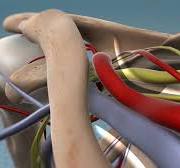
Thoracic Outlet Syndrome refers to a group of disorders that occur when blood vessels or nerves in the space between your collarbone and first rib (thoracic outlet) are compressed. Such compression can result in discomfort in the neck and shoulders and numbness in the fingers. The thoracic outlet is a narrow passageway that contains important structures including nerves, arteries, and veins. When these structures are compressed, different types of Thoracic Outlet Syndrome can develop.

Types of Thoracic Outlet Syndrome

Understanding the specific type of Thoracic Outlet Syndrome you have is crucial for proper treatment planning:

  • Neurogenic TOS: The most common form, affecting the brachial plexus nerves that pass from your neck to your arm
  • Venous TOS: Involves compression of the major veins passing through the thoracic outlet
  • Arterial TOS: The rarest form, involving compression of the major arteries in the thoracic outlet

Each type presents different symptoms and may require specialized treatment approaches. A thorough diagnosis by a healthcare professional is essential before beginning any treatment regimen for Thoracic Outlet Syndrome.

Conservative Treatment Approaches

Physical Therapy: The First Line of Defense

For most patients diagnosed with Thoracic Outlet Syndrome, physical therapy represents the cornerstone of treatment. A skilled physical therapist can design a customized program focusing on:

  • Postural correction exercises to improve alignment
  • Strengthening of shoulder and neck muscles
  • Stretching techniques to relieve compression in the thoracic outlet
  • Movement patterns that avoid symptom triggers

Physical therapy for Thoracic Outlet Syndrome typically requires a commitment of several weeks to months, with regular practice of home exercises between formal sessions. Many patients experience significant relief through consistent physical therapy alone, particularly those with neurogenic TOS. The exercises work by creating more space in the thoracic outlet and improving the support structures around this narrow passage.

Lifestyle Modifications and Home Remedies

Simple changes to your daily habits can have a profound impact on Thoracic Outlet Syndrome symptoms:

  • Maintain proper posture while sitting and standing
  • Take frequent breaks from repetitive activities
  • Adjust workstations to be ergonomically correct
  • Apply heat to relax muscles in the affected area
  • Practice gentle self-massage techniques
  • Use proper body mechanics when lifting objects
  • Maintain a healthy weight to reduce strain on the shoulders and neck

These modifications work hand-in-hand with formal therapy to create a comprehensive approach to managing Thoracic Outlet Syndrome. For many patients, these conservative measures provide sufficient relief to avoid more invasive treatments.

Medication Options for Symptom Relief

Several medication approaches may help manage the discomfort associated with Thoracic Outlet Syndrome:

  • Anti-inflammatory medications (NSAIDs) to reduce swelling and pain
  • Muscle relaxants to decrease tension in the shoulder and neck muscles
  • Pain medications for temporary relief during flare-ups
  • Botulinum toxin (Botox) injections to relax specific muscles that may be compressing the thoracic outlet
  • Steroid injections may be administered to decrease inflammation in the affected area.

Medication is typically used as a supportive treatment alongside physical therapy rather than as a standalone solution for Thoracic Outlet Syndrome. Your healthcare provider will determine the most appropriate medication based on your specific symptoms and type of TOS.

Advanced Treatment Options

Specialized Therapy Techniques

When standard physical therapy approaches aren’t providing sufficient relief, more specialized therapeutic techniques may be recommended:

  • Manual therapy focusing on soft tissue mobilization
  • Nerve gliding exercises to improve nerve movement through the thoracic outlet
  • Ultrasound therapy to reduce muscle tightness and improve blood flow
  • Electrical stimulation for pain management and muscle reeducation
  • Kinesio taping techniques to improve posture and provide support

These specialized approaches are particularly valuable for patients with challenging cases of Thoracic Outlet Syndrome who haven’t responded adequately to standard physical therapy but aren’t yet candidates for surgical intervention.

Vascular Interventions for Venous and Arterial TOS

For patients with vascular forms of Thoracic Outlet Syndrome (venous or arterial), specific treatments addressing blood flow may be necessary:

  • Thrombolytic therapy to dissolve blood clots
  • Anticoagulation medications to prevent future clot formation
  • Angioplasty to open narrowed blood vessels
  • Stent placement to keep vessels open

These interventions are typically performed by vascular specialists and may be required before or alongside other treatments for Thoracic Outlet Syndrome. The goal is to restore proper blood flow and prevent serious complications like deep vein thrombosis or arterial insufficiency.

Surgical Treatment Options

When Is Surgery Necessary?

Surgery for Thoracic Outlet Syndrome is typically considered when:

  • Conservative management has failed to relieve symptoms after a period of 3–6 months.
  • Symptoms are severe or worsening despite other interventions
  • There is evidence of significant vascular compression
  • Neurological symptoms are progressive
  • Quality of life is substantially impacted

The decision to pursue surgical treatment for Thoracic Outlet Syndrome is complex and should involve thorough discussion with your healthcare team, weighing the potential benefits against the risks and recovery requirements.

Thoracic Outlet Decompression Surgery

The most common surgical procedure for Thoracic Outlet Syndrome is thoracic outlet decompression, which aims to create more space for the nerves and blood vessels. This may involve:

  • First rib resection (removal of the first rib)
  • Scalenectomy (removal of the anterior scalene muscle)
  • Removal of a cervical rib if present
  • Neurolysis (freeing compressed nerves from surrounding scar tissue)

The specific approach will depend on the type of Thoracic Outlet Syndrome and the anatomical structures involved in each case. These procedures are typically performed by thoracic surgeons or vascular surgeons with specialized training.

Vascular Reconstruction Procedures

For patients with arterial or venous Thoracic Outlet Syndrome with significant vascular damage, additional procedures may be necessary:

  • Bypass grafting to reroute blood around damaged vessels
  • Repair of damaged arteries or veins
  • Removal of blood clots (thrombectomy)
  • Venous or arterial patch angioplasty

These more complex procedures address the vascular complications that can arise from long-standing Thoracic Outlet Syndrome and are essential for restoring proper circulation to the affected arm.

Recovery and Long-Term Management

Post-Surgery Rehabilitation

Recovery from Thoracic Outlet Syndrome surgery typically follows a careful progression:

  • Initial phase: Protecting the surgical site and managing pain
  • Early mobility: Gentle range of motion exercises
  • Progressive strengthening: Rebuilding support for the shoulder and neck
  • Return to activities: Gradual reintroduction of normal activities with modified techniques

A dedicated rehabilitation program is essential for optimizing surgical outcomes for Thoracic Outlet Syndrome. Most patients require 3-6 months of therapy after surgery to achieve maximum benefit.

Preventing Recurrence

Whether treated surgically or conservatively, preventing recurrence of Thoracic Outlet Syndrome symptoms requires ongoing attention to:

  • Maintaining good posture
  • Regular practice of strengthening exercises
  • Ergonomic workspace setup
  • Avoiding activities that trigger symptoms
  • Weight management
  • Stress reduction techniques

These preventive measures become a lifestyle approach for those who have experienced Thoracic Outlet Syndrome, helping to maintain the benefits achieved through treatment.

Conclusion

Thoracic Outlet Syndrome presents unique challenges, but with the right treatment approach, most patients can experience significant improvement in symptoms and quality of life. From conservative physical therapy to advanced surgical techniques, the treatment options for Thoracic Outlet Syndrome offer hope for those affected by this condition.

The key to successful management lies in accurate diagnosis, personalized treatment planning, and commitment to the rehabilitation process. If you’re experiencing symptoms that suggest Thoracic Outlet Syndrome, don’t hesitate to seek evaluation from a healthcare provider experienced with this condition.

Ready to find relief from your Thoracic Outlet Syndrome symptoms? Schedule a consultation with our specialists today to discuss which treatment options might be right for you.

Laminoplasty vs Laminectomy: Understanding the Key Differences

Are you experiencing persistent neck or back pain that radiates down your arms or legs? Your spine specialist might have mentioned surgical options like laminoplasty or laminectomy to address spinal compression issues. Understanding the difference between these procedures is crucial when making decisions about your spinal health. Both laminoplasty and laminectomy are decompression surgeries designed to relieve pressure on the spinal cord and nerves, but they differ significantly in their approach, preservation of spinal structures, and long-term outcomes.

Spinal stenosis, herniated discs, or bony overgrowths can compress your spinal cord and nerves, leading to debilitating symptoms that affect your quality of life. Surgical intervention is indicated when conservative management fails to alleviate symptoms. Laminoplasty and laminectomy represent two different surgical philosophies for addressing these compression issues – one preserves certain spinal structures while creating more space, and the other removes these structures entirely to eliminate pressure.

The choice between laminoplasty and laminectomy isn’t simply a matter of preference; it requires careful consideration of your specific condition, spinal stability, and long-term goals for mobility and function. This comprehensive guide will walk you through the key differences between laminoplasty and laminectomy procedures, including their surgical techniques, ideal candidates, recovery processes, and potential complications. By understanding these differences, you’ll be better equipped to participate in discussions about your treatment options with your healthcare provider and make informed decisions about your spine health.

Understanding Spinal Anatomy and Compression Conditions

The Role of the Lamina in Spinal Health

Before diving into the differences between laminoplasty and laminectomy, it’s important to understand the structure they address: the lamina. The lamina constitutes the posterior “roof” of each vertebra, providing protection to the spinal canal. This bony arch plays a critical role in:

  • Protecting the spinal cord and nerve roots
  • Providing attachment points for muscles and ligaments
  • Plays a role in maintaining the structural stability of the spinal column
  • Facilitating proper spinal alignment and movement

When examining laminoplasty versus laminectomy, the fundamental difference lies in how each procedure handles this important structural component. While laminectomy completely removes the lamina, laminoplasty preserves and repositions it, creating a different biomechanical environment in the spine post-surgery.

Common Conditions Requiring Decompression Surgery

Several spine conditions may necessitate surgical decompression through either laminoplasty or laminectomy:

  • Narrowing of the spinal canal in the neck (cervical) or lower back (lumbar), called spinal stenosis.
  • Degenerative disc disease with nerve compression
  • Herniated discs that press on nerve roots
  • Ossification of the posterior longitudinal ligament (OPLL)
  • Cervical spondylotic myelopathy
  • Congenital spinal stenosis

The severity and location of these conditions, along with other patient factors, help determine whether laminoplasty or laminectomy would be more appropriate. For example, multilevel cervical stenosis often responds well to laminoplasty, while certain lumbar conditions may require laminectomy, sometimes with fusion.

Laminoplasty: The “Open Door” Approach

What Is Laminoplasty and How Is It Performed?

Laminoplasty is often described as an “open door” technique because it creates a hinge on one side of the lamina while making a complete cut on the opposite side. This allows the lamina to be opened like a door, creating more space for the spinal cord without removing the lamina entirely. During a laminoplasty procedure:

  1. The surgeon makes an incision over the affected area of the spine
  2. Muscles and soft tissues are carefully retracted to expose the lamina
  3. A partial cut is made on one side of the lamina to create a hinge
  4. A complete cut is made on the opposite side
  5. The lamina is then “opened” and secured in the new position using small plates or spacers
  6. The incision is closed and the recovery process begins

Laminoplasty is usually done in the neck and less often in the mid-back or lower back. The procedure typically takes several hours and requires general anaesthesia.

Benefits and Advantages of Laminoplasty

Laminoplasty offers several potential advantages over laminectomy for certain patients:

  • Preservation of the lamina and its attachments to surrounding structures
  • Maintenance of more normal spinal biomechanics
  • Reduced risk of post-surgical spinal instability
  • Lower likelihood of requiring spinal fusion
  • Preservation of some degree of motion in the affected segments
  • Potentially decreased risk of developing kyphosis (abnormal forward curvature)
  • Protection against scar tissue formation directly on the dura (covering of the spinal cord)

These advantages make laminoplasty particularly valuable for younger patients, those with multilevel cervical stenosis, and individuals who wish to maintain as much natural spinal motion as possible.

Ideal Candidates for Laminoplasty

Not everyone with spinal compression is an ideal candidate for laminoplasty. The procedure tends to work best for:

  • Patients with cervical stenosis affecting multiple levels
  • Those with compression primarily from the posterior elements of the spine
  • Individuals without significant kyphosis (forward curve) in the affected area
  • Patients without significant instability in the spine
  • Those with relatively well-preserved disc heights
  • Patients who have good bone quality for securing the “open door” with hardware
  • Younger, active individuals who benefit from motion preservation

Your spine surgeon will evaluate your specific condition, including detailed imaging studies, to determine if laminoplasty is appropriate for your situation.

Laminectomy: The Complete Removal Approach

What Is Laminectomy and How Is It Performed?

In contrast to laminoplasty, laminectomy involves the complete removal of the lamina to create more space within the spinal canal. During a laminectomy procedure:

  1. The surgeon makes an incision over the affected area
  2. Muscles and tissues are retracted to expose the spine
  3. The entire lamina is removed from the affected vertebrae
  4. Sometimes portions of the facet joints and thickened ligaments are also removed
  5. In some cases, fusion may be performed simultaneously to provide stability
  6. The incision is closed, and recovery begins

Laminectomy can be performed in any region of the spine—cervical, thoracic, or lumbar—and may address one or multiple levels depending on the extent of compression. The procedure effectively eliminates pressure on neural structures by removing the structural elements causing compression.

Benefits and Advantages of Laminectomy

Laminectomy offers several potential advantages in specific situations:

  • Maximum decompression of neural elements
  • Complete removal of problematic bone spurs or overgrowth
  • Excellent visualization of compressed nerves
  • Ability to address compression from multiple directions
  • Option to combine with fusion when instability is present or anticipated
  • Sometimes performed through minimally invasive approaches
  • Effective for both central canal and foraminal stenosis

These benefits make laminectomy the preferred choice for certain conditions and patient populations where maximum decompression is the primary goal.

Ideal Candidates for Laminectomy

Laminectomy may be more appropriate than laminoplasty for:

  • Patients with severe stenosis requiring maximum decompression
  • Those with significant facet joint hypertrophy contributing to compression
  • Individuals with pre-existing instability requiring concurrent fusion
  • Patients with lumbar stenosis (where laminoplasty is rarely performed)
  • Those with compression primarily affecting nerve roots in the neural foramina
  • Individuals with asymmetric compression
  • Older patients where motion preservation is less critical

The decision between laminectomy and laminoplasty often depends on the specific pathology, location, and individual patient factors.

Comparing Recovery and Outcomes

Recovery Process: Laminoplasty vs Laminectomy

The recovery experiences after laminoplasty and laminectomy show some notable differences:

Laminoplasty Recovery:

  • Hospital stay typically 1-3 days
  • Neck collar or brace often worn for 2-6 weeks to protect the hinge
  • Range of motion exercises usually begin after the initial healing period
  • Return to light activities in 4-6 weeks
  • Full recovery typically takes 3-6 months
  • Physical therapy focuses on proper movement patterns and strengthening

Laminectomy Recovery:

  • Hospital stay of 1-3 days without fusion, longer with fusion
  • Bracing requirements vary based on extent of surgery and if fusion was performed
  • Activity restrictions are typically more stringent if fusion was performed
  • Return to light activities in 4-6 weeks without fusion, longer with fusion
  • Complete recovery takes 3-12 months depending on extent of surgery
  • Physical therapy emphasizes core strengthening and proper body mechanics

Both procedures require careful attention to post-operative instructions and gradual return to activities, but the preservation of the lamina in laminoplasty can sometimes allow for an earlier return to certain movements.

Potential Complications and Long-term Considerations

Both procedures carry potential risks, but with some differences:

Laminoplasty Complications:

  • “Hinge” failure or displacement of hardware
  • C5 nerve root palsy (temporary weakness in the shoulder)
  • Limited range of motion, especially in extension
  • Axial neck pain from muscle detachment and reattachment
  • Potential for incomplete decompression
  • Hardware-related issues

Laminectomy Complications:

  • Development of spinal instability
  • Higher risk of kyphotic deformity (abnormal forward curvature)
  • Post-laminectomy syndrome
  • Epidural fibrosis (scarring around nerve roots)
  • Higher likelihood of requiring future fusion surgery
  • Greater disruption of normal spine biomechanics

Long-term outcomes also show some differences. Studies suggest that laminoplasty may better preserve spinal alignment in multilevel cervical procedures, while laminectomy provides more complete decompression for severe stenosis but with potentially greater impact on stability.

Pain Relief and Functional Improvements

When considering laminoplasty versus laminectomy, patients often want to know which procedure offers better pain relief and functional improvement. Research findings suggest:

  • Both procedures effectively relieve neurological symptoms when appropriately selected
  • Laminectomy may provide more immediate and complete decompression
  • Laminoplasty may result in less post-operative neck pain in some studies
  • Laminectomy with fusion offers excellent stability but at the cost of motion
  • Laminoplasty balances decompression with motion preservation
  • Nerve recovery depends more on pre-operative condition and duration of symptoms than the specific technique
  • For operations involving 4 or more levels, some studies suggest laminectomy may be associated with less axial pain than laminoplasty

The best procedure for pain relief varies by individual, making personalized consultation with your spine surgeon essential.

Making the Right Choice for Your Spine

Questions to Ask Your Surgeon

When discussing laminoplasty versus laminectomy with your surgeon, consider asking these important questions:

  • Given my specific condition, why do you recommend laminoplasty (or laminectomy)?
  • What are the success rates for each procedure for my particular condition?
  • How will either procedure affect the motion in my spine?
  • What is the likelihood I’ll need additional surgery in the future with each option?
  • How does my age and activity level influence which procedure is better for me?
  • What specific recovery restrictions will I face with each procedure?
  • If you’re recommending fusion with laminectomy, why is that necessary in my case?
  • How experienced are you with both laminoplasty and laminectomy procedures?

These questions can help clarify which procedure aligns better with your goals and circumstances.

Factors That Influence the Decision

Several factors influence whether laminoplasty or laminectomy is more appropriate:

  • Location of compression (cervical laminoplasty is more common than lumbar)
  • Number of levels requiring decompression (multilevel often favors laminoplasty)
  • Presence of spinal instability (may necessitate laminectomy with fusion)
  • Existing spinal alignment (kyphosis may contraindicate laminoplasty)
  • Patient age and activity level (younger, active patients may benefit more from laminoplasty)
  • Surgeon experience and preference
  • Primary symptoms (radicular vs. myelopathic)
  • Bone quality and overall health status

Your surgeon will weigh these factors when making recommendations tailored to your unique situation.

Conclusion

Choosing between laminoplasty and laminectomy is a decision that should be made carefully, with full understanding of how each procedure addresses spinal compression differently. While laminoplasty preserves the lamina and potentially offers better maintenance of spinal biomechanics, laminectomy provides maximum decompression that may be necessary in certain conditions. The ideal choice depends on your specific diagnosis, spinal characteristics, surgeon expertise, and personal health goals.

Both procedures have proven effective for appropriate candidates, with success rates typically between 70-90% for relieving neurological symptoms when patients are properly selected. By understanding the key differences between laminoplasty and laminectomy outlined in this guide, you’re better prepared to have meaningful discussions with your healthcare provider about which approach might best address your spinal condition.

Ready to learn more about which decompression procedure is right for you? Schedule a consultation with our spine specialists today to receive personalized guidance based on your unique situation and needs.

Spondylolisthesis Explained: Causes, Grades, and Treatment Options

Managing the healthcare revenue cycle can be complex and challenging, especially when dealing with specific medical conditions that require accurate coding and proper documentation. Spondylolisthesis is one such condition that demands precise understanding for appropriate medical billing and revenue cycle management. At Access Healthcare, we recognize the importance of comprehending these conditions to ensure accurate reimbursements and prevent denials.

Spondylolisthesis occurs when one of the vertebrae in your spine slips forward and out of place, potentially causing significant pain and functional limitations. This condition affects approximately 4-6% of the U.S. population and can occur anywhere along the spine, though it is most common in the lower back (lumbar spine). For healthcare providers, understanding spondylolisthesis is crucial for proper diagnosis coding, treatment planning, and ensuring appropriate reimbursement.

In this comprehensive guide, we’ll explore the causes, classifications, symptoms, grades, and treatment options for spondylolisthesis. Whether you’re a healthcare provider seeking to improve your clinical documentation or a revenue cycle professional aiming to optimize reimbursement processes, this information will help you navigate the complex maze of administrative and clinical processes associated with this spinal condition.

Understanding Spondylolisthesis: Types and Classifications

Spondylolisthesis refers to the displacement of a vertebra from its normal position in the spinal column. This condition is often preceded by spondylolysis, a degenerative condition or stress fracture in the vertebra. Understanding the different types of spondylolisthesis is essential for accurate diagnosis and appropriate treatment planning, which ultimately impacts proper coding and revenue cycle management.

Types of Spondylolisthesis

Spondylolisthesis can be classified into five main groups based on the cause of displacement:

  • Dysplastic Spondylolisthesis: A congenital condition caused by abnormal bone formation of the facet part of the vertebra. This type is present at birth and may progress during childhood and adolescence.
  • Isthmic Spondylolisthesis: Results from a defect in the pars interarticularis part of the vertebra. This type is more common in athletes and gymnasts who suffer from overuse injuries. In most cases, the pars fracture occurs during adolescence and goes unnoticed until adulthood.
  • Degenerative Spondylolisthesis: Occurs due to degeneration or wear and tear of the intervertebral discs and ligaments. Osteoarthritis of the facet joints plays an important role in the development of instability and slippage. This type usually affects people over 60 years of age.
  • Traumatic Spondylolisthesis: Results from acute injury or trauma to the spine, causing fractures that lead to vertebral slippage.
  • Pathologic Spondylolisthesis: Caused by disease processes such as tumors, infections, or other bone disorders that weaken the vertebral structures.

Understanding these classifications is crucial for healthcare organizations to ensure accurate clinical documentation and appropriate medical billing, ultimately improving reimbursements and preventing denials.

Common Causes and Risk Factors of Spondylolisthesis

The causes of spondylolisthesis are multifactorial, and identifying these factors is essential for proper diagnosis, treatment planning, and accurate medical coding. At Access Healthcare, we partner with healthcare organizations to navigate these complexities and ensure comprehensive documentation.

Primary Causes of Spondylolisthesis

  • Degenerative Changes: The most common cause in adults over 60, occurring when the intervertebral discs and facet joints deteriorate with age, leading to instability and slippage.
  • Congenital Abnormalities: Some individuals are born with vertebral defects that predispose them to spondylolisthesis later in life.
  • Stress Fractures: Particularly common in athletes who repeatedly hyperextend their spine, such as gymnasts, football linemen, and weightlifters. These microfractures in the pars interarticularis can eventually lead to slippage.
  • Trauma: Acute injuries from falls, motor vehicle accidents, or sports injuries can cause fractures that result in vertebral displacement.
  • Bone Disorders: Conditions such as osteoporosis, which weakens bone density, can contribute to the development of spondylolisthesis.

Risk Factors That Increase Susceptibility

  • Age: Degenerative spondylolisthesis is more common in adults over 60, while isthmic spondylolisthesis often begins in adolescence but may not cause symptoms until adulthood.
  • Gender: Degenerative spondylolisthesis is more common in women, particularly after menopause, while isthmic spondylolisthesis is more prevalent in males.
  • Genetics: Family history plays a role, with certain genetic factors increasing susceptibility to pars defects.
  • Athletic Activities: Sports that place repetitive stress on the lower back increase the risk, particularly gymnastics, football, and weightlifting.

Understanding these causes and risk factors helps healthcare providers deliver more accurate diagnoses and documentation, which directly impacts the revenue cycle by improving coding accuracy and reducing claim denials.

Grading and Symptoms of Spondylolisthesis

Proper grading of spondylolisthesis is essential for accurate clinical documentation, which directly impacts medical billing and reimbursement processes. At Access Healthcare, we apply disruptive automation technologies to ensure precise documentation of these grades, ultimately delivering revenue cycle excellence.

The Meyerding Classification System

Spondylolisthesis is graded according to the severity of the slippage using the Meyerding classification:

  • Grade 1: Less than 25% slippage of the vertebra
  • Grade 2: 25-50% slippage
  • Grade 3: 50-75% slippage
  • Grade 4: 75-100% slippage

If the slippage is greater than 100% and the vertebra fully slips off the one beneath it, the condition is known as spondyloptosis, the most severe type.

Recognizing Symptoms of Spondylolisthesis

The symptoms of spondylolisthesis vary widely depending on the grade, location, and type of slippage. Some patients may be completely asymptomatic, especially in lower grades, while others experience significant pain and functional limitations. Common symptoms include:

  • Lower Back Pain: Often the primary complaint, typically worsening with activity and improving with rest
  • Stiffness: Characterized by restricted range of motion in the lower lumbar region
  • Muscle Spasms: Tightening of the hamstring muscles and back muscles
  • Radicular Symptoms: Pain, numbness, or weakness in the legs due to nerve compression
  • Postural Changes: Increased lordosis (swayback) or visible step-off in the lower back
  • Neurological Symptoms: In severe cases, loss of bowel or bladder control may occur due to significant nerve compression

Understanding these symptoms and accurately documenting the grade of spondylolisthesis is crucial for proper medical coding, which directly affects reimbursement rates and reduces claim denials. At Access Healthcare, we partner with healthcare organizations to ensure comprehensive and accurate documentation of these clinical findings.

Diagnostic Approaches for Spondylolisthesis

Accurate diagnosis of spondylolisthesis is crucial not only for appropriate treatment but also for proper medical coding and billing. At Access Healthcare, we understand the importance of comprehensive diagnostic documentation in the revenue cycle process to prevent denials and ensure timely reimbursements.

Clinical Evaluation and Physical Examination

The diagnostic process begins with a thorough clinical history and physical examination. Healthcare providers typically assess:

  • Pain patterns and functional limitations
  • Neurological status, including motor strength, sensation, and reflexes
  • Range of motion in the spine
  • Postural changes or visible step-offs in the spine
  • Hamstring tightness, a common finding in patients with spondylolisthesis

Advanced Imaging Modalities

While clinical evaluation is important, imaging studies are essential for confirming the diagnosis, determining the type and grade of spondylolisthesis, and planning appropriate treatment:

  • X-rays: Usually the first imaging study performed, providing views from different angles to assess vertebral alignment and measure the degree of slippage. These are essential for grading spondylolisthesis according to the Meyerding classification.
  • CT (Computed Tomography) Scans: Offer more detailed images of bone structures, helping to identify pars defects, fractures, and degenerative changes that may not be visible on standard X-rays.
  • MRI (Magnetic Resonance Imaging): Provides excellent visualization of soft tissues, including intervertebral discs, ligaments, and neural structures. MRI is particularly useful for assessing nerve compression and disc degeneration associated with spondylolisthesis.
  • Bone Scans: Occasionally used to identify areas of active bone remodeling or stress reactions, particularly in cases where recent pars fractures are suspected.

Proper documentation of these diagnostic findings is essential for accurate medical coding and billing. Missing or incomplete diagnostic information can lead to claim denials and delayed reimbursements, creating revenue leakage for healthcare organizations.

At Access Healthcare, we apply disruptive automation technologies to ensure comprehensive documentation of diagnostic processes, helping healthcare organizations improve reimbursements and prevent denials related to spondylolisthesis cases.

Non-Surgical Treatment Options for Spondylolisthesis

For most patients with spondylolisthesis, non-surgical approaches are the first line of treatment. Understanding these options is crucial for healthcare providers in terms of both patient care and revenue cycle management. At Access Healthcare, we help healthcare organizations document these treatments accurately to ensure proper reimbursement and prevent claim denials.

Physical Therapy and Exercise Programs

A comprehensive physical rehabilitation program plays a central role in managing spondylolisthesis:

  • Core Strengthening Exercises: Focus on strengthening abdominal and back muscles to provide better support for the spine
  • Flexibility Training: Gentle stretching to improve range of motion and reduce muscle tightness, particularly in the hamstrings
  • Posture Correction: Training in proper body mechanics to reduce stress on the affected area
  • Aerobic Conditioning: Low-impact activities to maintain overall fitness without aggravating symptoms

Physical therapy typically involves a combination of approaches including traditional physiotherapy, clinical Pilates, and hydrotherapy, all designed to improve mobility, strength, and function while reducing pain.

Medication Management

Various medications can help manage pain and inflammation associated with spondylolisthesis:

  • Analgesics: To provide pain relief
  • Nonsteroidal anti-inflammatory drugs (NSAIDs), such as ibuprofen and naproxen, are prescribed for inflammation and pain control.
  • Muscle Relaxants: To alleviate muscle spasms and associated discomfort
  • Short-term Opioids: For severe pain that doesn’t respond to other medications (requiring careful monitoring)

Interventional Procedures

For patients who don’t respond adequately to physical therapy and medications, various interventional procedures may be considered:

  • Epidural Steroid Injections: Corticosteroid injections into the epidural space can reduce inflammation around compressed nerves, providing temporary pain relief
  • Facet Joint Injections: For patients whose pain originates primarily from the facet joints
  • Medial Branch Blocks: Diagnostic injections that can help identify the source of pain
  • Radiofrequency Ablation: For longer-term pain relief following successful diagnostic blocks

Activity Modification and Supportive Devices

Modifications to daily activities and the use of supportive devices can help manage symptoms:

  • Bracing: Lumbar support braces may be prescribed to limit motion and provide stability, especially during recovery phases
  • Activity Restriction: Temporary limitation of activities that aggravate symptoms, such as heavy lifting, excessive bending, or high-impact sports
  • Ergonomic Modifications: Changes to work and home environments to reduce spinal stress

Accurate documentation of these non-surgical treatments is essential for proper medical coding and billing. At Access Healthcare, we partner with healthcare organizations to ensure comprehensive documentation of treatment plans, helping to improve reimbursements and prevent denials.

Surgical Interventions for Spondylolisthesis

Surgery may be considered when non-surgical treatments fail to adequately relieve symptoms. Understanding the surgical options for spondylolisthesis is crucial for healthcare providers both clinically and from a revenue cycle perspective. At Access Healthcare, we help healthcare organizations navigate the complex coding and billing requirements associated with these procedures to prevent denials and optimize reimbursements.

Indications for Surgical Management

Surgery for spondylolisthesis is typically considered when:

  • Non-surgical treatments have failed to provide adequate relief after 3-6 months
  • Neurological symptoms are progressive or severe
  • The patient experiences significant functional limitations affecting quality of life
  • There is evidence of progressive vertebral slippage
  • Cauda equina syndrome (a medical emergency involving compression of nerve roots at the end of the spinal cord) develops

Common Surgical Procedures

The surgical approach depends on the type, location, and severity of spondylolisthesis, as well as patient-specific factors:

Decompression Procedures

  • Laminectomy: Removal of the lamina (part of the vertebral arch) to create more space for the compressed nerves
  • Foraminotomy: Enlargement of the neural foramen to relieve pressure on exiting nerve roots

Stabilization Procedures

  • Spinal Fusion: The most common approach for spondylolisthesis, involving fusion of the affected vertebrae to prevent further slippage and provide stability. Various fusion techniques include:
    • Transforaminal Lumbar Interbody Fusion (TLIF)
    • Posterior Lumbar Interbody Fusion (PLIF)
    • Instrumented Posterolateral Fusion
    • Anterior Lumbar Interbody Fusion (ALIF)
    • Extracavitary Lateral Interbody Fusion (XLIF)
    • Oblique Lateral Interbody Fusion (OLIF)
  • Pars Repair: In selected cases of isthmic spondylolisthesis (particularly in younger patients without significant degenerative changes), direct repair of the pars defect may be performed as a motion-preserving alternative to fusion

Post-Surgical Care and Rehabilitation

Following surgery, a structured rehabilitation program is essential for optimal outcomes:

  • Initial period of activity restriction to allow proper healing
  • Gradual return to activities under physical therapy guidance
  • Core strengthening and stabilization exercises
  • Education on proper body mechanics and ergonomics

Accurate documentation of surgical procedures, including specific techniques, implants used, and post-operative care, is crucial for proper medical coding and billing. Missing or incomplete documentation can lead to claim denials and reimbursement delays.

At Access Healthcare, we apply disruptive automation technologies to ensure comprehensive documentation of surgical interventions, helping healthcare organizations improve reimbursements and prevent denials related to spondylolisthesis surgeries.

Conclusion: Optimizing Management and Revenue Cycle for Spondylolisthesis

Spondylolisthesis presents challenges not only for patient care but also for healthcare revenue cycle management. With proper understanding of this condition—its causes, classifications, diagnostic approaches, and treatment options—healthcare organizations can provide optimal care while ensuring appropriate reimbursement.

At Access Healthcare, we partner with healthcare organizations to improve and accelerate reimbursements, prevent denials, arrest revenue leakage, and improve the patient experience. Our comprehensive approach to revenue cycle management ensures accurate coding and documentation for complex conditions like spondylolisthesis, ultimately leading to better financial outcomes for healthcare providers.

If you want to stop revenue leakage and optimize your revenue cycle for complex spinal conditions like spondylolisthesis, you need experts. Join 80+ health systems and hospitals who trust Access Healthcare to be their experts in revenue cycle management. Let us help you streamline your revenue cycle processes and achieve better financial outcomes for your organization. With our expertise and disruptive automation technologies, we can help you navigate the complex maze of administrative and clinical processes associated with spondylolisthesis and other challenging medical conditions.

Recovery After Laminectomy: Timeline, Risks, and Pain Relief

Are you scheduled for a laminectomy procedure or perhaps recently underwent this surgery? Understanding what to expect during recovery can significantly impact your healing journey. A laminectomy is a surgical procedure that removes part of the vertebral bone called the lamina, which creates space by removing pressure on the spinal nerves. This decompression surgery is typically performed to alleviate persistent back pain caused by spinal stenosis, herniated discs, or other conditions that compress the spinal nerves.

The recovery process after a laminectomy presents unique challenges and varies considerably from patient to patient. Some individuals experience immediate relief from their pre-surgical symptoms, while others may face a longer, more complex recovery period. Factors such as your overall health, age, the extent of the surgery, and your commitment to post-operative care all influence how quickly and effectively you’ll heal after a laminectomy.

Navigating recovery without proper guidance can lead to complications, delayed healing, or even permanent restrictions in your mobility. That’s why having clear expectations and understanding the recovery timeline is crucial for achieving optimal outcomes after your laminectomy procedure. In this comprehensive guide, we’ll walk you through the typical recovery phases, potential risks and complications, effective pain management strategies, and practical tips to ensure the best possible recovery experience. By the end, you’ll have the knowledge to partner effectively with healthcare professionals and take an active role in your healing process.

Understanding Laminectomy: Procedure and Purpose

What Is a Laminectomy and When Is It Necessary?

A laminectomy is a surgical procedure that removes all or part of the lamina, the bony arch of the vertebra that covers the spinal canal. This decompression surgery creates more space within the spinal canal by relieving pressure on the spinal cord or nerve roots. A laminectomy is typically recommended when more conservative treatments have failed to provide relief from symptoms caused by:

  • Spinal stenosis (narrowing of the spinal canal)
  • Herniated discs that press on spinal nerves
  • Degenerative disc disease with nerve compression
  • Tumors or injuries affecting the spine
  • Sciatica that hasn’t responded to other treatments

The goal of a laminectomy is to alleviate pain, numbness, weakness, or other neurological symptoms by decompressing the affected nerves. The procedure can be performed at different levels of the spine, with lumbar (lower back) laminectomy being the most common.

Types of Laminectomy Procedures

There are several variations of the laminectomy procedure, each with different approaches and recovery implications:

  • Standard Laminectomy: Removal of the entire lamina and sometimes parts of the facet joints
  • Laminotomy: Surgical excision of a portion of the lamina.
  • Minimally Invasive Laminectomy: Uses smaller incisions and specialized instruments to reduce tissue damage
  • Laminoplasty: Reshapes the lamina to create more space without removing it entirely
  • Laminectomy with Fusion: Combines decompression with spinal fusion for stability

Understanding which type of laminectomy you’ve undergone is important, as it directly impacts your recovery timeline and what activities you can safely perform during healing. Your surgeon will tell you exactly what to do based on your procedure.

Immediate Post-Surgery Recovery (First Week)

Hospital Stay and Initial Recovery

The first phase of recovery after a laminectomy typically occurs in the hospital under medical supervision. Most patients stay in the hospital for 1-3 days following the procedure, though this varies based on the complexity of the surgery and your overall health. During this critical initial recovery period:

  • Nurses and doctors will monitor your vital signs, pain levels, and neurological function
  • You’ll be encouraged to change positions regularly to improve circulation
  • Pain management will be a primary focus, often using a combination of medications
  • You may have a urinary catheter temporarily if mobility is significantly limited

The hospital team will assess your readiness for discharge based on several factors, including pain control, your ability to walk short distances, and whether you can perform basic self-care activities. Before leaving the hospital after your laminectomy, you’ll receive detailed instructions for home care and follow-up appointments.

Pain Management Strategies

Pain after a laminectomy is normal and expected, though its intensity varies significantly from person to person. Effective pain management is crucial during this early recovery phase:

  • Prescription pain medications are typically provided for the first 1-2 weeks
  • Ice therapy helps reduce inflammation and discomfort around the incision site
  • Proper positioning while resting can minimize strain on the surgical area
  • Gentle movement as approved by your healthcare team can reduce stiffness
  • Muscle relaxants may be indicated in cases where muscle spasms occur.

It’s important to take pain medications as prescribed rather than waiting until pain becomes severe. Staying ahead of pain allows for better mobility, which in turn promotes healing after a laminectomy.

Initial Activity Limitations and Basic Movements

In the first week after a laminectomy, you’ll need to limit certain activities while gradually increasing movement:

  • Bending, twisting, and lifting items weighing more than 5 pounds should be avoided.
  • Learn proper body mechanics for getting in and out of bed
  • Practice walking short distances several times daily
  • Maintain proper posture when sitting and standing
  • Utilize assistive devices, including walkers or canes, as recommended by your healthcare provider.

Your healthcare team will likely provide demonstrations of safe movement techniques following your laminectomy. These movements are designed to protect your spine while promoting blood flow and preventing complications like blood clots.

Early Recovery Phase (Weeks 2-4)

Physical Therapy and Rehabilitation

Physical therapy typically begins within the first few weeks after a laminectomy and plays a crucial role in your recovery:

  • Initial sessions focus on proper body mechanics and gentle exercises
  • Your therapist will develop a personalized program based on your specific needs
  • Core strengthening exercises help support your spine during healing
  • Stretching routines improve flexibility and reduce muscle tension
  • Gait training ensures proper walking patterns to avoid strain

Consistent participation in physical therapy after laminectomy not only speeds recovery but also reduces the risk of future back problems. Your physical therapist will progressively increase the intensity of exercises as your healing advances.

Home Care and Activity Progression

As you continue healing from your laminectomy, you’ll gradually increase activities at home:

  • Short walks can be extended in duration as tolerated
  • Light household tasks may be reintroduced with proper body mechanics
  • Sitting tolerance typically improves, though prolonged sitting should still be avoided
  • Driving may be permitted after 2-4 weeks, depending on your recovery and medication use
  • Sexual activity can usually be resumed gradually when comfortable

Throughout this phase, it’s essential to listen to your body and not push beyond your comfort level. Recovery from laminectomy is not linear—some days will be better than others.

Wound Care and Monitoring for Complications

Proper incision care is critical for preventing infection after a laminectomy:

  • Follow your surgeon’s instructions to keep the incision clean and dry.
  • Look out for signs of infection, like more redness, warmth, pus, or fever.)
  • Attend follow-up appointments for wound checks and suture/staple removal
  • Avoid immersion in water (baths, pools, hot tubs) until your surgeon approves
  • Report any new or worsening symptoms promptly

Most laminectomy incisions heal well within 2-3 weeks, though complete internal healing takes longer. The scar will gradually fade over months but may never disappear completely.

Advanced Recovery (1-3 Months)

Returning to Work and Daily Activities

The timeline for returning to work and normal activities after a laminectomy varies based on several factors:

  • Desk jobs: Often possible to return within 2-6 weeks with modifications
  • Physical jobs: May require 3-6 months before full return to duties
  • Household responsibilities: Gradually increase as strength improves
  • Social activities: Can usually be resumed with modifications by 4-6 weeks
  • Exercise routines: Modified versions can begin around 6-8 weeks, with full return by 3-6 months

Your surgeon will provide specific guidance about activity restrictions based on your healing progress. It’s important not to rush this process, as premature return to strenuous activities after laminectomy can jeopardize your surgical outcome.

Potential Complications and When to Seek Help

While most patients recover well from laminectomy, being aware of potential complications is important:

  • Persistent or worsening pain, especially if different from pre-surgical pain
  • New neurological symptoms like numbness, weakness, or bowel/bladder changes
  • Signs of infection at the incision site
  • Development of cerebrospinal fluid leak (clear drainage from incision)
  • Blood clots in the legs (pain, swelling, or warmth in the calf)

If you experience any of these symptoms after your laminectomy, contact your healthcare provider immediately. Prompt attention to complications can prevent them from becoming more serious issues.

Pain Management Evolution

As recovery progresses, your approach to pain management will evolve:

  • Transition from prescription pain medications to over-the-counter options
  • Incorporate heat therapy for muscle relaxation
  • Explore complementary approaches like gentle massage or acupuncture
  • Practice relaxation techniques to reduce muscle tension
  • Use physical activity as a natural pain reliever

Most patients experience a gradual reduction in pain during this period, though the timeline varies considerably. By 3 months after laminectomy, many patients report significant improvement in their original symptoms.

Long-Term Recovery and Maintenance (Beyond 3 Months)

Setting Realistic Expectations for Long-Term Outcomes

Understanding the long-term outlook after a laminectomy helps set appropriate expectations:

  • Complete recovery typically takes 6-12 months
  • Some patients experience immediate relief of pre-surgical symptoms
  • Others notice gradual improvement over months
  • Residual numbness or weakness may persist in some cases
  • Laminectomy demonstrates a 70–80% success rate in appropriately selected patients.
  • The procedure addresses nerve compression but not underlying degenerative conditions

A successful laminectomy outcome is generally defined as improved quality of life and reduced pain, though some patients may still require ongoing pain management strategies.

Lifestyle Modifications for Spine Health

Maintaining your surgical results requires ongoing attention to spine health:

  • When lifting, bend your knees instead of your back
  • Keep a healthy weight to lessen pressure on your spine
  • Strengthen core muscles to support your back
  • Choose chairs, desks, and tools that support good posture at work and home.
  • Take periodic movement breaks during extended periods of sitting to reduce strain.
  • Avoid smoking, which impairs healing and accelerates disc degeneration

These habits not only protect your laminectomy results but also reduce the risk of developing new spinal problems in the future.

Exercise and Physical Activity Guidelines

Staying active is important after recovery from a laminectomy, but certain guidelines should be followed:

  • Low-impact activities like walking, swimming, and cycling are generally safest
  • Strength training should focus on proper form over heavy weights
  • Flexibility exercises help maintain range of motion
  • You may need to avoid or change activities that could make you fall.
  • Listen to your body and modify activities that cause pain

Your physical therapist can help design an appropriate exercise program that supports your spine health while allowing you to remain active after your laminectomy.

Conclusion

Recovery after a laminectomy is a journey that requires patience, commitment, and close partnership with your healthcare team. While the timeline varies from person to person, understanding the typical phases of recovery helps set realistic expectations and optimize your healing process.

From managing pain and gradually increasing activity in the early weeks to implementing long-term lifestyle changes that protect your spine, each step in the recovery process plays an important role in your overall outcome. By following your surgeon’s guidance, participating actively in rehabilitation, and making spine-healthy choices, you can maximize the benefits of your laminectomy procedure.

Are you preparing for a laminectomy or navigating the recovery process? Schedule a consultation with our spine specialists today to create a personalized recovery plan that addresses your specific needs and helps you return to the activities you enjoy.