Dr. Rodolfo Gari on Treating Cancer-Related Pain: Modern Approaches That Help
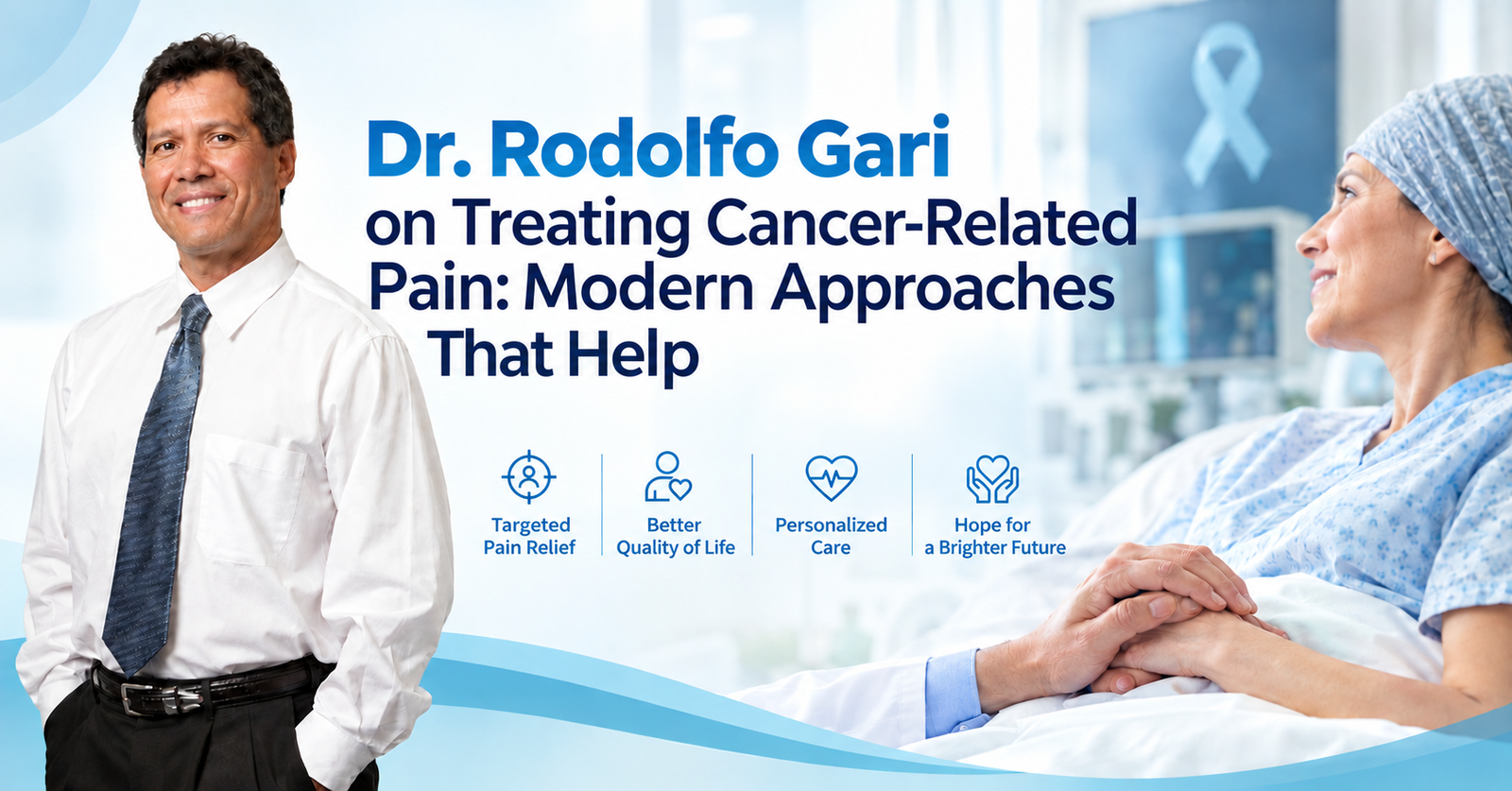
Ask around and you’ll find pain shows up in almost every cancer story just not the part people talk about first. Doctors go after the disease. Pain waits its turn and by the time it gets attention, it’s often already running the patient’s day.
Dr. Rodolfo Gari, an interventional pain management physician in Tampa, works from the other direction. Nerve-focused procedures, muscle pain relief, treatment plans that layer several approaches together opioids aren’t where he starts.
This Isn’t Regular Pain and It Shouldn’t Be Treated Like It
There’s almost never one clean cause. A tumor sitting on a nerve. Chemo leaving nerve damage that outlasts the treatment by years, not weeks. Muscles gone weak from lying around too long, aching for reasons that have nothing to do with the cancer directly.
Put it together and it’s messier than a standard pain case and that’s the whole argument for why cancer-related pain treatment needs someone fluent in both oncology and pain medicine.
The Physical and Emotional Toll on Patients
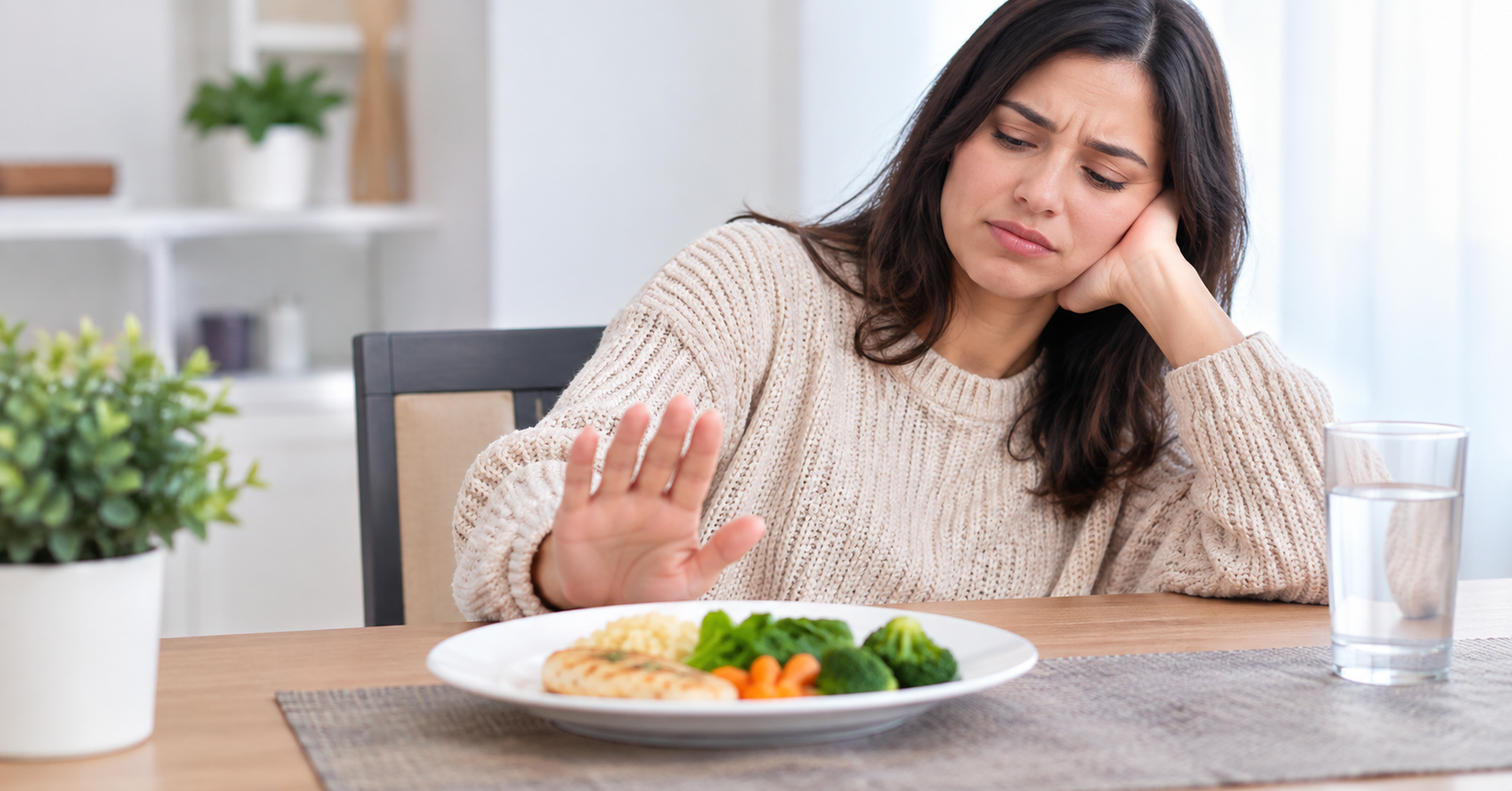
It reaches past the body too. Sleep goes first. Then appetite. Then the will to get through a normal day. Nerve problems and muscle pain that won’t ease up tend to bring anxiety and exhaustion along for the ride on top of everything a cancer diagnosis already demands.
Catch it early, though and patients usually handle treatment better and come out the other side stronger.
Pain Treatment Has Moved On From Just Pills
Nerve blocks. Radiofrequency ablation. Spinal cord stimulation. Injections aimed straight at wherever the inflammation’s coming from.
This is what modern cancer pain relief options actually look like now going after the cause instead of just quieting the symptom for a few hours.
Nerve-Focused Treatments for Cancer-Related Pain
Nerve damage gets its own playbook. A nerve specialist can usually pin down which nerves are actually causing trouble and from there something like a genicular nerve block or selective nerve root injection tends to help without patients trading away the mobility they walked in with.
Muscle Pain Medication and Multimodal Approaches
Muscle pain doesn’t respond well on its own, though. Dr. Gari usually pairs muscle pain medication with physical therapy and small, doable lifestyle changes rather than leaning on one fix. Less reliance on any single method. Less opioid exposure too, over time.
How Dr. Gari Actually Approaches This
Thirty-some years in and his view hasn’t budged much: relief that costs someone their mobility isn’t really relief. Every chronic pain management plan starts with specifics — the cancer type, what’s already been tried, what the patient wants their life to look like day to day.
Function comes first. That’s probably why people looking for a nerve specialist who treats the whole person, not a checklist of symptoms keep finding him.
Worth Getting Checked?

If pain sticks around longer than it should, gets worse even with medication, or comes with numbness, tingling, or weakness don’t just sit on it. Get it looked at.
Dr. Gari doesn’t sugarcoat it waiting until it’s unbearable just makes the road back longer. He’s also got pieces up on sciatica treatment options and diabetic neuropathy care, if either rings a bell.
Where That Leaves Things
A prescription pad was never going to be the whole answer for cancer pain management. It takes someone who actually understands nerve pathways, how muscles hold up under strain and what a cancer diagnosis does to a person beyond the physical.
Dr. Rodolfo Gari keeps helping patients claw back something like a normal life, using modern cancer pain relief options built around the person, not a template. For anyone dealing with chronic pain in cancer patients right now his multimodal approach is worth a look.
Next Step
You don’t have to just live with cancer pain. Dr. Rodolfo Gari and his team build minimally invasive cancer pain relief options around your actual diagnosis and what you want out of treatment. Reach out, get a consultation on the books, it’s a reasonable place to start.
Conclusion
The landscape of non-surgical chronic pain treatments continues to expand in 2026. Physical therapy, exercise, medication, behavioural approaches and targeted procedures can all have a role depending on the diagnosis. Non-invasive pain management may be appropriate for many patients while selected minimally invasive treatments can provide another option when conservative care is insufficient.
Dr. Rodolfo Gari focuses on personalized pain management that considers symptoms, diagnosis and treatment goals. If chronic pain is limiting your mobility, sleep or quality of life, consult a qualified pain specialist to discuss appropriate treatment options and determine whether surgery can be avoided.
Frequently Asked Questions
1.What actually works best?
Depends where the pain’s coming from, honestly there’s no one answer. Most people do better combining a few things: nerve blocks, medication, physical therapy, working together instead of solo.
2.Can nerve damage from treatment heal?
Sometimes, yeah. Catching it early makes a real difference. A nerve specialist can size up the damage and point toward whatever gives the best odds of getting function back.
3.When should someone actually go see a pain management physician?
As soon as pain starts cutting into sleep, movement or basic daily stuff. Waiting just drags out the recovery later.