How Dr. Rodolfo Gari Is Solving One of America’s Biggest Health Challenges

Chronic pain affects millions of adults across the United States and can interfere with movement, sleep, work and everyday activities. The chronic pain crisis in the US has become a healthcare concern as more patients seek effective ways to manage persistent symptoms. For people living with back pain, joint pain or nerve-related symptoms, appropriate care can require more than medication alone.
Dr. Rodolfo Gari focuses on individualized pain management that considers the underlying cause of symptoms, functional goals and available treatment options. This patient-centered approach can help people explore pain relief strategies while avoiding unnecessary escalation of treatment when appropriate.
Understanding the Chronic Pain Crisis in the US
The chronic pain crisis in the US is supported by current national surveillance data. According to the CDC’s National Center for Health Statistics, 24.3% of U.S. adults experienced chronic pain in 2023. Another 8.5% experienced high-impact chronic pain that frequently limited life or work activities.
These figures help explain why the chronic pain crisis in the US represents a significant healthcare challenge. Persistent pain can affect physical activity, employment, sleep and quality of life. The CDC has also reported that chronic pain is associated with reduced quality of life and other health concerns.
Why Chronic Pain Requires Individualized Care?
Pain does not have one universal cause or treatment. Back pain, joint pain and nerve-related symptoms can involve different mechanisms.
This is why pain management solutions USA patients receive should be based on their individual condition rather than simply the intensity of their symptoms.
Dr. Gari’s published pain-management guidance emphasizes evaluating the underlying problem and developing treatment according to the patient’s condition and medical history.
The Growing Need for Pain Management Solutions USA
The demand for pain management solutions USA patients can access reflects the scale and complexity of chronic pain. Current care can include rehabilitation, appropriate medications, behavioural approaches and selected interventional procedures depending on the diagnosis.
The goal of pain management solutions USA providers offer should therefore extend beyond temporarily reducing symptoms. Treatment can also focus on helping patients move better, maintain daily activities and understand their condition.
Moving Beyond a One-Size-Fits-All Approach
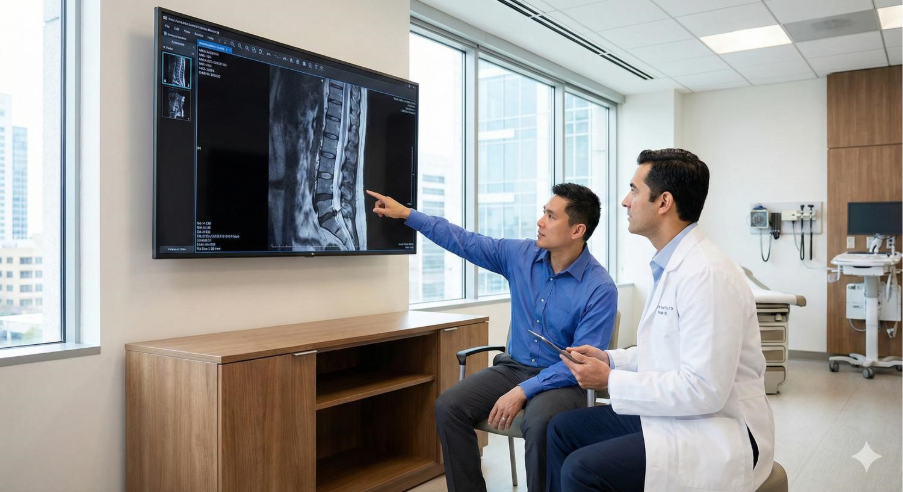
A patient may benefit from physical therapy while another may require medication or a targeted procedure. Some patients may need a combination of approaches.
This individualized model is especially relevant when considering pain management solutions USA patients may encounter through different specialists. Appropriate evaluation helps determine which options are reasonable for a particular diagnosis.
Healthcare Challenges in America and Access to Pain Care
One of the major healthcare challenges in America is ensuring that people with chronic conditions can obtain appropriate care. CDC research has highlighted differences in chronic pain prevalence by age, sex and level of urbanization. In 2023, chronic pain affected 31.4% of adults in nonmetropolitan areas compared with 20.5% in large central metropolitan areas.
These findings show why healthcare challenges in America cannot be addressed through a single strategy. Access, geography, clinical evaluation and treatment availability can all influence a patient’s experience.
Finding the Right Specialist
Patients with persistent pain may need specialist assessment when symptoms continue despite initial treatment or when symptoms suggest a more specific underlying problem.
A nerve specialist may be appropriate when symptoms include burning, shooting pain, numbness or other signs that could indicate nerve involvement. Dr. Gari’s published guidance also discusses when specialist evaluation may help identify causes and determine whether less invasive approaches could be appropriate.
Chronic Pain Treatment Innovations and Modern Care
Chronic pain treatment innovations have expanded the range of approaches available to selected patients. Modern pain care can include targeted injections, nerve blocks, radiofrequency ablation and advanced neuromodulation procedures when clinically appropriate.
Dr. Gari’s website discusses nerve blocks, radiofrequency ablation and advanced approaches such as spinal cord stimulation or peripheral nerve stimulation for selected patients.
However, chronic pain treatment innovations should not automatically be considered better simply because they are newer. The appropriate treatment depends on diagnosis, medical history and previous treatment response.
Minimally Invasive Options
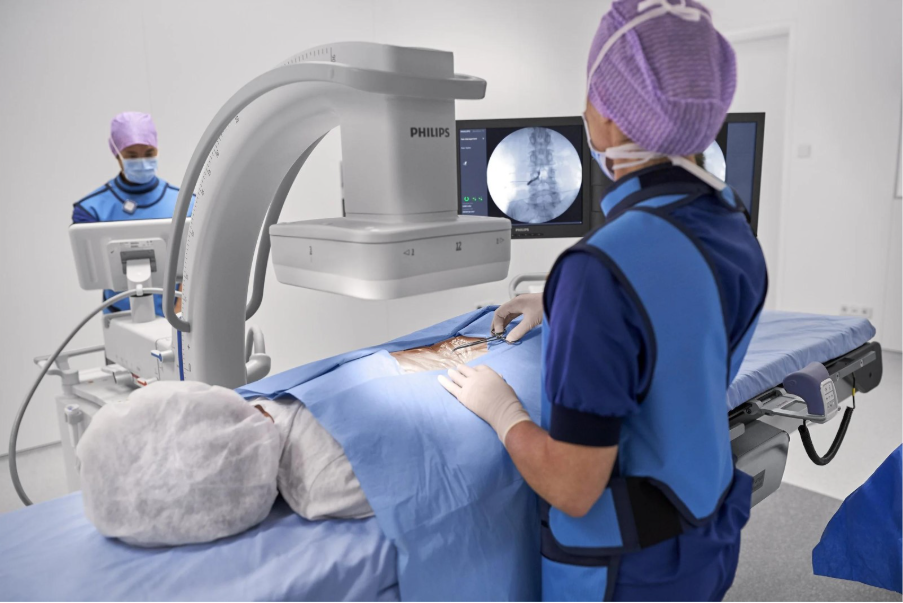
Some chronic pain treatment innovations involve procedures designed to target specific pain sources without conventional surgery. Nerve blocks can sometimes provide targeted relief while also helping clinicians evaluate the source of pain. Radiofrequency ablation may be considered for certain chronic joint or spinal pain conditions.
These approaches form part of a broader range of chronic pain treatment innovations, rather than replacing conservative treatment for every patient.
Addressing Nerve Problems and Musculoskeletal Pain
The chronic pain crisis in the US includes people experiencing very different types of symptoms. Nerve problems may cause burning, tingling or shooting sensations while musculoskeletal conditions may produce aching, stiffness or localized discomfort.
This distinction matters when choosing pain management solutions USA patients may need.
For example, automatically using muscle pain medication for symptoms that could involve nerve problems may not address the underlying cause. Evaluation by an appropriate specialist can help distinguish different pain mechanisms.

When Specialist Evaluation Matters?
Persistent nerve problems or unexplained pain should be evaluated rather than self-treated indefinitely. A nerve specialist or pain specialist can review symptoms, medical history and previous treatments before recommending an appropriate approach.
For patients interested in understanding specialist care, Dr. Gari’s article on when to see a pain specialist discusses evaluation, nerve blocks, radiofrequency ablation and other selected treatments.
How Dr. Rodolfo Gari Approaches Pain Management
Dr. Gari’s published material emphasizes individualized pain management rather than a single treatment pathway. His approach considers the underlying condition, treatment history and functional goals when determining appropriate care.
His educational content also discusses different approaches to pain relief, including rehabilitation, medications, behavioural support and selected procedures. The available published material supports describing Dr. Gari’s approach as individualized pain care. It does not establish that he alone is “solving” the national chronic pain crisis in the US. His role is better understood as contributing to patient-focused pain evaluation and treatment.
Conclusion
The chronic pain crisis in the US affects a substantial proportion of adults and creates complex challenges for patients and healthcare providers. Current data show the need for accessible, individualized care rather than relying on one universal treatment approach.
Modern pain management solutions USA patients may access can include conservative care, medications, rehabilitation and selected procedures. At the same time, healthcare challenges in America make appropriate specialist access increasingly important.
Dr. Rodolfo Gari’s published approach centers on individualized pain management, appropriate evaluation and treatment options selected according to each patient’s condition. If persistent pain is affecting your mobility, sleep or quality of life, contact Dr. Rodolfo Gari MD to discuss your symptoms and explore an appropriate treatment plan.
Frequently Asked Questions
1. How serious is the chronic pain crisis in the US?
CDC data show that 24.3% of U.S. adults experienced chronic pain in 2023 while 8.5% experienced high-impact chronic pain.
2. What are examples of pain management solutions USA patients may consider?
Depending on the diagnosis, options can include physical therapy, exercise, appropriate medications, behavioural approaches, nerve blocks, injections and selected minimally invasive procedures. Treatment should be individualized.
3. What are chronic pain treatment innovations?
Examples include radiofrequency ablation, targeted nerve blocks and selected neuromodulation treatments. These approaches are appropriate only for certain conditions following clinical evaluation.