
Vertebral Compression Fracture Treatment Options
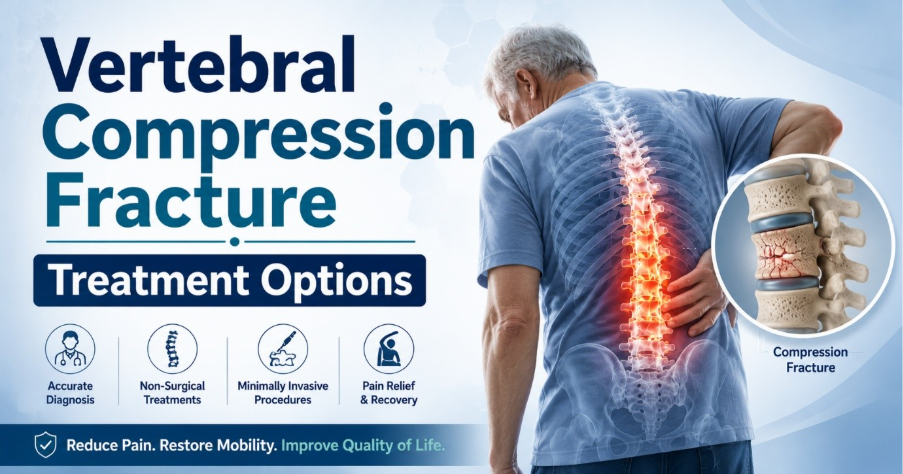
A sudden episode of back pain can sometimes be more than a muscle strain. A weakened vertebra can partially collapse and cause significant pain, reduced mobility and changes in posture. Understanding vertebral compression fracture treatment early can help patients explore appropriate options before discomfort begins to interfere with everyday activities. The appropriate treatment approach varies based on the type and severity of the fracture as well as the patient’s overall health.
Many people can improve with conservative care while others with persistent symptoms may require an intervention. Understanding compression fracture pain relief, spine fracture treatment options and vertebral fracture non-surgical treatment can help patients have informed conversations with their healthcare professionals.
Vertebral Compression Fracture: What Patients Should Know
When a vertebra becomes weakened and loses some of its height due to compression, it can result in a vertebral compression fracture. Osteoporosis is a common cause because reduced bone density can make vertebrae vulnerable to fractures during relatively minor activities.
Fractures may cause sudden or persistent back pain. Some people may also experience height loss or a more hunched posture over time.
Early evaluation can help determine whether the symptoms are related to a compression fracture and identify the most appropriate vertebral compression fracture treatment.
How Are Compression Fractures Diagnosed?
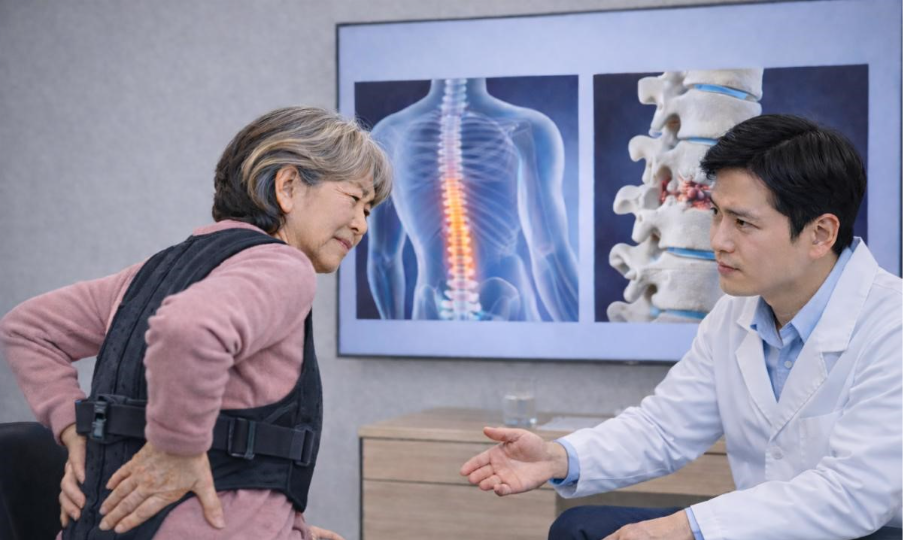
A healthcare professional may review symptoms and medical history before performing a physical examination. Imaging such as X-rays can help identify changes in the vertebrae. Depending on the circumstances an MRI or CT scan may provide additional information.
Diagnosis is important because back pain can originate from muscles, joints, discs, nerves or bones. Identifying the actual source allows treatment to focus on the underlying problem rather than simply masking symptoms.
Vertebral Fracture Non-Surgical Treatment
Not every compression fracture requires a procedure. Vertebral fracture non-surgical treatment may be appropriate when symptoms can be managed conservatively and there is no indication for an intervention.
Treatment may include activity modification, appropriate pain medication, physical therapy and supportive measures. The rehabilitation programs for vertebral fractures can include strengthening, posture training and balance exercises after the fracture has been appropriately stabilized.
The exact approach should be individualized. Prolonged inactivity can contribute to weakness and loss of mobility so returning to appropriate activity under professional guidance can be important.
Compression Fracture Pain Relief
Pain control is an important part of recovery. Compression fracture pain relief may involve medications selected according to the patient’s health history and other medical conditions.
Physical therapy may also help patients gradually improve movement and strength. For people with osteoporosis-related fractures addressing bone health is equally important because preventing additional fractures is a key part of long-term care. We recommend addressing osteoporosis through appropriate medical treatment alongside diet and exercise when indicated.
Spine Fracture Treatment Options
When conservative measures do not provide adequate improvement clinicians may consider other spine fracture treatment options.
Vertebroplasty
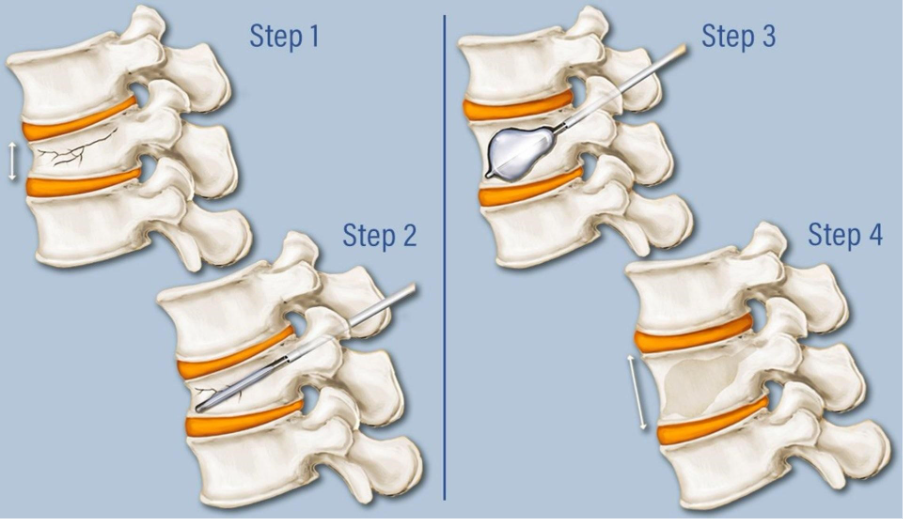
During vertebroplasty, a doctor injects specialized bone cement into the fractured vertebra to strengthen and stabilize it while potentially reducing pain. It as a treatment used most often for compression fractures with persistent or severe symptoms in appropriate patients.
Kyphoplasty
Kyphoplasty is similar but uses a balloon inside the vertebra before cement is introduced. The balloon is inflated and then removed before the cement is placed.
These procedures are not appropriate for every patient. A specialist should evaluate the fracture and determine whether an intervention is justified.
Managing Nerve Problems and Related Pain
A compression fracture does not always produce nerve symptoms. However, some spinal conditions can affect nearby nerves and cause radiating pain, numbness or weakness.
Patients experiencing nerve problems should receive an appropriate medical assessment. A nerve specialist or pain specialist may help determine whether symptoms originate from the fracture or another spinal condition.
Treatment should not automatically rely on muscle pain medication when symptoms suggest nerve involvement. Likewise, muscle pain relief strategies may not address the underlying cause of neurological symptoms.
A Comprehensive Approach to Pain Management
Effective pain management should address both immediate symptoms and the factors that may contribute to future fractures. For patients with osteoporosis this may include evaluation of bone health and strategies to reduce future fracture risk.
For persistent symptoms Chronic pain management may require a combination of rehabilitation, medication and selected procedures. Patients seeking professional guidance can explore pain management care to discuss symptoms and potential treatment approaches. The goal of treatment is not simply pain relief. It is also to restore mobility, support independence and reduce the risk of recurring problems.
Conclusion
Choosing appropriate vertebral compression fracture treatment begins with accurate diagnosis and an understanding of the patient’s individual circumstances. Compression fracture pain relief may come from conservative care while some patients may benefit from targeted procedures.
The range of spine fracture treatment options includes rehabilitation, medication, vertebroplasty and kyphoplasty when clinically appropriate. Vertebral fracture non-surgical treatment remains an important option for many patients. With comprehensive pain management, attention to bone health and appropriate Chronic pain management, treatment can focus on meaningful pain relief, mobility and long-term function.
Frequently Asked Questions
- What is the best vertebral compression fracture treatment?
There is no single treatment that is best for every patient. Vertebral compression fracture treatment depends on fracture severity, symptoms, bone health and overall medical condition.
- Can a vertebral compression fracture heal without surgery?
Yes. Vertebral fracture non-surgical treatment can be appropriate for many patients. Conservative care may include pain control, activity modification and rehabilitation when clinically appropriate.
- When are vertebroplasty or kyphoplasty considered?
These procedures may be considered for selected patients with persistent or severe pain despite appropriate conservative treatment. A specialist should determine whether the potential benefits outweigh the risks.