Facet Joint Injections: Are They the Right Solution for Your Back Pain?

Persistent back pain can affect almost every part of daily life-from sitting at work and exercising to sleeping comfortably. Although back pain can have many causes, the facet joints are one possible source, particularly when pain is associated with arthritis, degeneration, injury or repeated stress on the spine.
Facet joints are small joints found along the back of the spine that help connect and support the vertebrae. They help stabilize the spine while allowing controlled movements such as bending and twisting. When these joints become irritated or inflamed, they may contribute to localized back or neck pain.
For appropriately selected patients, facet joint injections for back pain may offer targeted pain relief while also helping physicians determine whether a facet joint is contributing to the symptoms. Rodolfo Gari, MD, provides interventional pain-management care that may include facet joint injections as part of an individualized treatment strategy. His website describes these injections as a minimally invasive approach that can provide both diagnostic and therapeutic benefits.
But are facet injections right for everyone? Not necessarily. Understanding how they work, their potential benefits, limitations and alternatives can help you have a more informed conversation with your healthcare provider.
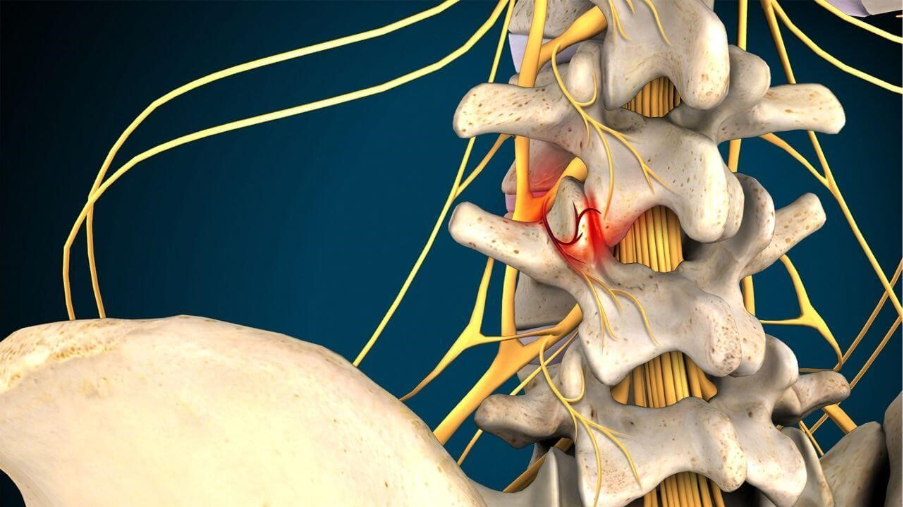
What Are Facet Joints?
Facet joints are paired joints positioned along the back of the spine. They connect adjacent vertebrae and help control spinal movement.
Like other joints, facet joints can develop degenerative changes over time.
What Can Cause Facet Joint Pain?
Common contributors may include:
- Age-related joint degeneration
- Osteoarthritis
- Previous spinal injuries
- Repetitive physical stress
- Inflammation
- Changes in spinal mechanics
Facet-related pain can occur in either the cervical spine (neck) or lumbar spine (lower back).
According to information published by Dr. Gari’s practice, facet-related pain may present as aching discomfort, stiffness and pain that becomes more noticeable with certain movements.
What Are Facet Joint Injections for Back Pain?
A facet joint injection involves delivering medication into or around a suspected painful facet joint.
The medication may include a local anesthetic and an anti-inflammatory corticosteroid. The anesthetic can temporarily numb the area, while the corticosteroid is intended to reduce inflammation.
Imaging guidance, such as fluoroscopy, can be used to help the physician position the needle accurately. Dr. Gari’s published material describes the procedure as involving imaging-guided needle placement followed by medication delivery to the targeted joint.
The procedure may serve two purposes:
- Therapeutic: to potentially reduce pain and inflammation.
- Diagnostic: temporary pain reduction can provide information about whether the targeted joint may be contributing to symptoms.
What Are the Facet Joint Injection Benefits?
For appropriately selected patients, there are several potential facet joint injection benefits.
Targeted Pain Relief
Rather than delivering medication throughout the body, the procedure targets the suspected pain source.
If facet inflammation is contributing to symptoms, reducing inflammation in that area may help decrease discomfort.
Improved Mobility
Reducing pain may make everyday movement easier. Some patients may also find it easier to participate in physical therapy or exercise after symptoms are better controlled.
Minimally Invasive Treatment
Facet injections are performed using a needle rather than a surgical incision. This makes them considerably less invasive than traditional spinal surgery.
Diagnostic Information
A meaningful temporary reduction in a patient’s typical pain following a targeted injection can provide useful information when evaluating the source of pain.
Dr. Gari’s practice specifically describes facet injections as having both therapeutic and diagnostic applications.
Who May Be a Candidate for Facet Joint Pain Treatment?
Facet injections aren’t suitable for every type of back pain.
A physician may consider them when the symptoms and examination suggest that facet joints could be contributing to chronic spinal pain.
Potential candidates may have:
- Persistent lower back or neck pain
- Suspected facet joint arthritis
- Pain associated with spinal degeneration
- Symptoms that have not improved enough with conservative treatment
- Localized pain patterns consistent with facet involvement
Why Diagnosis Matters?
Back pain can originate from many structures, including:
- Intervertebral discs
- Spinal nerves
- Muscles
- Sacroiliac joints
- Facet joints
An injection shouldn’t be selected simply because someone has back pain. A comprehensive assessment helps determine whether the facet joints are a plausible pain generator.
Dr. Gari’s website also provides information about facet joint syndrome and non-surgical treatment approaches for patients with suspected facet-related pain.

What Happens During Back Pain Injection Therapy?
Treatment procedures can differ depending on the patient’s individual condition and the targeted area.
Before the Procedure
Your physician reviews your symptoms, medical history, medications and relevant imaging. You may receive specific instructions regarding medications or eating and drinking before the procedure.
During the Procedure
The treatment area is cleaned and numbed. The physician then uses imaging guidance to direct the needle toward the targeted facet joint before delivering the medication.
Dr. Gari’s published description states that facet joint injections are generally performed using imaging guidance and may take less than 30 minutes, although procedure time can vary.
After the Procedure
Patients are typically observed briefly before leaving. Your physician will provide instructions regarding activity and follow-up.
Temporary soreness around the injection site can occur.
How Long Does Relief From Facet Injections Last?
The duration of relief varies considerably from one patient to another.
Some patients experience meaningful improvement, while others may have limited or temporary results.
Factors that can influence outcomes include:
- The underlying cause of pain
- Degree of joint degeneration
- Overall health
- Severity and duration of symptoms
- Response to previous treatments
It is important to view an injection as one component of a broader treatment plan rather than a guaranteed permanent solution.
What If Facet Injections Don’t Provide Lasting Relief?
A temporary response to an injection can sometimes help guide the next stage of treatment.
Physical Therapy
Strengthening and flexibility exercises can improve spinal support and movement.

Lifestyle Changes
Maintaining a healthy weight, staying active and improving posture and ergonomics may support long-term spine health.
Radiofrequency Ablation
For selected patients who receive significant but temporary relief from diagnostic procedures, radiofrequency ablation may be considered.
This treatment uses controlled radiofrequency energy to interrupt pain signals carried by targeted nerves. Dr. Gari’s website discusses facet thermal ablation as a minimally invasive option for selected patients with persistent facet-related pain.
Patients interested in learning more can explore facet thermal ablation as a potential next-step treatment option.
Are Facet Joint Injections Safe?
Facet injections are minimally invasive, but every medical procedure has potential risks.
Possible complications can include:
- Temporary soreness
- Bleeding
- Infection
- Medication-related reactions
- Temporary changes associated with the injected medication
- Rare nerve or tissue injury
Dr. Gari’s published information notes that serious complications are uncommon but can include infection, bleeding and nerve injury.
Your physician should review the potential benefits and risks based on your medical history before treatment.
How Dr. Rodolfo Gari Approaches Facet-Related Back Pain
Effective treatment begins with understanding where the pain originates.
Dr. Rodolfo Gari’s approach focuses on evaluating the patient’s symptoms and developing an individualized treatment strategy.
- Comprehensive Evaluation
A patient’s symptoms, medical history, physical findings and relevant diagnostic studies are considered together.
- Personalized Treatment
Rather than using the same procedure for every patient, treatment is customized to address each person’s specific condition.
- Minimally Invasive Options
When appropriate, interventional procedures may provide an option between conservative care and more invasive treatments.
- Long-Term Management
The objective is not simply temporary pain reduction. Treatment can also focus on improving mobility, function and overall quality of life.
Patients seeking facet joint pain treatment can discuss their symptoms with Dr. Gari to determine whether facet injections or another approach may be appropriate.
When Should You Consider Facet Joint Injections?
Consider discussing your symptoms with a pain-management specialist if back or neck pain:
- Persists despite conservative treatment
- Limits your daily activities
- Interferes with work or exercise
- Affects sleep
- Keeps returning
- Has not been clearly diagnosed
A specialist can determine whether facet joints may be involved and whether back pain injection therapy is appropriate.
Conclusion
Facet joint injections for back pain can be a useful treatment option for carefully selected patients whose symptoms are believed to originate from irritated or degenerative facet joints.
Potential facet joint injection benefits include targeted pain relief, improved mobility, minimally invasive treatment and diagnostic information that can help guide future care.
However, facet injections aren’t appropriate for every type of back pain. A thorough evaluation is important to pinpoint what may be causing the symptoms and determine the most appropriate treatment approach. Contact us today if persistent back or neck pain is affecting your quality of life, Dr. Rodolfo Gari, MD, can evaluate your condition and discuss personalized pain-management options.
Frequently Asked Questions
1. What are the benefits of facet joint injections?
Potential benefits include targeted pain relief, reduced inflammation, improved mobility and diagnostic information that may help identify whether a facet joint is contributing to pain.
2. Are facet joint injections effective for back pain?
They may help patients whose pain is related to facet joint inflammation or degeneration. Getting evaluated by a qualified healthcare provider can help pinpoint whether the facet joints are causing your symptoms.
3. How long does a facet joint injection take?
The procedure itself is generally relatively short. The exact duration depends on the number of joints being treated and the patient’s individual circumstances.