Hidden Triggers of Sciatica Pain You Didn’t See Coming
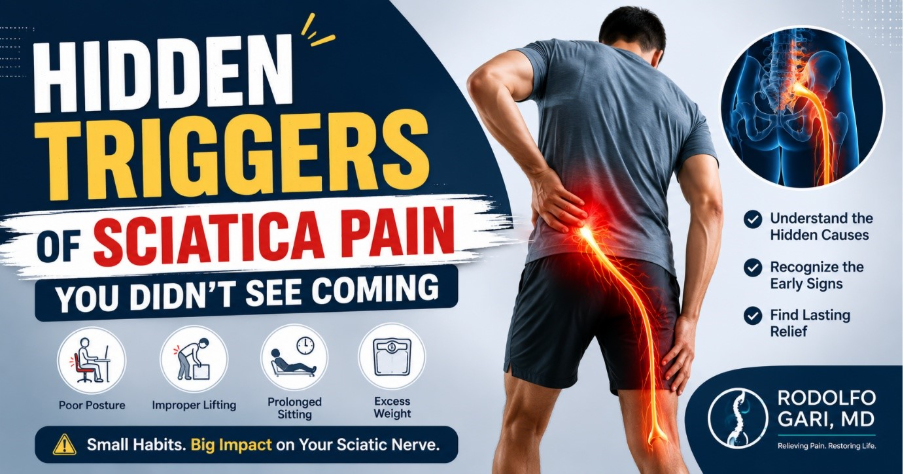
Sciatica is one of the most common causes of radiating leg pain, affecting millions of people worldwide. While many people associate sciatica with a herniated disc or heavy lifting, the reality is that numerous hidden factors can irritate the sciatic nerve without you even realizing it. These overlooked causes may gradually worsen symptoms, making everyday activities like sitting, walking or sleeping increasingly uncomfortable.
Understanding sciatica pain triggers is the first step toward preventing flare-ups and seeking the right treatment. From poor posture and prolonged sitting to lifestyle habits and underlying medical conditions, several unexpected factors can contribute to sciatic nerve irritation.
What Is Sciatica?
Pressure or irritation affecting the sciatic nerve can lead to sciatica, resulting in pain, numbness, tingling and weakness that radiate from the lower back through the buttock and down one or both legs. This can cause pain, tingling, numbness and weakness that may travel down the affected leg.
Unlike general lower back pain, sciatica usually affects only one side of the body and may cause:
- Sharp or burning pain
- Tingling sensations
- Numbness
- Muscle weakness
- Pain that radiates down the leg
Recognizing these sciatic nerve pain symptoms early allows patients to seek timely evaluation and prevent further nerve irritation.
Common Symptoms That Shouldn’t Be Ignored
Sciatica symptoms vary according to the severity and location of nerve compression. They can include mild pain, discomfort or severe symptoms that limit mobility and interfere with daily activities. Some patients experience mild discomfort, while others struggle with severe pain that limits daily activities.
Pain That Travels Down the Leg
One of the most common symptoms of sciatica is pain that starts in the lower back or buttock and radiates through the thigh and calf, sometimes extending into the foot.
This pain often worsens when sitting for long periods, coughing or bending forward.
Tingling and Numbness
Many individuals notice pins-and-needles sensations or numbness along the affected leg. These symptoms indicate that the sciatic nerve is under pressure and should not be ignored if they become persistent.
Muscle Weakness
If the pressure on the sciatic nerve increases, you may notice weakness in your leg or foot, making everyday activities like walking or climbing stairs more difficult. Seek urgent medical care if you lose control of your bladder or bowels, as this could be a sign of a serious condition.
Hidden Sciatica Pain Triggers You May Overlook
While disc problems are well-known causes of sciatica, many everyday habits can quietly contribute to nerve irritation.
Prolonged Sitting
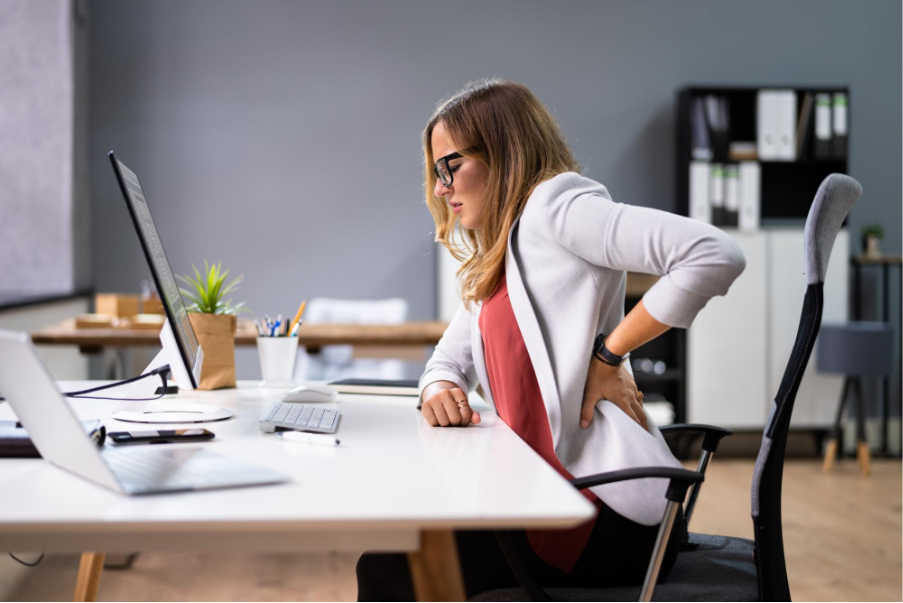
One of the most underestimated sciatica pain triggers is sitting for extended periods.
Whether you’re working at a desk, driving long distances or spending hours watching television, prolonged sitting places increased pressure on the lower spine and surrounding muscles. Over time, this added stress may irritate the sciatic nerve and worsen symptoms.
Taking short walking breaks every 30 to 60 minutes and maintaining proper posture can significantly reduce spinal strain.
Poor Posture
Slouching while sitting or standing changes the natural alignment of the spine. Poor posture increases pressure on the lumbar discs and surrounding muscles, creating conditions that may contribute to sciatic nerve irritation.
Simple ergonomic improvements-such as adjusting your workstation, using supportive seating and keeping your shoulders relaxed-can make a meaningful difference in preventing discomfort.
Carrying Heavy Bags Incorrectly
Many people regularly carry heavy backpacks, handbags or shoulder bags without realizing the strain they place on the lower back.
Uneven weight distribution can alter posture and increase pressure on the spine, potentially contributing to hidden causes of sciatica over time.
Whenever possible, distribute weight evenly and avoid carrying excessively heavy bags for prolonged periods.
Tight Hip and Hamstring Muscles
Muscle tightness is another overlooked factor that may increase pressure around the pelvis and lower back.
Limited flexibility in the hips and hamstrings changes movement patterns, placing additional stress on the lumbar spine and potentially irritating the sciatic nerve.
Regular stretching, strengthening exercises and maintaining an active lifestyle can improve flexibility while reducing the likelihood of future flare-ups.
Lifestyle Habits That Can Worsen Sciatica
Many daily habits contribute to spinal stress without causing immediate symptoms. Over time, however, these behaviors may increase the risk of developing sciatica or making existing symptoms worse.
Physical Inactivity
If you spend too much time sitting and don’t exercise regularly, your back and core muscles can become weaker, making sciatica more likely. Reduced core strength places greater stress on the lower back, increasing the likelihood of nerve compression.
Low-impact activities such as walking, swimming and physician-approved stretching exercises can improve spinal stability and reduce discomfort.
Improper Lifting Techniques
Lifting with your back instead of your legs can strain your lower back and irritate the sciatic nerve. Using the correct lifting posture helps protect your spine and reduce the risk of sciatica. While lifting or carrying excessive weight can place sudden pressure on the lumbar spine, increasing the risk of disc injuries and sciatic nerve irritation.
Practicing proper lifting techniques and avoiding sudden, awkward movements can help protect your spine and reduce the risk of injury.
Other Hidden Causes of Sciatica
While a herniated disc is a common cause of sciatica, it is not the only one. Common medical conditions and lifestyle habits can compress or irritate the sciatic nerve, resulting in persistent or recurring sciatica pain.
Excess Body Weight
Excess body weight places added pressure on the lower back and spinal discs, increasing the risk of sciatic nerve compression. Making small, healthy lifestyle changes can have a lasting impact. Looking after your diet and staying physically active can help keep excess weight off, reduce pressure on your spine, ease sciatica pain and keep your back healthy in the long run.
Stress and Muscle Tension
While emotional stress does not directly cause sciatica, it can contribute to muscle tension in the lower back and hips, which may increase pressure on the sciatic nerve and make sciatica pain more noticeable Managing stress through relaxation techniques, regular exercise and adequate sleep may help reduce muscle tension, relieve discomfort and support overall spinal health. Incorporating stress-management techniques such as mindfulness, stretching or light exercise may help ease muscle tension and improve overall well-being.
When Should You See a Doctor?
Although mild sciatica may improve with rest and conservative care, persistent or worsening symptoms should never be ignored.
Seek medical attention if you experience:
- Pain lasting longer than several weeks
- Severe leg weakness
- Increasing numbness or tingling
- Difficulty walking or standing
- Pain that interferes with daily activities
- Loss of bladder or bowel control is a medical emergency and requires immediate medical attention.
Simple lifestyle habits, such as eating well and staying active, can make a real difference by reducing strain on your spine, easing sciatica symptoms and supporting long-term spinal health, mobility and back strength.
Treatment Options for Sciatica
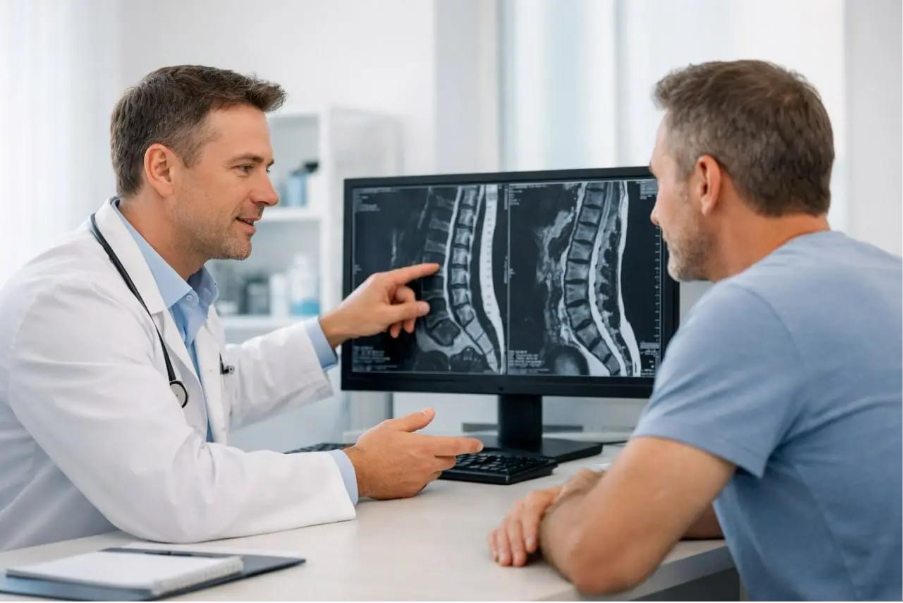
The right treatment depends on the severity of your symptoms and the underlying cause of nerve irritation. After a comprehensive evaluation, your physician may recommend one or more of the following:
- Physical therapy to improve strength and flexibility
- Anti-inflammatory medications to reduce pain and swelling
- Lifestyle modifications, including posture correction and ergonomic adjustments
- Targeted stretching and exercise programs
- Image-guided injections for persistent nerve inflammation
Understanding what’s causing your sciatica allows your healthcare provider to create a treatment plan that reduces pain, treats the root cause and helps you return to your normal activities.
You can also visit our educational section on sciatica treatment and pain management to learn more about available care options.

Preventing Future Sciatica Flare-Ups
While not every case of sciatica can be prevented, healthy lifestyle habits can significantly lower your risk of recurring symptoms.
Helpful prevention strategies include:
- Maintaining good posture while sitting and standing
- Exercising regularly to strengthen your core muscles
- Stretching your hips and hamstrings frequently
- Taking breaks during prolonged sitting
- Using proper lifting techniques
- Maintaining a healthy body weight
Making small, healthy lifestyle changes each day can help protect your spine, reduce sciatica pain triggers and support long-term back health.
Conclusion
Many people assume that sciatica develops suddenly, but the condition often results from a combination of hidden lifestyle habits, spinal changes and underlying health conditions. By understanding the common causes and hidden triggers of sciatica, recognising early symptoms and seeking timely treatment, you can reduce pain, protect your spine and support long-term spinal health.
Find Lasting Relief from Sciatica Pain. If you’re experiencing persistent leg pain, numbness, or lower back discomfort, don’t wait for your symptoms to worsen. Contact Rodolfo Gari, MD today to schedule a consultation and receive a personalized evaluation. Our caring team works to find the cause of your sciatica and create a personalised treatment plan to ease your pain, help you move comfortably and improve your everyday life.
Frequently Asked Questions
1. What are the most common sciatica pain triggers?
Common sciatica pain triggers include prolonged sitting, poor posture, improper lifting techniques, tight muscles, excess body weight and spinal conditions such as herniated discs and spinal stenosis.
2. What causes sciatica pain to flare up unexpectedly?
Sciatica flare-ups can occur due to sudden movements, improper lifting, extended periods of sitting, muscle tension or worsening compression of the sciatic nerve.
3. When should I seek medical treatment for sciatica?
If your sciatica pain doesn’t improve after a few weeks, becomes more severe, causes weakness or numbness in your leg, or makes everyday tasks difficult, consult a healthcare provider.