How Better Pain Management Improves Quality of Life

Has ongoing pain slowly changed how you sleep, work, exercise or spend time with the people you care about? Persistent discomfort can affect far more than one part of the body. It may influence mobility, emotional well-being and the ability to complete ordinary daily activities.
This is why pain management for quality of life should focus on more than lowering a pain score. The wider goal is to help patients improve function, participate in meaningful activities and manage symptoms more confidently.
Chronic pain is common. CDC data show that 24.3% of U.S. adults experienced chronic pain in 2023, while 8.5% had high-impact chronic pain that frequently limited life or work activities.
Depending on the underlying condition, chronic pain treatment options may include rehabilitation, nonopioid medications, selected procedures and behavioural approaches. Pain relief for chronic conditions should be individualized because pain mechanisms and functional limitations differ between patients.
The most effective pain management strategies often begin with understanding the source and impact of symptoms. This article explores how personalized care may improve mobility, sleep and daily function while helping patients build a more sustainable approach to long-term pain.
Why Pain Management for Quality-of-Life Matters?
Pain becomes particularly disruptive when it begins controlling everyday decisions. A patient may stop walking regularly, avoid social plans or struggle to sleep because movement increases discomfort.
Pain management for quality of life considers these broader effects. Instead of asking only, “How severe is the pain?” healthcare providers may also evaluate how symptoms affect movement, work and daily independence.
Pain Relief for Chronic Conditions Supports Daily Function
The purpose of pain relief for chronic conditions is not always complete symptom elimination. For some patients, meaningful progress may involve walking farther, sleeping more consistently or returning to an important activity.
Treatment goals may include:
- Improving mobility
- Reducing pain-related interruptions
- Supporting better sleep
- Increasing activity tolerance
- Improving participation in daily routines
Pain-management programs commonly emphasize function and quality of life rather than pain control alone.
Understanding Chronic Pain Treatment Options
There is no single treatment that works for every person with persistent pain. The source of discomfort, medical history and functional goals all influence the care plan.
Modern chronic pain treatment options may combine several approaches. CDC guidance states that nonopioid therapies are preferred for subacute and chronic pain and lists both nonpharmacologic and nonopioid medication approaches.
Effective Pain Management Strategies Use Personalized Care
Effective pain management strategies begin with a careful assessment. A treatment used for nerve-related pain may differ from care for joint, muscular or spinal discomfort.
A personalized plan may consider:
- Physical therapy or structured exercise
- Appropriate medications
- Behavioural or psychological support
- Activity and lifestyle modifications
- Interventional procedures for selected patients
These chronic pain treatment options may be combined rather than used in isolation. Multimodal pain care can include medications, restorative therapies, procedures and behavioural treatment.
Pain Relief for Chronic Conditions Can Improve Mobility
Persistent discomfort can lead patients to move less because they fear worsening their symptoms. Over time, reduced activity may contribute to stiffness, weakness or declining physical confidence.
Appropriate pain relief for chronic conditions may make rehabilitation and carefully selected movement more manageable.

Chronic Pain Treatment Options for Better Movement
Some chronic pain treatment options focus directly on improving function. Physical therapy may use stretching, strengthening and movement exercises based on the patient’s condition.
CDC lists exercise and physical therapy among nonpharmacologic approaches used for several pain conditions.
Better movement may help patients:
- Complete household activities
- Walk more comfortably
- Maintain strength
- Participate in rehabilitation
- Return to selected hobbies
The objective is not to push through severe pain without guidance. Effective pain management strategies should establish realistic goals and adjust treatment according to the patient’s response.
Effective Pain Management Strategies Support Better Sleep
Pain and sleep can strongly influence each other. Persistent discomfort may make it difficult to fall asleep or remain comfortable through the night. Poor rest can then make daily coping more challenging. This is another reason pain management for quality of life must look beyond a single symptom.
Pain Relief for Chronic Conditions Requires a Wider View
When developing pain relief for chronic conditions, healthcare providers may discuss sleep, stress, physical activity and emotional well-being alongside physical symptoms.
Patients can support treatment by tracking:
- When pain becomes worse
- Activities linked to symptom flares
- Sleep interruptions
- Changes in mobility
- Responses to treatments
These details may help clinicians understand how pain affects the full day.

Effective pain management strategies also require regular reassessment. If a treatment is not improving function or causes unacceptable side effects, the care plan may need adjustment.
When Advanced Chronic Pain Treatment Options Are Considered
Despite non-surgical treatment, some patients continue to experience significant pain and discomfort. In these situations, further evaluation may help identify whether a targeted intervention is appropriate.
Personalized Procedures for Pain Management for Quality of Life
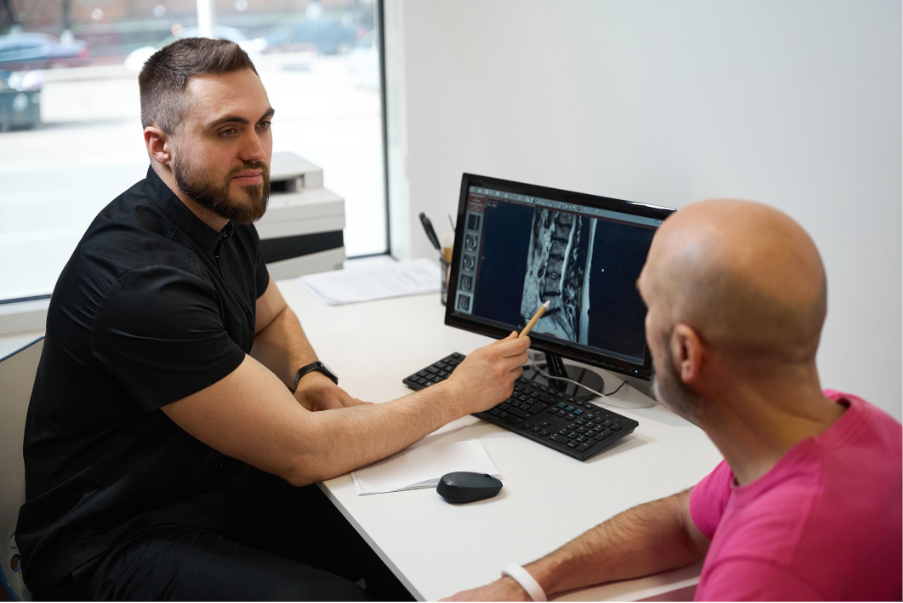
Advanced chronic pain treatment options can include selected injections, nerve blocks or other interventional procedures. The choice depends on the suspected pain source and the patient’s clinical findings.
For example, nerve blocks target specific nerves and may be used in selected pain conditions. They can also sometimes provide diagnostic information about the source of discomfort.
A pain specialist may evaluate:
- Pain location and pattern
- Duration of symptoms
- Neurological findings
- Previous treatment response
- Imaging or diagnostic findings
- Functional limitations
The goal of pain management for quality of life remains personalized improvement rather than automatically moving toward more invasive care.
Building Sustainable Pain Relief for Chronic Conditions
Long-term care often requires active participation from both the patient and healthcare team. Pain relief for chronic conditions may change over time as symptoms, activity levels and treatment responses evolve.
Daily Habits and Effective Pain Management Strategies
Practical effective pain management strategies may include following a rehabilitation program, taking medications as directed and discussing significant symptom changes with a healthcare provider.
Patients may also benefit from:
- Pacing demanding activities
- Maintaining an appropriate exercise routine
- Following consistent sleep habits
- Using safe movement techniques
- Tracking pain patterns
- Attending recommended follow-ups
These habits do not replace medical treatment. Instead, they can support a wider care plan.
Successful pain management for quality of life also requires realistic goals. A useful goal may be walking for a specific duration, completing a household task or sleeping with fewer interruptions. When patients and healthcare providers review these goals together, chronic pain treatment options can be adjusted according to meaningful functional progress.
Conclusion
Persistent pain can affect movement, sleep, work and personal independence. Better pain relief for chronic conditions begins with understanding how symptoms influence daily life and identifying the underlying pain problem.
Personalized chronic pain treatment options and effective pain management strategies may combine rehabilitation, medications, lifestyle support and selected interventional procedures. The right approach differs for every patient.
Ultimately, pain management for quality of life is about helping individuals pursue better function, comfort and participation in meaningful activities. If chronic pain is interfering with your routine, do not simply accept it as part of everyday life. Start your journey toward lasting pain relief by consulting a pain management specialist for a comprehensive assessment and personalized care recommendations.
Frequently Asked Questions
1. Can better pain management improve daily life?
Yes. Personalized care may support mobility, sleep and daily function while reducing the impact of persistent discomfort.
2. What treatments are available for chronic pain?
Successful chronic pain management often relies on integrating physical therapy, medication, behavioural strategies and minimally invasive interventional treatments when appropriate.
3. How is a long-term pain plan developed?
A specialist considers the cause of pain, symptoms and functional goals when selecting pain relief for chronic conditions and appropriate treatment methods.