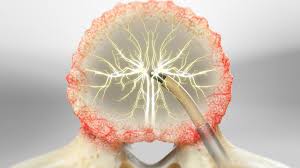
Basivertebral Nerve Ablation for Chronic Back Pain: A Complete Guide
Chronic back pain is one of the most common medical conditions affecting adults worldwide. Millions of people struggle daily with persistent discomfort that limits mobility, reduces productivity, and significantly impacts quality of life. Traditional approaches like medication, physical therapy, and even spinal injections often provide only temporary relief. For patients who continue to suffer despite conservative treatments, newer interventional techniques such as Basivertebral nerve ablation are gaining attention as a promising long-term solution.
Basivertebral nerve ablation is a minimally invasive procedure designed specifically to treat vertebrogenic pain — a form of chronic low back pain originating from damaged vertebral endplates. By targeting the basivertebral nerve inside the vertebral body, physicians can interrupt the pain signals being transmitted to the brain. This targeted approach helps many patients experience long-lasting pain relief without major surgery.
One commonly used technique for this treatment is the Intracept procedure, which has been clinically studied and widely adopted for patients suffering from persistent vertebrogenic pain. As awareness grows, more individuals are exploring this treatment option as part of their chronic low back pain treatment journey.
In this comprehensive guide, we will explore everything you need to know about basivertebral nerve ablation. You will learn how the procedure works, who qualifies for it, what to expect during recovery, and how it compares to other chronic low back pain treatment options. By the end of this article, you will have a clear understanding of whether this innovative therapy could be the solution to managing your chronic back pain.
Understanding Chronic Back Pain and Vertebrogenic Pain
Chronic back pain is typically defined as pain that persists for more than three months. While many people experience occasional back discomfort, persistent pain can significantly affect daily activities, work performance, and overall well-being. Understanding the root cause of chronic back pain is essential in selecting the most effective treatment.
One specific type of pain that has gained increasing attention in recent years is vertebrogenic pain. This condition originates from the vertebral endplates—the thin layers of cartilage that separate the spinal discs from the vertebrae. When these endplates become damaged or inflamed, they can trigger persistent pain signals through the basivertebral nerve.
Unlike muscle-related back pain or nerve compression from herniated discs, vertebrogenic pain stems from structural changes inside the vertebra itself. These changes can be identified through imaging studies such as MRI scans, where physicians may detect Modic changes in the vertebral endplates.
Many patients suffering from vertebrogenic pain struggle for years with limited relief from conventional therapies. Common treatments include:
- Physical therapy programs designed to strengthen spinal muscles
- Pain medications such as NSAIDs or muscle relaxants
- Steroid injections to reduce inflammation
- Lifestyle modifications including weight management and posture correction
While these strategies can help manage symptoms, they may not always address the underlying pain source. This is where basivertebral nerve ablation becomes an important advancement in chronic low back pain treatment.
By targeting the basivertebral nerve responsible for transmitting pain signals, physicians can directly treat the root cause of vertebrogenic pain. For patients who meet the eligibility criteria, this approach offers a promising alternative to more invasive spinal surgeries.
What Is Basivertebral Nerve Ablation?
Basivertebral nerve ablation is a minimally invasive spinal procedure designed to treat chronic vertebrogenic back pain by disabling the basivertebral nerve. This nerve runs inside the vertebral body and carries pain signals from damaged endplates to the brain.
The procedure uses radiofrequency energy to heat and deactivate the nerve, preventing it from transmitting pain signals. Because the nerve is responsible for chronic pain originating from the vertebral body, its ablation can significantly reduce discomfort for eligible patients.
This treatment has become increasingly popular due to its targeted approach and favourable outcomes compared to some traditional interventions. The procedure is typically performed by interventional pain specialists or spine surgeons in an outpatient setting.
How the Intracept Procedure Works
The Intracept procedure is one of the most widely used methods for performing basivertebral nerve ablation. It is FDA-cleared and supported by clinical research demonstrating long-term pain reduction in appropriately selected patients.
The procedure generally involves the following steps:
- Patient preparation
The patient is positioned comfortably and given sedation or local anesthesia. - Guided access to the vertebra
Using fluoroscopic imaging, the physician inserts a small cannula through the back into the targeted vertebral body. - Placement of the radiofrequency probe
A specialized probe is advanced through the cannula toward the basivertebral nerve. - Radiofrequency ablation
Controlled heat is applied to ablate the nerve, preventing it from sending pain signals. - Completion and recovery
The instruments are removed, and the small incision is covered with a bandage.
The Intracept procedure typically takes about 60 to 90 minutes, and most patients can return home the same day.
Who Qualifies for Basivertebral Nerve Ablation Treatment?
Not every patient with back pain qualifies for basivertebral nerve ablation. The procedure is specifically designed for individuals suffering from vertebrogenic pain associated with structural changes in the vertebral endplates.
Candidates for this chronic low back pain treatment typically meet several criteria.
Common eligibility factors include
- Chronic low back pain lasting more than six months
- Pain that has not improved with conservative therapies
- MRI evidence of Modic type 1 or type 2 changes
- Pain localized primarily in the lower back rather than legs
Patients who may not qualify include
- Individuals with severe spinal instability
- Patients with spinal infections or tumours
- Those with nerve compression causing leg pain (sciatica)
A thorough evaluation by a spine specialist is necessary before determining eligibility for basivertebral nerve ablation. Diagnostic imaging and clinical history help physicians confirm whether the basivertebral nerve is the primary pain source.
When appropriate patients undergo the Intracept procedure, many experience substantial improvement in pain levels and daily functioning.
Benefits of Basivertebral Nerve Ablation
The growing popularity of basivertebral nerve ablation is largely due to the benefits it offers compared to traditional treatments for chronic back pain.
Its targeted approach is one of its most notable advantages. Instead of broadly addressing symptoms, the procedure directly treats the nerve responsible for transmitting vertebrogenic pain signals.
Key benefits include
Minimally invasive treatment
The procedure requires only a small incision and typically does not involve extensive tissue disruption. This reduces surgical risks and shortens recovery time.
Long-lasting pain relief
Clinical studies have shown that many patients experience sustained improvement in pain and functional outcomes after undergoing basivertebral nerve ablation.
Reduced reliance on medications
By addressing the underlying cause of pain, patients may reduce their dependence on long-term pain medications.
Outpatient procedure
Most individuals undergoing the Intracept procedure return home the same day, making it convenient and less disruptive to daily life.
Improved quality of life
Patients often report increased mobility, better sleep, and improved ability to perform everyday activities after successful treatment.
For individuals who have exhausted other chronic low back pain treatment options, basivertebral nerve ablation can represent a major turning point in their pain management journey.
What to Expect During Recovery
Recovery from basivertebral nerve ablation is generally faster compared to many other spinal procedures. Because the treatment is minimally invasive, most patients experience only mild discomfort immediately after the procedure.
During the first few days following the Intracept procedure, patients may notice soreness near the treatment site. This is typically temporary and can be managed with mild pain relievers or rest.
The majority of patients can get back to light activities in just a few days. However, physicians may recommend avoiding heavy lifting or strenuous physical activity for a short period.
Typical recovery timeline
First week
Patients may experience mild soreness or fatigue. Short, gentle walks can help promote better blood flow.
Two to six weeks
Gradual improvement in pain levels may occur as the body adjusts and inflammation subsides.
Two to three months
Many patients begin experiencing noticeable relief from chronic back pain as the effects of the nerve ablation take hold.
While results vary, many individuals report significant improvement in their chronic low back pain treatment outcomes after undergoing basivertebral nerve ablation.
Risks and Considerations
Although basivertebral nerve ablation is generally considered safe, it is important for patients to understand the potential risks associated with any medical procedure.
Complications are relatively rare but may include infection, bleeding, or temporary nerve irritation. Proper patient selection and experienced physicians significantly reduce these risks.
Patients should also understand that while the Intracept procedure can provide substantial relief, it may not completely eliminate pain in every case. Some individuals may still require complementary treatments as part of a comprehensive chronic low back pain treatment plan.
Discussing expectations with a healthcare provider is essential before deciding whether basivertebral nerve ablation is the right option.
Conclusion: Chronic back pain can be life-altering, especially when conventional treatments fail to provide lasting relief. Basivertebral nerve ablation offers a promising solution for patients suffering from vertebrogenic pain by targeting the nerve responsible for transmitting pain signals.
Through advanced techniques such as the Intracept procedure, physicians can treat the root cause of chronic pain using a minimally invasive approach. Many patients experience long-term improvements in mobility, comfort, and overall quality of life after this innovative chronic low back pain treatment.
If you have been struggling with persistent back pain despite conservative therapies, consulting a spine specialist about basivertebral nerve ablation could be an important step toward lasting relief.
Book Your Consultation Today: If chronic back pain is affecting your daily life, it may be time to explore advanced treatment options. Schedule a consultation today to learn whether basivertebral nerve ablation or the Intracept procedure is the right chronic low back pain treatment for you