Spinal Stenosis Treatment Options: When Surgery Isn’t the First Choice
Spinal stenosis treatment is often the first question people ask when persistent back or leg pain begins to interfere with everyday life. Many individuals worry that surgery may be the only solution, but that assumption is not always accurate. In reality, a wide range of conservative and minimally invasive approaches can successfully manage symptoms and improve quality of life without requiring an operation.
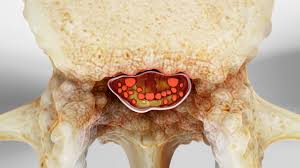
Spinal stenosis occurs when spaces within the spine narrow, placing pressure on the spinal cord or surrounding nerves. This condition most commonly develops in the lower back and is often referred to as lumbar spinal stenosis. The narrowing may occur gradually due to aging, degenerative changes, arthritis, or thickened ligaments. As the condition progresses, people may begin to notice discomfort that radiates from the lower back to the legs, along with numbness, tingling, or weakness.
Understanding the early warning signs is essential. Recognizing spinal stenosis symptoms at an early stage allows patients and healthcare providers to choose effective treatments before the condition becomes severe. Fortunately, modern medicine now offers a variety of non-surgical solutions that can help reduce inflammation, improve mobility, and relieve nerve compression.
This article explores the most effective spinal stenosis treatment options available today when surgery is not the first choice. You will learn about the causes of the condition, the symptoms to watch for, conservative therapies that may help manage pain, and lifestyle strategies that support long-term spinal health. By the end, you will have a clear understanding of how non-surgical care can provide meaningful relief and help individuals return to a more active and comfortable life.
Understanding Spinal Stenosis and Its Causes
Spinal stenosis develops when the spinal canal gradually becomes narrower, creating pressure on the nerves that travel through the spine. This compression can lead to discomfort, mobility limitations, and nerve-related symptoms that affect daily functioning.
When healthcare professionals evaluate spinal stenosis treatment, they first examine the underlying cause of the narrowing. Identifying the source of the problem allows providers to design a treatment strategy that targets both pain relief and long-term stability.
The spine is composed of vertebrae, discs, joints, ligaments, and nerves that work together to support the body. Over time, natural wear and tear can alter these structures. In many cases, the condition progresses slowly and may not cause symptoms for years.
Common Causes of Spinal Stenosis
Several factors contribute to spinal canal narrowing and nerve compression.
Age-related degeneration
As individuals age, the spinal discs gradually lose hydration and elasticity. This process reduces disc height and may allow surrounding structures to shift slightly, narrowing the spinal canal. Degenerative changes are the most common cause of lumbar spinal stenosis.
Osteoarthritis and bone spurs
Arthritis in the spine can trigger the growth of bone spurs. These bony projections may extend into the spinal canal and compress nearby nerves.
Thickened ligaments
Over time, spinal-supporting ligaments can become thicker. This thickening can reduce the available space in the spinal canal and contribute to nerve pressure.
Herniated discs
Discs act as cushions between vertebrae. When a disc bulges or ruptures, it may press against spinal nerves and contribute to spinal stenosis symptoms.
Congenital conditions
Certain individuals have a spinal canal that is naturally narrow from birth. In these cases, even minor structural changes can cause noticeable symptoms earlier in life.
Why Early Evaluation Matters
Identifying these causes early can influence the effectiveness of spinal stenosis treatment. Diagnostic tools such as MRI scans, CT imaging, and physical examinations help clinicians determine the degree of nerve compression and select appropriate therapies.
A personalized treatment plan can often prevent symptoms from worsening and reduce the likelihood of surgical intervention. For many patients, a combination of lifestyle adjustments and therapeutic care provides meaningful relief and helps restore mobility.
Recognizing Spinal Stenosis Symptoms Early
Detecting spinal stenosis symptoms early plays a critical role in determining the most appropriate treatment strategy. Because the condition develops gradually, many individuals initially dismiss mild discomfort as routine back pain. However, early recognition allows for timely spinal stenosis treatment, which can significantly reduce long-term complications.
Spinal stenosis can affect different areas of the spine, but the lower back is the most frequently impacted region. This condition, known as lumbar spinal stenosis, often leads to symptoms that extend beyond the spine and into the legs.
Common Spinal Stenosis Symptoms
People may experience a wide range of symptoms depending on the severity of nerve compression.
Lower back pain
Persistent discomfort in the lower back is often one of the earliest warning signs. The pain may intensify during prolonged standing or walking.
Leg pain or cramping
Nerve compression associated with lumbar spinal stenosis can cause pain that radiates down the legs. Many patients describe a heavy or burning sensation when walking.
Numbness or tingling
Some individuals notice numbness or tingling in the legs, feet, or buttocks. These sensations occur when nerves responsible for sensation become compressed.
Weakness in the legs
Muscle weakness may develop as nerve signals to the muscles become disrupted. This can make walking or climbing stairs more difficult.
Relief when bending forward
Interestingly, many individuals experience relief when leaning forward or sitting. This posture slightly opens the spinal canal and reduces pressure on the nerves.
Progressive Spinal Stenosis Symptoms
With the progression of the condition, symptoms can become more severe.
Numbered progression often includes:
- Reduced walking distance due to leg pain
- Increased numbness or weakness
- Balance issues
- Difficulty standing for extended periods
Recognizing these patterns helps healthcare providers determine when spinal stenosis treatment should be initiated.
When to Seek Medical Evaluation
If symptoms persist for several weeks or begin to interfere with daily activities, medical evaluation is recommended. Early diagnosis enables providers to implement conservative treatments that can slow progression and minimize discomfort.
Addressing spinal stenosis symptoms early improves the likelihood that non-surgical therapies will be effective, helping individuals maintain independence and mobility.
Non-Surgical Spinal Stenosis Treatment Approaches
Many patients are surprised to learn that spinal stenosis treatment often begins with conservative approaches rather than surgery. These therapies focus on reducing inflammation, improving spinal mobility, and strengthening the muscles that support the spine.
Non-surgical treatments are particularly effective during the early stages of lumbar spinal stenosis. With consistent care and proper guidance, patients frequently experience significant symptom relief.
Physical Therapy as a Primary Treatment
Physical therapy is one of the most widely recommended strategies for managing spinal stenosis symptoms. A trained therapist can design exercises that improve posture, strengthen core muscles, and reduce pressure on spinal nerves.
Benefits of physical therapy include:
- Improved flexibility and mobility
- Strengthened muscles supporting the spine
- Reduced nerve compression
- Better posture and spinal alignment
Therapists often incorporate stretching routines, strengthening exercises, and guided movement patterns to support long-term recovery.
Medications for Pain and Inflammation
Medication may also play a role in managing symptoms associated with lumbar spinal stenosis. These treatments typically focus on reducing inflammation and relieving discomfort.
Common medications include:
- Nonsteroidal anti-inflammatory drugs (NSAIDs)
- Muscle relaxants
- Nerve pain medications
These medications are usually recommended as part of a comprehensive spinal stenosis treatment plan rather than as a standalone solution.
Lifestyle Adjustments
Lifestyle modifications can significantly influence symptom severity and recovery outcomes.
Important adjustments may include:
- Maintaining a healthy body weight
- Practicing proper posture
- Engaging in low-impact exercise such as walking or swimming
- Avoiding prolonged standing when possible
When combined with medical therapy, these changes can help slow the progression of spinal stenosis symptoms and improve overall spinal health.
Advanced Non-Surgical Treatments for Lumbar Spinal Stenosis
In some cases, conservative therapy alone may not fully relieve symptoms. Fortunately, several advanced non-surgical techniques are available to enhance spinal stenosis treatment outcomes.
These options aim to reduce inflammation around compressed nerves and improve mobility without requiring invasive surgery.
Epidural Steroid Injections
Epidural injections deliver anti-inflammatory medication directly around the affected nerves. This approach can significantly reduce swelling and relieve spinal stenosis symptoms for many patients.
Key benefits include:
- Targeted pain relief
- Reduced inflammation
- Improved ability to participate in physical therapy
For individuals with lumbar spinal stenosis, injections can provide relief lasting several weeks or months.
Image-Guided Therapies
Modern imaging technologies allow physicians to deliver treatments with high precision. Fluoroscopy or ultrasound guidance ensures medications reach the exact location of nerve compression.
This targeted approach enhances the effectiveness of spinal stenosis treatment and minimizes potential side effects.
Minimally Invasive Procedures
In some cases, small procedures can help relieve nerve pressure without traditional surgery. Examples include decompression techniques that remove small portions of tissue contributing to the narrowing.
These minimally invasive procedures can improve symptoms associated with lumbar spinal stenosis while requiring shorter recovery periods than traditional surgery.
Lifestyle Strategies to Support Long-Term Recovery
Lifestyle management plays a crucial role in maintaining spinal health after beginning spinal stenosis treatment. While medical therapies can address immediate symptoms, daily habits often determine long-term outcomes.
Patients diagnosed with lumbar spinal stenosis benefit greatly from proactive strategies that reduce spinal strain and support mobility.
Maintaining a Healthy Weight
Excess body weight increases pressure on the spine and may worsen spinal stenosis symptoms. Even modest weight reduction can decrease stress on spinal structures.
Healthy weight management strategies include:
- Balanced nutrition
- Regular physical activity
- Portion control
Reducing weight often improves the effectiveness of spinal stenosis treatment.
Strengthening Core Muscles
The muscles surrounding the abdomen and lower back provide essential support for the spine. Strengthening these muscles can stabilize the spinal column and reduce nerve compression.
Common exercises include:
- Pelvic tilts
- Bridges
- Gentle abdominal strengthening routines
These exercises can be integrated into daily routines to support recovery from lumbar spinal stenosis.
Improving Posture and Movement
Posture plays an important role in spinal alignment. Poor posture can increase pressure on already compressed nerves.
Patients are often encouraged to:
- Maintain neutral spine alignment
- Avoid prolonged sitting or standing
- Use ergonomic seating
Improving posture helps reduce spinal stenosis symptoms and supports long-term spinal health.
Conclusion: Managing spinal conditions does not always require immediate surgery. With the right approach, spinal stenosis treatment can effectively reduce pain, improve mobility, and support long-term spinal health through conservative care. Recognizing spinal stenosis symptoms early and addressing underlying factors associated with lumbar spinal stenosis allows patients to explore a variety of non-surgical options before considering invasive procedures. If you or someone you know is experiencing persistent back or leg discomfort, consulting a healthcare professional can help determine the most appropriate treatment path. Book a consultation today to explore personalized spinal stenosis treatment options and take the first step toward lasting relief.