
Chronic Pain Management in Florida: Exploring Non-Opioid Treatment Alternatives
Living with persistent pain can interfere with daily routines, making it difficult to sleep well, work comfortably, stay active or enjoy family time. Many people want relief but also have questions about relying on opioid medications over the long term. Non-opioid pain management offers several approaches that may help reduce discomfort and improve daily function, depending on the cause of pain and a person’s health.
Options can include physical therapy, carefully selected medicines, behavioural support and targeted procedures. For patients exploring pain management in Florida, understanding these choices is a useful first step toward a personalized care plan with a clinician.
Why Consider Non-Opioid Pain Management?
Chronic pain describes ongoing discomfort that lasts beyond three months or remains after an injury, or condition has had time to heal. It may result from arthritis, spinal conditions, nerve damage, previous injuries or other health problems.
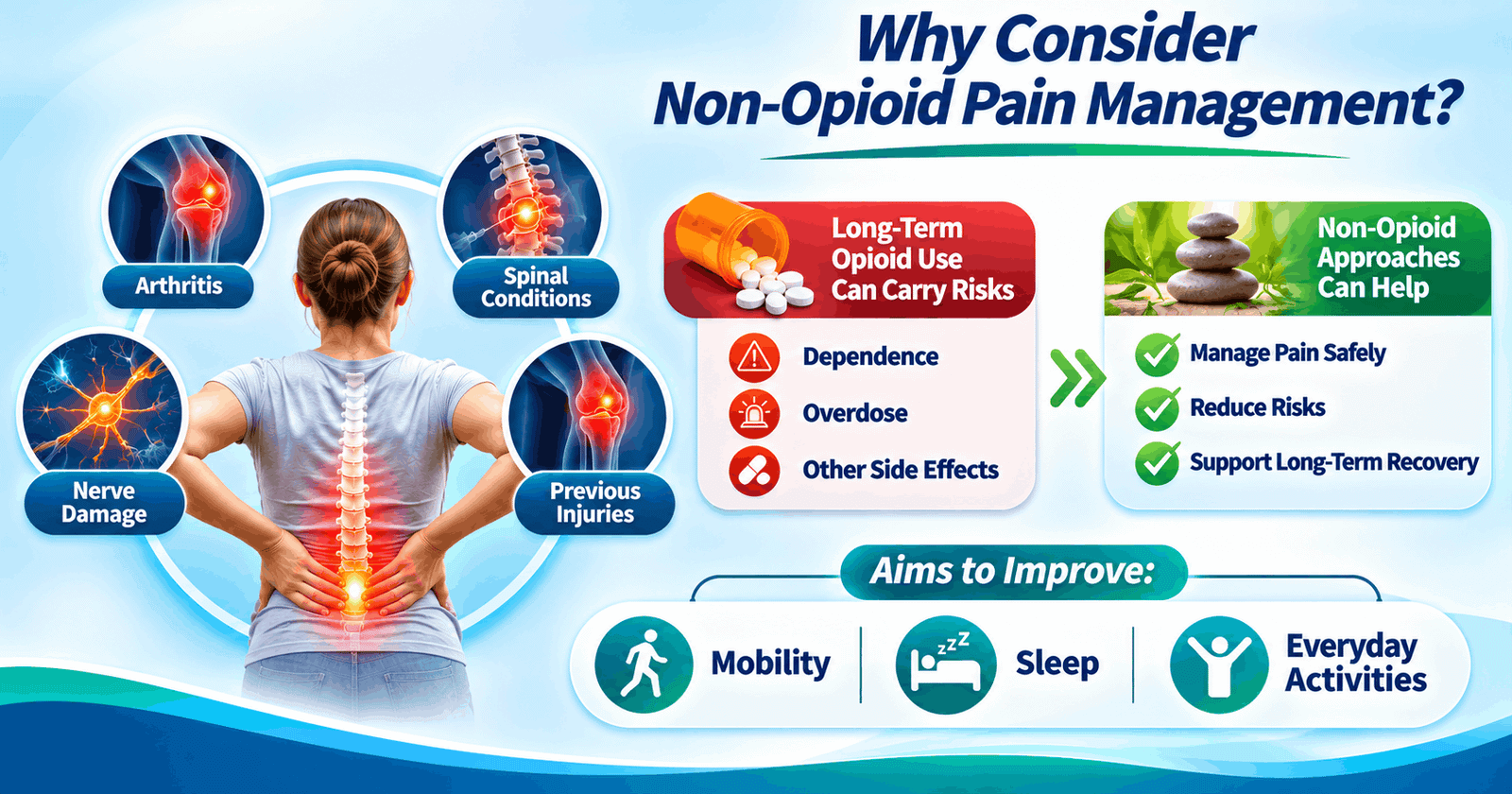
Opioid medications can have a role in certain pain situations. However, long-term use carries risks such as dependence, overdose and other side effects. For this reason, the CDC recommends prioritizing non-opioid therapies for subacute and chronic pain when appropriate.
The goal is not simply to avoid one type of medication. It is to find effective ways to manage discomfort while improving mobility, sleep and everyday activities. For additional patient education, explore this guide to better pain management.
What Are the Best Non-Opioid Treatment Options?
There is no single treatment that works for everyone. The best approach depends on the underlying condition, pain severity, medical history and personal goals.
1. Physical Therapy and Guided Exercise
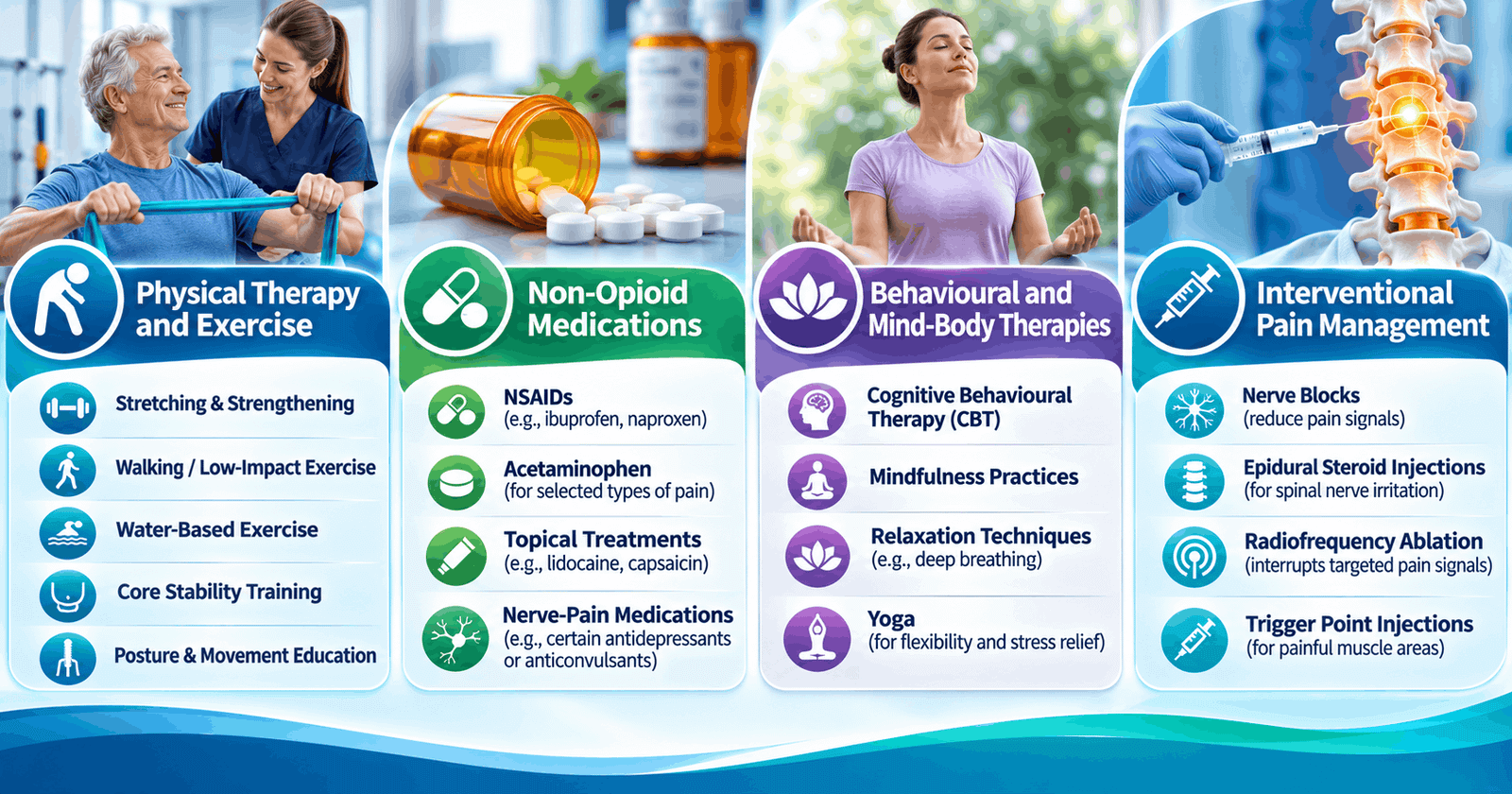
Physical therapy can enhance muscle strength, improve flexibility and restore functional movement. A therapist may create an exercise plan based on the patient’s condition and physical abilities.
Depending on the source of pain, activities may include:
- Gentle stretching and strengthening.
- Walking or low-impact aerobic exercise.
- Water-based exercise.
- Core stability training.
- Posture and movement education.
Regular activity can help some people manage chronic back pain and joint discomfort. Exercise should be adjusted to avoid worsening symptoms.
2. Non-Opioid Medications
Medication may be part of a broader treatment plan. Depending on the diagnosis, a healthcare professional may consider:
- NSAIDs: Such as ibuprofen or naproxen for certain inflammatory or musculoskeletal conditions.
- Acetaminophen: May be appropriate for selected types of pain, although its effectiveness varies.
- Topical treatments: Lidocaine or capsaicin products may help with certain localized or nerve-related symptoms.
- Selected nerve-pain medications: Certain antidepressants or anticonvulsants may be considered for specific neuropathic conditions.
These medicines have different benefits and risks. NSAIDs may affect the stomach, kidneys or cardiovascular system. Some nerve-pain medicines can cause dizziness or drowsiness. A clinician should review existing conditions and medications before recommending treatment.
3. Behavioural and Mind-Body Therapies
Chronic pain can affect emotional well-being as well as physical health. Stress, poor sleep and anxiety may make symptoms harder to manage.
Cognitive behavioural therapy (CBT), mindfulness practices, relaxation techniques and yoga may support emotional well-being while helping patients manage daily challenges.
These therapies do not mean that pain is imaginary. They address the connection between the nervous system, emotions and the experience of pain.
4. Interventional Pain Management
Some patients continue to experience significant discomfort despite medication and rehabilitation. In selected cases, targeted procedures may be considered.
Examples include:
- Nerve blocks: Medication is placed near specific nerves to help reduce pain signals.
- Epidural steroid injections: May be considered for certain spinal conditions involving nerve irritation.
- Radiofrequency ablation: Uses heat to interrupt selected pain signals from targeted nerves.
- Trigger point injections: May be used for certain painful muscle areas.
These procedures are not suitable for every condition. Their potential benefits, limitations and risks should be discussed before treatment. You can explore additional non-surgical treatment options to understand approaches that may be considered for selected pain conditions.
How to Choose the Right Chronic Pain Treatment
Choosing among chronic pain treatment options begins with understanding what is causing the symptoms.
A healthcare professional may review:
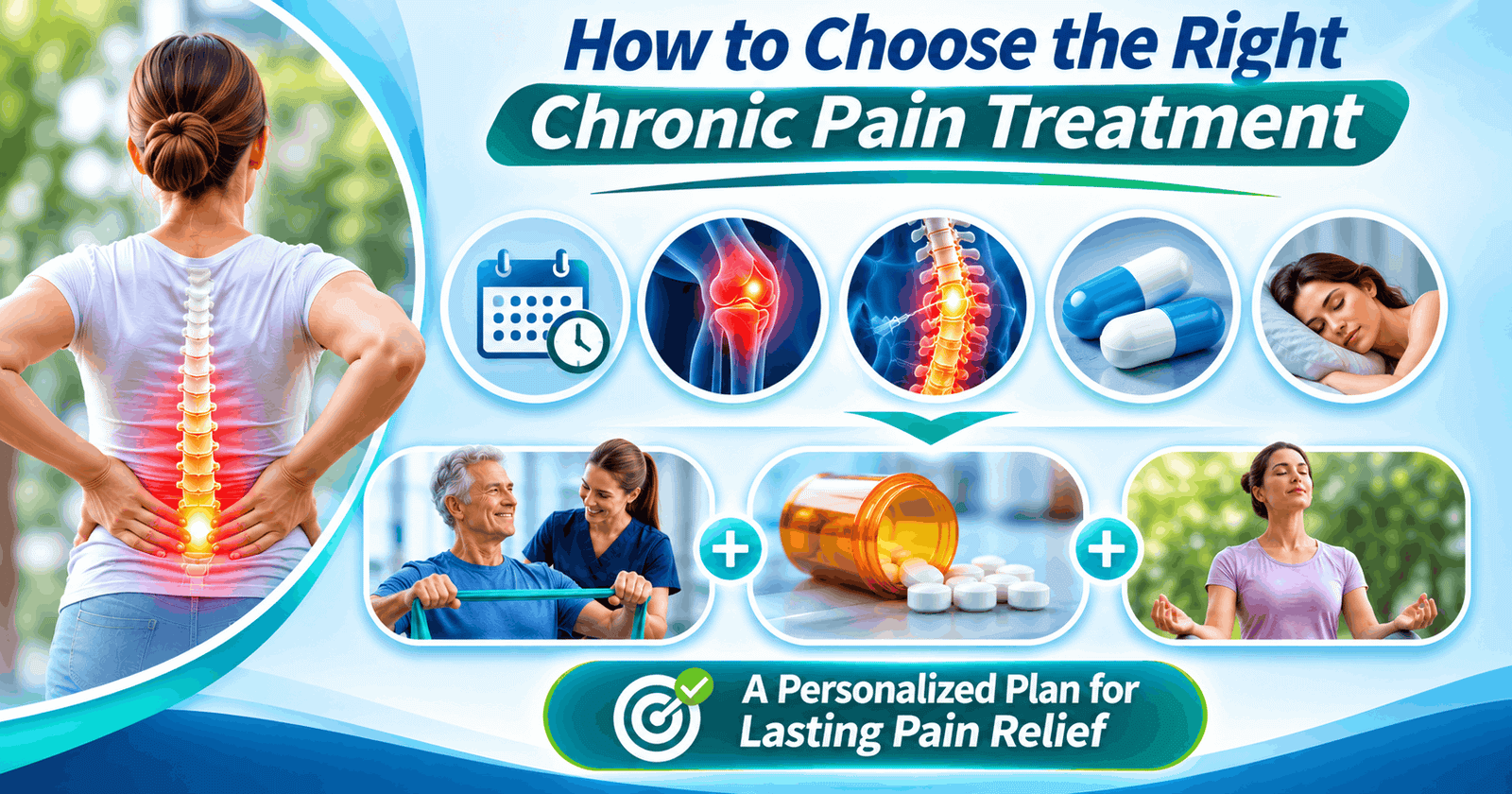
- Where the pain occurs and how long it has lasted.
- Whether symptoms involve muscles, joints, the spine or nerves.
- Previous treatments and their results.
- Current medications and other health conditions.
- How pain affects sleep, work and mobility.
A personalized plan may combine more than one treatment. For example, physical therapy may be paired with appropriate medication and behavioural support.
For patients considering pain management in Florida, a specialist evaluation can help clarify the available options and whether further testing or targeted treatment may be appropriate. Read this pain specialist guide to learn when persistent symptoms may need additional evaluation.
Conclusion
Living with chronic pain does not mean that opioid medication must be the only option. Non-opioid pain management offers several approaches that may help reduce discomfort, improve movement and support a better quality of life.
From physical therapy and medication to behavioural support and targeted procedures, treatment should be based on the underlying condition and each patient’s needs. Effective chronic pain management involves helping patients understand how various treatments work, along with their potential benefits and limitations. Take the next step toward understanding your pain and discussing suitable non-opioid treatment alternatives with a qualified healthcare professional.
Frequently Asked Questions
- What Are the Best Non-Opioid Treatments for Chronic Pain?
Options may include physical therapy, exercise, selected medications, psychological therapies and targeted procedures. The right choice depends on the cause of pain and individual health needs.
- How Can Chronic Pain Be Managed Without Opioid Medications?
A combination of guided exercise, appropriate non-opioid medicines, rehabilitation and behavioural support may help improve pain and daily function.
- What Are the Alternatives to Opioid Painkillers for Long-Term Pain Relief?
Alternatives include NSAIDs, selected nerve-pain medications, topical treatments, physical therapy, CBT and certain interventional procedures. Not every option is suitable for every condition.
- Can Non-Opioid Treatments Help Manage Chronic Back and Nerve Pain?
Yes. Depending on the diagnosis, exercise therapy, selected medications, topical treatments and targeted procedures may help manage certain back and nerve pain conditions.
- When Should I See a Pain Management Specialist for Chronic Pain in Florida?
Consider an evaluation when pain lasts several months, repeatedly returns or interferes with sleep, work or daily activities. New weakness, significant numbness or sudden neurological changes require prompt medical assessment.