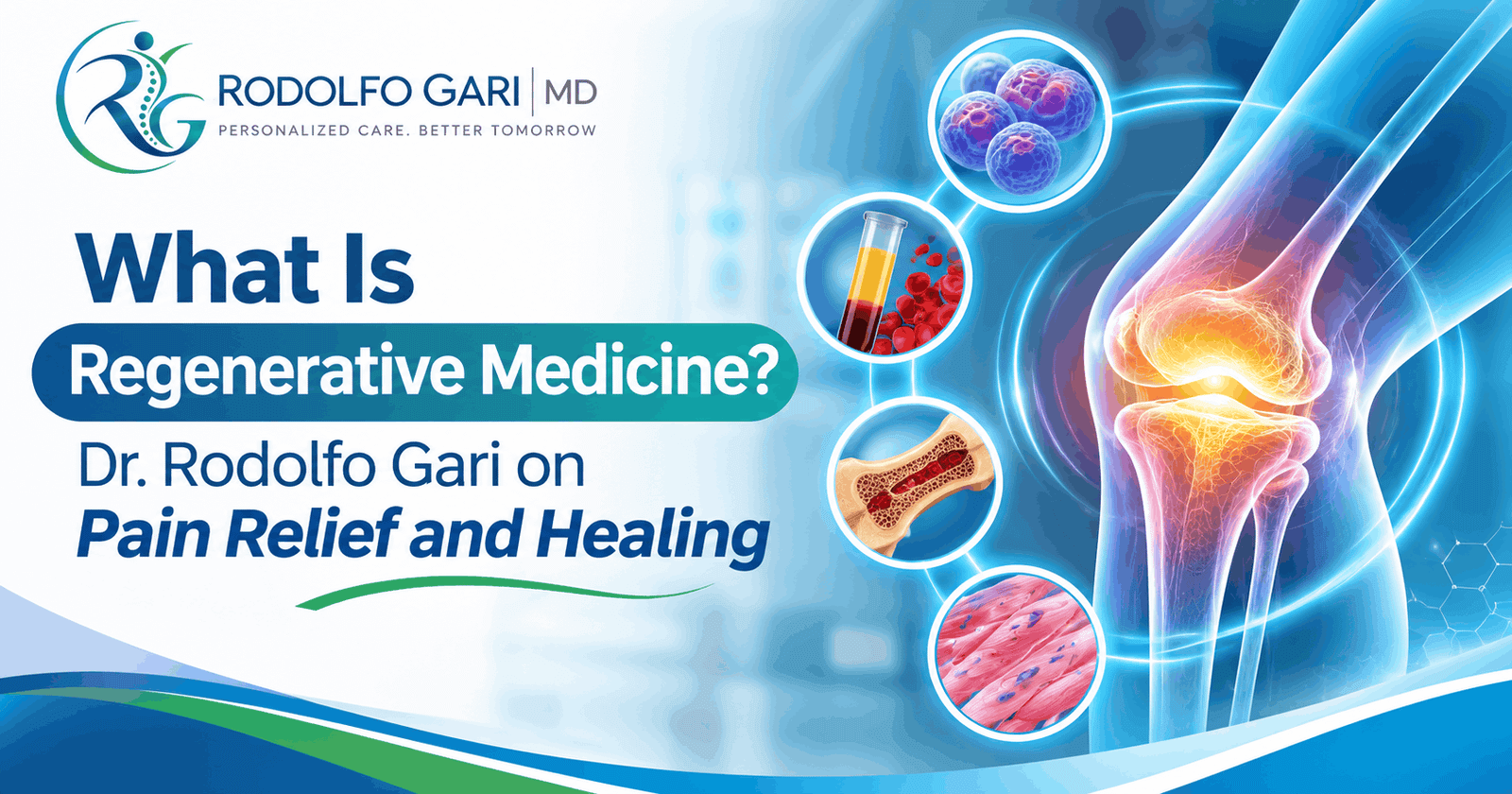
What Is Regenerative Medicine? Dr. Rodolfo Gari on Pain Relief and Healing
When pain continues despite rest, medication or physical therapy, it is natural to look for new options. Regenerative medicine for pain relief is an area of research that explores how cells, tissues and biological materials may support the body’s repair processes. Some approaches are being studied for joint, tendon and spine conditions, but the evidence is still developing and results vary. Understanding what these treatments can and cannot do helps patients ask better questions.
This guide explains the science, current evidence and safety considerations while placing regenerative medicine within a thoughtful, personalized approach to pain care before making treatment decisions.
What Is Regenerative Medicine?
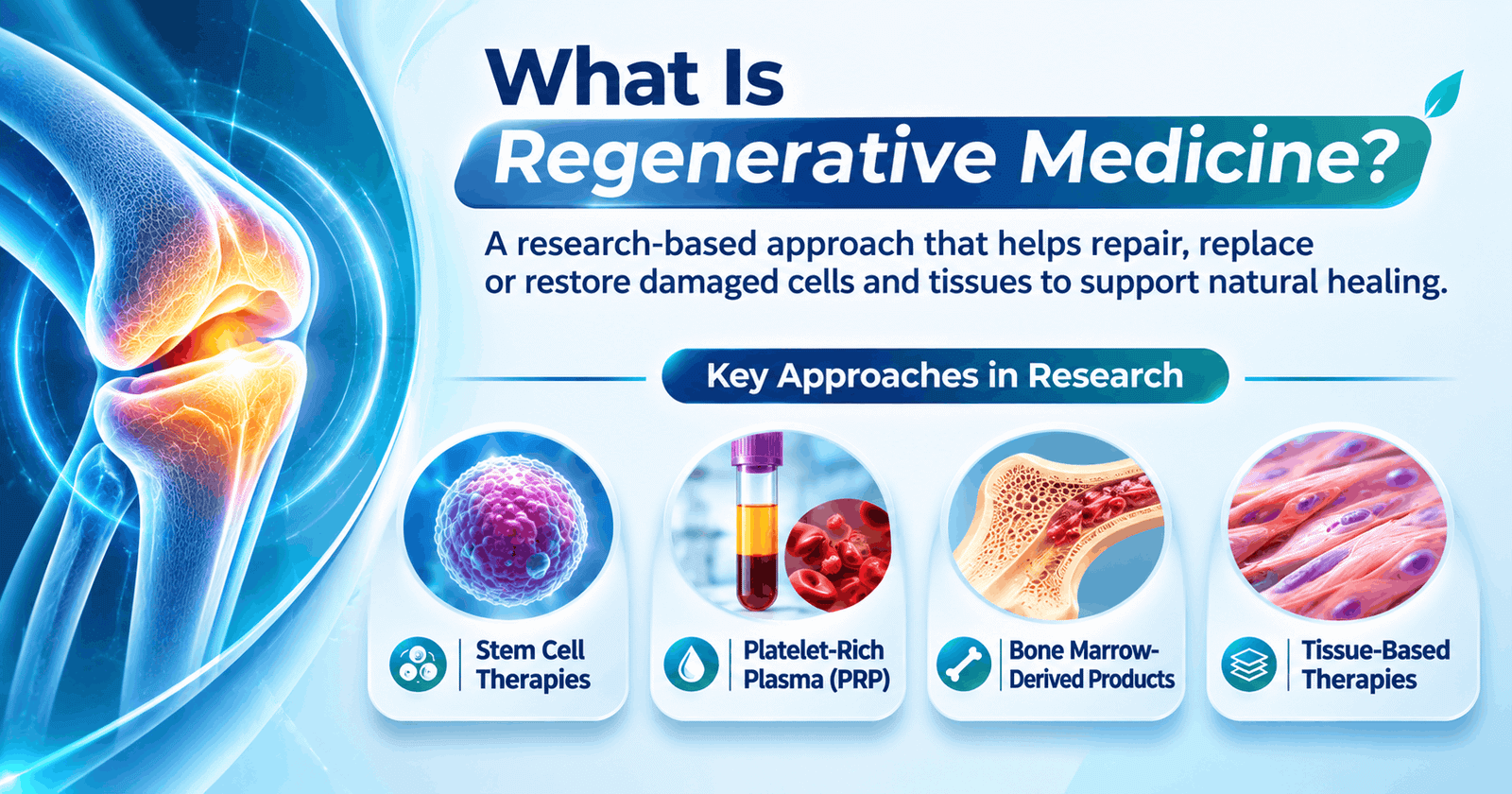
Regenerative medicine is a field of healthcare research focused on repairing, replacing or restoring damaged cells, tissues and biological functions. Instead of focusing only on reducing symptoms, it investigates ways the body may repair or maintain damaged structures.
In pain management, researchers are studying whether certain biological materials can influence inflammation, tissue repair and the body’s healing response.
Some approaches being investigated include:
- Stem cell-based therapies: Research into cells that may develop into or support different types of tissue.
- Platelet-rich plasma (PRP): A preparation made from a patient’s own blood that contains a concentrated number of platelets.
- Bone marrow-derived products: Biological materials collected from bone marrow and studied for potential applications in tissue repair.
- Tissue-based therapies: Materials derived from human tissues that are being investigated for specific medical uses.
These approaches are not interchangeable. Each has different preparation methods, evidence, regulatory requirements and potential risks.
How Does Regenerative Medicine Work?
The human body has natural repair mechanisms. When tissue is injured, cells and biological signals work together to manage inflammation and support healing.
Regenerative medicine research explores whether certain biological materials can influence these processes.
Understanding Stem Cell Therapy
Stem cells are versatile cells that can develop into different specialized cells in response to particular biological signals. Researchers are studying their potential role in tissue repair and other medical applications.
This is why stem cell therapy for chronic pain receives attention in discussions about joint and musculoskeletal conditions.
However, promising laboratory findings do not automatically translate into successful treatments for people. Clinical studies must establish whether a therapy is safe, effective and appropriate for a particular condition.
What About Platelet-Rich Plasma?
PRP is prepared by taking a small blood sample and processing it to concentrate platelets. These platelets contain proteins and growth factors involved in the body’s normal healing processes.
PRP is being studied for certain tendon, ligament and joint conditions. However, results differ depending on the condition, preparation method and treatment protocol.
Patients should understand that PRP is not the same as stem cell therapy and should not assume that either approach guarantees pain relief.
Can Regenerative Medicine Help with Chronic Pain?
This is one of the most common questions patients ask.
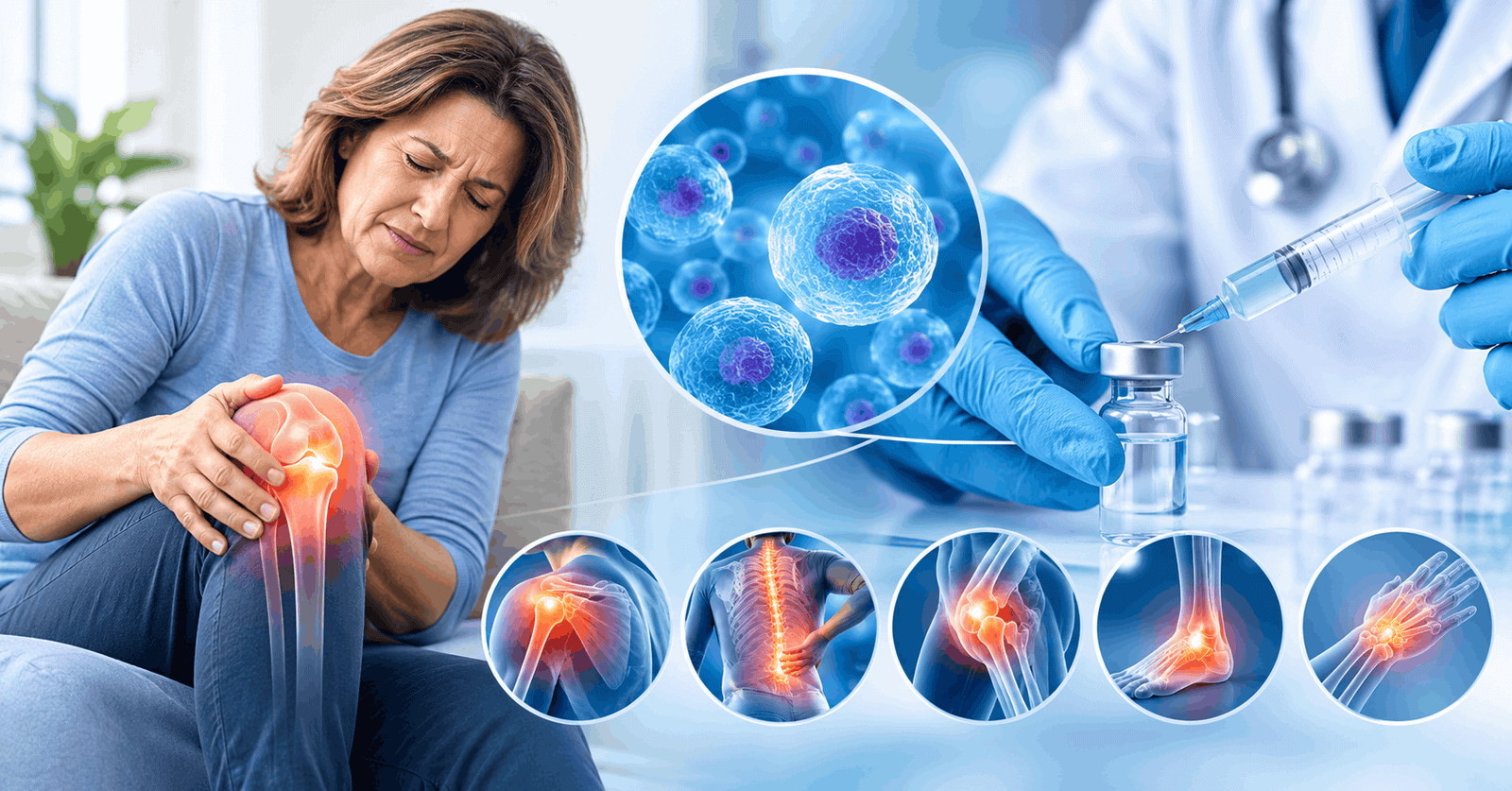
Researchers are investigating regenerative medicine for pain relief in conditions involving joints, tendons and other musculoskeletal structures. Some studies suggest potential benefits for selected conditions, but the available evidence remains limited or inconsistent.
According to the AAOS, certain orthobiologic therapies show encouraging results in treating tendinopathy and early knee arthritis, but further research is needed to establish their effectiveness.
It is important to understand that stem cell therapy for chronic pain is not an established solution for every type of pain.
Chronic pain may involve several different causes:
- Joint degeneration or arthritis.
- Damaged muscles or tendons.
- Spinal conditions.
- Nerve irritation or nerve damage.
- Inflammation and other underlying health conditions.
A treatment that may be relevant to one condition might not help another. Proper diagnosis is therefore essential. For a broader understanding of available treatment approaches, patients can explore this pain management guide.
What Are the Benefits and Limitations?
The interest in regenerative medicine comes from its potential to support biological repair rather than simply manage symptoms.
However, patients should consider both its possible benefits and limitations.
Potential areas of interest:
- Supporting research into tissue repair.
- Exploring alternatives for selected musculoskeletal conditions.
- Investigating ways to influence inflammation.
- Expanding future options for personalized pain care.
Important limitations:
- Clinical evidence varies between treatments.
- Long-term results are not established for many applications.
- Treatment suitability depends on the individual diagnosis.
- Some procedures can be expensive and may not be covered by insurance.
- Unapproved products can carry serious safety risks.
Regenerative medicine for pain relief should therefore be approached with realistic expectations and careful medical evaluation.
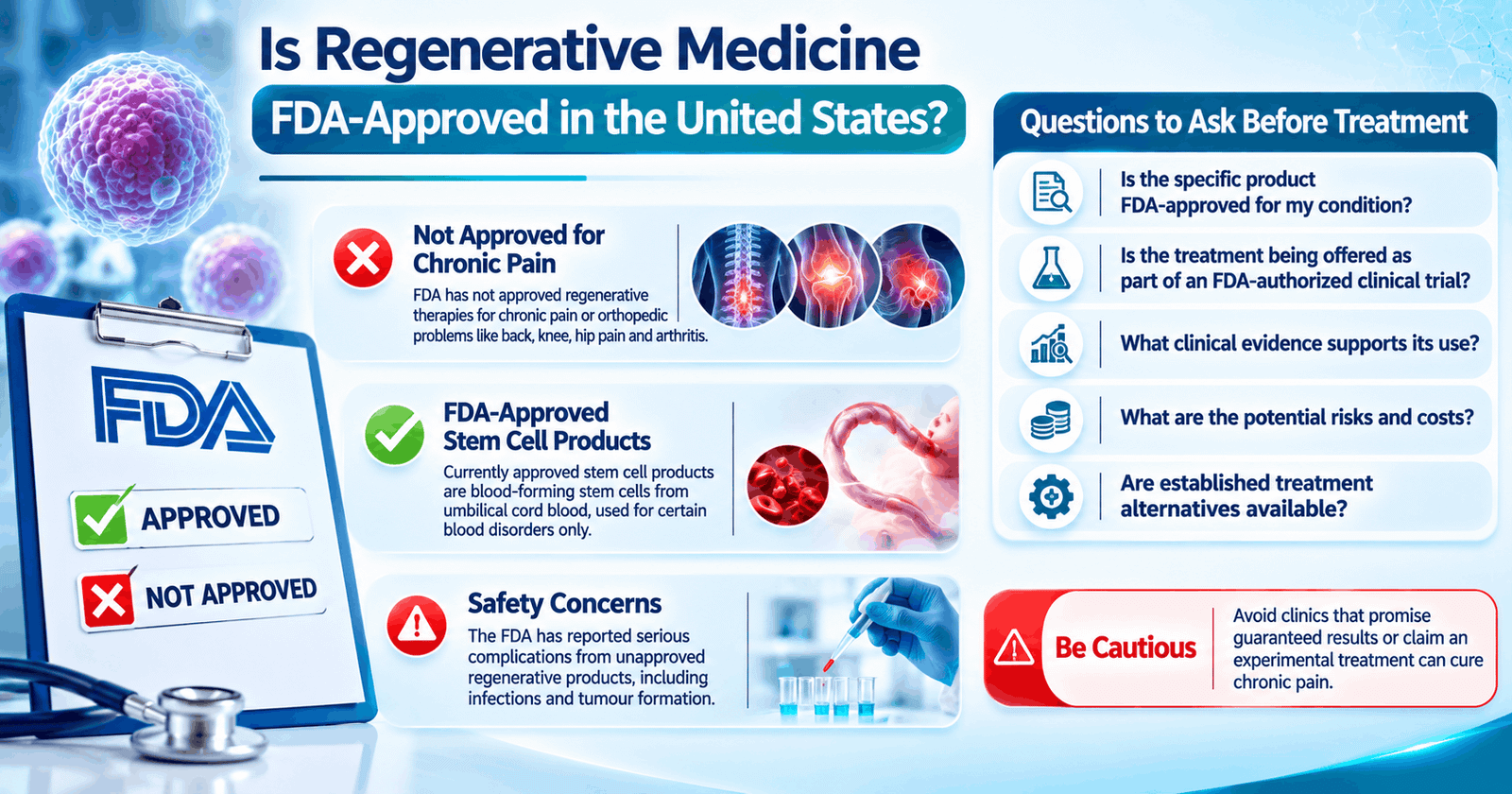
Is Regenerative Medicine FDA-Approved in the United States?
This is an especially important question for patients considering stem cell treatment.
The U.S. FDA monitors regenerative medicine products and emphasizes that these therapies lack approval for treating chronic pain and orthopedic problems such as back pain, knee pain, hip pain and arthritis.
The FDA-approved stem cell products currently available in the United States are blood-forming stem cell products derived from umbilical cord blood. Their approved uses are limited to certain disorders affecting blood production. They are not approved as treatments for chronic pain.
The FDA has also reported serious complications associated with unapproved regenerative medicine products, including infections and tumour formation.
Before considering treatment, patients should ask:
- Is the specific product FDA-approved for my condition?
- Is the treatment being offered as part of an FDA-authorized clinical trial?
- What clinical evidence supports its use?
- What are the potential risks and costs?
- Are established treatment alternatives available?
Patients should be cautious about clinics promising guaranteed results or claiming that an experimental treatment can cure chronic pain.
Dr. Rodolfo Gari’s Approach to Modern Pain Management
Dr. Rodolfo Gari is an anesthesiologist and interventional pain specialist based in Tampa, Florida. His published approach emphasizes clinical experience, thoughtful innovation and personalized patient care.
When exploring topics such as Dr. Rodolfo Gari regenerative pain treatment, it is important to distinguish educational discussion about emerging therapies from services offered by a physician.
Modern pain management involves identifying the source of discomfort and selecting treatments according to the patient’s diagnosis, medical history and functional goals.
Depending on the condition, treatment planning may involve medication management, physical therapy, targeted injections or other interventional procedures. Patients preparing for an appointment can read this first specialist visit guide to understand what a pain evaluation may involve.
Conclusion
Regenerative medicine for pain relief represents an evolving area of medical research with potential applications in tissue repair and musculoskeletal care. However, scientific interest should never be confused with proven treatment effectiveness.
For people living with persistent pain, the most important first step is understanding the underlying cause and exploring appropriate treatment options with a qualified specialist.
Dr. Rodolfo Gari emphasizes personalized pain management and informed patient care. His approach reflects the importance of combining medical knowledge with thoughtful treatment planning.
To learn more about modern pain care and available treatment approaches, visit Dr. Rodolfo Gari’s website and explore his educational resources. A proper medical assessment is the first step toward understanding your condition and exploring suitable options for improving mobility.
Frequently Asked Questions (FAQs)
1.What is regenerative medicine, and how does it work?
Regenerative medicine involves innovative approaches designed to repair cellular damage and restore the function of injured tissues. It explores biological approaches such as stem cells and PRP, although their effectiveness varies by condition and treatment.
2.Can regenerative medicine help relieve chronic pain?
Some regenerative approaches are being studied for selected joint and musculoskeletal conditions. However, evidence is still developing, and no regenerative medicine therapy is FDA-approved for chronic pain treatment.
3.Can regenerative medicine help patients avoid surgery?
Some orthobiologic approaches are being investigated as nonsurgical options for specific conditions. However, they cannot guarantee that surgery will be avoided. Treatment decisions depend on diagnosis, severity and clinical evidence.
4.Is regenerative medicine FDA-approved for chronic pain treatment in the USA?
No. The FDA has not approved regenerative medicine therapies to treat chronic pain or orthopedic conditions. Patients should verify the regulatory status of any product before considering treatment.