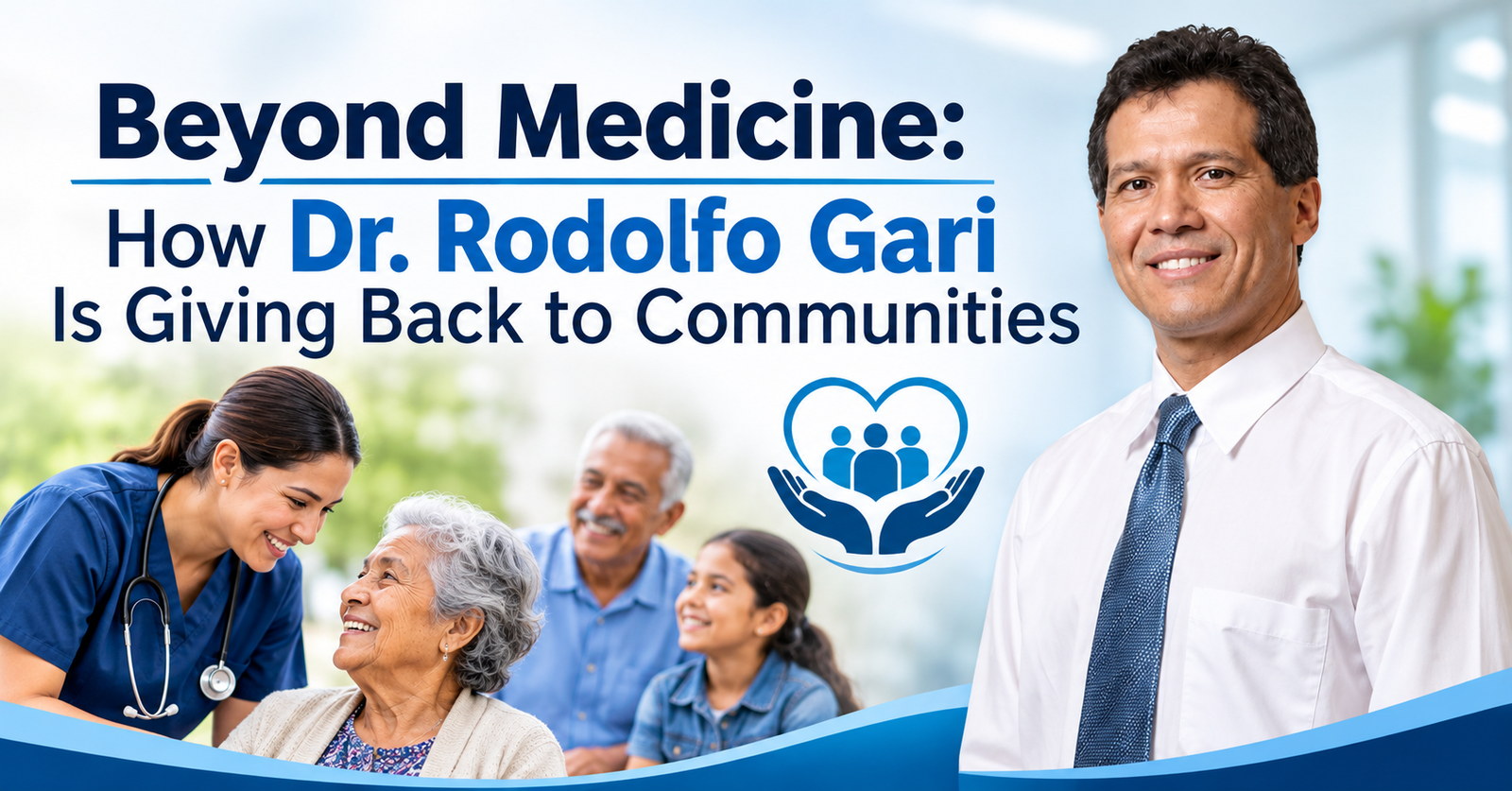
Beyond Medicine: How Dr. Rodolfo Gari Is Giving Back to Communities
Medicine doesn’t stop when the patient leaves the office. A doctor properly engaged in the community often picks needs that simply wouldn’t be the show under clinic schedule. That’s where physician community outreach comes in. It takes that observation and acts on it through education, screening and plain conversation. That’s the model that Dr. Rodolfo Gari (an anesthesiologist and pain management specialist in Tampa) has adopted. This article explores the importance of physician community service, how it can improve access to care, and what both patients and the medical profession can learn from it. It’s about compassionate care reaching people before the pain starts.
Why Physician Community Outreach Matters
Care Does Not Stop at the Clinic Door
Most people don’t see their doctor at the first sign of symptoms. The 2021 CDC report shows that 20.9% of U.S. adults were living with chronic pain (that’s about 51.6 million people). It also shows higher prevalence in older adults, among veterans, among adults in poverty and in non-metropolitan areas. That’s precisely why improving access to care is so crucial. Physician community outreach is one way of doing that (i.e. going out into the community and meeting people where they are at- a local event, a health fair, a trusted article on a website etc). Several physicians have led community health initiatives to address this. Getting people to help early is a fundamental part of chronic pain management.
Physician Community Service Builds Trust
Physician community service is far more than a tick box exercise. If the doctor is going to be explaining the diagnosis in plain language, then the patient is going to feel far safer asking questions and that’s the whole point of compassionate care. That’s what the physician led community health initiatives are all about. Dr Gari is an anesthesiologist and interventional pain specialist in Tampa, FL. On his About Us page he makes it clear that one of his core values is to provide a comfortable and informed patient experience and that’s exactly what community outreach is for.
Improving Access to Healthcare Through Education
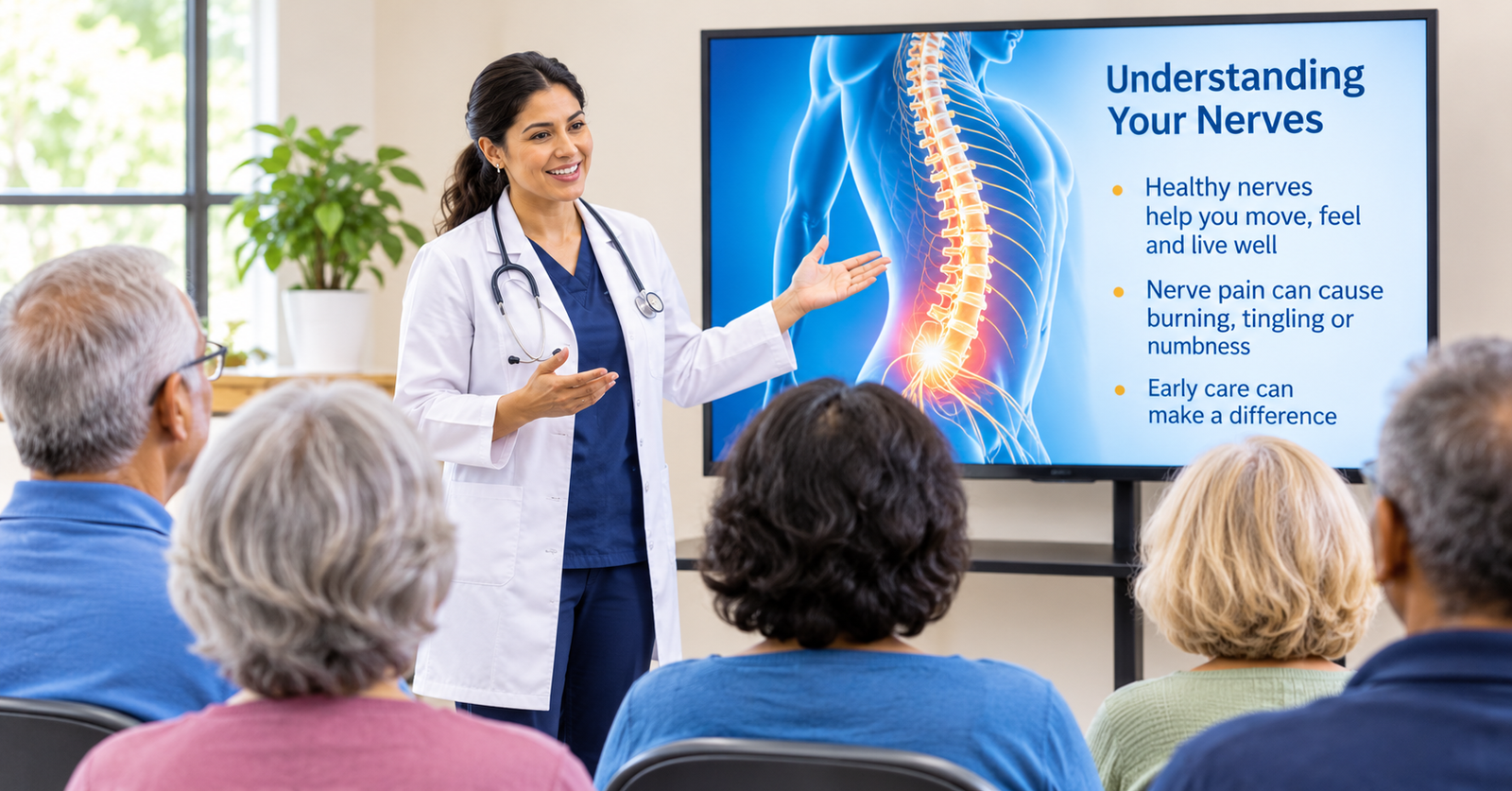
A patient who understands what’s happening can ask more relevant questions and decide with much less anxiety. Better access to healthcare therefore means providing clear, reliable guidance (a quiet form of doctoring in the community).
Making Pain Management Easier to Understand
Pain management can be a bit of a head scratcher if you’re not familiar with the jargon. You can review the nerve ablation procedure step by step before you even book an appointment. If you’re looking at long term pain management, then this guide to long term pain management is for you. Long term pain management is very rarely a single thing; it’s more likely a combination of different things, so it’s useful to understand your options from the start.
Spotting Nerve Problems and Muscle Pain Early
Numbness, tingling, burning, or weakness can signal a nerve problem, and aching muscles are often just overused. A lot of people will just go on to the painkillers and that’s the end of it. Some of the OTC painkillers will work for some people, but they’re not going to work for everyone, so it can be worthwhile to get some muscle pain relief medication with the guidance of a clinician if the symptoms are ongoing. A nerve specialist will look at the root cause rather than just the symptom and that’s where you often get real muscle pain relief.
Compassionate Patient Care in Practice
Compassionate patient care starts with listening before you prescribe.
Where Physician-Led Community Health Initiatives Are Heading
Physician-led community health initiatives work best when they are practical and consistent. Health talks, partnerships with local organizations, accessible online learning, etc. That type of physician led community outreach doesn’t have to be anything fancy to be effective.
Conclusion: Take the Next Step
Physician-led community outreach works because it treats health as a shared endeavor. Physician community service builds trust. Access to care is improved through the provision of clear information. Compassionate care keeps the patient at the center. Physician led community health initiatives are the way to bring those values to the communities that need them.
If you’ve been put off by nerve problems, muscle pain, or indeed the whole issue of chronic pain management, then you don’t have to wait. Dr. Rodolfo Gari is an anesthesiologist and interventional pain specialist based in Tampa and his focus is on patient centric care. If you’re experiencing nerve-related issues or muscle pain, take the first step towards relief with a consultation. Call +1 813-531-8550 or visit our Contact Us page to schedule an appointment. A simple conversation could be the beginning of your journey towards lasting pain relief.
Frequently Asked Questions
Why is community involvement important for physicians?
It helps the doctors to understand the barriers that patients face (cost, distance, lack of clarity etc). Physician community service also builds trust which in turn leads to people coming in earlier.
How do physicians support community health initiatives?
They run health talks, get involved in screening activities, work with local groups and produce a lot of educational materials. Many also volunteer their time with doctor-led community health, tailored to local circumstances.
Why is patient education important in community health?
Informed patients ask better questions, feel more confident sticking to a treatment plan, and are more likely to notice early warning signs. Education is also a practical way to improve access to care for people who otherwise couldn’t see a specialist.
What are the benefits of physician-led community outreach?
Benefits are earlier care, greater trust and better information. The physician community outreach also tells the doctors what their neighbors most need.
Why is compassionate care important in the medical profession?
Compassionate patient care helps people feel heard, which then leads to more honest communication and better adherence to treatment. That’s fundamental when you’re living with chronic pain.