
A Day in the Life of an Interventional Pain Physician in Tampa
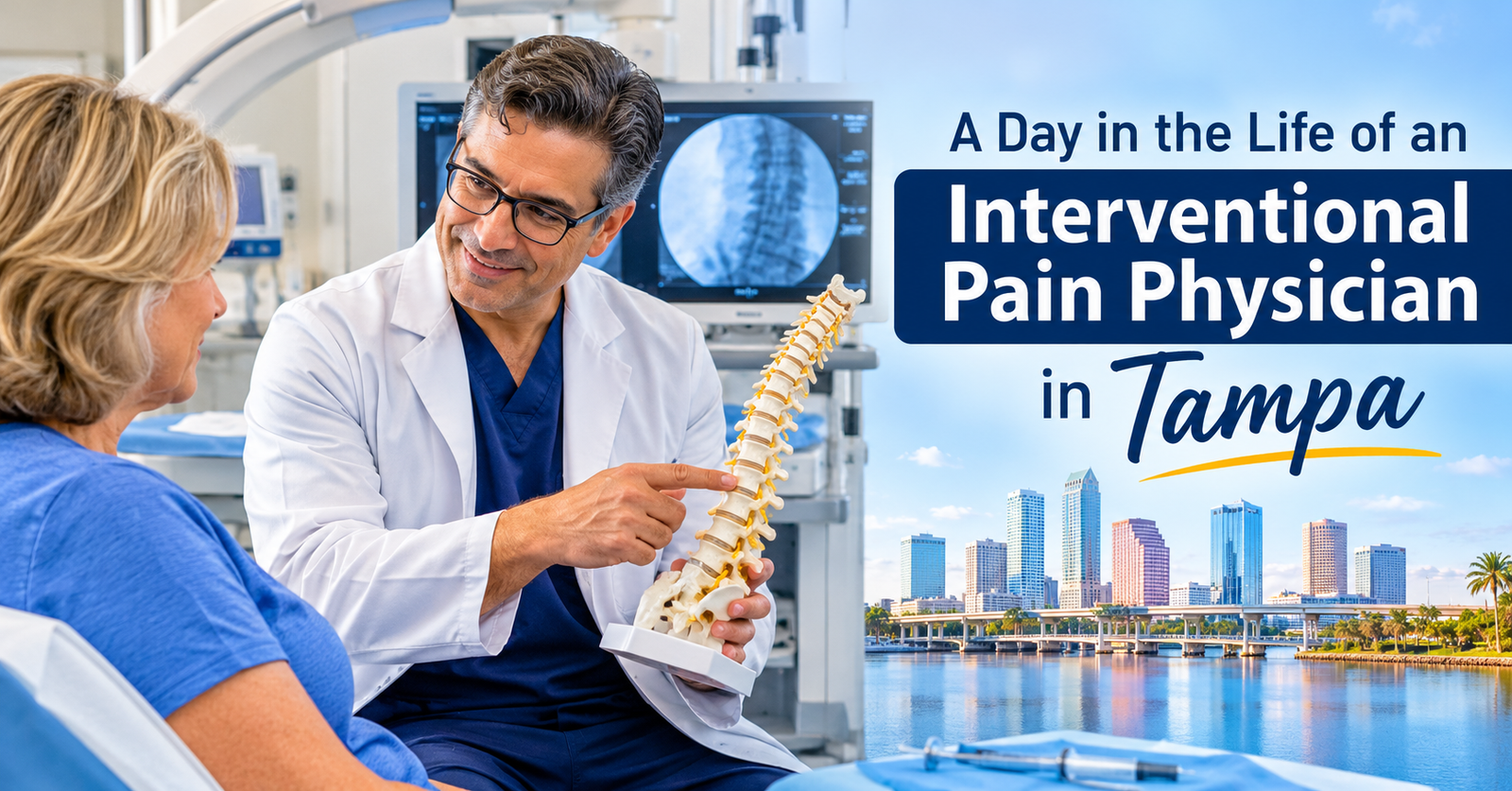
Behind every successful treatment plan is a long day of listening, reviewing the case, and problem-solving. A pain management doctor Tampa patients can trust will spend a lot of time with people whose lives have effectively been reduced to just dealing with pain. Some come in with back pain that just doesn’t go away. Others have nerve problems that are just plain debilitating, affecting their sleep and their work. This is a typical day in the life of an interventional pain specialist. From the early-morning chart review to the late-afternoon follow-ups, you’ll see how the day is structured and what happens at each stage. If you’re a patient trying to get a feel for what to expect, or a colleague considering a referral, this will give you a clear sense of the process and how it all comes together to lead to better outcomes.
Morning: Preparing for the Day
Reviewing Records and Imaging
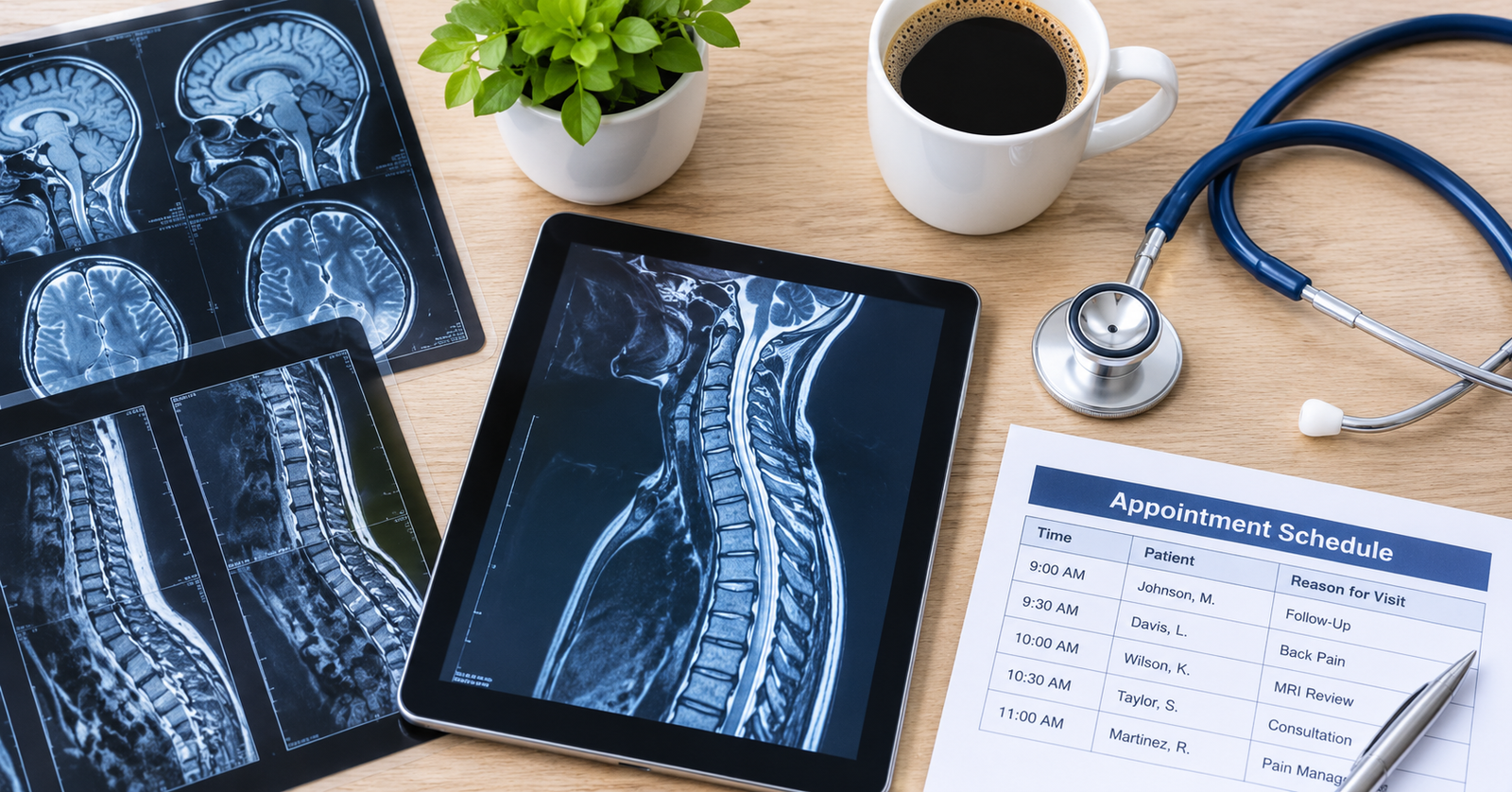
The day starts before the first patient arrives. The doctor reviews the MRIs, nerve studies, and notes from the referring docs. You’re dealing with chronic pain and it doesn’t usually have one single cause. Spinal changes, joint degeneration, nerve issues… they often co-exist. You need a full picture to develop a coherent plan.
Team Huddle
Nurses and medical assistants meet briefly to go over the schedule. They review consent forms, allergies, and blood thinner instructions for anyone having a procedure.
Midday: Consultations and Diagnosis
Listening First
Appointments at the pain management clinic in Tampa start with a quick chat. The doctor will ask where the pain is, what makes it worse, and how it affects your sleep, work, and mood. They then go on to do a physical exam looking at strength, reflexes, movement and sensation.
Conditions Seen Most Often
Standard concerns include low back pain, neck pain, sciatica, arthritis related joint pain, pain following surgery and nerve problems such as neuropathy. The need is huge. The CDC estimated that around 20.9% of US adults (some 51.6 million people) were living with chronic pain in 2021.
Building a Treatment Plan
Chronic pain is a pain that’s been going on for more than 3 months. The CDC’s 2022 Clinical Practice Guideline recommends non-opioid and multimodal therapy for a very wide range of pain conditions. A Tampa patient discussing chronic pain would probably be looking at a range of options including physiotherapy, activity modification, a short course of muscle pain medication and various procedures. The standard of care is to use heat, gentle stretching and guided exercise for muscle pain relief as part of the management, along with medication. If it’s thought to be neuropathic, then a nerve specialist would do a diagnostic block. Interventional pain procedures would only be part of the management plan if all of the above failed.
Afternoon: Interventional Procedures
Precision With Imaging Guidance
Interventional pain procedures (epidural steroid injections, medial branch blocks, radiofrequency ablation etc) are all aimed at calming the pain at its source. Most are outpatient procedures, guided by either fluoroscopy (live X-ray) or ultrasound to ensure the needle reaches the right place. You generally go home on the same day. Results vary, with some patients achieving weeks or months of pain relief and others needing a different approach. An interventional pain specialist will be frank about these limitations before any procedure.
Safety and Recovery
At a well-run pain management clinic, Tampa patients will get sterile techniques, monitoring, and clear discharge instructions. Interventional pain procedures are best when they’re part of a broader plan. The patient learns what sort of pain is normal and what sort of symptoms (fever, new weakness, worsening numbness etc) are ones that they need to call us about immediately.
Late Day: Follow-Up and Patient Welfare

Coordinating Care
A pain management specialist for Tampa FL residents to rely on will keep working long after the last patient has left. They’ll return calls, update charts, and write to the PCP, so everyone stays on the same page.
Measuring What Matters
A good pain management doctor, Tampa patients trust measures success by function rather than an arbitrary number on a scale (i.e., walking farther, sleeping through the night, getting back to work). That focus on the patient is what keeping the plan on a realistic basis. Chronic pain management is generally a gradual process, so regular honest progress checks are essential to keep the plan on track.
Conclusion
A pain management doctor, Tampa residents can trust listens carefully and have the skill to do the job. A typical day at a pain management clinic in Tampa starts with chart review and ends with afternoon procedures, all within the context of safe pain management. If your pain is ongoing and it’s having a major impact on your life, then an interventional pain specialist in Tampa can go through the various chronic pain treatment options Tampa patients can rely on. Rodolfo Gari MD welcomes both patients and clinicians. To arrange a consultation please visit rodolfogarimd.com.
Frequently Asked Questions
What happens during a pain management doctor’s appointment?
Expect to discuss your symptoms and history, followed by a physical exam. If you’re going to a pain management clinic in Tampa, they’ll likely review any prior imaging before telling you what they plan to do.
What conditions does an interventional pain specialist treat?
This doctor treats back and neck pain, sciatica, joint pain, nerve pain, and post-op pain. The aim is to find the source of the pain and then offer the right options.
How does interventional pain management help chronic back pain?
Interventional pain procedures can reduce inflammation or cut the pain signal at the source. They are generally used in conjunction with exercise and therapy to improve function.
When should I see a pain management specialist in Tampa?
If the pain has been going on for over 3 months or hasn’t improved with primary care, then a visit to a pain management specialist in Tampa, FL can be considered. The specialist can review various chronic pain treatment options the Tampa patient may not have considered.