Foraminotomy Procedure: Benefits, Risks, and Recovery Timeline
Living with persistent back or neck pain can feel overwhelming, especially when it begins to interfere with your daily routine, sleep and overall well-being. If you’ve been dealing with symptoms like radiating pain, tingling sensations or muscle weakness, your doctor may have suggested a foraminotomy as a possible treatment. But what does this procedure involve and how can it help you regain control over your life?
A foraminotomy is a specialized surgical approach designed to relieve pressure on spinal nerves by enlarging the openings in the spine through which these nerves pass. Over time, factors such as aging, spinal degeneration or injuries can narrow these openings, leading to nerve compression. This is where foraminotomy surgery and other forms of nerve decompression surgery become essential in restoring function and reducing discomfort.
In this in-depth guide, we will walk you through everything you need to know about the foraminotomy procedure. From understanding how the surgery works to exploring its benefits, potential risks and detailed recovery timeline, this article is designed to give you clarity and confidence. Whether you are considering foraminotomy surgery or simply researching treatment options, this comprehensive resource will help you make an informed decision about your health.
What Is a Foraminotomy Procedure?
Understanding the Purpose of Foraminotomy
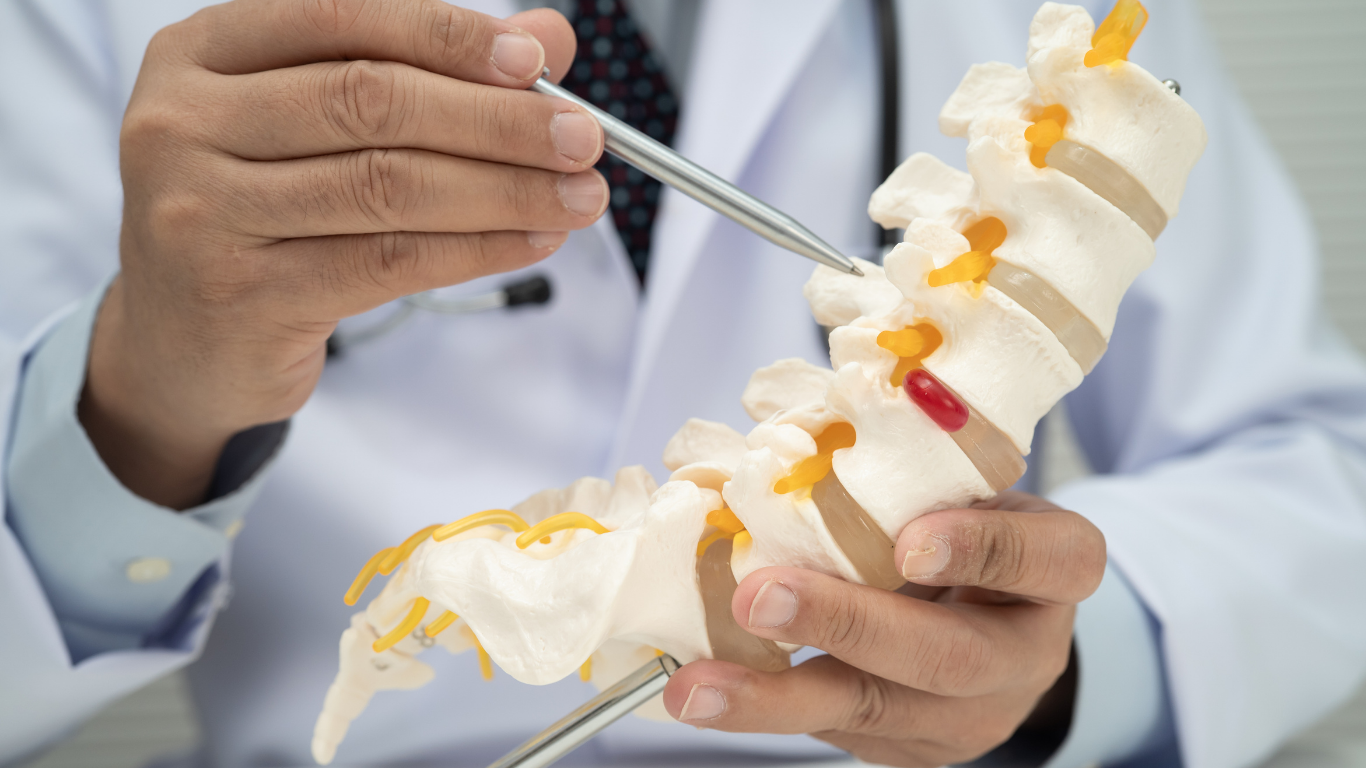
The foraminotomy procedure is a surgical technique aimed at relieving nerve compression in the spine. It focuses on widening the neural foramen, which are small openings between the vertebrae that allow spinal nerves to exit the spinal column. When these spaces become narrowed, nerves can become compressed, causing pain and other neurological symptoms.
This type of nerve decompression surgery is particularly effective for patients who have not found relief through conservative treatments such as medication, physical therapy or injections. By removing the structures causing the compression, foraminotomy surgery restores space for the nerves and helps alleviate symptoms.
How Spinal Nerve Compression Develops?
Nerve compression can occur due to several underlying conditions that affect the structure of the spine. As the body ages, natural wear and tear can lead to degeneration of spinal discs and joints, which reduces the available space for nerves.
Common causes include:
- Herniated or bulging discs
- Bone spurs caused by arthritis
- Thickened ligaments
- Degenerative disc disease
These conditions gradually narrow the neural foramen, making foraminotomy an effective solution for restoring normal nerve function.
Types of Foraminotomy Surgery
Depending on the location of the affected nerve, foraminotomy surgery can be categorized into different types. Each type targets a specific region of the spine and addresses unique symptoms.
- Cervical foraminotomy – targets the neck region
- Thoracic foraminotomy – focuses on the mid-back
- Lumbar foraminotomy – treats the lower back
Each variation of nerve decompression surgery is carefully planned based on diagnostic imaging and patient symptoms.
Benefits of Foraminotomy Surgery
Effective Pain Relief
One of the most significant advantages of foraminotomy is its ability to relieve chronic nerve pain. By decompressing the affected nerve, patients often experience immediate or gradual relief from symptoms.
Key benefits include:
- Reduced radiating pain in arms or legs
- Decreased numbness and tingling
- Improved nerve function
This makes foraminotomy surgery a highly effective option for long-term pain management.
Improved Mobility and Function
Patients who undergo nerve decompression surgery often notice a significant improvement in mobility. Activities that were once difficult – such as walking, bending or lifting – become easier after recovery.
Improvements may include:
- Better range of motion
- Increased strength
- Enhanced physical performance
Minimally Invasive Options
Modern foraminotomy surgery techniques often use minimally invasive methods, which involve smaller incisions and less disruption to surrounding tissues.
Advantages of minimally invasive approaches:
- Shorter hospital stays
- Reduced scarring
- Faster healing time
This evolution in nerve decompression surgery has made the procedure safer and more accessible.
Enhanced Quality of Life
Chronic pain can affect mental health, productivity and relationships. By addressing the root cause of nerve compression, foraminotomy can significantly improve overall quality of life.
Patients often report:
- Better sleep
- Reduced stress and anxiety
- Increased independence
Who Needs Foraminotomy Surgery?
Medical Conditions That Require Foraminotomy
Doctors typically recommend foraminotomy for patients experiencing nerve compression caused by specific spinal conditions. When non-surgical treatments fail to provide relief, foraminotomy surgery becomes a viable option.
Common conditions include:
- Spinal stenosis
- Herniated discs
- Osteoarthritis of the spine
- Degenerative spine disorders
These conditions often lead to nerve irritation, making nerve decompression surgery necessary.
Symptoms That Indicate the Need for Surgery
Recognizing the symptoms of nerve compression is crucial for timely treatment. Patients who may benefit from foraminotomy often experience persistent and worsening symptoms.
Warning signs include:
- Radiating pain down the arms or legs
- Numbness or tingling sensations
- Muscle weakness
- Difficulty standing or walking
If these symptoms persist despite conservative care, foraminotomy surgery may be recommended.
Diagnostic Process
Before proceeding with nerve decompression surgery, doctors conduct thorough evaluations to confirm the diagnosis and determine the best treatment plan.
Diagnostic tools include:
- MRI scans for detailed imaging
- CT scans for bone structure analysis
- X-rays to assess spinal alignment
- Physical examinations to evaluate symptoms
These assessments ensure that foraminotomy is the most appropriate solution.
Risks and Complications of Foraminotomy
General Surgical Risks
Like any medical procedure, foraminotomy surgery carries certain risks. While complications are relatively rare, it is important for patients to be aware of potential issues.
Common risks include:
- Infection
- Bleeding
- Blood clots
- Reactions to anaesthesia
These risks are minimized through proper surgical techniques and post-operative care.
Specific Risks of Nerve Decompression Surgery
Certain risks are unique to nerve decompression surgery, particularly when operating near delicate spinal structures.
Possible complications include:
- Nerve injury
- Persistent or recurring pain
- Spinal instability
- Leakage of spinal fluid
Although uncommon, these complications highlight the importance of choosing an experienced surgeon for foraminotomy.
Risk Reduction Strategies
Advancements in medical technology have significantly improved the safety of foraminotomy surgery. Surgeons now use advanced imaging and precision tools to enhance outcomes.
Preventive measures include:
- Preoperative planning
- Minimally invasive techniques
- Careful monitoring during surgery
These strategies ensure safer and more effective nerve decompression surgery outcomes.
Foraminotomy Procedure: Step-by-Step Process
Preoperative Preparation
Preparing for a foraminotomy involves several important steps to ensure a smooth procedure and recovery. Patients are typically advised to undergo medical evaluations and follow specific guidelines before surgery.
Preparation steps include:
- Reviewing medical history
- Completing diagnostic tests
- Adjusting medications
- Fasting before surgery
These steps help optimize the success of foraminotomy surgery.
Surgical Procedure
During the procedure, the surgeon performs precise steps to relieve nerve compression. The goal of nerve decompression surgery is to create more space for the affected nerve.
Procedure steps:
- Administration of anaesthesia
- Small incision near the affected area
- Removal of bone or tissue causing compression
- Enlargement of the neural foramen
The entire foraminotomy process typically takes one to two hours.
Postoperative Care
After foraminotomy surgery, patients are closely monitored to ensure proper healing. Recovery begins immediately after the procedure.
Post-surgery care includes:
- Pain management
- Monitoring for complications
- Gradual movement and activity
This phase is critical for successful outcomes in nerve decompression surgery.
Recovery Timeline After Foraminotomy
Immediate Recovery Phase
The first few days after foraminotomy are focused on rest and healing. Patients may experience mild discomfort, which is managed with medication.
Key aspects:
- Limited physical activity
- Wound care
- Pain control
Short-Term Recovery
Within a few weeks, patients who undergo foraminotomy surgery begin to regain mobility and resume light activities.
Typical progress includes:
- Starting physical therapy
- Increasing daily movement
- Gradual pain reduction
Long-Term Recovery
Full recovery from nerve decompression surgery may take several weeks to months, depending on individual health and the complexity of the procedure.
Long-term outcomes include:
- Improved strength and flexibility
- Return to normal activities
- Minimal or no pain
Tips for Faster Recovery
To maximize the benefits of foraminotomy, patients should follow medical advice and maintain a healthy lifestyle.
Helpful tips:
- Attend follow-up appointments
- Avoid heavy lifting
- Stay active within limits
- Maintain proper posture
Conclusion
The foraminotomy procedure is a highly effective solution for relieving nerve compression and restoring mobility. By addressing the root cause of pain, foraminotomy surgery offers long-term relief and improved quality of life for many patients. While there are risks involved, advancements in nerve decompression surgery have made the procedure safer and more reliable than ever.
If chronic pain is affecting your daily life, it may be time to explore your options. Book a consultation today with a qualified spine specialist to determine whether this procedure is right for you and take the first step toward a pain-free future.