Discectomy Surgery: When It’s Needed and What to Expect
Back pain is one of the leading causes of disability worldwide, but when that pain becomes severe, persistent and radiates into the arms or legs, it may indicate a deeper spinal issue such as a herniated disc. In such cases, discectomy surgery is often considered a highly effective solution to relieve nerve pressure and restore quality of life. But how do you know when surgery is truly necessary and what does the journey look like from diagnosis to recovery?
Many patients initially try conservative treatments such as physical therapy, medications or injections. While these methods can provide relief for some, others continue to experience debilitating symptoms that interfere with daily activities. This is where procedures like lumbar discectomy and herniated disc surgery come into play, offering targeted relief by addressing the root cause of the problem.
The thought of undergoing spinal surgery can be intimidating. Questions about safety, recovery time and long-term outcomes are common. However, advancements in medical technology have made discectomy surgery safer, less invasive and more effective than ever before.
In this comprehensive guide, we will explore in detail what discectomy surgery involves, when it is recommended, the different techniques used, recovery expectations, risks, benefits and how patients can achieve the best possible outcomes.
What Is Discectomy Surgery and How It Works
Understanding the Spine and Disc Problems
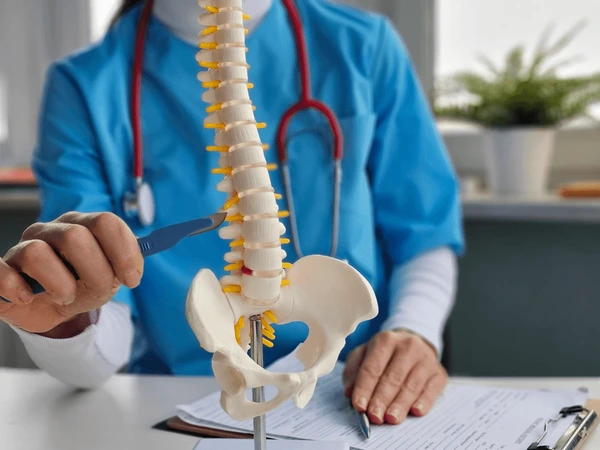
The human spine is made up of vertebrae separated by intervertebral discs, which act as cushions and shock absorbers. When a disc becomes damaged or herniated, its inner material pushes outward and compresses nearby nerves. This condition often leads to pain, numbness and weakness.
Discectomy surgery is designed to remove the portion of the disc that is causing this compression. By relieving pressure on the nerve, the procedure helps reduce pain and restore normal function.
Types of Discectomy Surgery
There are several forms of discectomy surgery, depending on the location and severity of the condition:
- Lumbar discectomy: Targets the lower back and is the most common type
- Cervical discectomy: Performed in the neck region
- Microdiscectomy: A minimally invasive approach with smaller incisions
Each type of herniated disc surgery is tailored to the patient’s specific needs and condition.
How the Procedure Relieves Symptoms
The effectiveness of discectomy surgery lies in its ability to directly address nerve compression. Once the pressure is removed, inflammation decreases and the nerve begins to heal. This leads to significant pain relief, especially in patients undergoing lumbar discectomy.
When Is Discectomy Surgery Needed
Recognizing the Warning Signs
Not all back pain requires surgery, but certain symptoms strongly indicate the need for discectomy surgery:
- Persistent pain lasting more than 6–8 weeks
- Radiating pain (sciatica)
- Numbness or tingling
- Muscle weakness
These symptoms often point to conditions requiring herniated disc surgery.
When Conservative Treatments Fail
Doctors typically recommend non-surgical treatments first. However, if these approaches fail to provide relief, lumbar discectomy may be the next step.
Common non-surgical treatments include:
- Physical therapy
- Anti-inflammatory medications
- Steroid injections
If symptoms persist, discectomy surgery becomes a viable option.
Emergency Situations
In rare cases, immediate herniated disc surgery is required, especially when there is:
- Loss of bladder or bowel control
- Severe nerve damage
These conditions require urgent lumbar discectomy to prevent permanent complications.
Types of Discectomy Surgery Techniques
Open Discectomy
Traditional discectomy surgery involves a larger incision and direct access to the spine. While effective, it may involve longer recovery times.
Microdiscectomy
Microdiscectomy is a minimally invasive form of lumbar discectomy. It uses specialized instruments and a microscope to remove the damaged disc portion.
Benefits include:
- Smaller incisions
- Reduced pain
- Faster recovery
This technique is widely used in modern herniated disc surgery.
Endoscopic Discectomy
Endoscopic discectomy surgery is performed using a tiny camera and instruments inserted through small incisions. It is one of the least invasive options available.
Choosing the Right Approach
The choice of technique depends on:
- Severity of the condition
- Patient health
- Surgeon expertise
Your doctor will recommend the most suitable lumbar discectomy method.
What to Expect During Discectomy Surgery
Preoperative Preparation
Before undergoing discectomy surgery, patients will:
- Undergo imaging tests like MRI
- Receive medical clearance
- Follow fasting and medication guidelines
These steps ensure a safe and successful procedure.
Step-by-Step Procedure
During discectomy surgery, the surgeon:
- Makes a small incision
- Accesses the affected disc
- Removes the damaged portion
- Relieves nerve pressure
The procedure typically takes 1–2 hours.
Hospital Stay and Immediate Recovery
After lumbar discectomy, many patients go home the same day or within 24 hours. Minimally invasive herniated disc surgery often allows quicker discharge.
Recovery After Discectomy Surgery
Early Recovery Phase
In the first few days after discectomy surgery, patients focus on pain management and gentle movement. Walking is encouraged to improve circulation.
Rehabilitation and Physical Therapy
Physical therapy is essential after lumbar discectomy. It helps:
- Strengthen core muscles
- Improve flexibility
- Prevent recurrence
Returning to Daily Activities
Most patients can return to light activities within a few weeks. Full recovery after herniated disc surgery may take several months.
Tips for Better Recovery
- Avoid heavy lifting
- Maintain proper posture
- Follow medical advice
These practices improve outcomes after discectomy surgery.
Risks and Complications of Discectomy Surgery
Common Risks
Although discectomy surgery is generally safe, potential risks include:
- Infection
- Bleeding
- Nerve injury
Risk of Recurrence
There is a small chance that the disc may herniate again, requiring additional lumbar discectomy.
Reducing Risks
Patients can reduce risks by:
- Choosing experienced surgeons
- Following postoperative care
- Attending follow-up appointments
Proper care ensures better outcomes in herniated disc surgery.
Benefits and Success Rates of Discectomy Surgery
Immediate Pain Relief
One of the biggest advantages of discectomy surgery is rapid pain relief. Noticeable improvement is common among patients soon after the procedure.
High Success Rates
Studies indicate that lumbar discectomy has a success rate of 80–90% in relieving symptoms.
Improved Quality of Life
Patients who undergo herniated disc surgery often experience:
- Better mobility
- Reduced pain
- Enhanced daily functioning
Conclusion
Discectomy surgery is a proven and effective solution for individuals suffering from severe pain caused by herniated discs. By understanding when it is needed, how it is performed and what to expect during recovery, patients can approach the procedure with confidence.
Whether you are considering lumbar discectomy or another form of herniated disc surgery, consulting with a qualified specialist is the first step toward recovery. Are you ready to improve and take control of your spine health? Book a consultation with a spine expert today and begin your journey toward a pain-free life. to learn whether Botox for chronic pain could be the right treatment option for you.