Exercises That Help Relieve Thoracic Outlet Syndrome Pain
Living with nerve pain in your neck, shoulder, and arm can make even simple daily tasks feel exhausting. Many patients recovering from spinal procedures like Laminoplasty or dealing with nerve compression conditions such as thoracic outlet syndrome experience stiffness, weakness, and limited mobility. These symptoms can interfere with work, sleep, and overall quality of life, making proper rehabilitation essential for long-term recovery and comfort.
Exercise plays a critical role in relieving nerve pressure, restoring movement, and strengthening supportive muscles. Without proper rehabilitation, muscles can weaken, posture can worsen, and nerve compression symptoms may persist or return. Targeted exercises improve circulation, reduce inflammation, and help restore normal nerve function, which accelerates healing and prevents complications.
Thoracic outlet syndrome develops when nerves or blood vessels become compressed numbness, and weakness in the arm and shoulder. Fortunately, specific exercises can relieve pressure, improve posture, and restore strength in affected areas.
In this guide, you will learn which exercises are most effective, how they work, when to start them, and how they support recovery and nerve health. You will also learn how rehabilitation supports long-term spinal stability and prevents future problems.
Understanding Thoracic Outlet Syndrome and Nerve Compression
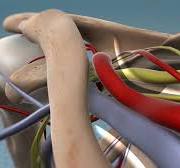
Thoracic outlet syndrome develops when nerves or blood vessels in the thoracic outlet become compressed. This narrow space between the collarbone and first rib contains critical nerves responsible for arm movement and sensation. When compression occurs, nerve signals become disrupted, causing pain, weakness, and mobility limitations.
This condition often develops gradually due to poor posture, repetitive movements, or muscle imbalances. Modern lifestyles involving prolonged computer use, poor ergonomics, and limited physical activity contribute significantly to its development. Over time, tight muscles and weak stabilizing muscles create structural imbalance, increasing nerve compression risk.
According to the Cleveland Clinic, nerve compression conditions affecting the neck and shoulder can significantly impair mobility and quality of life if not properly treated. Exercise therapy is one of the most effective non-surgical treatments to relieve compression and restore function.
Without proper rehabilitation, symptoms may worsen and lead to chronic nerve dysfunction. Targeted exercises help restore muscle balance, improve posture, and reduce pressure on nerves. This process promotes healing and prevents long-term complications.
How Exercises Help Relieve Nerve Compression and Improve Recovery
Exercise is one of the most effective treatments for relieving nerve compression because it addresses the underlying causes rather than just symptoms. Proper exercises strengthen muscles, improve posture, and increase flexibility, all of which reduce pressure on nerves.
When muscles become tight or weak, they alter the alignment of bones and joints. This structural imbalance creates pressure points where nerves become compressed. Exercises restore muscle balance and proper alignment, reducing compression and improving nerve function.
Benefits of Targeted Rehabilitation Exercises
Exercises provide several important benefits for recovery and nerve health:
- Improve posture and spinal alignment
- Strengthen muscles supporting the neck and shoulders
- Increase flexibility and reduce muscle tightness
- Improve blood circulation and oxygen delivery
- Reduce inflammation around nerves
- Restore mobility and functional movement
Improved circulation helps deliver nutrients and oxygen necessary for tissue healing. This process accelerates recovery and improves nerve regeneration.
According to the Mayo Clinic, therapeutic exercises improve recovery outcomes and reduce long-term complications in patients with nerve compression conditions.
Best Posture Correction Exercises for Thoracic Outlet Syndrome
Posture plays a critical role in nerve compression. Poor posture places excessive strain on neck and shoulder muscles, increasing compression risk. Correcting posture reduces pressure and restores proper alignment.
Chin Tuck Exercise for Neck Alignment
This exercise strengthens muscles that support proper neck posture.
Steps:
- Sit or stand upright
- Gently pull your chin backward
- Hold for 5 seconds
- Repeat 10 times
This exercise strengthens deep neck muscles and improves spinal alignment.
Shoulder Blade Squeeze Exercise
This exercise helps strengthen the upper back muscles and enhances posture.
Steps:
- Sit upright with arms relaxed
- Squeeze shoulder blades together
- Hold for 5 seconds
- Repeat 10 to 15 times
This movement strengthens muscles that stabilize the shoulder.
Wall Posture Exercise
This exercise retrains proper spinal alignment.
Steps:
- Stand with your back against a wall
- Keep shoulders and head touching the wall
- Hold for 10 seconds
- Repeat several times
This exercise improves posture awareness and alignment.
Stretching Exercises That Reduce Nerve Compression
Stretching exercises improve flexibility and reduce muscle tightness that contributes to nerve compression. Tight muscles restrict movement and increase pressure on nerves.
Neck Stretch for Muscle Relaxation
This stretch relieves tension in neck muscles.
Steps:
- Tilt your head toward your shoulder
- Hold for 15 seconds
- Repeat on both sides
This stretch improves flexibility and reduces muscle tension.
Chest Stretch to Improve Shoulder Mobility
This stretch opens the chest and improves posture.
Steps:
- Stand in a doorway
- Place arms on door frame
- Lean forward gently
- Hold for 20 seconds
This stretch reduces forward shoulder posture.
Strengthening Exercises After Laminoplasty and Thoracic Outlet Syndrome
Recovery exercises are especially important after Laminoplasty because muscles and nerves require rehabilitation to restore strength and function. Strengthening exercises stabilize the spine and reduce nerve compression risk.
Resistance Band Row Exercise for Laminoplasty Recovery
This exercise strengthens upper back muscles that support posture and spinal alignment.
Steps:
- Hold resistance band with both hands
- Pull band toward your body
- Squeeze shoulder blades together
- Repeat 10 to 15 times
This exercise improves spinal stability and reduces nerve compression.
Strengthening exercises help restore muscle balance and improve spinal support. Strong muscles protect nerves and prevent compression recurrence.
When to Start Exercises After Laminoplasty
Starting exercises at the right time is essential for safe recovery. Too much activity too soon can delay healing, while too little activity can cause stiffness and weakness. Proper timing ensures safe and effective recovery.
Doctors typically recommend starting gentle movements within days or weeks after Laminoplasty depending on individual recovery progress. Early movement improves circulation, reduces stiffness, and accelerates healing. However, exercises should always be performed under medical supervision to prevent complications.
Rehabilitation programs usually begin with gentle stretching and posture correction exercises. As healing advances, strengthening exercises are slowly incorporated. This gradual progression ensures safe recovery while restoring muscle strength and mobility.
Patients who follow structured rehabilitation programs typically experience faster recovery and better long-term outcomes. Consistency is key to restoring normal function and preventing future problems.
Long-Term Exercise Strategies to Prevent Nerve Compression
Long-term exercise is essential for maintaining spinal health and preventing recurrence of nerve compression. Even after recovery, maintaining muscle strength and flexibility protects nerves and improves overall function.
Regular exercise improves posture, strengthens muscles, and maintains proper spinal alignment. These benefits reduce stress on nerves and prevent compression. Maintaining good posture during daily activities also prevents muscle imbalances that contribute to nerve problems.
Aerobic exercise improves circulation and supports tissue health. Improved circulation delivers nutrients and oxygen to tissues, promoting long-term healing and preventing degeneration.
Consistency is essential for long-term success. Patients who maintain regular exercise routines experience fewer complications and better overall spinal health.
Signs Exercises Are Helping Recovery
Recognizing positive recovery signs helps patients stay motivated and confident in their rehabilitation process.
Positive Recovery Indicators
These signs indicate effective rehabilitation:
- Reduced pain and stiffness
- Improved mobility
- Increased strength
- Better posture
- Improved endurance
These improvements reflect nerve healing and muscle strengthening.
Conclusion
Exercise plays a critical role in relieving nerve compression, restoring mobility, and improving long-term spinal health. Proper rehabilitation strengthens muscles, improves posture, and reduces pressure on nerves, allowing the body to heal naturally. Patients recovering from Laminoplasty or managing nerve compression conditions benefit significantly from structured exercise programs designed to restore strength and flexibility.
Consistent rehabilitation improves recovery speed, reduces pain, and prevents future complications. Working with a specialist ensures exercises are safe and effective for your specific condition. Book your spine consultation today to receive a personalized exercise plan and achieve lasting relief and recovery.